
All-Natural Eastern Medicine IVDD Supplements for Dogs
When your dog has IVDD, finding ways to support comfort and mobility matters. IVDD, or intervertebral disc disease, is a spinal disorder that can involve a herniated intervertebral disc and significant discomfort.
Eastern medicine offers changes you can make at home to support your dog alongside veterinary treatment. PET | TAO Holistic Pet Products co-founders Dr. Marc Smith and Dr. Casey Damron have treated many dogs with IVDD over the years.
In this article, we’re sharing the Eastern medicine IVDD supplements for dogs recommended in their Tennessee clinics.
Sudden inability to walk, worsening weakness, or difficulty urinating requires prompt veterinary attention. Home support should follow your veterinarian’s treatment and activity-restriction plan.
Key Takeaways
- Recognize changes: IVDD can affect walking, paw placement, comfort, and toileting.
- Food therapy: The original recommendations favor home-cooked or wet food and an energetically appropriate diet.
- Comfort and joints: PET | TAO Comfort and Harmonize Joint are discussed as supportive options.
- Kidney food therapy: Kidney treats are included through TCVM Five-Element theory.
- Individualized herbs: A TCVM-trained veterinarian selects a suitable formula and provides required authorization.
Common Symptoms of IVDD in Dogs
- Toileting: Difficulty urinating and/or defecating.
- Walking: Inability or unwillingness to walk.
- Paw placement: Knuckling on paws.
- Comfort: Neck or back discomfort.
- Behavior: Shaking or trembling associated with discomfort.
Learn More About Dog Arthritis
The first thing Dr. Smith and Dr. Damron recommend is learning more about dog arthritis in general. Many of the supportive recommendations for dog arthritis are also used for dogs with IVDD, although the conditions require their own veterinary assessment.
They have written an ebook explaining how to help your dog feel better and offer it for free.
Get a Free Copy of Our Ebook “Dog Arthritis 101: Make Your Dog Feel Better”
Feed the Right Dog Food
The right food is the basis of overall health. Feeding an energetically appropriate diet can improve how your dog feels within the TCVM food therapy approach.
Our veterinarians recommend home-cooking or wet food for best results. These diets help keep your dog hydrated. The original article also emphasizes avoiding excess weight, because less excess weight means less stress on bones and joints. Keep portions appropriate to your dog’s needs.
PET | TAO Chill is often recommended to energetically balance dogs with IVDD. Select the formula that fits your dog’s individual pattern.
Take a look at the food chart on the PET | TAO website to explore your dog’s specific needs and discuss the appropriate formula or home-cooked approach with your veterinarian.
Home-cooking may sound tricky, but it can be surprisingly easy to get started. The PET | TAO recipes page provides instructions and recipes.
Visit the PET | TAO Recipes Page
Ease Your Dog’s Discomfort Naturally
Dogs with IVDD can be very uncomfortable. Veterinarians commonly recommend NSAIDs to ease discomfort, although unwanted side effects can occur.
The original article presents PET | TAO Comfort as an option recommended by Dr. Smith and Dr. Damron.
Comfort is a blend of Eastern herbs and Western nutraceuticals to help your dog feel better and more comfortable. Your veterinarian can advise how it fits with prescribed care; do not change medications or combine products without that guidance.
Learn More About the Comfort Supplement on the PET | TAO Website
Support Your Dog’s Joints
The original article emphasizes joint supplements for senior dogs, especially dogs with back issues including arthritis and IVDD.
PET | TAO Harmonize Joint is a blend of Eastern herbs and Western nutraceuticals working together to support joint lubrication and joint health.
Our veterinarians recommend PET | TAO Harmonize Joint.
Learn More About Harmonize Joint Supplement on the PET | TAO Website
Try Feeding Kidney
Although it may sound unusual, feeding kidney is used in TCVM food therapy to support bones and joints.
According to TCVM Five-Element theory, the Kidney meridian controls the bones and joints. Feeding kidney supports arthritic health challenges in a “like treats like” manner, energetically supporting your dog from the inside out.
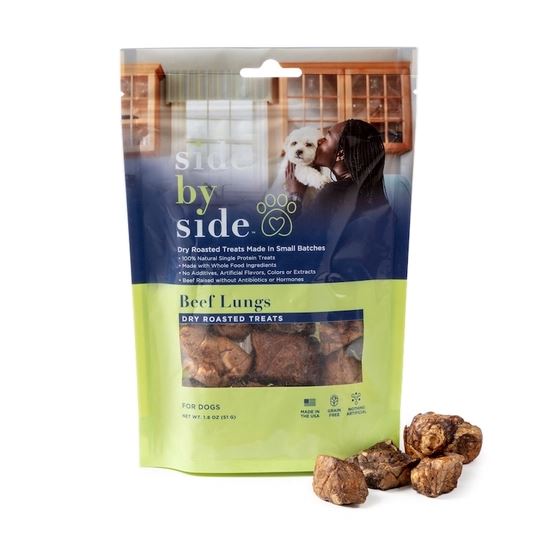
The original recommendation is to feed some kidney at each meal, or as directed by your veterinarian, or offer freeze-dried raw kidney treats, or as directed by your veterinarian.
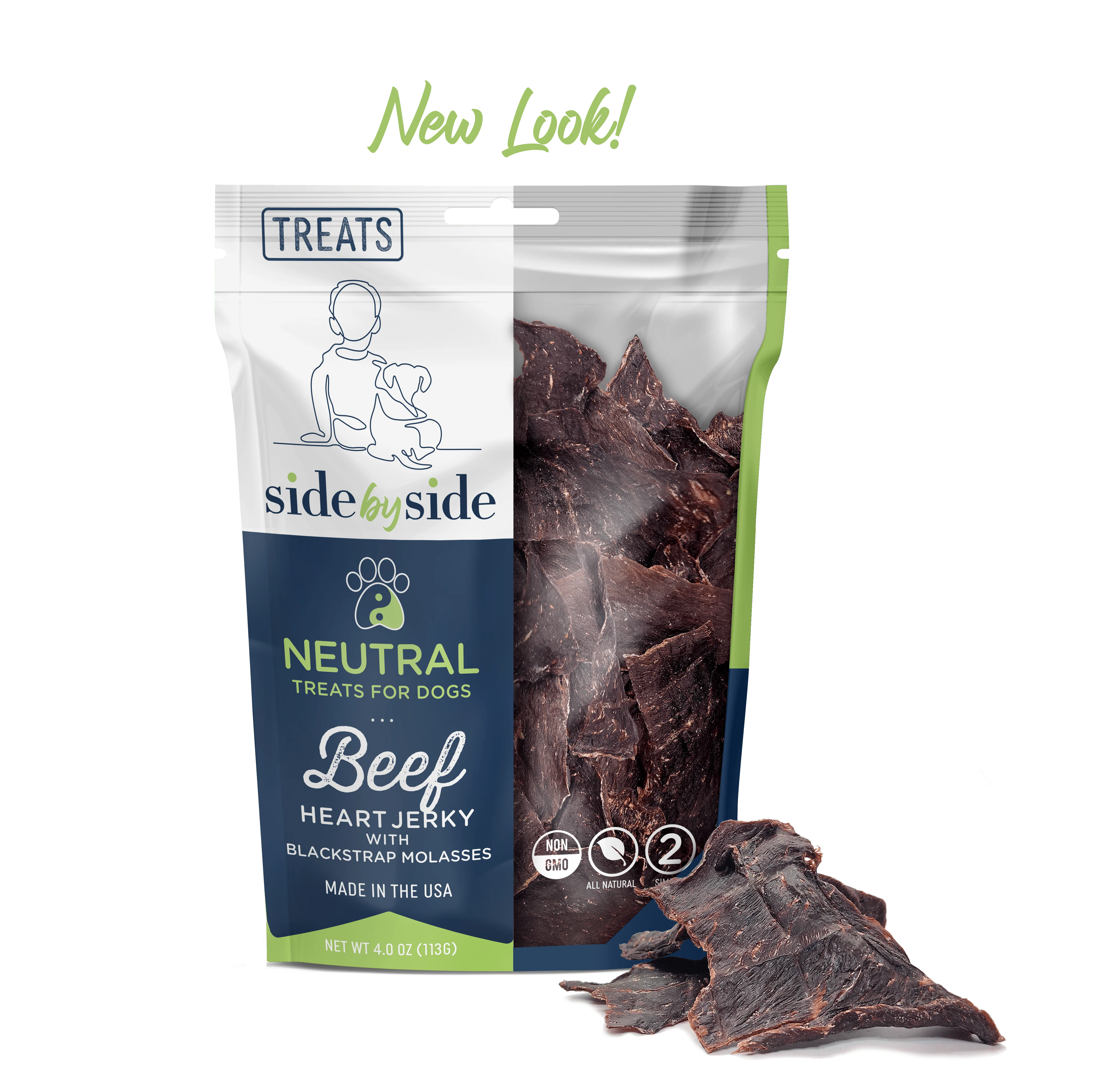
Our veterinarians recommend PET | TAO Freeze-Dried Raw Kidney Treats.
Explore TCVM Herbal Formulas
Our veterinarians also recommend learning about TCVM herbal remedies. Chinese medicine offers natural approaches to supporting dogs with IVDD.
The original article includes these examples:
- Corydalis Relieve Soreness: An example listed in the original article. This retained link points to a horse formulation; ask your veterinarian about an appropriate canine formulation rather than using the linked horse product for your dog.
- Di Gu Pi San: A TCVM formula example to discuss with your veterinarian.
- Du Huo Ji Sheng Tang: Another formula example included in the original recommendations.
- Double P II: A Jing Tang formula example for individualized veterinary selection.
These are just a few examples of TCVM herbal formulas available to help dogs feel better. In many cases, several different formulas may be considered for the same Western diagnosis.
You need the help of a TCVM-trained veterinarian to choose the most appropriate formula for your dog. The TCVM herbal formulas discussed here also require veterinary authorization.
Interested in trying a TCVM herbal formula? Submit Your Authorization Request or Request a TCVM Telemedicine Consultation
Personalized TCVM Guidance
If you ever feel like you need extra help managing your dog’s IVDD challenges naturally or with TCVM herbal blends, we can help.
TCVM Pet Supply co-founding veterinarians Dr. Marc Smith and Dr. Casey Damron offer TCVM telemedicine consultations.
A consultation provides personalized recommendations specific to your dog, including:
- Evaluation: TCVM evaluation.
- Nutrition: Food therapy recommendations.
- Herbal support: TCVM herb recommendations and veterinary authorization.
- Supplements: Supplement recommendations.
- Additional care: Alternative medicine recommendations.
If you reside in the Middle Tennessee area or would like to commute, you may choose an in-clinic appointment instead.
You can learn more about each veterinarian and contact the clinic you prefer to set up your consultation:
- Marc Smith, DVM, MS - Natchez Trace Veterinary Services
- Casey Damron, DVM, CVA - White Oak Animal Hospital
We hope this information helps you and wish you the best in helping your dog feel better. If you have any other questions or if we can help you in any way, just let us know!
Frequently Asked Questions
Which IVDD signs need prompt veterinary attention?
Sudden inability to walk, worsening weakness, and difficulty urinating need prompt veterinary attention. Knuckling, neck or back discomfort, trembling, and changes in toileting should also be assessed. Supplements and food therapy belong alongside your veterinarian’s treatment plan.
Why does this article recommend home-cooked or wet food?
The original recommendations emphasize hydration, an energetically appropriate diet, and avoiding excess weight that adds stress to bones and joints. The linked feeding chart and recipe page help you explore food therapy choices with your veterinarian.
How do Comfort, Harmonize Joint, and kidney treats differ?
PET | TAO Comfort is discussed for comfort support, Harmonize Joint for joint lubrication and joint health, and kidney treats for TCVM Five-Element food therapy supporting bones and joints. Your veterinarian can help decide which options fit your dog’s needs and medications.
How is a TCVM herbal formula selected for a dog with IVDD?
A TCVM-trained veterinarian assesses your dog’s individual pattern rather than choosing solely by the IVDD diagnosis. Several formulas may be considered, and the herbs discussed here require authorization. Species-specific formulation matters, including for the retained Corydalis link to a horse product.
The Bottom Line
Supporting a dog with IVDD combines timely veterinary care with an individualized plan for food, comfort, joints, and TCVM support. The original recommendations and resources above offer options to discuss with your veterinarian while following prescribed treatment and activity restrictions.
Related post

25
Feb

30
Jan

24
Oct
TCVM Pet Health Insights
Dealing with Dog Allergies? Discover How a Limited-Ingredient Diet Can Help
Read more
21
Oct

22
Apr