
How to Help Dog Lung Cancer Using Traditional Chinese Veterinary Medicine
A lung cancer diagnosis can leave you wondering what else you can do to help your dog feel comfortable and supported. You do not have to navigate those choices alone.
Lung cancer is relatively uncommon in dogs. PetCure Oncology estimates that primary lung cancer accounts for approximately 1% of diagnosed canine cancers. Cancer can also spread to the lungs from elsewhere in the body.
Our founding veterinarians, Dr. Marc Smith and Dr. Casey Damron, have experience caring for dogs with lung cancer in their clinics. Here, we share their food therapy, supplement, and TCVM recommendations as part of a coordinated veterinary plan.
Key Takeaways
- Diagnosis: Cancer may begin in the lungs or spread there from another location.
- Monitoring: Coughing, appetite changes, weight loss, and breathing changes need veterinary assessment.
- Food therapy: An energetically appropriate, nutritionally planned diet can support nourishment and vitality.
- Supportive products: Lung treats, medicinal mushrooms, and digestive support each play a different role.
- Individualized herbs: TCVM formulas are chosen for your dog’s pattern and reviewed alongside medications and oncology care.
How Dogs Develop Lung Cancer
You may wonder how your dog developed lung cancer, especially if no one in your home smokes. Cancer can arise through a combination of factors, including age and inherited susceptibility.
Breeds often discussed in relation to cancer susceptibility include Boxers, Dobermans, Australian Shepherds, Irish Setters, and Bernese Mountain Dogs. General cancer susceptibility is not the same as a confirmed lung-cancer predisposition.
Age is also a factor, and lung tumors are more often diagnosed in older dogs, frequently around 10 years of age or above.
- Metastatic cancer: Cancer begins elsewhere in the body and spreads to the lungs.
- Primary lung tumors: Cancer begins in the lungs and may spread to other lung lobes or lymph nodes. Some tumors grow slowly and become large before diagnosis.
- Environmental exposure: Secondhand cigarette smoke is a cancer-related exposure to avoid around pets.
Symptoms of Lung Cancer in Dogs
Some dogs show few obvious signs. In others, lung abnormalities are discovered on imaging performed for an unrelated condition.
Signs that warrant veterinary evaluation include:
- Appetite: Reduced interest in food.
- Cough: Persistent coughing, sometimes with blood.
- Temperature: Fever.
- Energy: Lethargy.
- Breathing: Shallow or rapid breathing.
- Digestion: Vomiting.
- Weight: Unexplained weight loss.
These signs can occur with other conditions too. Labored breathing, collapse, or blue or very pale gums require urgent veterinary care.
Learn More About Dog Cancer
If your dog is newly diagnosed, our free ebook, What Every Dog Owner Should Know About Cancer: An Arsenal of Medical, Holistic, and Alternative Options, can help you understand the choices ahead.
Holistic veterinarians Dr. Casey Damron and Dr. Marc Smith wrote it with pet owners in mind. It explains what is happening, how your dog may feel, and practical options for home support.
Feed an Energetically Appropriate Diet
Good nutrition is a foundation of supportive care. Eastern Food Therapy considers the energetic qualities of ingredients alongside your dog’s individual pattern.
An appropriate diet supports nourishment, comfort, and resilience during treatment. Work with your veterinarian to plan food that meets your dog’s nutritional needs and fits their appetite, digestive tolerance, and treatment plan.
To explore home cooking, visit the PET | TAO Holistic Pet Products recipe page. The feeding suggestions chart offers additional food therapy guidance.
PET | TAO Solution Zing Canned Formula
For a prepared option, discuss PET | TAO Solution Zing Canned Formula with your veterinarian. It is intended for intermittent or supplemental feeding rather than use as a complete diet by itself.
Its food therapy foundation includes:
- Beef: Provides protein and traditionally supports Qi and Blood nourishment.
- Chicken liver and beef liver: Supply organ-based nutrients and traditionally nourish Liver Blood.
- Beef heart: Provides protein and supports the organ-food approach to nourishment.
- Sardines: Supply fish-based nutrients and omega-3 fatty acids.
- Spinach and turnip greens: Contribute plant nutrients to the Blood-building food therapy profile.
- Other vegetables, grains, and eggs: Broaden the food’s energy and nutrient sources.
Use Lung Food Therapy
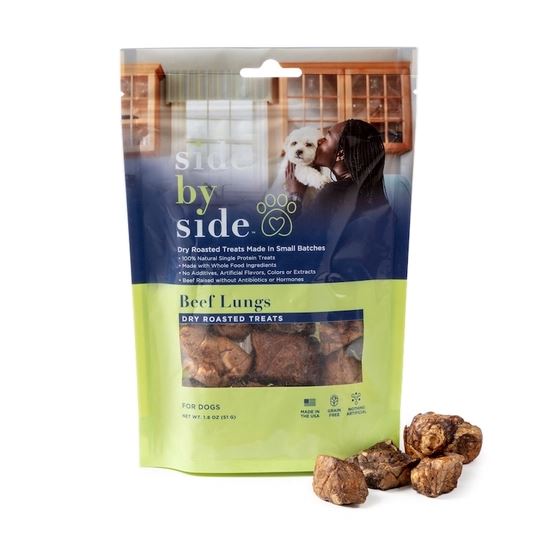
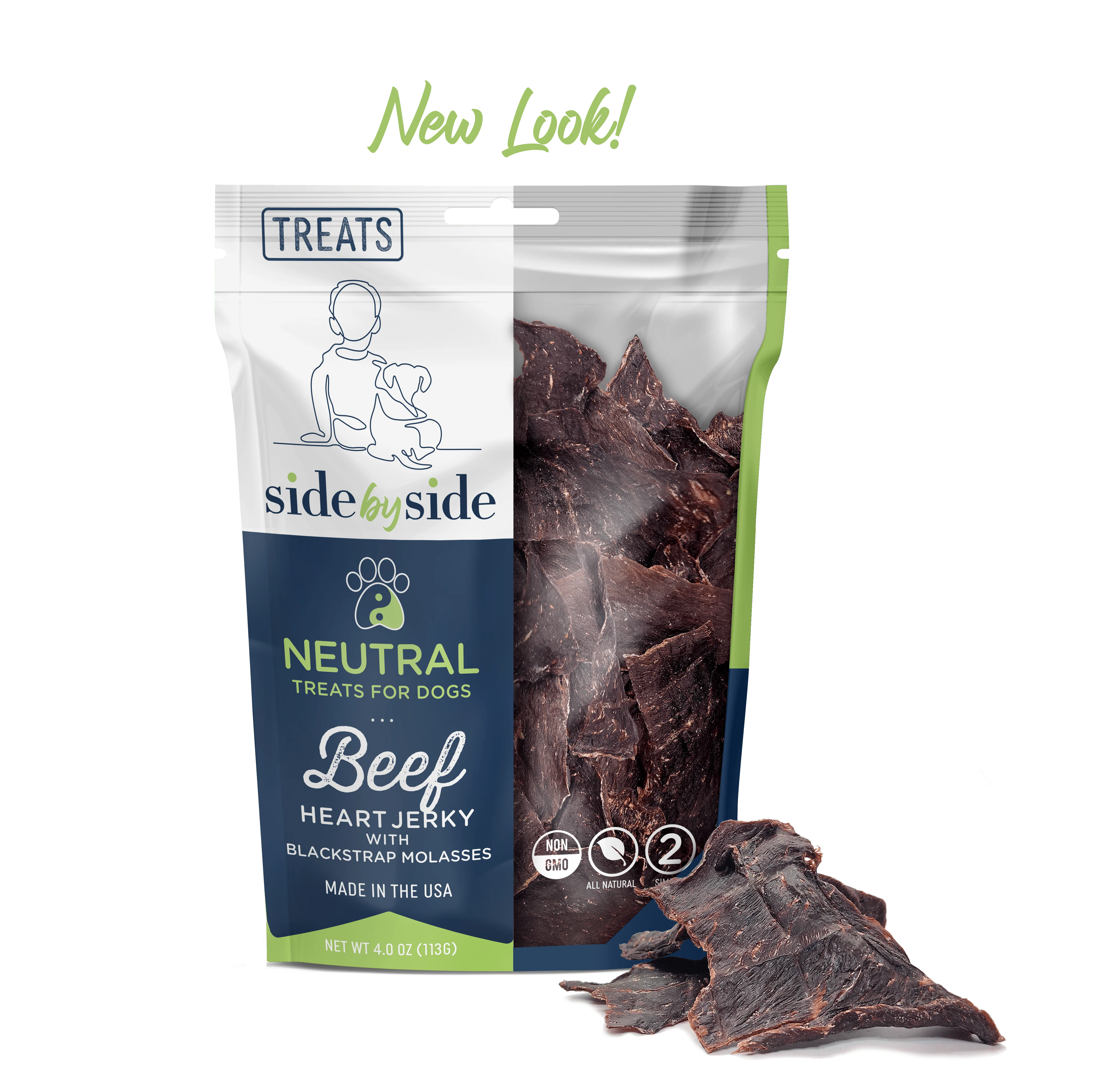
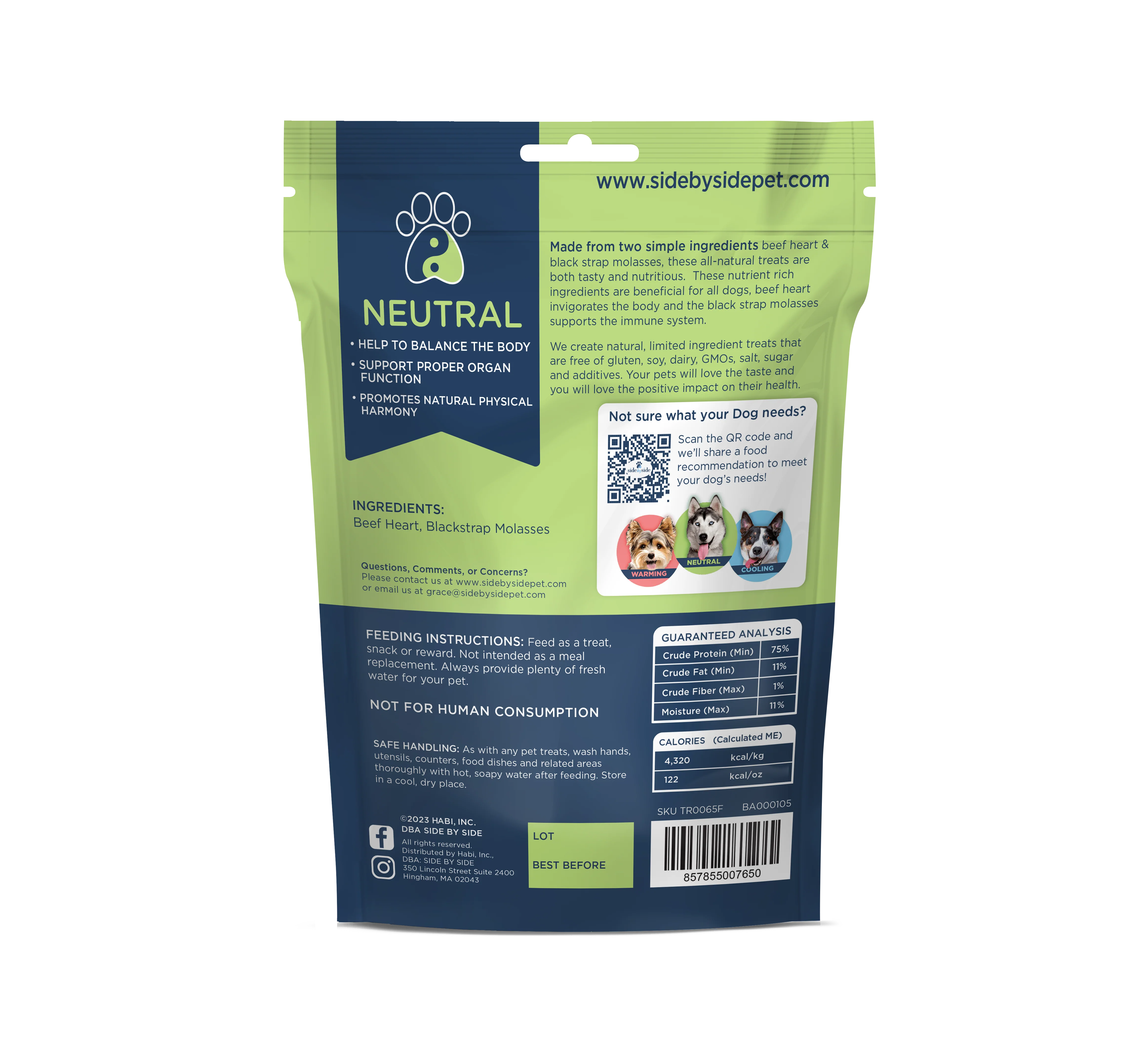
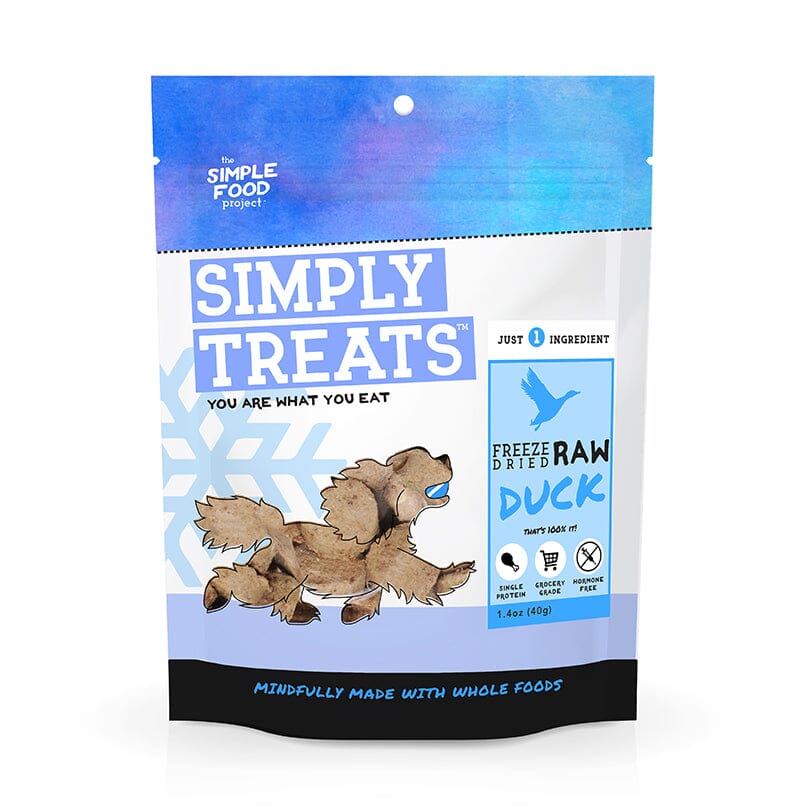
Five-Element Theory and Yin and Yang Theory guide the use of lung treats to nourish the Lung functional system through the traditional “like treats like” approach.
In Traditional Chinese Veterinary Medicine, the Lung belongs to the Metal element. Metal is associated with determination, strength, persistence, and the “breath of life.”
The lungs support respiration and gas exchange. In Chinese medicine, the Lung functional system also governs the skin surface and hair and is associated with the body’s surface defenses. These are traditional functional relationships, rather than a claim that skin replaces lung respiration.
Supplement With Medicinal Mushrooms
Medicinal mushrooms provide polysaccharides, including beta-glucans, studied for their effects on immune signaling and inflammatory pathways. They can be part of an individualized immune-support plan.
Dr. Smith and Dr. Damron recommend PET | TAO Complement Immune. Its current formula combines four medicinal mushrooms with additional liver-supporting and antioxidant ingredients.
Complement Immune Active Ingredients
- Ling Zhi (Ganoderma lucidum), reishi: Provides beta-glucans and triterpenes studied for immune modulation; traditionally tonifies Qi and calms Shen.
- Xiang Gu (Lentinula edodes), shiitake: Contains lentinan, an immune-active polysaccharide, and L-ergothioneine, an antioxidant; traditionally supports digestive Qi.
- Yun Zhi (Trametes versicolor), turkey tail: Contains immune-active polysaccharides. Purified polysaccharide-K, or PSK, has been used as an adjunctive oncology medicine in Japan.
- Hui Shu Hua (Grifola frondosa), maitake: Provides beta-glucans studied for effects on macrophages, natural killer cells, and T-cell activity.
- Milk thistle: Provides silymarin compounds associated with liver and antioxidant support.
- Calcium ascorbate, vitamin C: Supports antioxidant defenses and collagen formation.
- Coenzyme Q-10: Supports cellular energy production and antioxidant protection.
- Selenium: Supports antioxidant enzyme systems and normal immune function.
- Vitamin A: Supports epithelial tissues and normal immune function.
- Vitamin E: Supports cell-membrane antioxidant protection.
Ingredient research helps explain the supportive roles, but please review its use with your dog’s treating veterinarian.
Support Digestion With Probiotics and Enzymes
Dogs with cancer may experience digestive upset or difficulty maintaining nourishment. Digestive enzymes, probiotics, and prebiotics offer complementary support for food breakdown and gut microbial balance.
PET | TAO Harmonize GI combines the following active components:
- Amylase: Breaks down dietary starches into smaller sugars.
- Lipase: Helps break down dietary fats.
- Cellulase: Helps break down cellulose from plant ingredients.
- Protease: Helps break down dietary proteins.
- PB6 Bacillus subtilis: A probiotic supporting beneficial microbial balance and digestive health.
- Bacillus coagulans: A probiotic supporting intestinal microbial balance.
- Fructooligosaccharides: A prebiotic that nourishes beneficial gut bacteria.
Your veterinarian can determine whether digestive support is appropriate alongside medications, chemotherapy, and any existing gastrointestinal condition.
Consider Individualized TCVM Herbal Medicine
Dr. Smith and Dr. Damron also use TCVM herbal blends in their care plans for dogs with cancer. Their selection depends on the dog’s pattern, examination, medications, and clinical needs rather than the diagnosis alone.
The traditional actions described below explain each formula’s role in TCVM, not a guaranteed anticancer effect.
Herbsmith Rx Bai He Gu Jin San
Bai He Gu Jin San nourishes Yin, moistens the Lung, and transforms Phlegm in dry respiratory patterns.
- Bai He, lily bulb: Nourishes Lung Yin, moistens respiratory passages, and calms the spirit.
- Sheng Di Huang, raw rehmannia: Nourishes Yin, cools Blood, and clears deficiency Heat.
- Shu Di Huang, prepared rehmannia: Nourishes Kidney Yin, Jing, and Blood.
- Mai Men Dong, ophiopogon tuber: Nourishes Lung and Stomach Yin and moistens dryness.
- Xuan Shen, figwort root: Nourishes Yin, clears deficiency Heat, and supports the throat.
- Bei Mu, fritillaria bulb: Transforms Phlegm-Heat and moistens the Lung.
- Jie Geng, balloon flower root: Diffuses Lung Qi and directs the formula toward the Lung.
- Dang Gui, dong quai: Nourishes and invigorates Blood.
- Bai Shao, white peony root: Nourishes Liver Blood and Yin and softens the Liver.
- Gan Cao, licorice: Supports Spleen Qi and harmonizes the formula.
Jing Tang Lily Combination
Lily Combination, based on Bai He Gu Jin Tang, is another Lung and Kidney Yin-nourishing option. Your veterinarian can help select the appropriate manufacturer and preparation.
- Bai He (Lilium brownii), lily bulb: Nourishes Lung Yin and moistens the Lung.
- Shu Di Huang (Rehmannia glutinosa), prepared rehmannia: Nourishes Kidney and Liver Yin, Jing, and Blood.
- Sheng Di Huang (Rehmannia glutinosa), raw rehmannia: Clears Heat, cools Blood, and nourishes Yin.
- Mai Men Dong (Ophiopogon japonicus), ophiopogon tuber: Generates fluids and nourishes Lung and Stomach Yin.
- Xuan Shen (Scrophularia ningpoensis), figwort: Nourishes Yin, clears Heat, and softens hardness.
- Zhe Bei Mu (Fritillaria thunbergii), Zhejiang fritillaria: Clears Heat and transforms Phlegm.
- Jie Geng (Platycodon grandiflorum), balloon flower: Opens the Lung and directs actions upward.
- Dang Gui (Angelica sinensis), dong quai: Nourishes and invigorates Blood.
- Bai Shao Yao (Paeonia lactiflora), white peony: Nourishes Blood and Yin and softens the Liver.
- Gan Cao (Glycyrrhiza uralensis), licorice: Supports Spleen Qi, moistens the Lung, and harmonizes the herbs.
Nei Xiao Luo Li San and Jing Tang Max’s Formula
Nei Xiao Luo Li San is a classical formula considered for hardness and Phlegm-Heat accumulation patterns. Jing Tang Max’s Formula is based on this classical antecedent.
Max’s Formula contains:
- Mu Li, calcined oyster shell: Softens hardness, addresses nodules, and anchors Yang in TCVM.
- Xia Ku Cao (Prunella vulgaris), self-heal: Clears Liver Fire and addresses nodular patterns.
- Xuan Shen (Scrophularia ningpoensis), figwort: Nourishes Yin, cools Blood, and softens hardness.
- Zhe Bei Mu (Fritillaria thunbergii), Zhejiang fritillaria: Clears Heat, transforms Phlegm, and addresses nodules.
- Da Huang (Rheum palmatum), Chinese rhubarb: Clears Heat, purges accumulation, and moves Blood stagnation.
- Tian Hua Fen (Trichosanthes kirilowii), trichosanthes root: Clears Heat, generates fluids, and reduces swelling.
- Jie Geng (Platycodon grandiflorus), balloon flower: Opens the Lung and transforms Phlegm.
- Bai Zhi (Angelica dahurica), Dahurian angelica: Disperses Wind and addresses swelling.
These formulas require veterinary authorization. Review all medications and supplements with your veterinarian, particularly during oncology treatment. Follow product-specific warnings, and contact your veterinarian if vomiting, diarrhea, or unusual signs develop.
Interested in trying a TCVM herbal formula? Submit Your Authorization Request or Request a TCVM Telemedicine Consultation
Personalized TCVM Guidance
If you need extra help supporting your dog through cancer naturally or with TCVM herbal blends, we can help.
TCVM Pet Supply co-founding veterinarians Dr. Marc Smith and Dr. Casey Damron offer TCVM telemedicine consultations. They can help coordinate recommendations with your local veterinarian and oncology team.
A consultation provides recommendations specific to your dog, including:
- Evaluation: TCVM evaluation.
- Nutrition: Food therapy recommendations.
- Herbal support: TCVM herb recommendations and veterinary authorization.
- Supplements: Supplement recommendations.
- Additional care: Alternative medicine recommendations.
If you reside in Middle Tennessee or would like to commute, you may choose an in-clinic appointment instead. Learn more and contact your preferred clinic directly:
- Marc Smith, DVM, MS - Natchez Trace Veterinary Services
- Casey Damron, DVM, CVA - White Oak Animal Hospital
We hope this information helps you and wish you the best in helping your dog feel better. If you have questions or if we can help in any way, just let us know!
Frequently Asked Questions
What is the difference between primary and metastatic lung cancer?
Primary lung cancer begins in the lungs. Metastatic cancer begins elsewhere and spreads to the lungs. Your veterinarian’s diagnostic findings help guide treatment and supportive care.
How can food therapy support my dog?
An individually planned diet supports nourishment and can be matched to your dog’s TCVM pattern. Home-cooked recipes need nutritional review, and Zing is labeled for intermittent or supplemental feeding. Your veterinarian can help create an appropriate overall feeding plan.
What do mushroom and digestive supplements contribute?
Complement Immune combines mushrooms with antioxidant and liver-supporting ingredients. Harmonize GI provides enzymes, probiotics, and a prebiotic for digestive support. Their roles differ, and the treating veterinarian should review either product alongside your dog’s cancer care.
How is the right TCVM herbal formula selected?
The veterinarian evaluates the dog’s individual pattern, signs, constitution, medications, and clinical findings. Lung Yin-nourishing formulas and hardness-softening formulas address different traditional patterns and are not interchangeable. Veterinary authorization and follow-up guide appropriate use.
The Bottom Line
Supporting a dog with lung cancer involves attention to comfort, nutrition, digestion, and individualized care. Food therapy, lung treats, mushrooms, and TCVM herbs can have a place in a veterinarian-guided integrative plan alongside appropriate cancer treatment.
Related post

25
Feb

30
Jan

24
Oct
TCVM Pet Health Insights
Dealing with Dog Allergies? Discover How a Limited-Ingredient Diet Can Help
Read more
21
Oct

22
Apr