
Unlocking Pet Wellness: Balancing Yin and Yang Through TCVM
The philosophy of Yin and Yang, rooted in ancient Eastern wisdom, gives us a way to think about your pet's health and well-being.
It centers on balance, harmony, and how opposite qualities work together. We can use these ideas to guide your pet's food, activity, surroundings, and rest.
Let's look at what Yin and Yang mean and how you can bring these principles into your pet's daily care.
Key Takeaways
- Balance: Yin and Yang work together. Your pet needs both rest and activity, cooling and warmth.
- Food therapy: A TCVM veterinarian can help you choose foods with energetic qualities that suit your pet.
- Daily habits: Calm games, active play, comfortable surroundings, and good sleep all have a place.
- Personal care: Your pet's needs can change. Get guidance when you are unsure about food, herbs, or supplements.
Understanding Yin and Yang in Health
Yin and Yang describe opposite but connected qualities in your pet's body.
Yin includes rest, renewal, moisture, and nourishment. Yang includes activity, warmth, and energy.
In TCVM, both are needed for health. Too much or too little of one can create an imbalance. We look at their relationship rather than treating either one as good or bad.
The Yin-Yang Balance in Traditional Chinese Veterinary Medicine (TCVM)
Traditional Chinese Veterinary Medicine uses Yin and Yang to help understand your pet's health. You can also learn more through PET | TAO's TCVM guide.
In this traditional system, health involves the smooth flow of Qi, often called vital energy, and a balanced relationship between Yin and Yang.
TCVM views illness through patterns of imbalance or blocked flow. A trained veterinarian may use acupuncture, herbal medicine, diet, and changes to daily life to support balance. These traditional concepts guide care alongside your pet's medical needs.
Yin and Yang Foods for Optimal Nutrition
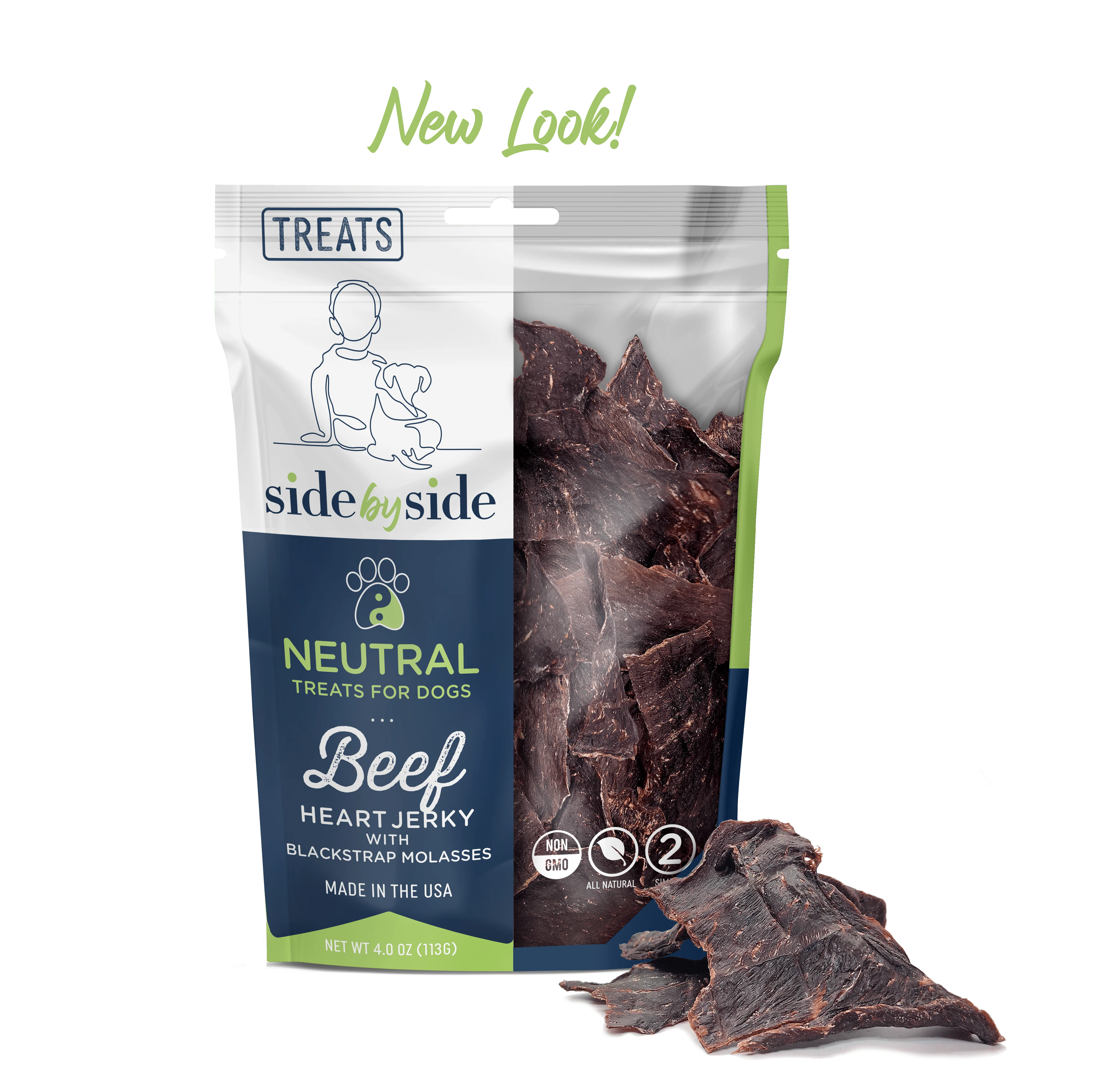
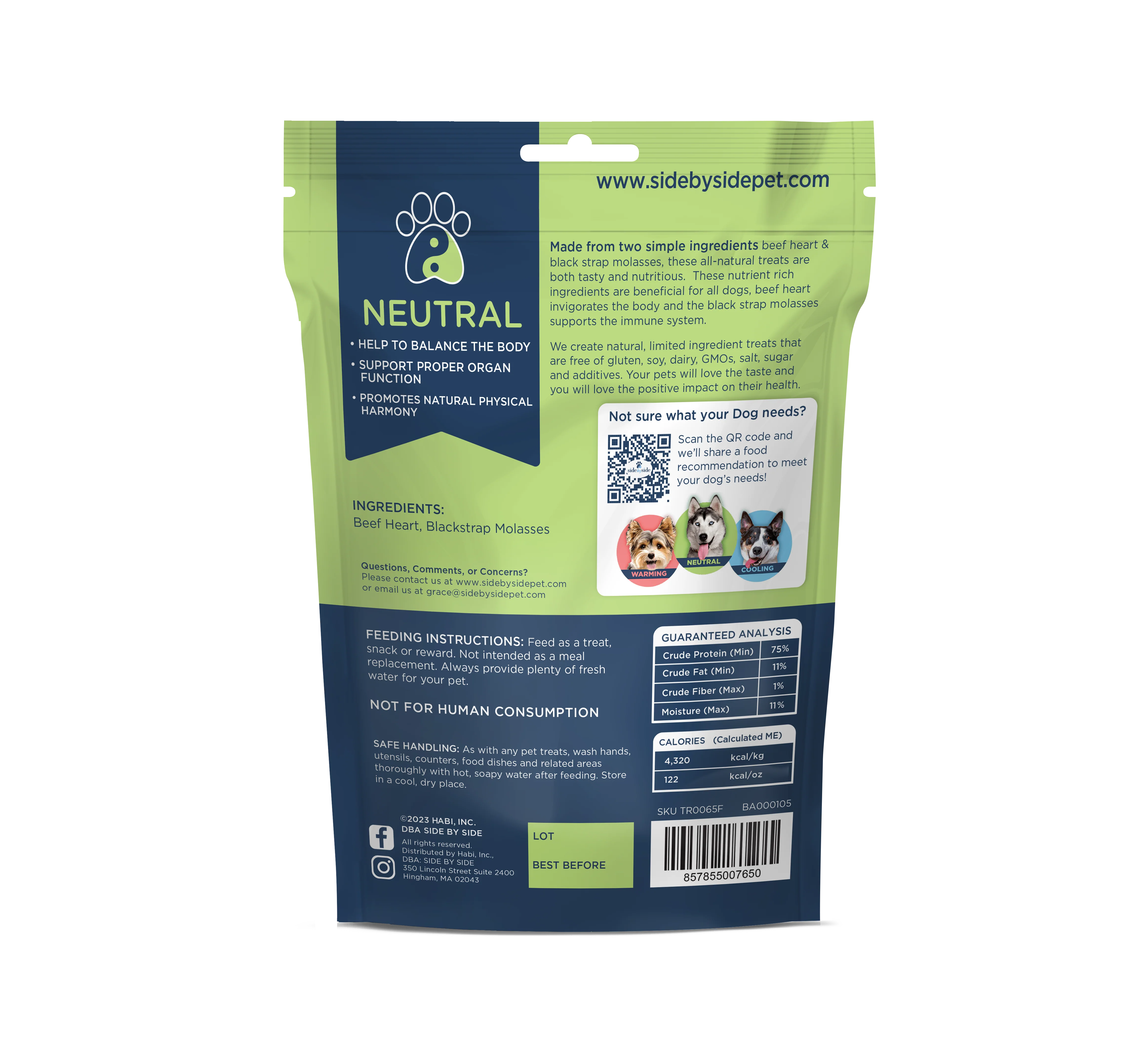
Yin and Yang also guide diet in TCVM. Foods have cooling, warming, or neutral energetic qualities. Choosing foods that suit your pet's pattern is called food therapy.
Cooling and nourishing foods support Yin. Warming foods support Yang. Foods within the fruit, vegetable, meat, and grain groups can have different energetic qualities, so the whole group is not always cooling or warming.
A suitable diet supports your pet's nutrition as well as their energetic needs. When your pet is out of balance, your TCVM veterinarian may adjust food choices to support a return to balance.
Choose pet-safe ingredients and a complete diet for your dog's or cat's needs. Spices and herbal teas are not automatic additions to a pet's diet, even when they have a place in human food therapy.
Want to learn more? Get a copy of our free ebook, Eastern Food Therapy for Pets: How to Use Food as Medicine for Health and Harmony.
Exercise and Yin-Yang Balance
Movement is another way to bring Yin and Yang into your pet's day. A mix of gentle and more active movement supports this balance.
For people, yoga, Tai Chi, and Qi Gong focus on flexibility, calm, and the flow of energy. We can use that same idea to create slow, focused activities for your pet.
Gentle Yin Activities
Yes, you can explore yoga with dogs! But you do not need to take it that far. Your dog or cat can experience a yin activity just by hanging out in the room while you do yoga. They might even join you on the mat and imitate you!
For your dog, move slowly through familiar cues such as sit, stay, and lie down. Let your dog hold a position briefly if it is comfortable. Keep the focus on calm attention and smooth movement, not how long they can stay still.
Cats can be trickier. Try moving a wand or string toy slowly so your cat stalks it with steady focus. A laser toy can also invite slow movement, but finish with a real toy your cat can catch. Supervise string toys and put them away after play.
Active Yang Activities
More active exercise brings Yang qualities such as strength, energy, and stamina. For your dog, and some cats, this may be a brisk walk around the block.
For an indoor cat, move a toy a little faster to invite a chase. Keep the pace safe for your cat's body, and let them catch the toy.
If your pet does not enjoy much movement, try a short "mealtime chase." Get their attention as you prepare food, then invite them to walk with you toward the feeding area. You can also use a favorite treat or toy. Keep it easy, and do not delay a needed meal or push a tired pet.
Adjusting the Environment for Yin and Yang
Some pets choose surroundings that meet their needs. An older, quiet cat may rest in a warm window. A young, excited puppy may cool off in water after play.
But not every pet can make those choices. Our homes and routines may also limit their options.
When your pet's pattern calls for warmth, offer a sunny resting spot or snuggly blankets. Keep heaters out of reach and avoid hot surfaces.
When your pet needs cooling, provide shade, airflow, air conditioning, and fresh water. A supervised shallow pool may suit a dog who enjoys water.
A pet with a Cold or Yang-deficient pattern may need warmth, while a pet with Heat or Yin deficiency may need cooling support. A quiet or lively personality alone does not identify the pattern. Your TCVM veterinarian can help you match the setting to your pet.
Yin and Yang in Emotional Well-Being
Yin and Yang also give us a way to think about calm and lively emotions.
Yin-like qualities include quiet, calm, and reflection. Yang-like qualities include joy, enthusiasm, and confidence. Your pet needs room for both calm time and happy activity.
Here are simple ways you can support emotional balance:
- Safe space: Give your pet a quiet retreat with a soft bed and a favorite toy when life feels too busy.
- Exercise: Offer movement that fits your pet's health and energy.
- Mental activity: Use games and toys that invite interest without stress.
- Supplement guidance: Ask your veterinarian whether a supplement fits your pet's needs.
- Notice changes: Contact your veterinarian if your pet's mood or behavior seems different.
Sleep and Rest: Yin's Restorative Power
Sleep and rest help your pet recharge and recover. In TCVM, this quiet, nourishing time is linked with Yin.
Good sleep and rest breaks support the balance between your pet's active and restful periods.
If your dog has trouble sleeping at night, start with a steady bedtime routine. If that does not help, ask your veterinarian about the cause and whether K9 Select Beef-Flavored 3mg Melatonin is appropriate.
- Melatonin: The active ingredient is a hormone involved in the natural sleep-wake cycle. It can provide sleep and settling support when chosen for your dog.
Your veterinarian can guide the dose and timing. Use the recommended dose, or as directed by your veterinarian, for the recommended duration, or as directed by your veterinarian. Review use with other medicines before starting.
Personalized TCVM Guidance
If you ever feel like you need extra help managing your pet's health naturally or with TCVM herbal blends, we can help.
TCVM Pet Supply co-founding veterinarians Dr. Marc Smith and Dr. Casey Damron offer TCVM telemedicine consultations.
A consultation provides personalized recommendations specific to your pet, including:
- Evaluation: TCVM evaluation.
- Nutrition: Food therapy recommendations.
- Herbal support: TCVM herb recommendations and veterinary authorization.
- Supplements: Supplement recommendations.
- Additional care: Alternative medicine recommendations.
If you reside in the Middle Tennessee area or would like to commute, you may choose an in-clinic appointment instead.
You can learn more about each veterinarian and contact the clinic you prefer directly:
- Marc Smith, DVM, MS: Natchez Trace Veterinary Services consultations.
- Casey Damron, DVM, CVA: White Oak Animal Hospital consultations.
We hope this helps you support your pet and wish you the best in helping them feel better. If you have questions, please let us know. Telemedicine does not replace urgent or emergency veterinary care.
Frequently Asked Questions
Why does my pet need both Yin and Yang?
Yin and Yang work together. Your pet needs rest and nourishment as well as warmth and activity. In TCVM, we look at the balance between these qualities and choose care that fits your pet.
How does food therapy support Yin-Yang balance?
Food therapy uses the cooling, warming, or neutral qualities of foods to suit your pet's pattern. Your veterinarian can help you choose safe foods while keeping the diet nutritionally complete.
What are easy Yin and Yang activities for my pet?
Slow cue practice or gentle stalking games can provide calm, Yin-like activity. A brisk walk or safe toy chase offers more active, Yang-like movement. Adjust both to your pet's comfort and ability.
How do I know whether my pet needs warmth or cooling?
Watch where your pet chooses to rest, but do not use that alone to decide their pattern. A TCVM veterinarian can look at your pet's full health picture and help you choose the right food and surroundings.
The Bottom Line
Yin and Yang offer a way to understand balance in your pet's physical and emotional well-being. Food therapy, suitable exercise, comfortable surroundings, and rest all play a part.
We can help you bring these ideas into your pet's care. Request a TCVM telemedicine consultation for guidance that fits your pet.
Related post

13
Oct

13
Oct
TCVM Pet Health Insights
Why Some Herbal Formulas Require Veterinary Authorization, and Why That's a Good Thing
Read more
25
Feb

30
Jan

24
Oct