
Inside Scoop: TCVM Veterinarians Share Holistic Dog Arthritis Protocol
We are so sorry for the challenges you are facing with your dog's arthritis. Dogs can experience debilitating arthritis discomfort, much like people, and it can be difficult to watch changes in their mobility.
In this article, we're sharing the dog arthritis protocol TCVM veterinarians Dr. Marc Smith and Dr. Casey Damron recommend in their Tennessee clinics.
A whole-dog approach gives you practical options to discuss with your veterinarian, from food therapy and joint support to acupuncture and personalized herbs.
Key Takeaways
- Recognize changes: Stiffness, limping, difficulty rising, reluctance to move, and behavior changes can signal joint discomfort.
- Nutrition and body condition: The protocol emphasizes moisture-rich food and appropriate weight management to support joints.
- Complementary support: Comfort and Harmonize Joint have different roles within the protocol.
- TCVM food therapy: Kidney treats are included through the traditional principle that Kidney governs bones and joints.
- Personalized care: Acupuncture and TCVM herbs are tailored to your dog. Coordinate supplements and medications with your veterinarian.
What Does Dog Arthritis Look Like?
Many pet parents notice changes in movement and behavior before their veterinary visit. Your veterinarian can help confirm the cause and guide an appropriate plan.
Telltale signs discussed in this article include:
- Limping, lameness, or stiff legs
- Yelping when touched
- Behavior changes or irritability
- Reluctance to move
- Difficulty rising after resting or sleeping
- Overall tiredness
- Muscle atrophy
Dogs can be very stoic, so their discomfort may be less obvious than you expect.
There are changes you can make at home to support your dog’s comfort. We’ll go over our veterinarians’ protocol here, and you can learn more in their ebook Dog Arthritis 101: Make Your Dog Feel Better.
Get Your Free Copy of Dog Arthritis 101: Make Your Dog Feel Better
Step 1: Feed Wet Food or Home Cook
Dr. Smith and Dr. Damron emphasize a wet diet as an important step for supporting your dog. They particularly favor a home-cooked wet diet.
The protocol also includes freeze-dried raw food as an option. Rehydrate it properly before feeding.
Home-cooked diets and wet food can be part of a plan to maintain an appropriate weight. Less excess weight means less stress on your dog’s bones and joints; portions and total calories remain important.
Wet diets also contribute moisture. Hydration is a concern for older pets and is an important part of daily care.
PET | TAO Chill and Blaze are choices discussed for arthritic dogs within the protocol.
Have you tried cooking for your dog? PET | TAO Holistic Pet Products has a detailed recipe page and a chart to help you consider which diet fits your dog. Your veterinarian can help tailor the choice.
- Visit the PET | TAO Recipe Page
- See the PET | TAO Cooling (Chill) Recipe
- See the PET | TAO Warming (Blaze) Recipe
Step 2: Ease Your Dog’s Discomfort Naturally
Dr. Smith and Dr. Damron recommend Comfort as an option for supporting dogs with arthritis-related discomfort.
Comfort contains yucca, boswellia, MSM, meadowsweet, cornus, licorice, ginger, and manganese. The protocol also discusses its use for discomfort associated with injuries or overexertion.
Both veterinarians use Comfort post-surgically in their clinics when pet parents want an individualized approach that may reduce reliance on pharmaceuticals. The original protocol discusses it as an alternative option to Rimadyl under their veterinary direction.
Your veterinarian can determine how Comfort fits with your dog’s other supplements and medications, and guide any changes or combinations.
The author also shares that she personally keeps a jar on hand for injuries her dogs may experience.
Important cat safety note: Do not give Comfort to your cat. The original protocol identifies meadowsweet’s salicylate content as a safety concern for cats.
Step 3: Provide Joint Support
As dogs age, cartilage surfaces in their joints can thin and deteriorate.
Cartilage breakdown and enzymes involved in the process contribute to inflammation in the joint capsule. Inflammation can create excess joint fluid, and additional bony growths called osteophytes may develop, adding to discomfort.
As cartilage thins, the joint space narrows and the underlying bones can change.
The protocol emphasizes joint-supporting supplements as part of helping your dog stay more comfortable.
Dr. Smith and Dr. Damron recommend Harmonize Joint.
The original article lists glucosamine, vitamin C, green-lipped mussel, MSM, sea cucumber, polygonum, angelica sinensis, rehmannia, alfalfa, manganese, and vitamin E as its ingredients.
These ingredients are selected for their combined actions supporting joint lubrication and tissue maintenance.
Learn More About Harmonize Joint
Step 4: Feed Your Dog Kidney
Kidney food therapy is another part of this protocol. The veterinarians explain it through the Traditional Chinese Medicine principle that “Kidney governs the bones and joints.”
Feeding kidney is used in a “like treats like” approach, related to the rationale behind glandular support. The original article also compares this idea with homeopathic approaches.
Dr. Smith and Dr. Damron report positive experiences using kidney food therapy in their clinics.
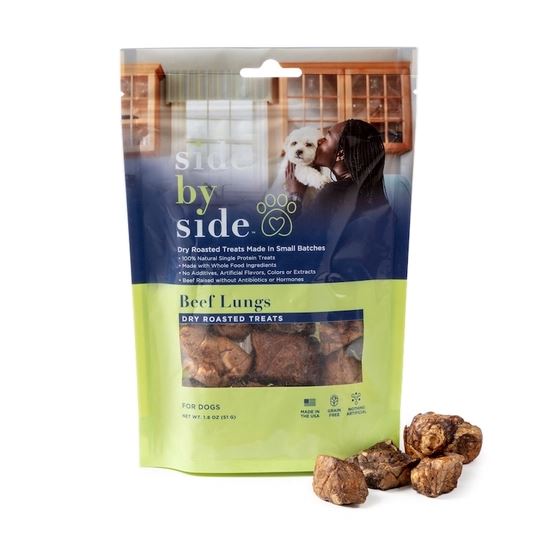
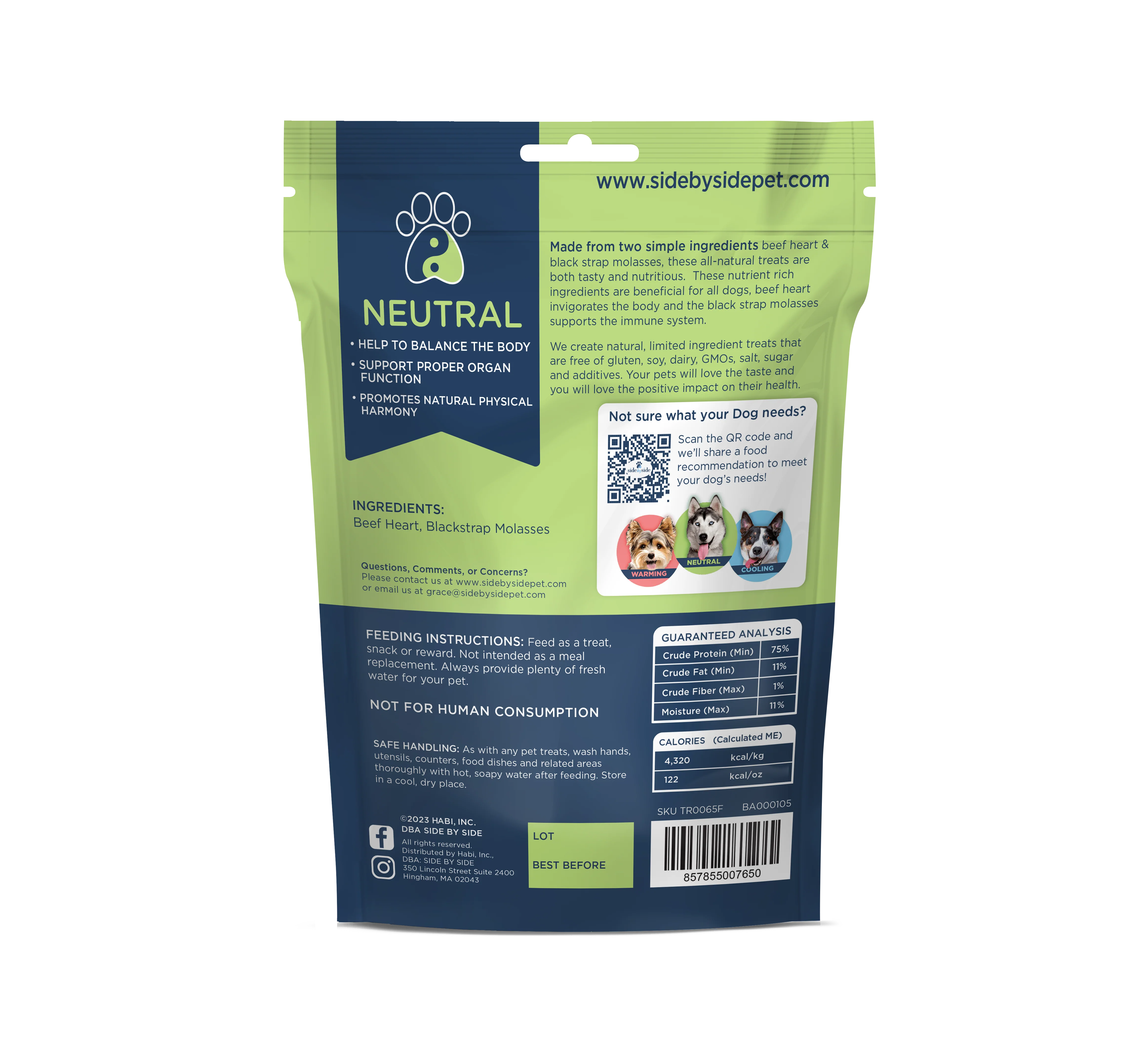
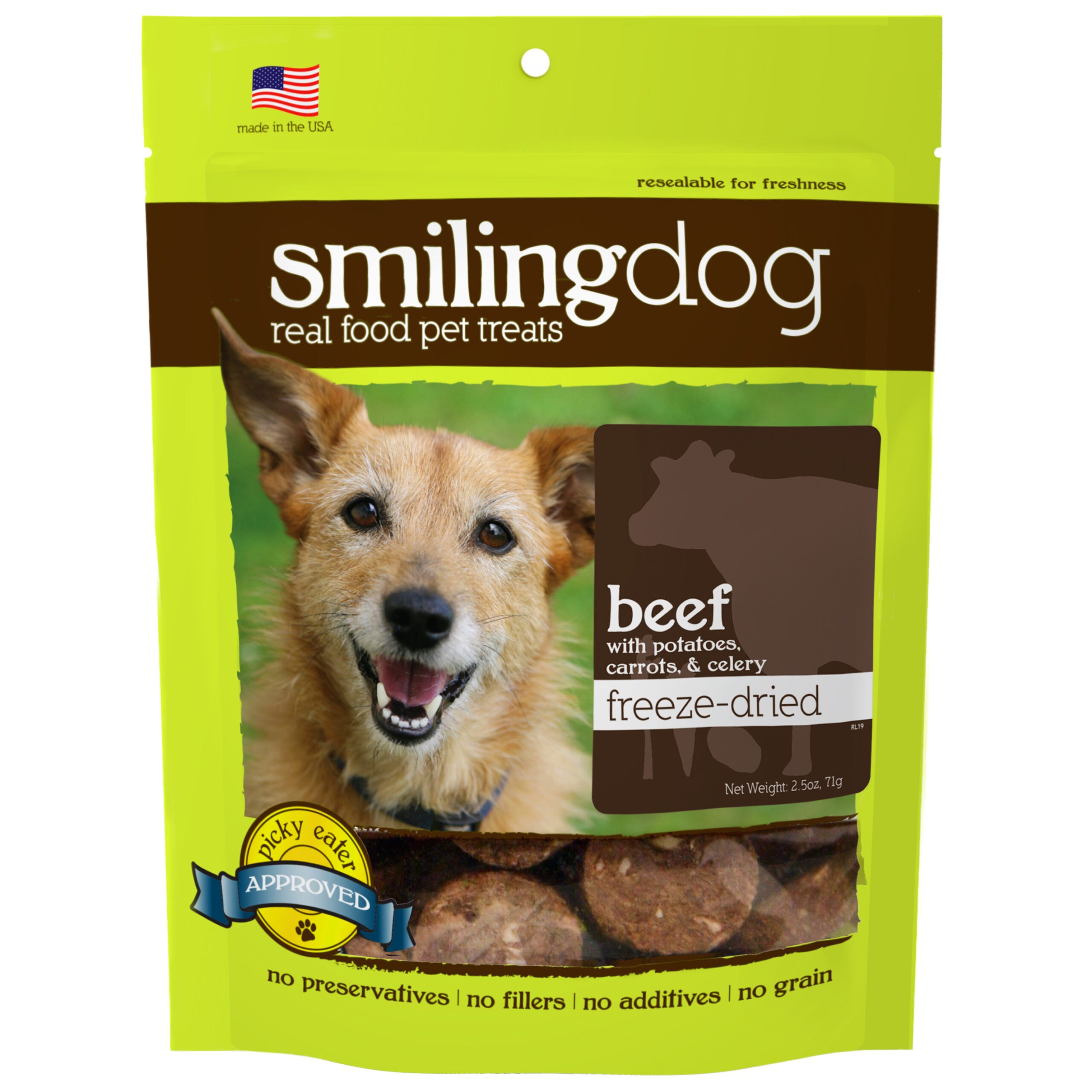
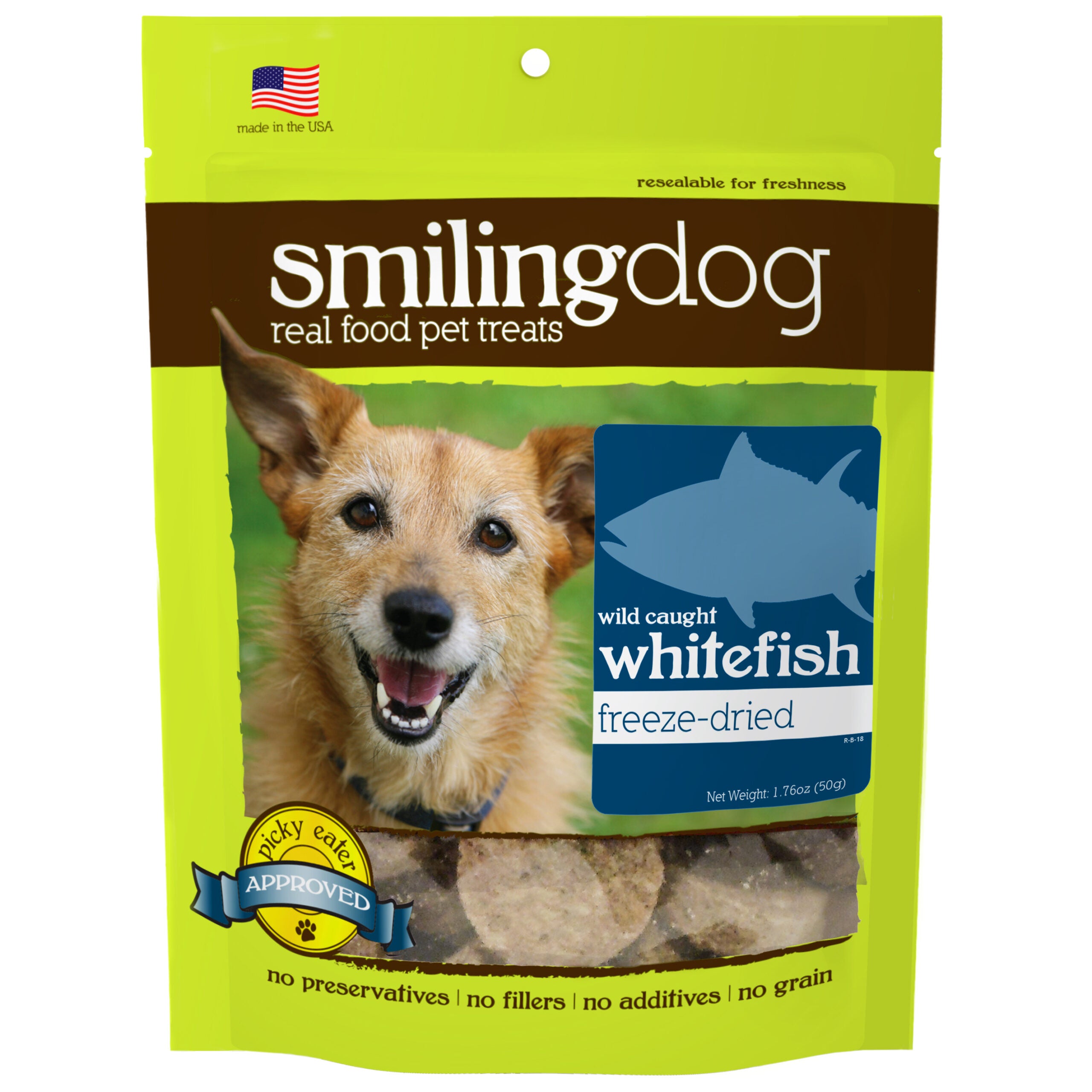
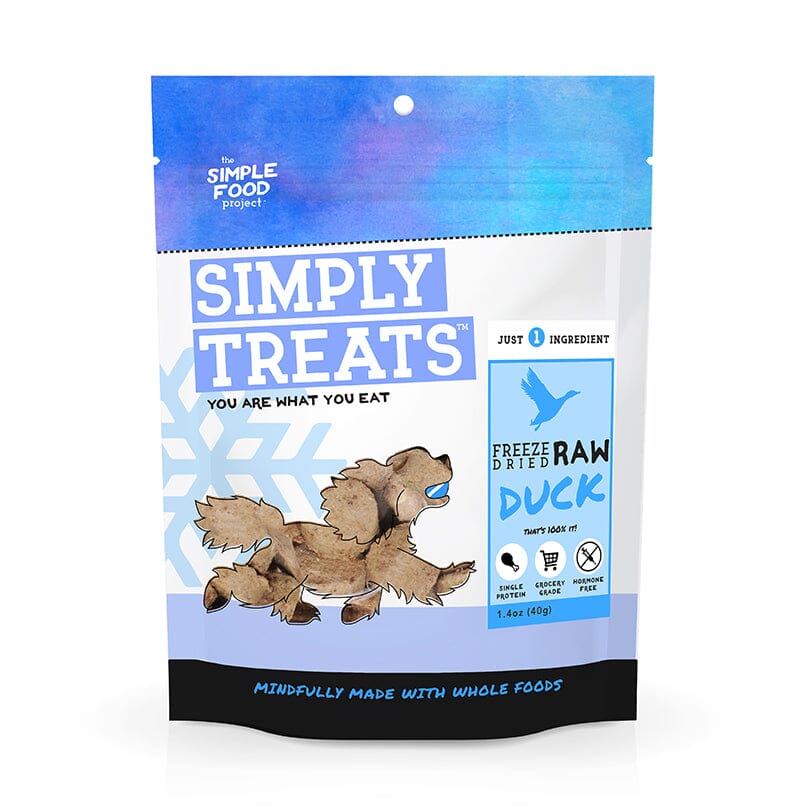
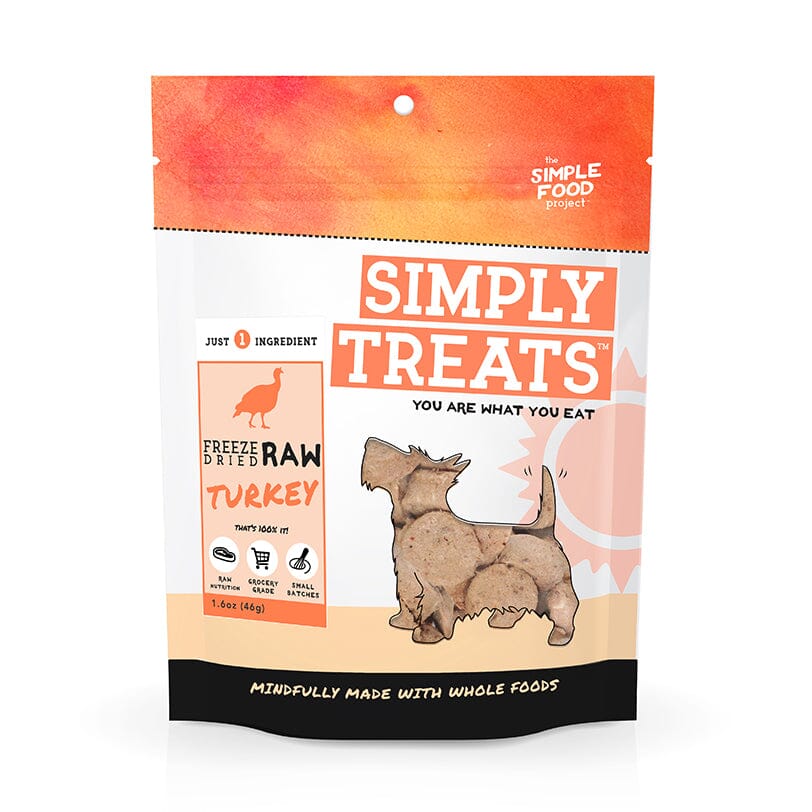
If you do not source kidney through a butcher, freeze-dried kidney treats offer a convenient option.
Learn More About Freeze-Dried Kidney Treats
Step 5: Acupuncture and TCVM Herbal Formulas
For both veterinarians, acupuncture and TCVM herbal formulas are central parts of their approach to dogs with arthritis, and they use them together in individualized care plans.
Acupuncture
Acupuncture is a form of Traditional Chinese Medicine used to address imbalances of energy, often called Qi or Chi, in the body.
Practitioners use very fine stainless-steel needles to stimulate points along the body’s traditional energy channels.
The original protocol also discusses endorphin release as one way acupuncture may support comfort.
Personalized TCVM Herbs
Acupuncture can be paired with a TCVM herbal formula selected for your dog. Examples discussed in the protocol include:
We can help you get TCVM herbs. Veterinary authorization is required, and a consultation with one of our veterinarians can guide formula selection and authorization.
Interested in trying a TCVM herbal formula? Submit Your Authorization Request or Request a TCVM Telemedicine Consultation
Veterinary Expertise and Personalized Integrative Care
If you cannot find a TCVM veterinarian in your area, or you need extra help or a second opinion, Dr. Smith and Dr. Damron are happy to help.
Both offer TCVM telemedicine consultations and can work with your veterinarian to support integrative care.
A consultation provides personalized recommendations specific to your pet, including:
- Herbal support: TCVM herb recommendation and authorization.
- Nutrition: Food therapy recommendations.
- Supplements: Supplement recommendations.
- Additional care: Alternative medicine recommendations.
- Marc Smith, DVM, MS - Natchez Trace Veterinary Services
- Casey Damron, DVM, CVA - White Oak Animal Hospital
I hope this information helps you.
If you have any other questions or if we can help you in any way, just let us know!
Frequently Asked Questions
What changes may indicate arthritis in my dog?
The article discusses limping, stiff legs, difficulty rising, reluctance to move, yelping when touched, irritability, tiredness, and muscle loss. Dogs may hide discomfort, so share changes with your veterinarian to confirm the cause and build a care plan.
Why does the protocol emphasize wet or home-cooked food?
Dr. Smith and Dr. Damron favor moisture-rich nutrition to support hydration and appropriate body condition. Maintaining an appropriate weight reduces excess stress on joints. The article includes cooling and warming food therapy options, home-cooked recipes, and properly rehydrated freeze-dried food.
How do Comfort and Harmonize Joint differ?
The protocol discusses Comfort for discomfort support, while Harmonize Joint focuses on joint support, lubrication, and tissue maintenance. Your veterinarian can help decide how they fit your dog’s needs and coordinate them with medications. Do not give Comfort to cats.
How do acupuncture and TCVM herbs fit into arthritis care?
The veterinarians use acupuncture and individualized TCVM herbal formulas together as part of their arthritis approach. Acupuncture is discussed through traditional energy balance and comfort support, while herbal selection depends on your dog’s pattern and needs. Veterinary authorization is required to purchase TCVM formulas.
The Bottom Line
This five-step dog arthritis protocol combines moisture-rich nutrition, comfort and joint support, kidney food therapy, acupuncture, and personalized TCVM herbs. A coordinated plan with your veterinarian helps you focus on your dog’s mobility, daily comfort, and quality of life.
Related post

25
Feb

30
Jan

24
Oct
TCVM Pet Health Insights
Dealing with Dog Allergies? Discover How a Limited-Ingredient Diet Can Help
Read more
21
Oct

22
Apr