
Traditional Chinese Medicine Offers a Holistic Treatment for Arthritis in Cats
We’re sorry for the challenges you’re facing with your cat’s arthritis. Cats can experience debilitating stiffness and discomfort, and they often hide how much it affects them.
Here, we share the holistic approaches our founding veterinarians, Dr. Marc Smith and Dr. Casey Damron, recommend in their Tennessee clinics.
Key Takeaways
- Recognize changes: Stiffness, limping, irritability, and difficulty rising warrant veterinary assessment.
- Nutrition: Wet or appropriately planned home-cooked food supports hydration and healthy weight management.
- Joint support: Supplements and Kidney food therapy offer different supportive approaches.
- Individualized care: Acupuncture and TCVM herbs are selected for your cat’s pattern and needs.
- Product selection: Veterinary review is important, especially for dog-labeled supplements and prescription medications.
What Does Arthritis in Cats Look Like?
You may notice changes at home before discussing them with your veterinarian. Common signs include:
- Movement: Limping, lameness, or stiff legs.
- Sensitivity: Yelping when touched.
- Behavior: Behavior changes or irritability.
- Activity: Reluctance to move.
- Rising: Difficulty getting up after resting or sleeping.
- Energy: Overall tiredness.
- Muscles: Muscle atrophy.
Cats are stoic and may feel more discomfort than their behavior suggests. Your veterinarian should assess these changes and confirm the diagnosis. There are also practical steps you can take at home to support comfort.
Feed Your Cat Wet Food
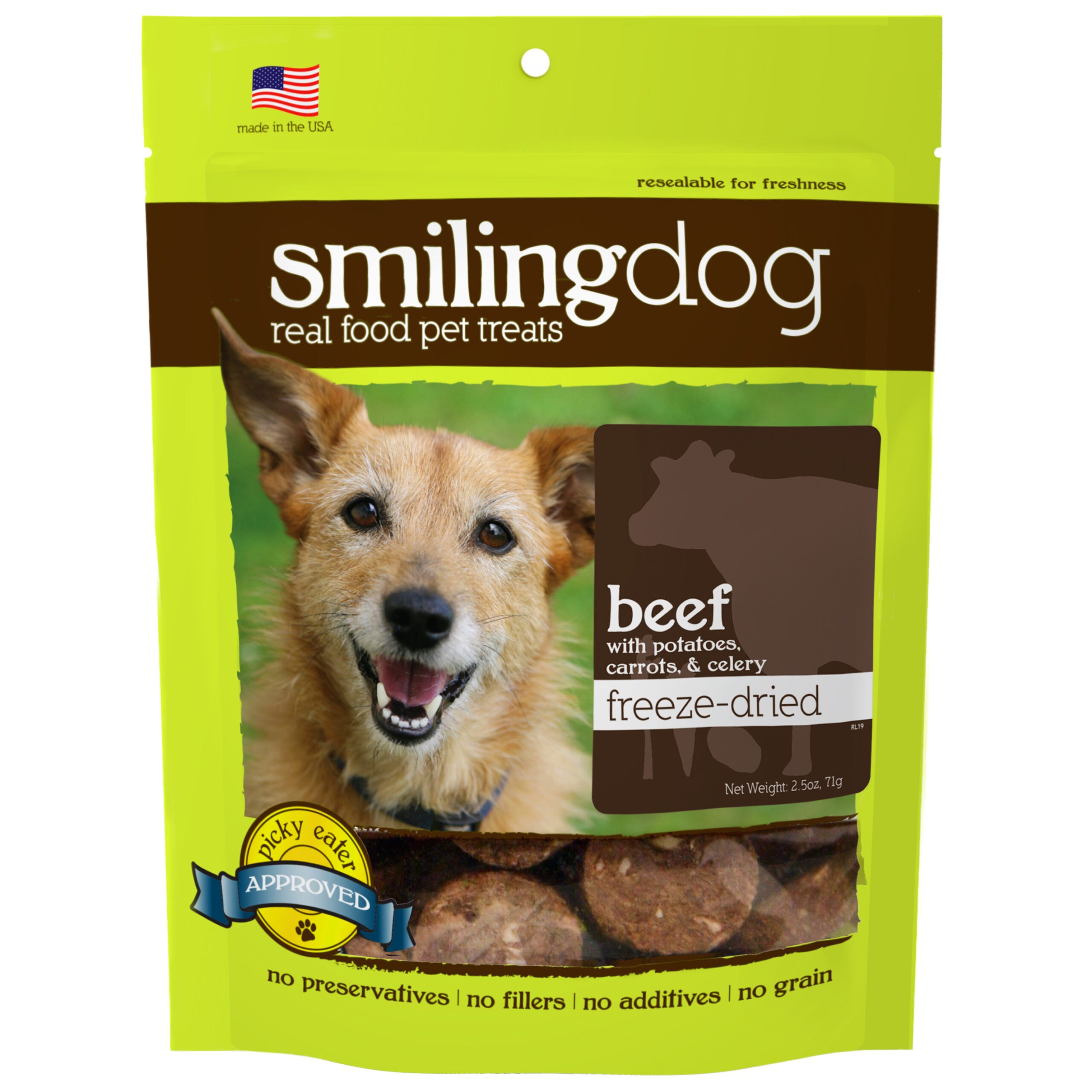
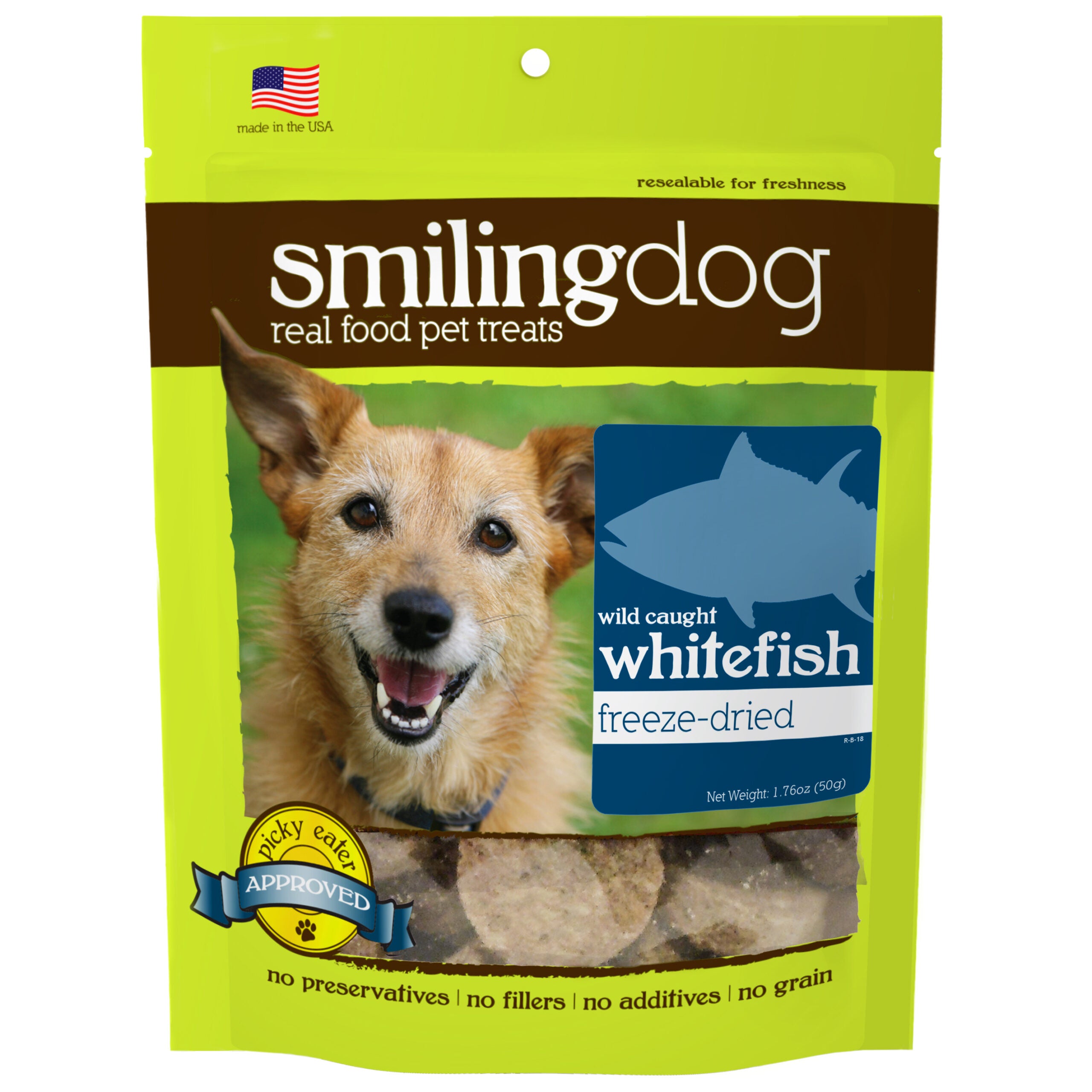
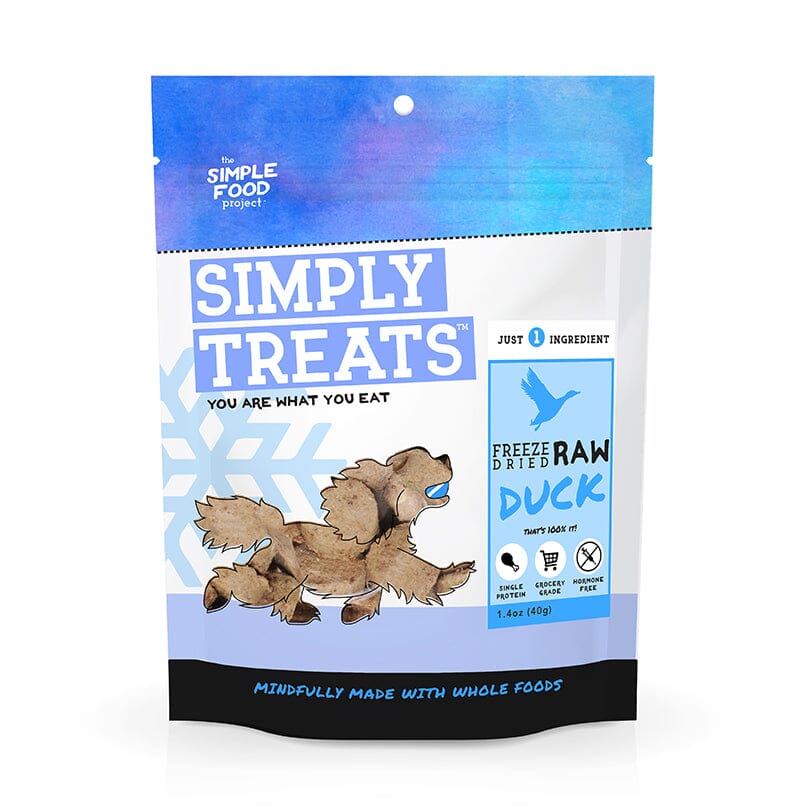
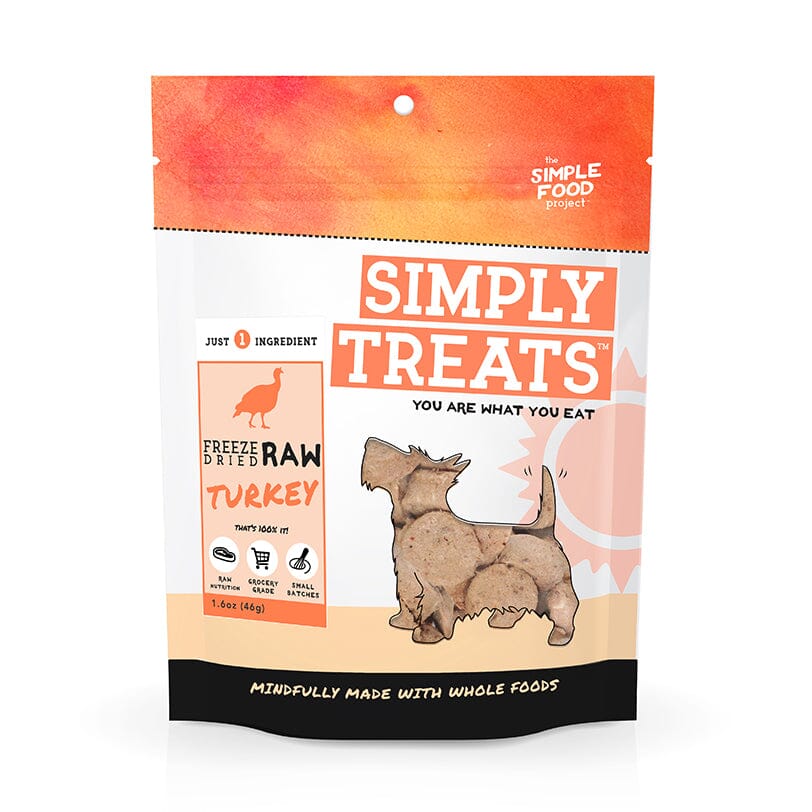
Dr. Smith and Dr. Damron recommend a wet diet for cats and favor an appropriately planned home-cooked wet diet. Freeze-dried raw food is another option discussed in their food therapy approach; rehydrate it properly before feeding, or as directed by your veterinarian.
Wet and home-cooked diets can be part of healthy weight management when portions are appropriate. Avoiding excess weight reduces additional stress on bones and joints.
Have you tried cooking for your cat? Visit PET | TAO’s recipe page and scroll to the cat slow-cooker recipes. The descriptions help you explore which recipe matches your cat’s behavior and energetic pattern, while food lists and instructions explain preparation.
Wet and home-cooked food also support hydration, which is especially important as cats age. Work with your veterinarian to ensure the chosen diet meets your cat’s nutritional needs.
Provide Joint Support
As cats age, cartilage surfaces may thin and deteriorate. Cartilage damage and inflammatory processes can affect the joint capsule, contribute to excess joint fluid, and cause discomfort. Extra bony growths called osteophytes may also develop.
As cartilage thins, joint space narrows and surrounding bone can change. A veterinary treatment plan and appropriate support can help your cat maintain comfort and mobility.
PET | TAO Harmonize Joint
Dr. Smith and Dr. Damron recommend PET | TAO Harmonize Joint within their joint-support approach. Its ingredients work together to support cartilage, lubrication, and connective tissues.
Our veterinarians’ feline-use approach is to crush the tablet and mix the powder into wet food, or follow your veterinarian's instructions. Have your veterinarian confirm suitability and the feline dose rather than following the dog label.
Active ingredients and their roles include:
- Glucosamine sulfate: Supplies building blocks for cartilage and synovial fluid, supporting joint lubrication and cartilage integrity.
- Calcium ascorbate (vitamin C): Supports collagen synthesis and antioxidant protection for cartilage, tendons, and ligaments.
- Green-lipped mussel (Perna canaliculus): Provides glycosaminoglycans and omega fatty acids to support lubrication, joint comfort, and normal inflammatory pathways.
- MSM (methylsulfonylmethane): Supplies sulfur for collagen and connective tissue synthesis.
- Hai Shen, sea cucumber: Provides connective-tissue compounds supporting cartilage hydration and lubrication; traditionally tonifies Kidney Yang and nourishes Jing.
- He Shou Wu (Polygonum multiflorum), fleece flower root: Nourishes Liver and Kidney Yin, Blood, and Jing in TCVM to support sinews and bones.
- Dang Gui (Angelica sinensis), dong quai: Nourishes and invigorates Blood, supporting circulation and tendon nourishment in TCVM.
- Shu Di Huang (Rehmannia glutinosa), rehmannia root: Tonifies Kidney and Liver Yin and nourishes Jing in TCVM.
- Alfalfa powder: Provides plant nutrients supporting overall nutritional balance and connective tissue health.
- Manganese ascorbate: Supplies manganese for cartilage glycosaminoglycan synthesis and ascorbate for antioxidant support.
- Vitamin E: Helps protect cell membranes and joint tissues from oxidative damage.
Learn more about Harmonize Joint on the PET | TAO website.
Feed Your Cat Kidney
Yes, feeding kidney is part of our veterinarians’ TCVM food therapy approach. In Traditional Chinese Medicine, the Kidney governs bones and joints.
Feeding kidney uses the traditional “like treats like” approach, sometimes compared with glandular food therapy, to nourish the Kidney functional system. Dr. Smith and Dr. Damron use it in their clinics as part of supporting cats with arthritis.
If kidney is difficult to source from a butcher, PET | TAO Freeze-Dried Beef Kidney Treats offer a convenient option.
- Beef kidney: The single ingredient provides organ-based nutrition and, in TCVM food therapy, nourishes Kidney Jing and the Kidney meridian associated with bones, joints, and aging.
Acupuncture and TCVM Herbal Formulas
For both veterinarians, acupuncture and individualized herbal formulas are important parts of supporting cats with arthritis, and they often use the approaches together.
Acupuncture is a traditional Chinese medicine approach to balancing Qi, or energy. Fine stainless-steel needles stimulate selected points associated with the body’s channels. Acupuncture may also support comfort through endorphin release.
Herbal formulas are matched to your cat’s TCVM pattern rather than chosen solely by the arthritis diagnosis. The ingredient actions below describe traditional TCVM roles, not guarantees of a particular outcome.
Herbsmith Rx Du Huo Ji Sheng Tang
Du Huo Ji Sheng Tang dispels Wind-Cold-Damp obstruction while nourishing Liver, Kidney, Qi, and Blood in deficiency-related musculoskeletal patterns.
- Du Huo (Angelica pubescens), pubescent angelica root: Dispels Wind-Cold-Damp from the lower back and limbs.
- Sang Ji Sheng, mulberry mistletoe stem: Nourishes Liver and Kidney and strengthens sinews and bones.
- Sheng Di Huang (Rehmannia glutinosa), raw rehmannia root: Nourishes Yin and Blood and clears deficiency Heat.
- Fu Ling (Poria cocos), poria: Supports the Spleen, drains Dampness, and calms the Shen.
- Bai Shao (Paeonia lactiflora), white peony root: Nourishes Blood and softens tense sinews.
- Niu Xi (Achyranthes bidentata), achyranthes root: Strengthens sinews and bones, invigorates Blood, and guides actions to the lower limbs.
- Qin Jiao, gentian root: Dispels Wind-Damp, relaxes sinews, and clears the Heat component of obstruction.
- Zhi Gan Cao (Glycyrrhiza uralensis), honey-fried licorice: Tonifies Spleen Qi and harmonizes the formula.
- Chuan Xiong (Ligusticum chuanxiong), ligusticum rhizome: Invigorates Blood, moves Qi, and disperses Wind.
- Du Zhong (Eucommia ulmoides), eucommia bark: Tonifies Liver and Kidney and strengthens the lumbar region, sinews, and bones.
- Ren Shen (Panax ginseng), ginseng root: Tonifies Qi and supports fluid generation.
- Dang Gui (Angelica sinensis), dong quai root: Nourishes and invigorates Blood.
- Fang Feng, siler root: Gently disperses Wind and Dampness from the channels.
- Rou Gui (Cinnamomum cassia), cinnamon bark: Warms Kidney Yang and opens Cold-obstructed channels.
- Xi Xin, Chinese wild ginger: Warms channels and disperses deeply lodged Cold; veterinary selection and medication review are important.
Herbsmith Rx Di Gu Pi San
Di Gu Pi San nourishes Yin and clears deficiency Heat, offering a different approach from warming formulas.
- Di Gu Pi, lycium root bark: Clears deep deficiency Heat and supports Lung Yin.
- Chai Hu, bupleurum root: Vents Heat outward and supports smooth Liver Qi.
- Zhi Mu (Anemarrhena asphodeloides), anemarrhena rhizome: Clears Heat while moistening Yin fluids.
- Zhi Gan Cao (Glycyrrhiza uralensis), honey-fried licorice: Harmonizes the formula and supports Spleen Qi.
- Bie Jia, Chinese softshell turtle shell: Nourishes Yin, anchors Yang, and clears deficiency Heat.
- Huang Qin, baical skullcap root: Clears Heat and Damp-Heat from the upper body.
- Ren Shen (Panax ginseng), ginseng root: Tonifies Qi and generates fluids.
- Chi Fu Ling, red poria: Supports the Spleen, fluid metabolism, and a calm Shen.
Herbsmith Rx Si Jun Zi Tang
Si Jun Zi Tang is a foundational Qi tonic for Spleen deficiency patterns involving low vitality, digestive weakness, or muscle weakness.
- Ren Shen (Panax ginseng), ginseng root: Tonifies original Qi and Spleen and Lung Qi.
- Bai Zhu (Atractylodes macrocephala), white atractylodes rhizome: Strengthens the Spleen and dries Dampness.
- Fu Ling (Poria cocos), poria: Strengthens the Spleen, leaches Dampness, and calms the Shen.
- Zhi Gan Cao (Glycyrrhiza uralensis), honey-fried licorice: Tonifies digestive Qi and harmonizes the other herbs.
Jing Tang Dok’s Formula
Dok’s Formula tonifies Kidney Yang, warms channels, disperses Wind-Cold-Damp, and moves Qi and Blood for cold-type stiffness and weakness. Do not use when Yin-deficient signs such as excessive thirst, panting, or Heat intolerance are present. Stop administration and contact your veterinarian if vomiting or diarrhea develops.
- Du Huo (Angelica pubescens), pubescent angelica root: Dispels Wind-Cold-Damp from the lower body.
- Qiang Huo, notopterygium root: Opens upper and outer limb channels and disperses Wind-Cold-Damp.
- Du Zhong (Eucommia ulmoides), eucommia bark: Strengthens sinews and bones and supports Liver and Kidney.
- Bu Gu Zhi (Psoralea corylifolia), psoralea fruit: Warms Kidney Yang and supports bones and tendons.
- Ba Ji Tian (Morinda officinalis), morinda root: Tonifies Kidney Yang and strengthens sinews.
- Xu Duan (Dipsacus asper), teasel root: Supports Liver and Kidney, sinews, bones, and Blood movement.
- Gu Sui Bu (Drynaria fortunei), drynaria rhizome: Tonifies Kidney and supports bone repair in TCVM.
- Rou Gui (Cinnamomum cassia), cinnamon bark: Warms Yang and disperses Cold.
- Wu Yao (Lindera aggregata), lindera root: Moves Qi and warms Cold-obstructed channels.
- Rou Dou Kou (Myristica fragrans), nutmeg: Warms the middle and lower Jiao and moves Qi.
- Xiao Hui Xiang (Foeniculum vulgare), fennel fruit: Warms the lower Jiao and disperses Cold stagnation.
- Dang Gui (Angelica sinensis), dong quai: Nourishes Blood and moistens sinews.
- Chuan Xiong (Ligusticum chuanxiong), ligusticum rhizome: Moves Qi and Blood and opens channels.
- Chuan Niu Xi (Cyathula officinalis), cyathula root: Invigorates Blood and guides actions toward the hind limbs.
- Ze Xie, water plantain rhizome: Drains Dampness from the lower Jiao.
- Gan Cao (Glycyrrhiza uralensis), licorice: Harmonizes the formula and supports digestive tolerance.
Jing Tang Wei Qi Booster
Wei Qi Booster tonifies Qi and Blood and supports defensive Qi and immune resilience. It is an individualized constitutional-support option rather than a general joint formula. The product page advises against use in Excess Heat conditions such as acute inflammation, infection, or high fever.
- Huang Qi (Astragalus membranaceus), astragalus root: Tonifies Spleen and Lung Qi and strengthens defensive Wei Qi.
- Dang Shen (Codonopsis pilosula), codonopsis root: Supports digestive Qi and vitality.
- Dang Gui (Angelica sinensis), dong quai: Nourishes and invigorates Blood.
- Bai Hua She She Cao (Oldenlandia diffusa), spreading hedyotis: Clears Heat and resolves toxins in TCVM.
- Ban Zhi Lian (Scutellaria barbata), barbat skullcap: Clears Heat toxins, moves Blood, and addresses swelling.
- Xuan Shen (Scrophularia ningpoensis), figwort root: Nourishes Yin, cools Blood, and clears Heat.
- Chen Pi (Citrus reticulata), tangerine peel: Regulates Qi and dries Dampness.
- Wu Yao (Lindera aggregata), lindera root: Moves Qi and warms the lower Jiao.
These formulas require veterinary authorization from your veterinarian or a consultation with one of our veterinarians. Review your cat’s medications and health conditions before adding herbs.
Interested in trying a TCVM herbal formula? Submit Your Authorization Request or Request a TCVM Telemedicine Consultation
Personalized TCVM Guidance
If you ever feel like you need extra help managing your cat’s arthritis naturally or with TCVM herbal blends, we can help. If you cannot find a veterinarian nearby, need additional support, or want a second opinion, Dr. Smith and Dr. Damron are happy to help.
TCVM Pet Supply co-founding veterinarians Dr. Marc Smith and Dr. Casey Damron offer TCVM telemedicine consultations and will work with your veterinarian to support integrative care.
A consultation provides personalized recommendations specific to your cat, including:
- Evaluation: TCVM evaluation.
- Nutrition: Food therapy recommendations.
- Herbal support: TCVM herb recommendations and veterinary authorization.
- Supplements: Supplement recommendations.
- Additional care: Alternative medicine recommendations.
If you reside in the Middle Tennessee area or would like to commute, you may choose an in-clinic appointment instead. Learn more about each veterinarian and contact your preferred clinic directly:
- Marc Smith, DVM, MS - Natchez Trace Veterinary Services
- Casey Damron, DVM, CVA - White Oak Animal Hospital
We hope this information helps you and wish you the best in helping your cat feel better. If you have any questions or if we can help in any way, just let us know!
Frequently Asked Questions
How can I recognize arthritis-related changes in my cat?
Watch for limping, stiffness, sensitivity to touch, irritability, reluctance to move, difficulty rising, tiredness, or muscle loss. Cats may hide discomfort, so a veterinary assessment is important even when changes seem subtle.
Why do your veterinarians recommend wet food?
Wet or appropriately planned home-cooked food supports hydration and can be part of healthy weight management. Avoiding excess weight reduces additional strain on joints. The linked recipe page offers feline slow-cooker options to review with your veterinarian.
Can I give Harmonize Joint to my cat?
Dr. Smith and Dr. Damron’s feline-use approach involves crushing tablets into wet food, or as directed by your veterinarian. Have your veterinarian confirm suitability and a cat-specific dose before use rather than following the dog label.
How do acupuncture and herbal formulas fit together?
Acupuncture supports comfort and TCVM channel balance, while herbs are selected for your cat’s individual pattern. Warming formulas, Yin-nourishing formulas, and Qi tonics have different roles and are not interchangeable. Your veterinarian can coordinate these options with food therapy and prescribed care.
The Bottom Line
Holistic support for arthritis in cats combines veterinary assessment with nutrition, hydration, joint support, Kidney food therapy, acupuncture, and individualized TCVM herbs. A coordinated plan can help you focus on your cat’s comfort and mobility while matching products to their specific needs.
Related post

25
Feb

30
Jan

24
Oct
TCVM Pet Health Insights
Dealing with Dog Allergies? Discover How a Limited-Ingredient Diet Can Help
Read more
21
Oct

22
Apr