
How to Ease Cat Asthma Symptoms Naturally Using Traditional Chinese Veterinary Medicine
We're so sorry for the challenges you are facing with your cat's asthma.
In this article, we'll discuss the recommendations our veterinarians make in their clinics to ease cat asthma symptoms, including food therapy, allergy support, supplements, and Chinese herbal medicine.
Key Takeaways
- Recognize the signs: Coughing, wheezing, and changes in breathing warrant veterinary attention.
- Explore food therapy: Lung treats are part of the TCVM food therapy approach discussed below.
- Support overall health: Learn about allergy management, limited-ingredient food, medicinal mushrooms, digestive enzymes, and probiotics.
- Get personalized guidance: Work with your veterinarian to select herbal support and recommendations specific to your cat.
What Causes Cat Asthma Symptoms?
Asthma is a debilitating condition that affects somewhere between 1% to 5% of cats. Cat asthma is a disease of the lower airways of the lungs.
Most researchers agree that cat asthma symptoms are caused by an allergic reaction to inhaled allergens. When inhaled, the particles stimulate the cat's immune system to an exaggerated response, resulting in an asthma attack.
What Are the Symptoms of Cat Asthma?
Cat asthma offers some tell-tale signs. If your cat experiences the following symptoms, please see your vet immediately.
Cats suffering from asthma often show signs of:
- Coughing: Coughing or hacking.
- Breathing difficulty: Difficulty breathing.
- Open-mouth breathing: Breathing with the mouth open.
- Rapid breathing: Breathing faster than usual.
- Vomiting: Episodes of vomiting.
- Wheezing: Wheezing sounds.
The signs can vary in intensity. Asthma can start as low-grade coughing, then move to increased respiratory effort and elevated respiratory rate. It can progress to an acute respiratory crisis.
If your cat is struggling to breathe or breathing with an open mouth, seek emergency veterinary care immediately.
How to Help Cat Asthma Symptoms Naturally Using TCVM
Luckily, cat asthma symptoms are highly treatable.
Below, we explain how our co-founding veterinarians, Dr. Marc Smith and Dr. Casey Damron, help ease cat asthma symptoms in their Tennessee veterinary clinics.
Feed Lung
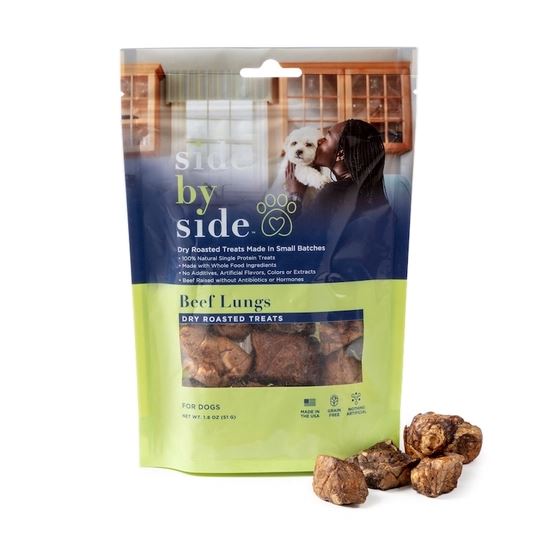
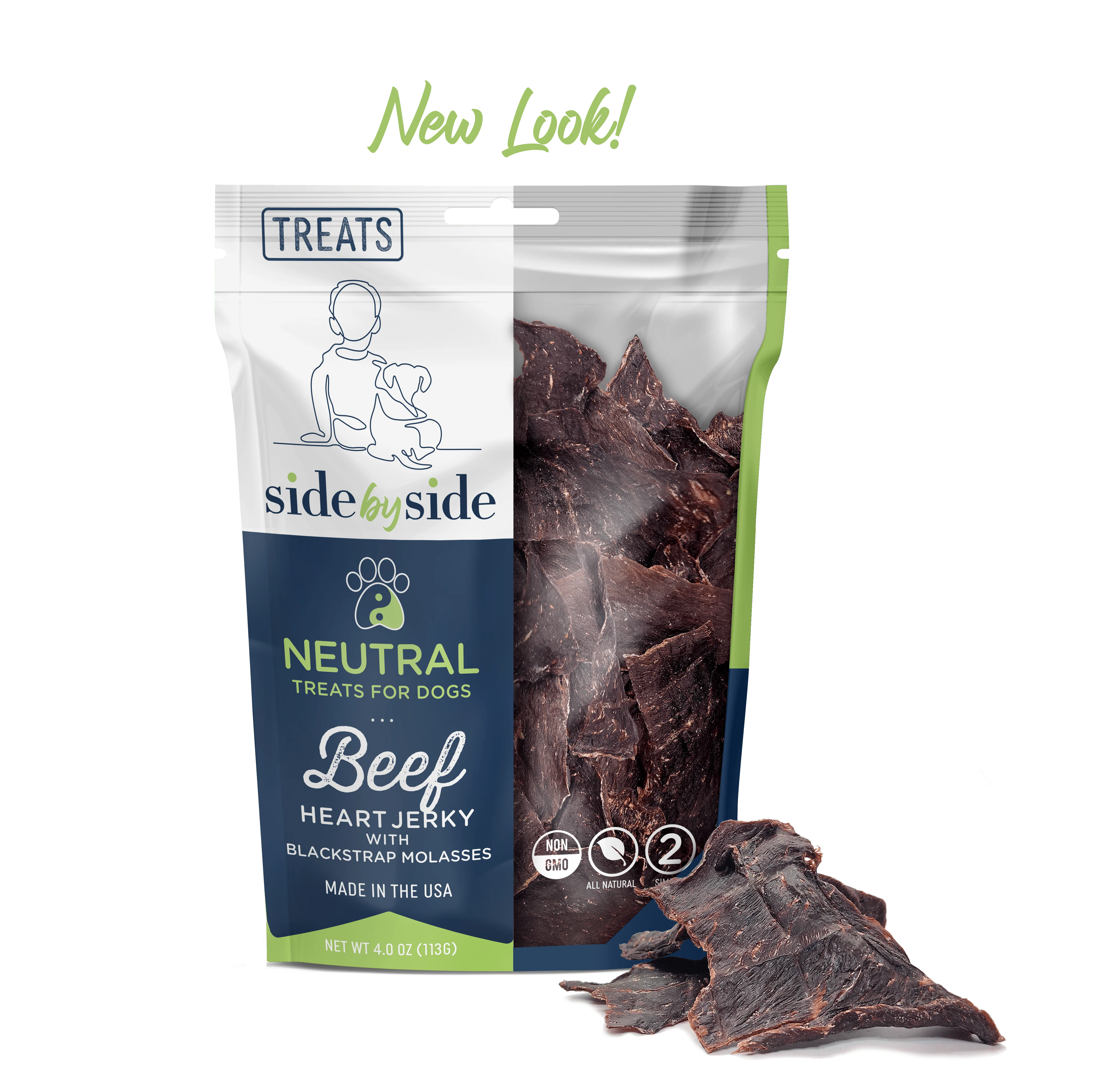
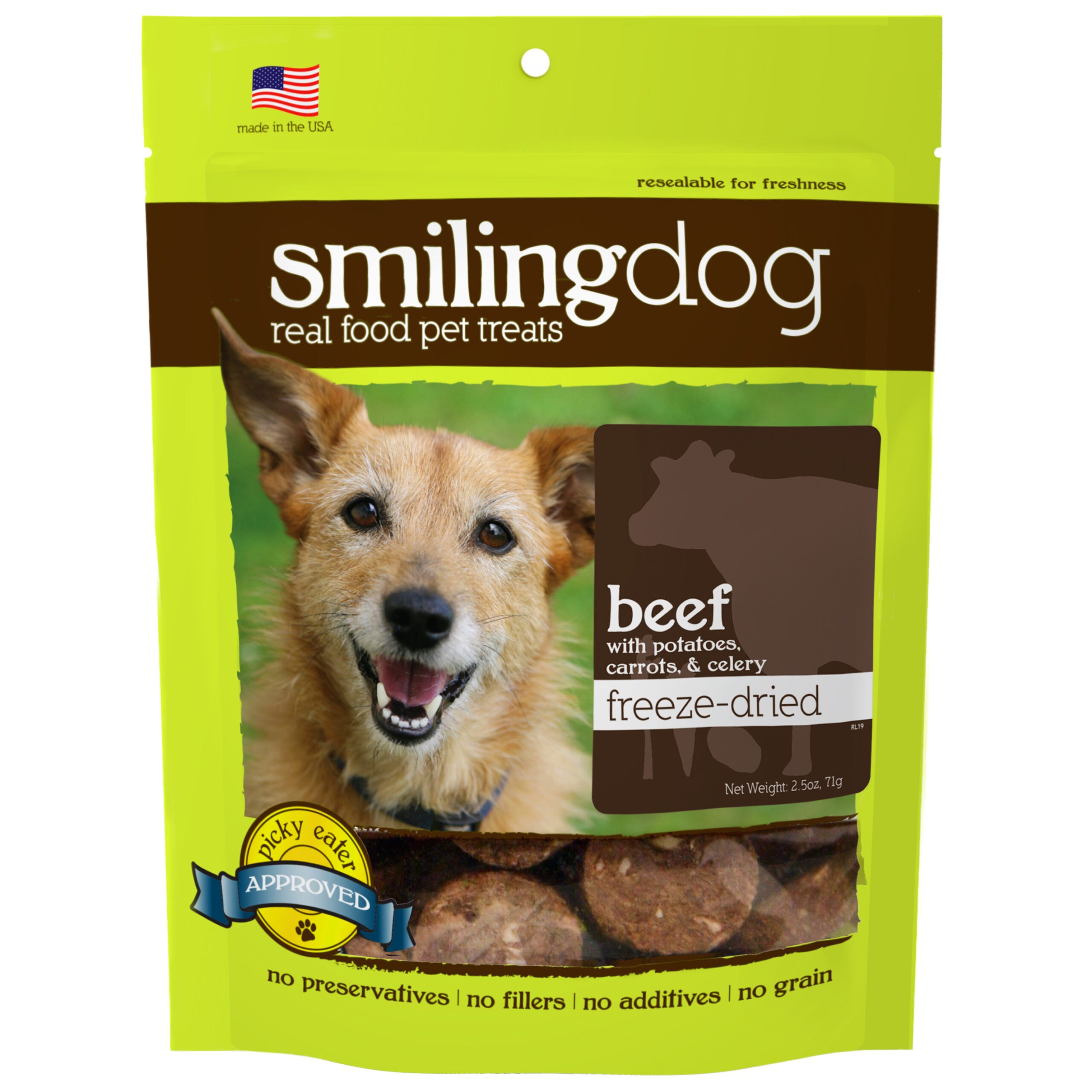
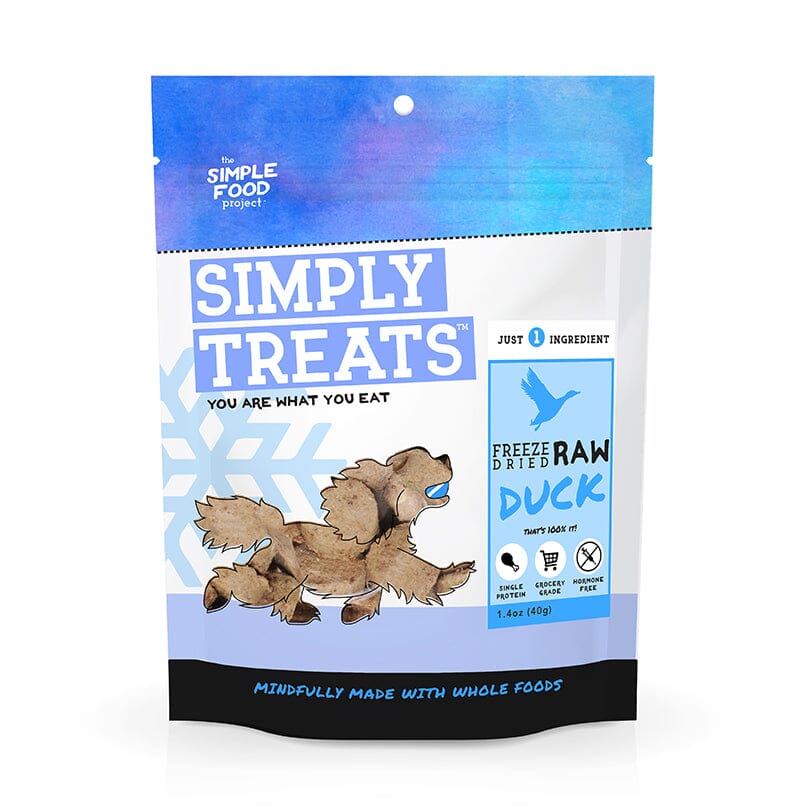
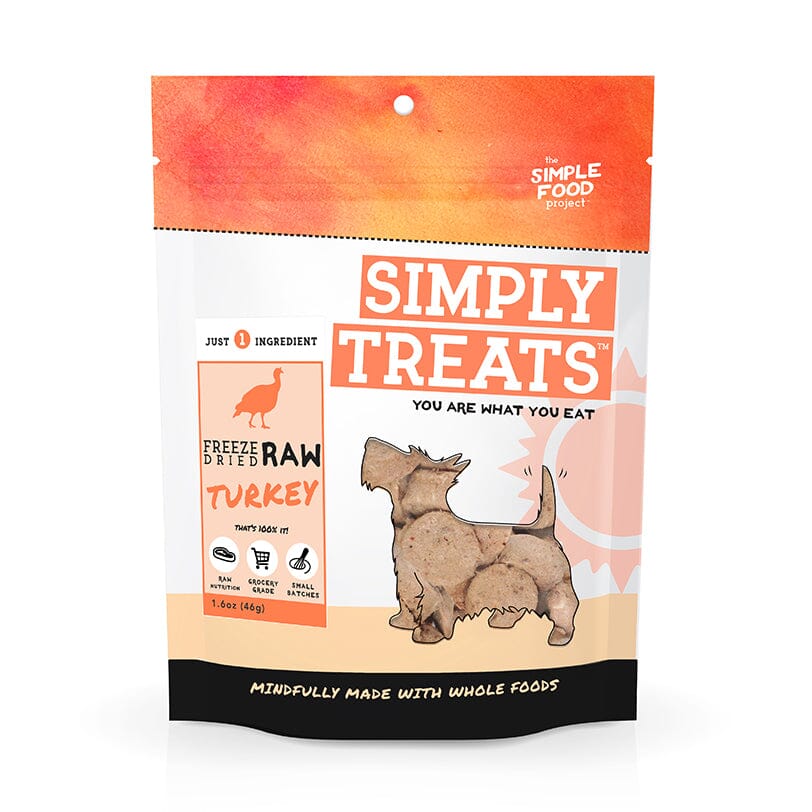
Our first recommendation is feeding lung treats.
Because of the Five-Element Theory and Yin & Yang Theory, our vets recommend feeding lung treats to support the lung meridian.
The Traditional Chinese Veterinary Medicine (TCVM) Five-Element Theory embodies the relationship between the five naturally occurring elements in the environment. You can also learn more about TCVM from PET | TAO.
Lung represents metal and is associated with the lung meridian. The lung's main function is respiration and creating energy from the oxygen and carbon dioxide exchange.
In Chinese Medicine, the lung is also responsible for controlling and regulating the skin surface and hair of the entire body. Within this traditional framework, the body also “breathes” through the skin. Five-Element Theory links the lung and the metal element.
Metal's attributes are determination, strength, and persistence. The Metal Element is also known as the “breath of life.” In this traditional food therapy approach, feeding lung treats is intended to support these associated attributes.
There are several other things you can do at home to help support your cat's allergies and asthma.
Learn More About Cat Allergies
Allergies can accompany asthma. Taking measures to reduce your cat's exposure to allergens can help support asthma management.
Our free ebook on cat allergies explains everything in detail and provides many helpful recommendations you can implement at home.
Get your free copy of Cat Allergies 101
Switch to a Limited-Ingredient Cat Food
PET | TAO's Limited Ingredient Cat Food Recipe offers a limited-ingredient approach intended to reduce exposure to potential food allergens. It's easy to get started cooking at home!
The recipe tells you everything you need to know to get started and gives you lists of low-allergen foods. Discuss the recipe and your cat's nutritional needs with your veterinarian.
Supplement With Medicinal Mushrooms
PET | TAO Complement Immune is a medicinal mushroom blend. Medicinal mushrooms are used for immune and inflammatory-response support, including support for pets with allergy concerns.
Get More Info on PET | TAO Complement Immune
Try Digestive Enzymes and Probiotics
Probiotics and digestive enzymes promote overall gut health, which supports overall immune health and immune response. Digestive enzymes help your cat digest what he or she eats.
Human research has explored the relationship between digestion, gut health, and allergic responses. Probiotics support gut health by introducing beneficial bacteria into your cat's digestive system. A healthy population of gut bacteria is one part of supporting digestive and immune health.
Dr. Smith and Dr. Damron recommend PET | TAO Harmonize GI.
Harmonize GI is a blend of prebiotics, probiotics, and digestive enzymes. You can purchase Harmonize GI in our store without a veterinary authorization.
Try Chinese Herbal Medicine for Pets
TCVM herbal remedies are special Chinese herbs formulated, within the traditional Chinese medicine framework, to restore balance between opposing forces of energy that run through channels in the body.
Chinese medicine offers natural approaches for cat allergies. Examples of formulas used in individualized allergy care include:
- Damp Heat Derma Relief: Explore Kan Essentials Damp Heat Derma Relief.
- Damp Heat Skin Formula: Explore Jing Tang Damp Heat Skin Formula.
- Qing Ying San: Explore Herbsmith Rx Qing Ying San.
- Wind Toxin: Explore Jing Tang Wind Toxin.
- Xiao Feng San: Explore Herbsmith Rx Xiao Feng San.
To get TCVM herbs, you need an authorization from your veterinarian or a consultation with one of our veterinarians. Your veterinarian can select support appropriate to your cat's individual presentation.
Interested in trying a TCVM herbal formula? Submit Your Authorization Request or Request a TCVM Telemedicine Consultation
Personalized TCVM Guidance
If you ever feel like you need extra help managing your cat's asthma naturally or with TCVM herbal blends, we can help.
TCVM Pet Supply co-founding veterinarians Dr. Marc Smith and Dr. Casey Damron offer TCVM telemedicine consultations.
A consultation provides personalized recommendations specific to your cat, including:
- Evaluation: TCVM evaluation.
- Nutrition: Food therapy recommendations.
- Herbal support: TCVM herb recommendations and veterinary authorization.
- Supplements: Supplement recommendations.
- Additional care: Alternative medicine recommendations.
If you reside in the Middle Tennessee area or would like to commute, you may choose an in-clinic appointment instead.
You can learn more about each veterinarian and contact the clinic you prefer directly:
- Marc Smith, DVM, MS - Natchez Trace Veterinary Services
- Casey Damron, DVM, CVA - White Oak Animal Hospital
We hope this information helps you and wish you the best in helping your cat feel better! Please reach out if you have questions about our products or consultation options.
Frequently Asked Questions
What symptoms should I watch for if I think my cat has asthma?
Coughing or hacking, wheezing, rapid breathing, and difficulty breathing warrant veterinary attention. Signs can vary from mild coughing to a respiratory crisis. Open-mouth breathing or obvious struggling to breathe requires immediate emergency veterinary care.
Why are lung treats included in a TCVM food therapy approach?
In TCVM Five-Element Theory, the Lung is associated with the Metal element and the lung meridian. Lung treats are included in traditional organ-based food therapy to support that association. Ask your veterinarian how food therapy fits into your cat's overall care plan.
What is the difference between Complement Immune and Harmonize GI?
PET | TAO Complement Immune is a medicinal mushroom blend used for immune support. PET | TAO Harmonize GI combines prebiotics, probiotics, and digestive enzymes for digestive support. Your veterinarian can help you decide which supportive approach fits your cat's needs.
How do I get personalized herbal recommendations for my cat?
You can ask your veterinarian for authorization or arrange a TCVM consultation with Dr. Marc Smith or Dr. Casey Damron. A consultation can include TCVM evaluation, food therapy, herbal recommendations and authorization, supplements, and additional care recommendations tailored to your cat.
The Bottom Line
Supporting your cat's asthma involves recognizing symptoms and working with your veterinarian. The approaches discussed here include lung treats and TCVM food therapy, allergy education, limited-ingredient nutrition, medicinal mushrooms, digestive support, and individualized Chinese herbal medicine.
For recommendations specific to your cat, request a TCVM telemedicine consultation. Continue prescribed asthma care, or as directed by your veterinarian, and seek emergency veterinary care for breathing distress.
Related post

25
Feb

30
Jan

24
Oct
TCVM Pet Health Insights
Dealing with Dog Allergies? Discover How a Limited-Ingredient Diet Can Help
Read more
21
Oct

22
Apr