
How Traditional Chinese Veterinary Medicine (TCVM) Helps Pets
When your pet needs extra support, it helps to have a care plan that considers their comfort, nutrition, daily habits, and individual constitution. Traditional Chinese Veterinary Medicine (TCVM) offers a holistic framework for bringing those pieces together.
Rooted in Chinese medicine, TCVM includes acupuncture, herbal medicine, food therapy, and other approaches selected by a trained veterinarian. Here is how these modalities can fit into your pet's care and how to find personalized guidance.
Key Takeaways
- Individualized care: TCVM considers your pet's constitution and pattern, not just a diagnosis.
- Multiple approaches: Acupuncture, herbal medicine, and food therapy serve different purposes and may be combined thoughtfully.
- Nutrition matters: Food therapy should fit both traditional energetic principles and your pet's nutritional requirements.
- Comfort is a priority: TCVM may be considered within chronic-care or palliative-care plans focused on quality of life.
- Veterinary coordination: A trained veterinarian can assess suitability, review medications, and monitor your pet's response.
Understanding TCVM Principles
TCVM describes health through balance and the movement of Qi, often translated as vital energy or functional activity. Yin and Yang describe complementary nourishing, cooling, warming, and activating qualities. Blood, fluids, and the functional organ systems also contribute to this traditional framework.
Within TCVM, patterns such as Qi deficiency, Blood stasis, Dampness, or Heat guide the choice of care. Two pets with the same medical diagnosis may have different patterns and therefore different recommendations.
These are traditional explanatory concepts rather than direct equivalents of laboratory findings or anatomical disease. A TCVM assessment can be considered alongside a veterinary examination, diagnostic testing, and any ongoing treatment.
Acupuncture for Pets
Veterinary acupuncture involves placing fine needles at selected points. Your veterinarian chooses the points according to the pet's presentation and the goals of care.
Acupuncture may be discussed for comfort, mobility, and selected functional concerns. Its effects are explored through nervous-system signaling and other physiological responses, as well as the traditional framework of regulating Qi and Blood.
Areas your veterinarian may assess include:
- Musculoskeletal concerns: Arthritis, stiffness, and mobility limitations.
- Digestive concerns: Gastrointestinal symptoms that have been medically assessed.
- Respiratory concerns: Selected ongoing concerns after appropriate diagnosis; breathing difficulty requires urgent medical care.
- Behavioral concerns: Stress or changes in behavior as part of a broader assessment.
- Post-operative support: Comfort and rehabilitation when coordinated with the surgical team.
The suitability and expected benefit depend on the condition and individual pet. Acupuncture should not be presented as a guaranteed treatment for every condition or a general immune-system boost.
Herbal Medicine for Pets
Veterinary herbal medicine uses selected combinations of botanicals and, in some formulas, minerals or animal-derived ingredients. You can also learn about the broader approach through herbal medicine for pets.
TCVM herbal formulas have different actions. Some nourish Qi or Blood, while others move stagnation, transform Dampness, or clear Heat. Your veterinarian selects a formula according to the pattern, your pet's constitution, and their medications.
Owners may seek an herbal assessment for allergy or skin concerns, gastrointestinal issues, kidney conditions, or supportive care during cancer treatment. These concerns still need veterinary diagnosis and a coordinated plan. The choice of herbs should not imply that a formula cures the condition, prevents illness, or guarantees a longer life.
Herbal ingredients can have important effects and interactions. Veterinary authorization and individualized dosing help keep the plan appropriate for your pet.
Interested in trying a TCVM herbal formula? Submit Your Authorization Request or Request a TCVM Telemedicine Consultation
Food Therapy for Pets
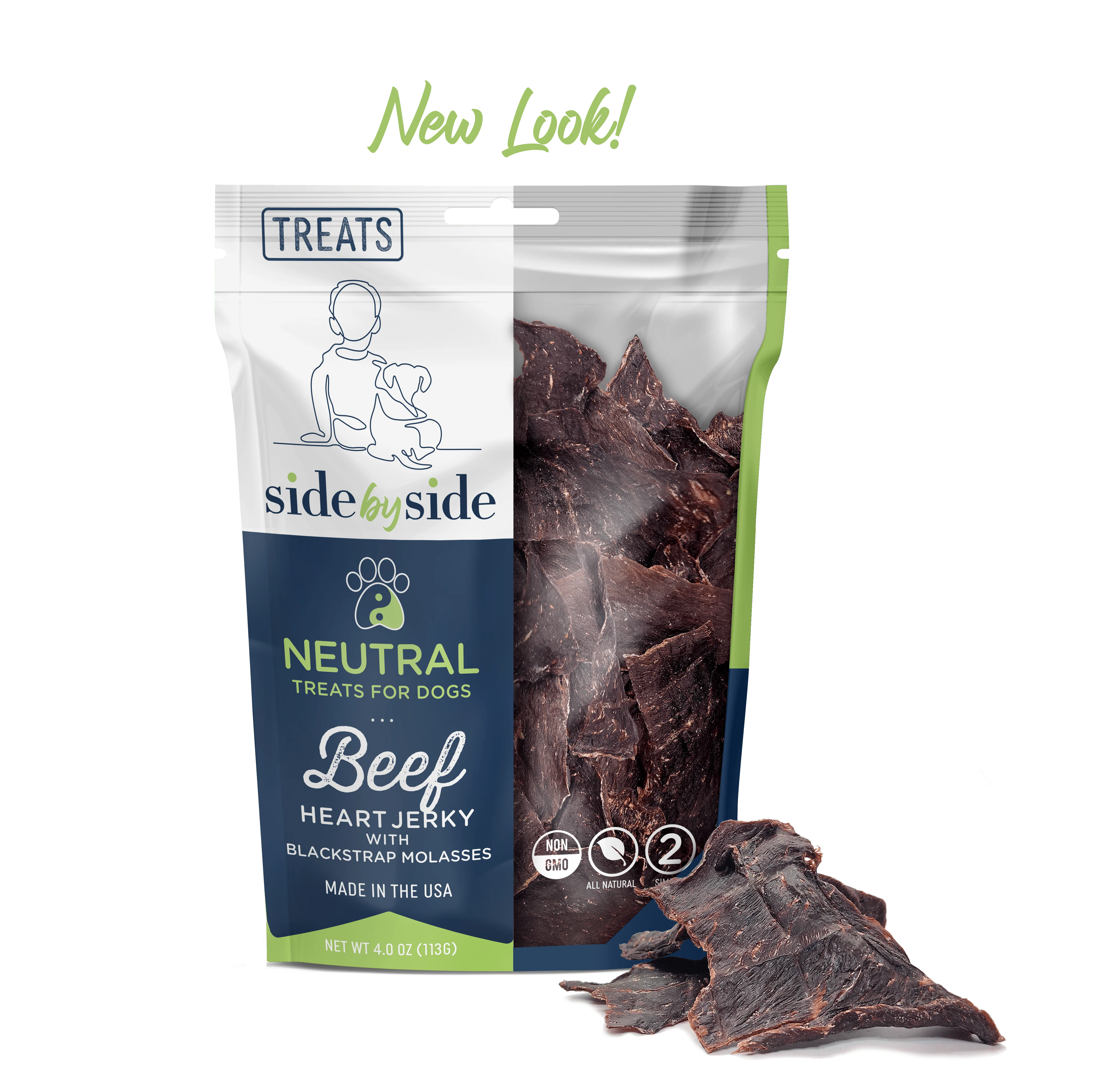
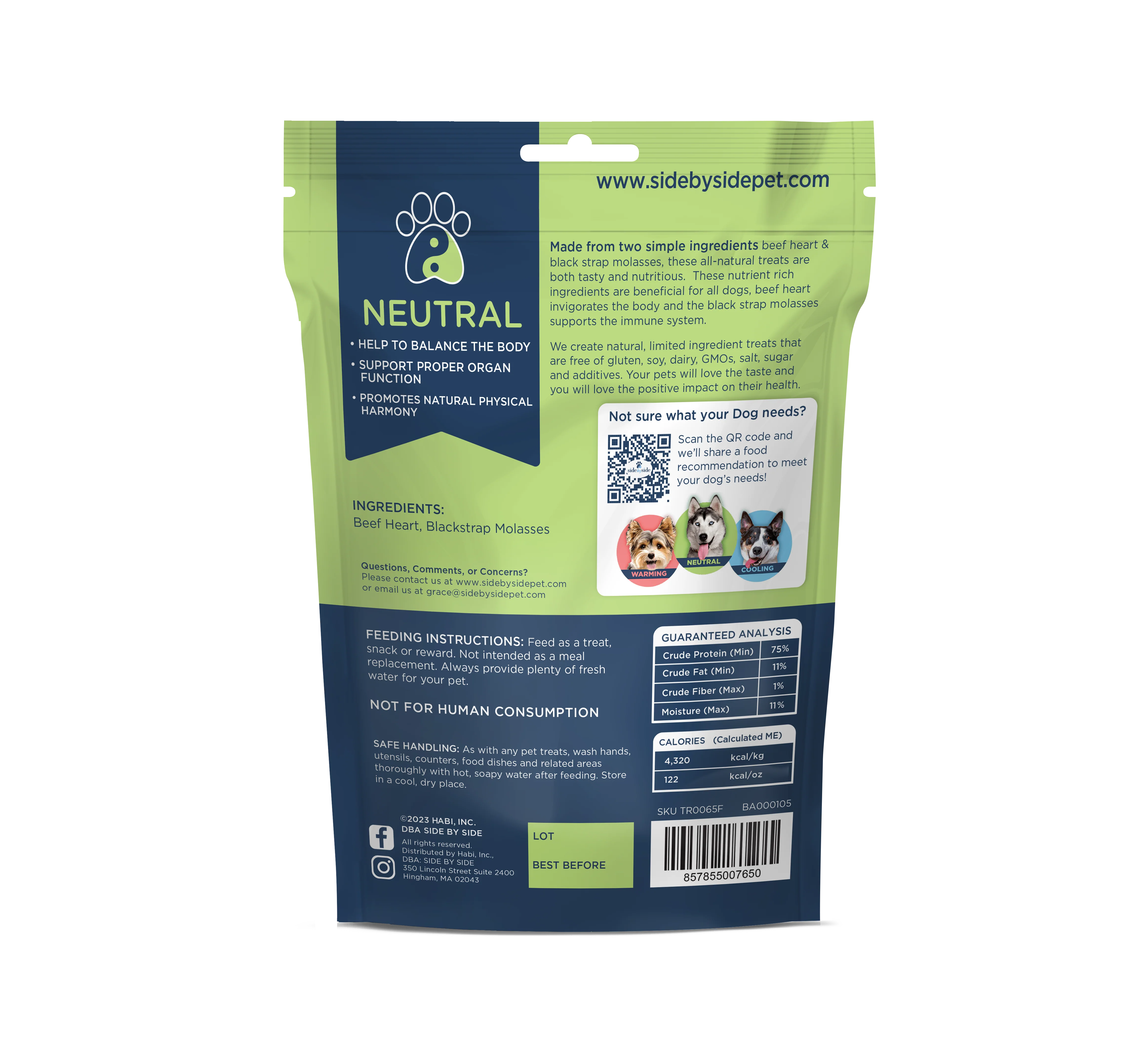
Food therapy tailors nutrition to the individual animal. TCVM considers food energetics, including warming, cooling, and neutral qualities, alongside the pet's pattern.
A veterinarian can help translate those principles into a practical diet that supports digestion, appropriate body condition, and overall nutritional health. Food therapy may be discussed for pets with digestive sensitivities, obesity, allergies, or chronic illnesses, with attention to their specific medical and dietary requirements.
- Complete nutrition: A regular diet must meet the pet's species and life-stage requirements.
- Individual tolerance: Food choices should reflect allergies, digestive tolerance, and prescribed restrictions.
- Home-cooked planning: Have recipes assessed for nutritional completeness rather than relying on energetic qualities alone.
- Practical monitoring: Track appetite, stools, body condition, and other relevant changes with your veterinarian.
TCVM practitioners can help integrate food therapy with your pet's ongoing care.
TCVM in Palliative and Chronic Care
For pets with chronic or terminal illness, the care plan often centers on comfort, appetite, mobility, rest, and connection with family. TCVM modalities may be considered alongside medical treatment to address those goals.
Acupuncture, individualized herbs, and food therapy may offer supportive options when appropriate. Recommendations should be coordinated with your pet's veterinary team, particularly when medications, chemotherapy, or significant organ disease are involved.
Observe what matters in daily life: whether your pet can rest, eat, move comfortably, and enjoy familiar interactions. If symptoms worsen, contact your veterinarian rather than assuming a complementary approach will resolve them.
How to Find a TCVM-Trained Veterinarian
Finding the right practitioner can take a little searching. Our authorizing veterinarian list provides a starting point. You can also search the American Holistic Veterinary Medical Association directory and ask about the practitioner's TCVM training and services.
If there is no suitable practitioner nearby, a TCVM telemedicine consultation may offer personalized guidance. Confirm what can be assessed remotely and whether your pet also needs an in-person examination.
Personalized TCVM Guidance
If you ever feel like you need extra help managing your pet's health naturally or with TCVM herbal blends, we can help.
TCVM Pet Supply co-founding veterinarians Dr. Marc Smith and Dr. Casey Damron offer TCVM telemedicine consultations.
A consultation provides personalized recommendations specific to your pet, including:
- Evaluation: TCVM evaluation.
- Nutrition: Food therapy recommendations.
- Herbal support: TCVM herb recommendations and veterinary authorization.
- Supplements: Supplement recommendations.
- Additional care: Alternative medicine recommendations.
- Your questions: Guidance on your pet's needs and practical next steps.
If you reside in the Middle Tennessee area or would like to commute, you may choose an in-clinic appointment instead.
You can learn more about each veterinarian and contact the clinic you prefer directly:
- Marc Smith, DVM, MS: Natchez Trace Veterinary Services telemedicine consultations.
- Casey Damron, DVM, CVA: White Oak Animal Hospital telemedicine consultations.
We wish you and your pet the best in finding a care plan that supports comfort and well-being. Please reach out with questions. Telemedicine does not replace urgent or emergency veterinary care.
Frequently Asked Questions
What makes TCVM care individualized?
A TCVM veterinarian considers the animal's constitution, signs, and traditional pattern alongside medical history and diagnostic findings. Pets with the same diagnosis may need different food or herbal recommendations because their overall presentations differ.
Can TCVM be used alongside regular veterinary treatment?
Yes, it can be considered within an integrated care plan. Share medications, supplements, test results, and treatment goals with both veterinary teams so recommendations can be coordinated and interactions reviewed.
Do all pets need acupuncture, herbs, and food therapy together?
No. Each modality serves a different purpose. Your veterinarian may recommend one approach or a combination based on your pet's needs, tolerance, and practical circumstances.
Can a telemedicine consultation replace an in-person examination?
Not for every concern. Telemedicine can provide personalized guidance, but physical examination, testing, or urgent treatment may be necessary. Ask what can be assessed remotely and keep your regular veterinarian involved.
The Bottom Line
TCVM offers a holistic way to consider your pet's nutrition, comfort, constitution, and daily well-being. Acupuncture, herbal medicine, and food therapy can be selected thoughtfully within a coordinated veterinary plan.
To explore the approach for your pet, request a TCVM telemedicine consultation or connect with a trained practitioner.
Related post

13
Oct

13
Oct
TCVM Pet Health Insights
Why Some Herbal Formulas Require Veterinary Authorization, and Why That's a Good Thing
Read more
25
Feb

30
Jan

24
Oct