
How to Make Supplements Taste Better - Works for Herbs, Too!
When your dog or cat turns away from a meal with herbs or supplements mixed in, daily support can become frustrating. Both scent and flavor matter. A familiar food, a soft treat, or a different product format can make the experience more inviting without turning every meal into a guessing game.
These practical ideas can help you offer your pet's supplements more comfortably, including veterinarian-recommended herbal blends.
Key Takeaways
- Scent matters: A pet may reject an unfamiliar aroma before taking a bite.
- Small portions work best: Mix the recommended amount into a small serving your pet is likely to finish, then offer the rest of the meal.
- Format can make a difference: Ask about suitable capsules, teapills, powders, liquids, or chewables if one format is difficult to give.
- Keep administration safe: Check before crushing tablets, opening capsules, changing amounts, or adding a new food.
Why Taste and Scent Both Matter
Pets have a keen sense of smell. Even when a supplement's flavor seems mild to you, its aroma may be enough to make your pet hesitate. Familiar, appealing foods can help mask both flavor and scent, although each pet has different preferences.
A calm routine and a few suitable options are often more useful than repeatedly offering a meal your pet has already refused.
Mix Supplements with Wet Food
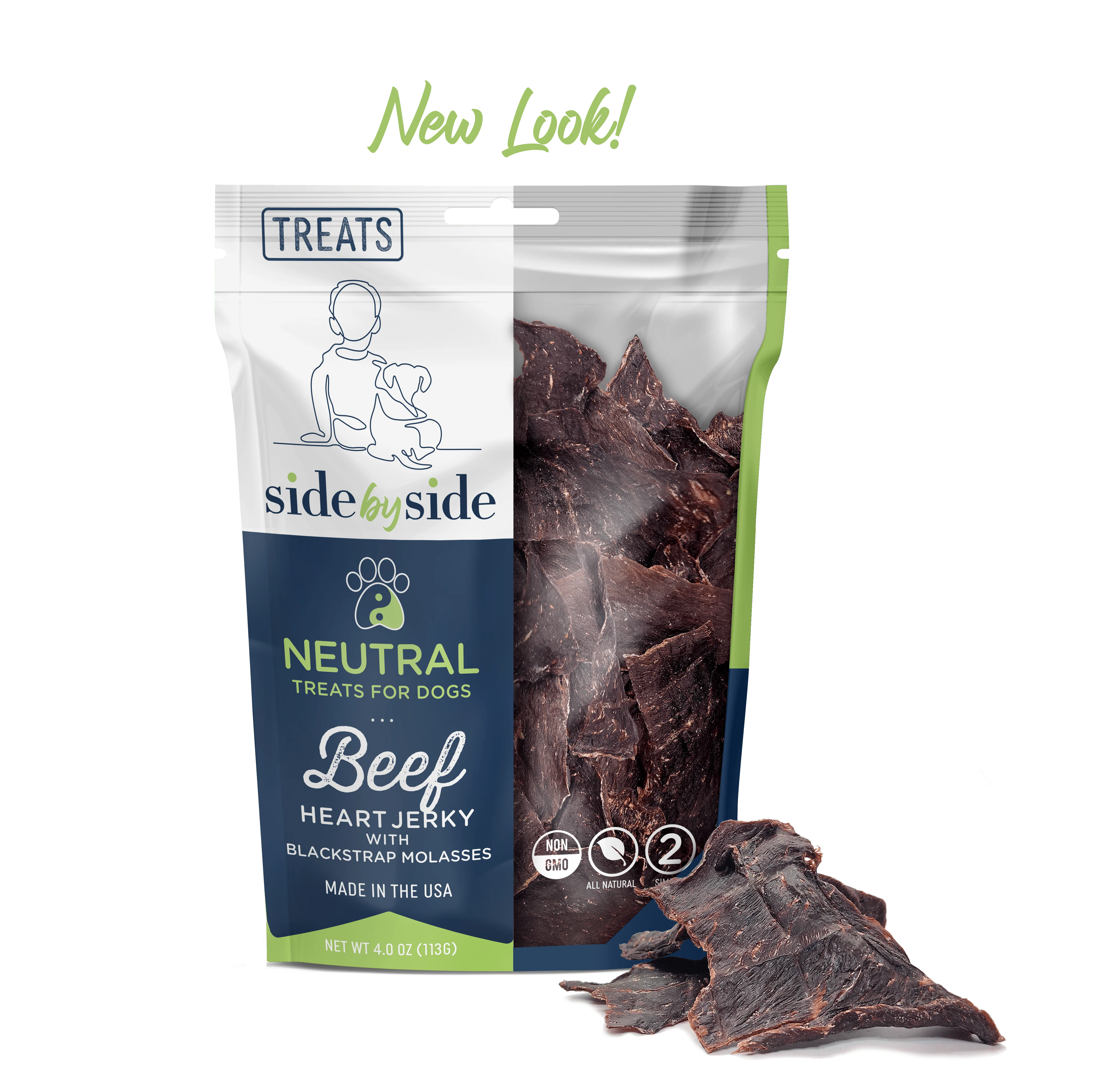
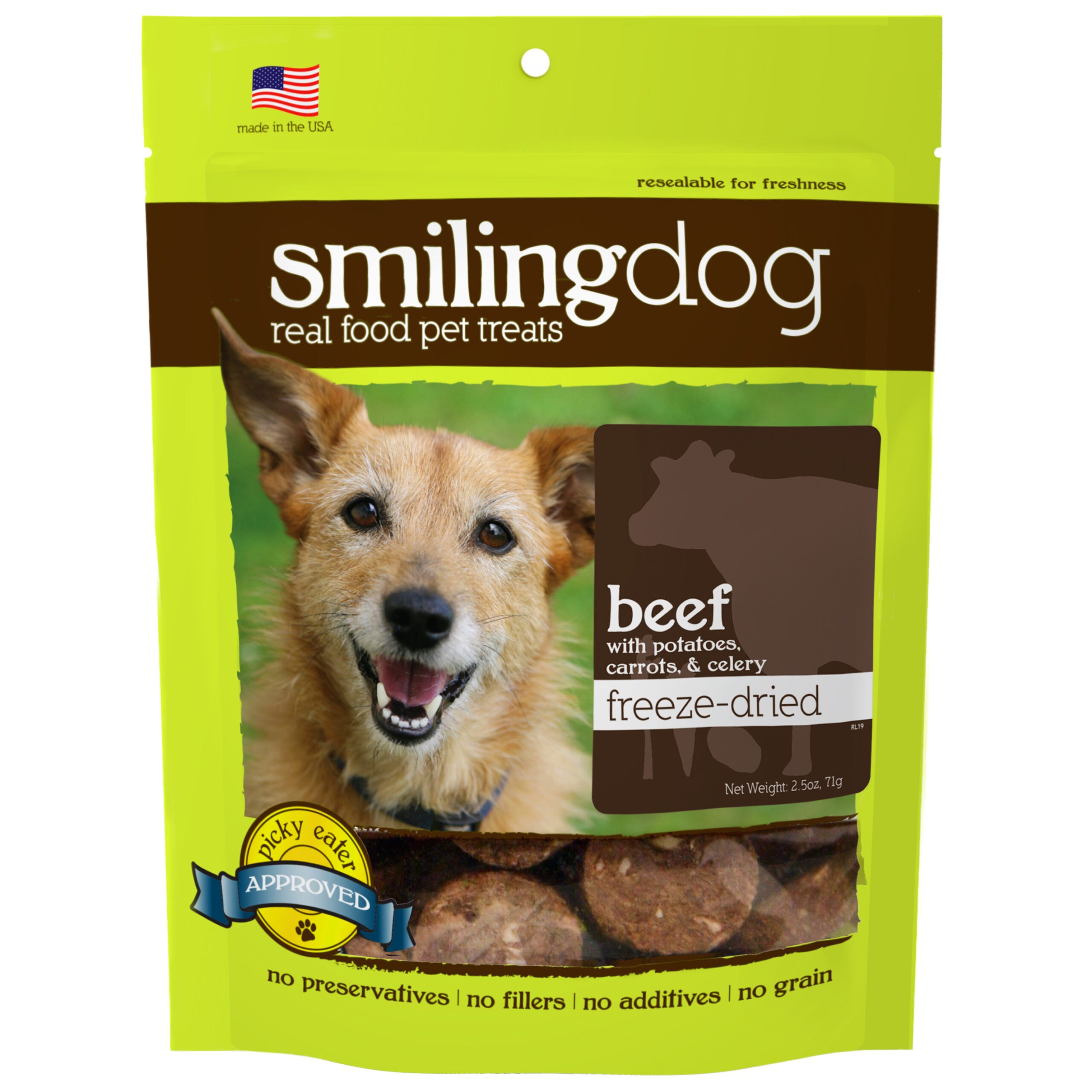
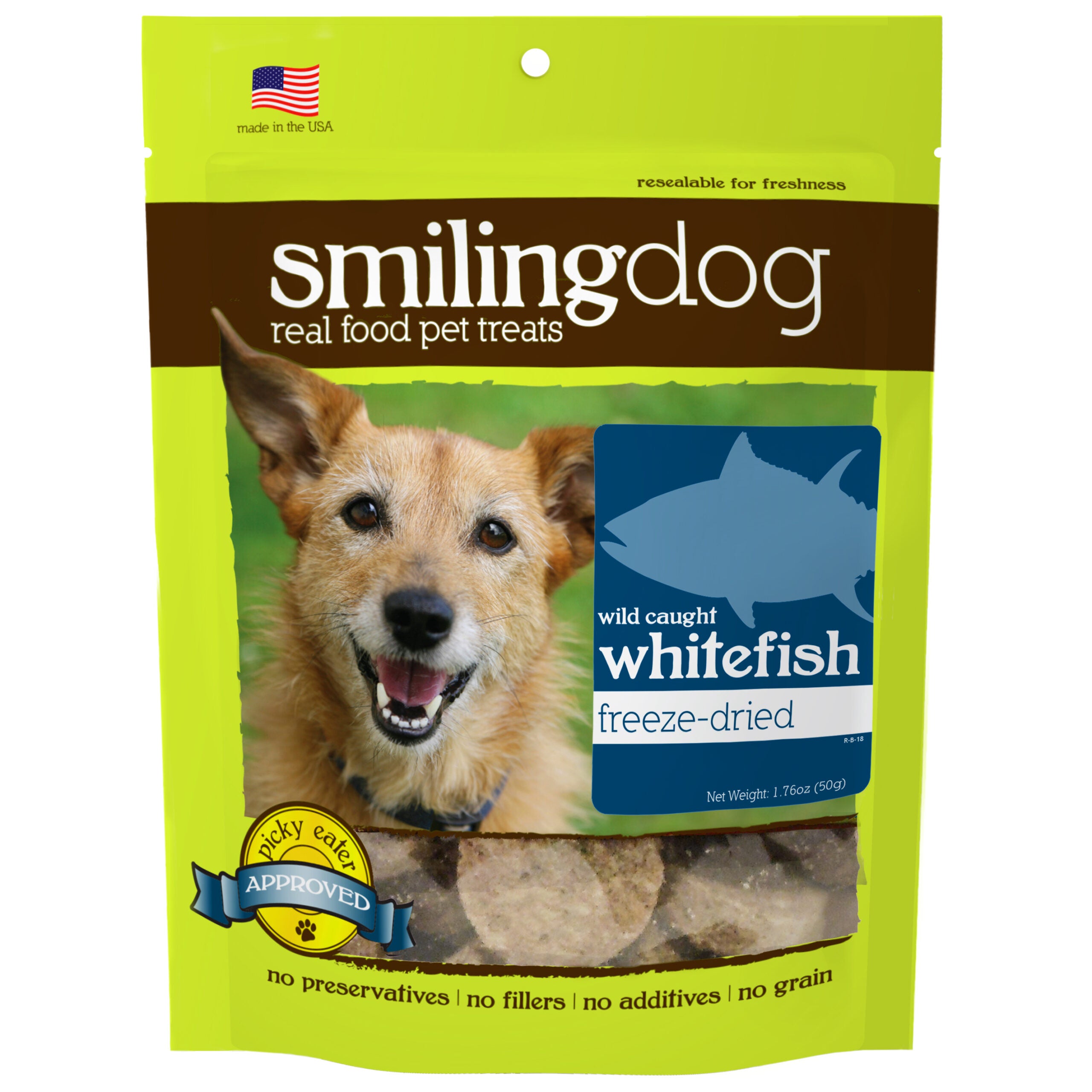
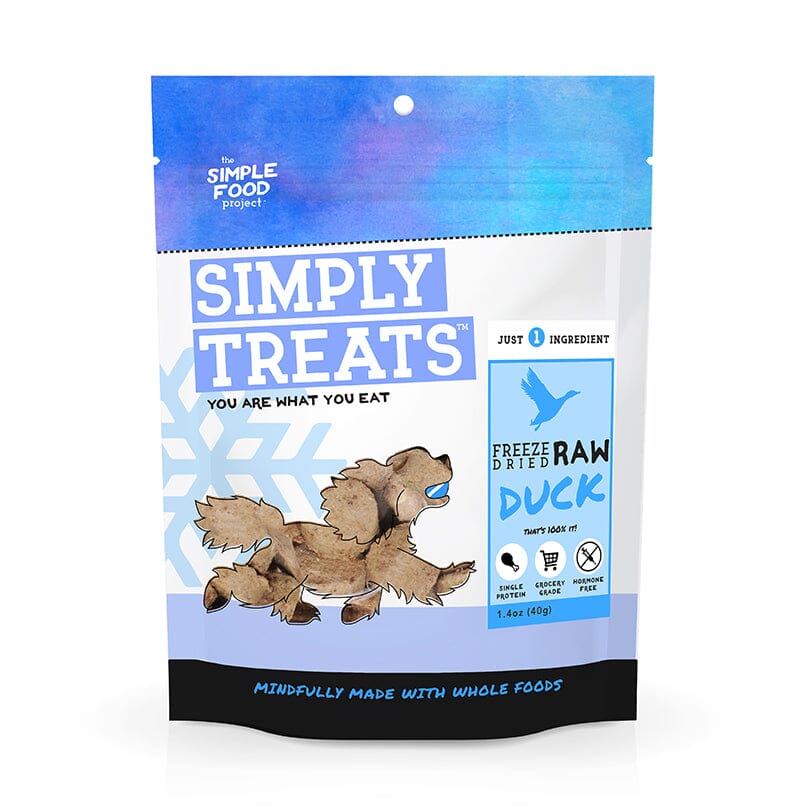
Many pets accept supplements more readily in familiar wet food. For dogs, an option such as wet dog food may provide an appealing food base if it fits their dietary needs. For cats, use a suitable complete cat food or a veterinarian-approved treat.
Mix the recommended dose thoroughly into a small portion of food, or as directed by your veterinarian. Offer the rest of the meal after that portion is finished so you can better tell whether your pet consumed the full amount.
Only crush tablets or open capsules when your veterinarian or the product's instructions confirm that doing so is appropriate. Some preparations need to remain intact.
Practical Tricks for Picky Cats
- Familiar aroma: If fish oil is already appropriate for your cat, its scent may help make a small portion of wet, meaty cat food more appealing. Use the recommended fish oil amount, or as directed by your veterinarian, rather than adding extra solely to hide another product.
- Blended texture: Blend a small serving of a favorite suitable food or treat with a little water, then mix in one measured dose, or as directed by your veterinarian. Preparing one dose at a time avoids the uncertainty of distributing several doses evenly through a larger batch.
- Favorite topping: Crumble a small amount of a familiar treat over the food to encourage interest.
- Lickable treats: A suitable lickable cat treat, including products sold as Lickables, can provide another small food base for cat supplements when compatible with the product's instructions.
If your cat refuses the supplemented food, offer their usual food separately. Do not withhold meals to force acceptance, and contact your veterinarian promptly if your cat is not eating normally.
Hide Supplements in Soft Treats
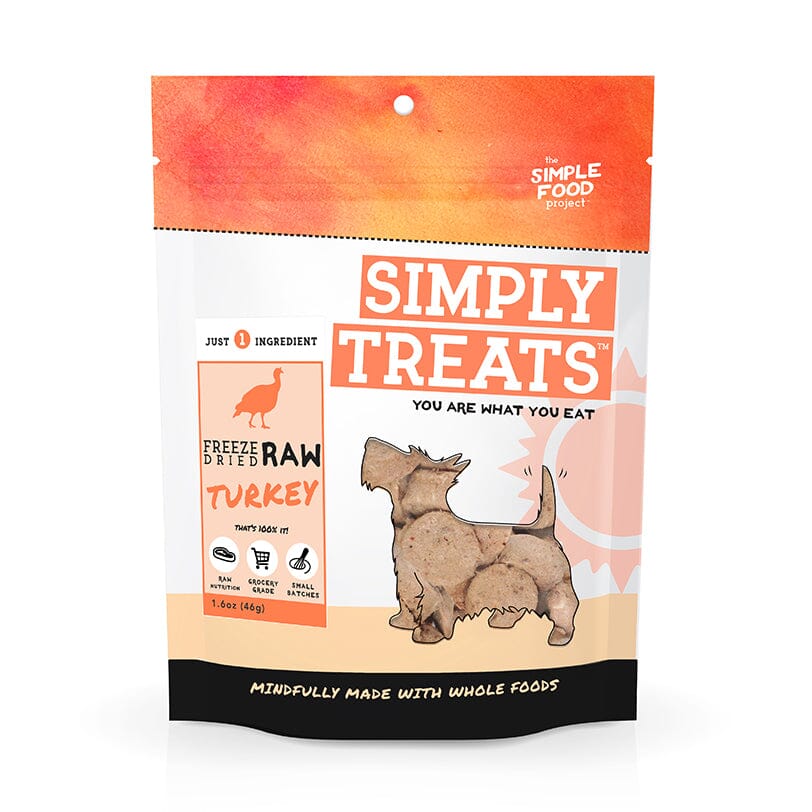
A soft treat or a small piece of food your pet enjoys may help conceal an intact tablet, capsule, or teapill. Options include a commercial medication-hiding treat, a small amount of cheese if tolerated, or xylitol-free peanut butter for dogs when appropriate.
Check that the treat fits your pet's needs, particularly if they have food sensitivities, digestive concerns, or a prescribed diet. Keep added treats modest so they do not displace balanced meals.
A Food-Wrap Trick for Dogs
The original bread-and-meat approach can be adapted for liquids and loose herbs and powders. Use a small amount of plain, fully cooked lean meat rather than raw ground meat to reduce food-safety risks.
- Cut a small piece of plain bread without raisins, garlic, onions, or other unsuitable ingredients. Use approximately 1-inch squares; adjust the food portion to your dog's size and dietary needs.
- Place the bread in the center of a small portion of plain, fully cooked lean meat.
- Measure the recommended supplement dose onto the bread, or as directed by your veterinarian, if the product can be given with food.
- Wrap the meat around the bread and offer it by hand. Watch to confirm your dog eats the whole portion.
Prepare the supplemented portion when needed. Handle and refrigerate food safely, and discard leftovers that are no longer fresh. A suitable soft commercial treat is an alternative if bread or meat does not fit your dog's diet.
Use Pill Pockets
Pill pockets are soft treats with a pouch for a tablet or capsule. They come in different flavors and sizes, including options marketed as all-natural, and may be useful for some dogs and cats. Choose a species-appropriate product and check its ingredients.
Place the supplement inside, mold the treat closed, and offer it to your pet. Watch for a tablet or capsule being spit out rather than assuming an empty treat means the dose was swallowed.
Homemade Dog Pill Pocket Recipe
You can also make a simple dough for hiding suitable tablets or capsules. This recipe is for dogs whose dietary needs allow these ingredients.
- Nut butter: 1/4 cup creamy peanut butter or almond butter without xylitol, also called birch sugar. Check every label; xylitol is toxic to dogs. Avoid other unsuitable additions such as chocolate.
- Oats: 1/2 cup quick oats.
- Water: 1/4 cup water, adjusting the texture as needed.
- Grind the oats in a blender or food processor.
- Mix the ingredients in a small bowl until they form a workable dough.
- Roll into small balls. The original recipe makes approximately 12, depending on size; these are food portions, not a dosing schedule.
- Press a suitable capsule or tablet into a ball and wrap the dough around it until enclosed.
Store the dough covered in the refrigerator and discard it if freshness is uncertain. Use only the amount needed to conceal the recommended supplement dose, or as directed by your veterinarian.
Try a Different Supplement or Herbal Format
Some herbs and supplements come in teapills, capsules, powders, liquids, or chewable tablets. Not every product is available in every format, but a different preparation may be easier for your pet to accept.
For example, a pet who rejects a powder may prefer an intact capsule hidden in a soft treat. Another may accept a liquid mixed with a small food portion. Concentrations can differ, so do not assume equal amounts of different formats provide the same dose.
If you use TCVM herbal formulas, ask your authorizing veterinarian which format best suits your pet and how to administer it.
Introduce New Flavors Gradually When Appropriate
A gradual introduction may help some pets become familiar with a new flavor. Ask your veterinarian whether this approach is appropriate before changing the amount of a prescribed or recommended product.
If approved, begin with a small amount in a favorite suitable dog food or species-appropriate treat, then increase toward the recommended dose on the schedule your veterinarian provides, or as directed by your veterinarian. Do not reduce or delay essential medications to improve taste.
When to Ask Your Veterinarian for Help
If these methods do not work, your veterinarian can help assess the product, food pairing, format, and administration routine. They can also consider whether appetite changes reflect something more than a dislike of the supplement.
- Incomplete dose: If your pet eats only part of a supplemented serving or spits out a tablet, ask how to proceed rather than automatically repeating the full dose.
- Food restrictions: Check before adding treats if your pet has a prescribed diet, allergies, or a condition requiring dietary management.
- New symptoms: Contact your veterinarian if appetite changes, vomiting, diarrhea, or other concerns develop. Suspected xylitol ingestion requires urgent veterinary guidance.
Personalized TCVM Guidance
If you ever feel like you need extra help managing your pet's supplement routine naturally or with TCVM herbal blends, we can help.
TCVM Pet Supply co-founding veterinarians Dr. Marc Smith and Dr. Casey Damron offer TCVM telemedicine consultations.
A consultation provides personalized recommendations specific to your pet, including:
- Evaluation: TCVM evaluation.
- Nutrition: Food therapy recommendations.
- Herbal support: TCVM herb recommendations and veterinary authorization.
- Supplements: Supplement recommendations.
- Additional care: Alternative medicine recommendations.
If you reside in the Middle Tennessee area or would like to commute, you may choose an in-clinic appointment instead.
You can learn more about each veterinarian and contact the clinic you prefer directly:
- Marc Smith, DVM, MS - Natchez Trace Veterinary Services
- Casey Damron, DVM, CVA - White Oak Animal Hospital
We wish you and your pet a smoother supplement routine and more comfortable days together. Please reach out with questions about suitable options. Telemedicine does not replace emergency veterinary care.
Frequently Asked Questions
What is the easiest way to make supplements taste better for my pet?
Start with a small portion of familiar wet food or a suitable soft treat. Its aroma and texture may help mask an unfamiliar taste. Mix in the recommended dose, or as directed by your veterinarian, and confirm your pet finishes that portion before offering the rest of the meal.
Can I crush tablets or open supplement capsules?
Only when the product instructions or your veterinarian confirm it is appropriate. Some tablets and capsules need to stay intact. If the product cannot be altered, a pill pocket or another suitable format may be a better option.
What should I do if my cat refuses food containing herbs?
Offer your cat's usual food separately rather than trying to force acceptance. You can ask about a smaller food base, a familiar lickable treat, or another herbal format. If your cat is not eating normally, contact your veterinarian promptly instead of treating it as a flavor problem alone.
Should I give another dose if my pet eats only part of the supplemented food?
Do not automatically repeat the full dose because the amount already consumed may be uncertain. Contact your veterinarian for product-specific advice. For future servings, use a small food portion containing one measured dose, or as directed by your veterinarian, so completion is easier to monitor.
The Bottom Line
Making supplements taste better starts with understanding your pet's preferences. Familiar wet food, a suitable soft treat, pill pockets, or a different format can make daily administration easier. Keep portions small, confirm the full amount is consumed, and ask for guidance when acceptance or appetite becomes a concern.
Related post

13
Oct

13
Oct
TCVM Pet Health Insights
Why Some Herbal Formulas Require Veterinary Authorization, and Why That's a Good Thing
Read more
25
Feb

30
Jan

24
Oct