
How to Help Degenerative Myelopathy in Dogs Naturally
If your dog has degenerative myelopathy and you’re looking for natural ways to help at home, you’re in the right place. Supporting comfort, mobility, and quality of life can bring together food therapy, supplements, acupuncture, and individualized TCVM care.
Explore these recommendations with your veterinarian as part of your dog’s ongoing care.
Key Takeaways
- The condition: Degenerative myelopathy is a slowly progressive neurological condition most common in middle-aged and older dogs.
- Signs: Rear-end swaying, trouble rising, nail scraping, knuckling, stumbling, and balance changes warrant veterinary assessment.
- Daily support: Nutrition and a healthy body weight can help reduce extra strain on bones and joints.
- TCVM options: Kidney food therapy, acupuncture, and personalized herbal formulas offer individualized support.
- Care goals: There is no established cure; supportive care focuses on comfort, mobility, and quality of life.
What Is Degenerative Myelopathy in Dogs?
Degenerative myelopathy is a debilitating, slowly progressive condition most common in middle-aged and older dogs.
It is a neurological condition in which the spinal cord’s nerves gradually lose their ability to transmit impulses. Degeneration begins in the thoracic region of the spinal cord and progresses along the spinal cord.
Researchers have not established every aspect of its cause. A gene alteration is a suspected contributor.
What Are the Signs of Degenerative Myelopathy?
Some common signs include:
- Rear-end movement: Swaying of the rear end while walking.
- Rising: Difficulty standing up from lying down.
- Nails: Scraping nails when walking.
- Gait: Exaggerated movements when walking.
- Paw placement: Hind paws turning under, or walking on the knuckles.
- Coordination: Tripping and stumbling.
- Rear legs: Legs crossing when walking.
- Balance: Loss of balance.
These signs can also occur with other conditions, so your veterinarian should assess changes in your dog’s mobility.
How to Help Degenerative Myelopathy at Home
Science has not yet found a cure for degenerative myelopathy in dogs. However, supportive care offers ways to help your dog feel better, support mobility, and maintain quality of life.
Learn More About Dog Arthritis
Arthritis may accompany degenerative myelopathy. Supporting any coexisting arthritis can help your dog’s overall comfort.
You can get a free copy of our ebook, Dog Arthritis 101: Make Your Dog Feel Better, in our store.
Revamp Your Dog’s Diet
Try cooking for your dog or feeding high-quality dog food. Our veterinarians recommend home-cooked diets and wet food as part of maintaining a healthy weight. Appropriate portions matter, because avoiding excess weight means less stress on bones and joints.
You can learn to cook at home for your dog on the PET | TAO Recipe page.
PET | TAO Chill is one of our veterinarians’ top choices for dogs with degenerative myelopathy.
Review which recipe best matches your dog’s TCVM energetic pattern. The linked pages describe subtle energy types to help you explore the most appropriate choice with your veterinarian.
Ease Your Dog’s Discomfort Naturally
In their clinics, our veterinarians recommend PET | TAO Comfort for dogs with degenerative myelopathy.
Comfort combines Eastern herbs and Western supplements to help your dog feel more comfortable. Your veterinarian can advise how it fits with your dog’s care and any prescribed medications.
Provide Joint Support
Changes in mobility can place additional demands on your dog’s joints, making joint support a helpful part of your dog’s care plan.
In their clinics, our veterinarians recommend PET | TAO Harmonize Joint.
Harmonize Joint is a blend of Eastern herbs and Western supplements working together to support joint lubrication and joint health.
Feed Your Dog Kidney
Although feeding kidney may sound unusual, it is a TCVM food therapy approach for arthritic challenges that can accompany degenerative myelopathy.
According to Traditional Chinese Veterinary Medicine, the Kidney functional system governs bones and joints. Feeding kidney works through the traditional “like treats like” approach to strengthen and tonify the meridian.
Kidney food therapy is also traditionally used in support plans for hearing loss, urinary incontinence, kidney failure, and other kidney and bladder health challenges. Review these considerations with your veterinarian for your individual dog.
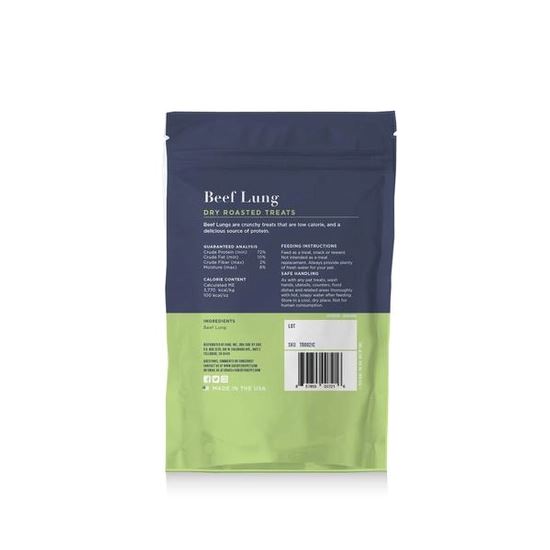
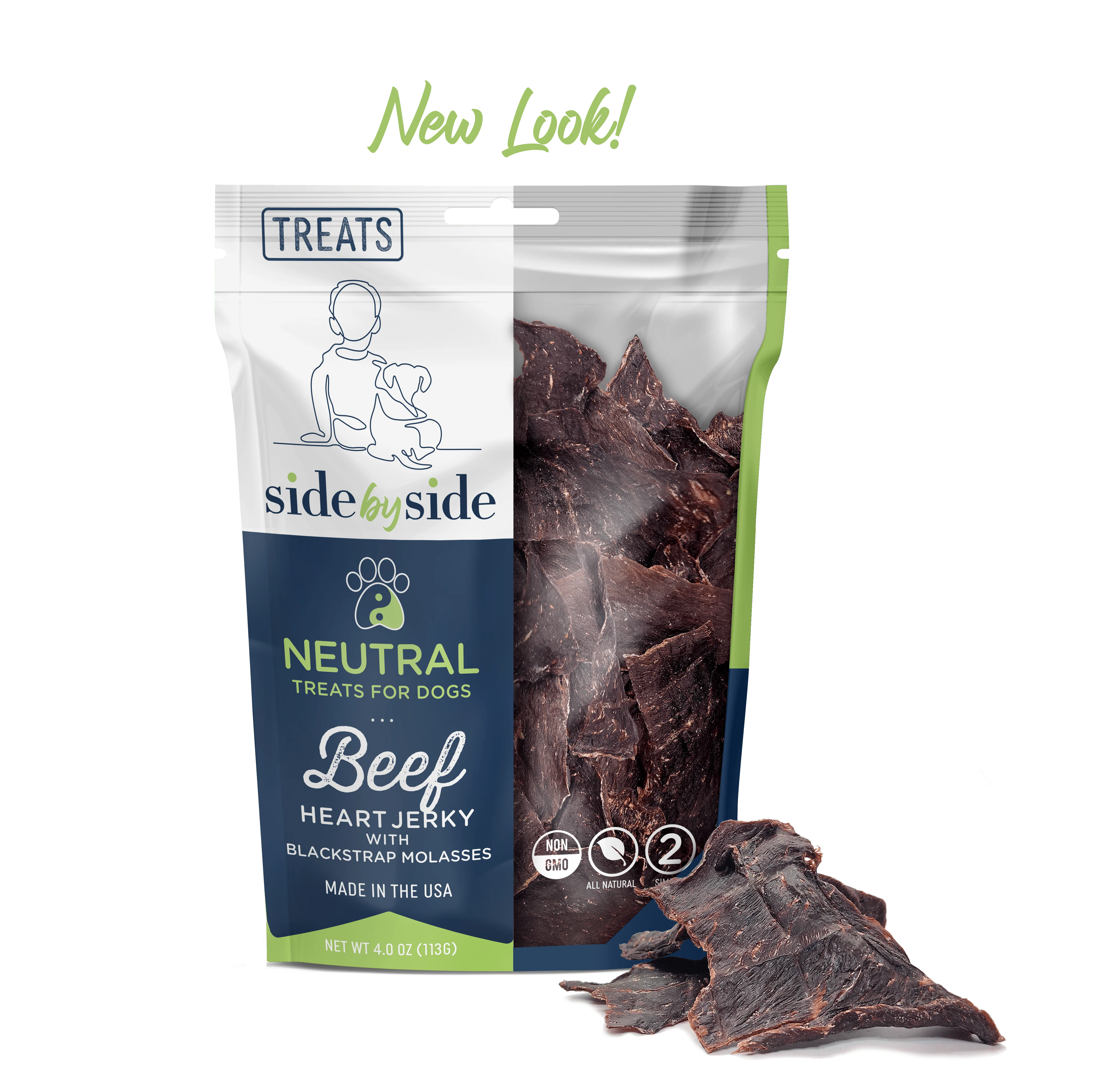
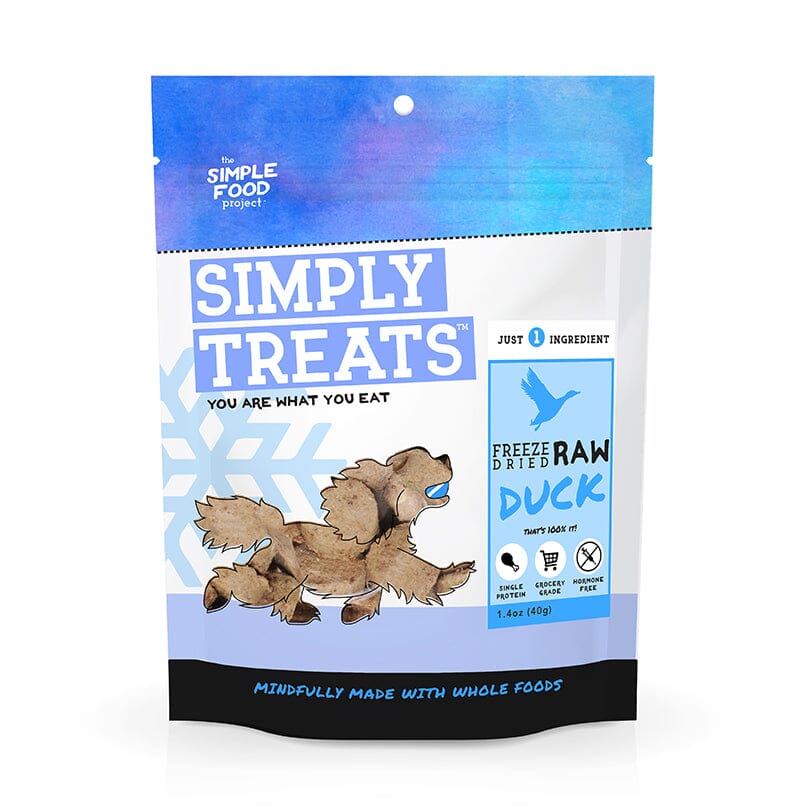
Add kidney to your dog’s daily meal, or as directed by your veterinarian, or supplement with freeze-dried raw kidney treats, or as directed by your veterinarian.
Try Acupuncture or Electro-Acupuncture
Acupuncture uses a similar approach in dogs and humans. Acupuncture points along your dog’s spine are associated with vascular and nerve structures.
A veterinarian places small needles at selected points to encourage local blood flow, stimulate nerves, and promote endorphin release, supporting comfort and the body’s healing responses.
With electro-acupuncture, the veterinarian connects the needles to an electro-acupuncture machine. A therapeutic electrical stimulus passes through the needles to stimulate the points.
Both forms offer endorphin-related comfort support to help your dog feel better.
Try TCVM Herbs
Chinese medicine offers herbal options for dogs with degenerative myelopathy. Our veterinarians combine individualized formulas with food therapy and acupuncture.
Examples to discuss with your veterinarian include:
- Hindquarter Weakness: Tonifies Kidney Qi and Yang, strengthens the back and hind limbs, and moves Qi. Du Zhong and Ba Ji Tian strengthen sinews and bones, while Huang Qi supports Qi and Shu Di Huang and Dang Gui nourish Yin and Blood. Warming and Qi-moving herbs help address Cold and stagnation accompanying weakness in the lower body.
- Hu Qian Wan: Nourishes Kidney and Liver Yin, clears deficiency Fire, and strengthens tendons and bones. Shu Di Huang and Bai Shao Yao nourish Yin and Blood, Huang Bai and Zhi Mu clear Heat, and Suo Yang and Chuan Niu Xi support sinews and the lower limbs. Gan Jiang and Chen Pi help protect digestion. Stop administration and contact your veterinarian if vomiting, diarrhea, or unusual signs develop.
- Di Huang Yin Zi: Tonifies both Kidney Yin and Kidney Yang to support neurological function, hind limb coordination, and constitutional strength in dogs with concurrent Yin and Yang deficiency. Shu Di Huang nourishes Yin and essence, Fu Zi and Rou Gui warm Yang, and Shi Chang Pu and Yuan Zhi open the orifices and support clear neurological communication in TCVM terms. Do not use during pregnancy; veterinary selection is especially important when Blood or Yin deficiency is present.
These are only examples of the formulas available. You need a TCVM-trained veterinarian to determine which formula best fits your dog. The TCVM herbs discussed here require veterinary authorization.
Interested in trying a TCVM herbal formula? Submit Your Authorization Request or Request a TCVM Telemedicine Consultation
Personalized TCVM Guidance
If you ever feel like you need extra help managing your dog’s degenerative myelopathy naturally or with TCVM herbal blends, we can help.
TCVM Pet Supply co-founding veterinarians Dr. Marc Smith and Dr. Casey Damron offer TCVM telemedicine consultations.
A consultation provides personalized recommendations specific to your dog, including:
- Evaluation: TCVM evaluation.
- Nutrition: Food therapy recommendations.
- Herbal support: TCVM herb recommendations and veterinary authorization.
- Supplements: Supplement recommendations.
- Additional care: Alternative medicine recommendations.
If you reside in the Middle Tennessee area or would like to commute, you may choose an in-clinic appointment instead.
You can learn more about each veterinarian and contact the clinic you prefer directly:
- Marc Smith, DVM, MS - Natchez Trace Veterinary Services
- Casey Damron, DVM, CVA - White Oak Animal Hospital
We hope this information helps you and wish you the best in helping your dog feel better. If you have any other questions or if we can help you in any way, just let us know!
Frequently Asked Questions
What mobility changes should I discuss with my veterinarian?
Rear-end swaying, trouble rising, scraping nails, exaggerated gait, knuckling, stumbling, crossing rear legs, and loss of balance all warrant assessment. These signs are not unique to degenerative myelopathy, so a veterinary evaluation helps determine the cause and care plan.
Why does diet matter for a dog with degenerative myelopathy?
High-quality nutrition, a healthy weight, and a TCVM energetically appropriate diet support your dog’s overall well-being. Avoiding excess weight helps limit added strain on bones and joints. The linked Chill, Blaze, and recipe resources offer food therapy options to discuss with your veterinarian.
How are acupuncture and electro-acupuncture different?
Acupuncture involves placing small needles at selected points. Electro-acupuncture adds a therapeutic electrical stimulus through those needles. Both approaches are used for nerve stimulation, local blood flow, and endorphin-related comfort support.
Can TCVM herbs cure degenerative myelopathy?
There is no established cure for degenerative myelopathy. Individualized TCVM formulas support comfort and quality of life alongside food therapy, acupuncture, and veterinary management. A TCVM-trained veterinarian must choose and authorize the appropriate formula.
The Bottom Line
Supporting a dog with degenerative myelopathy means focusing on comfort, mobility, and quality of life. Nutrition, joint and comfort support, Kidney food therapy, acupuncture, and individualized TCVM herbs can be brought together in a care plan suited to your dog’s needs.
Related post

25
Feb

30
Jan

24
Oct
TCVM Pet Health Insights
Dealing with Dog Allergies? Discover How a Limited-Ingredient Diet Can Help
Read more
21
Oct

22
Apr