
Your shopping bag is empty
Go to the shop

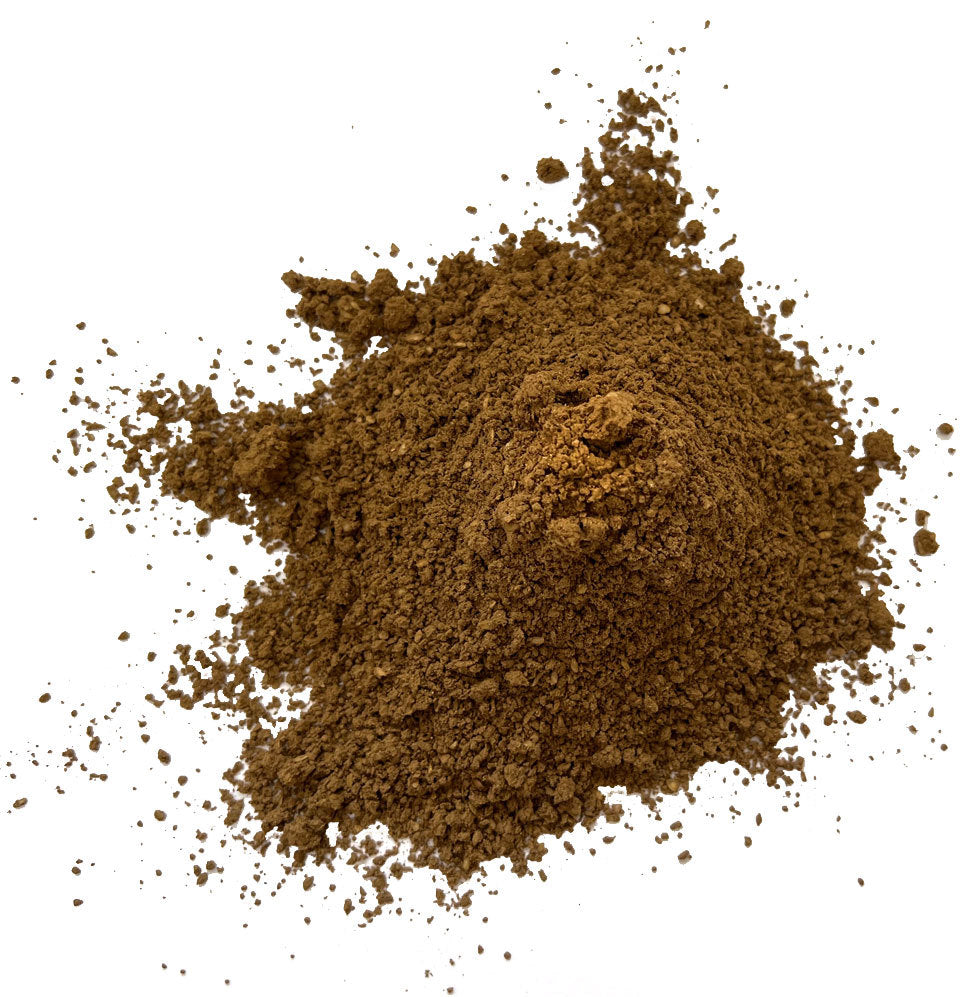
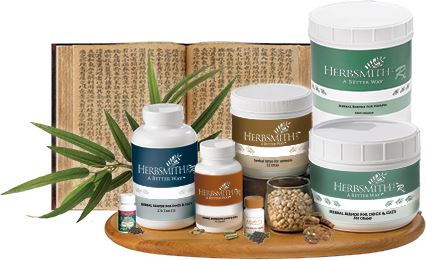
Herbsmith Rx Tian Ma Gou Teng Yin is a classical Chinese herbal formula recommended by holistic veterinarians to calm the liver, extinguish wind, and support neurological and behavioral stability in dogs, cats, and horses. Comparable to Gastrodia and Uncaria Powder, Tian Ma Plus II, Gastrodia and Uncaria Wind Relief, and Calm Repose, it calms the liver, extinguishes wind, clears heat, invigorates the blood, and tonifies the liver and kidneys. Well suited for pets presenting with liver wind stirring internally and ascendant hyperactivity of liver yang, with signs such as tremors, muscle twitching, sudden behavioral changes, irritability, restlessness, dizziness, headshaking, hypertension, and other wind-related neurological or behavioral signs arising from liver yin and kidney deficiency, allowing yang to ascend and wind to stir. Available as a concentrated powder mixed into food; cats and dogs use the Canine Blend, while horses use the Equine/Horse Blend. Dosing varies by species and body weight, and your authorizing veterinarian will provide specific guidance.
Veterinary Authorization Required - Click Here to Submit Your Authorization Request
Request a TCVM Telemedicine Consultation
What It Supports
- Liver wind extinguishing and yang calming: Extinguishes internal liver wind and calms the ascendant hyperactivity of liver yang that drives tremors, twitching, headshaking, sudden behavioral changes, and other wind-related neurological signs, by anchoring the yang, settling the liver, and eliminating the wind manifestations at their source.
- Heat clearance from the liver: Clears liver heat and fire that contribute to the ascendant yang and wind-stirring pattern, addressing the excess heat component that intensifies the liver wind presentation and drives the irritability, restlessness, and agitation that accompany ascendant liver yang in dogs, cats, and horses.
- Blood invigoration and liver-kidney tonification: Invigorates the blood and tonifies the liver and kidneys to address the underlying yin and blood deficiency that allows the liver yang to rise unchecked, restoring the yin and blood needed to anchor and nourish the liver and root the yang so that wind does not continue to stir.
- Spirit calming and sleep support: Calms the spirit and supports restful behavior through the shen-calming herbs Fu Shen and Ye Jiao Teng, addressing the restlessness, anxiety, and disturbed sleep that accompany the liver wind and ascendant yang pattern alongside the primary wind-extinguishing and yang-anchoring action.
TCVM Principles
- Primary action: Extinguishes liver wind and anchors ascendant liver yang using Tian Ma and Gou Teng as the principal wind-extinguishing and yang-calming herbs, directly addressing the liver wind stirring internally and ascendant hyperactivity of liver yang that are the primary presenting pattern.
- Secondary action: Clears liver heat with Zhi Zi and Huang Qin, invigorates blood and guides the formula downward with Chuan Niu Xi and Yi Mu Cao, anchors yang and clears heat from the liver with Shi Jue Ming, tonifies the liver and kidneys to address the deficiency root with Du Zhong and Sang Ji Sheng, and calms the spirit with Fu Shen and Ye Jiao Teng to address the full spectrum of the liver wind-ascendant yang pattern from both excess manifestation and deficiency root.
Available Forms
- Powder - Canine Blend (for dogs and cats): Available in 75 g, 150 g, 500 g, 900 g, and 1200 g sizes; mix into food at the recommended dose for your pet's weight. Cats and dogs both use this blend.
- Powder - Equine/Horse Blend (for horses only): Available in 150 g, 500 g, 900 g, and 1200 g sizes; mix into grain at the recommended dose for your horse.
Suggested Use
For Dogs (Canine Blend Powder):
- Under 30 lbs: ½ tsp twice daily, or as prescribed
- 30-80 lbs: 1 tsp twice daily, or as prescribed
- 80-120 lbs: 1½ tsp twice daily, or as prescribed
- Over 120 lbs: 2 tsp twice daily, or as prescribed
For Cats (Canine Blend Powder): ¼ tsp twice daily, or as prescribed
For Horses (Equine/Horse Blend, 1,000 lb horse): Two tablespoons twice daily for 20 days, then two tablespoons once daily in grain. If the horse initially refuses, start with a small amount mixed into grain and gradually increase until the horse is accustomed to the taste. Most horses will readily accept the herbs in their grain.
Ingredients
Active Ingredients: Tian Ma (Rhizoma Gastrodiae Elatae), Gou Teng (Ramulus cum Uncis Uncariae), Shi Jue Ming (Concha Haliotidis), Zhi Zi (Fructus Gardeniae Jasminoidis), Huang Qin (Radix Scutellariae Baicalensis), Yi Mu Cao (Herba Leonuri Heterophylli), Chuan Niu Xi (Radix Cyathulae Officinalis), Du Zhong (Cortex Eucommiae Ulmoidis), Sang Ji Sheng (Ramulus Sangjisheng), Ye Jiao Teng (Caulis Polygoni Multiflori), Fu Shen (Sclerotium Poriae Cocos Pararadicis)
Inactive Ingredient: Flaxseed
Veterinary Authorization Required - Click Here to Submit Your Authorization Request
Request a TCVM Telemedicine Consultation
Active Ingredient TCVM Actions
Tian Ma Gou Teng Yin is an 11-herb formula that addresses liver wind stirring internally and ascendant hyperactivity of liver yang from both the excess manifestation and the yin-deficiency root, combining wind-extinguishing, yang-anchoring, heat-clearing, blood-moving, liver-kidney tonifying, and spirit-calming herbs:
- Tian Ma (Rhizoma Gastrodiae Elatae) - Gastrodia Rhizome: Principal herb; extinguishes liver wind, calms the liver, and relieves spasms and tremors; the most important single herb in classical Chinese medicine for extinguishing internal liver wind and addressing the tremors, twitching, spasms, and sudden movement abnormalities that arise when liver wind stirs internally, working directly on the wind manifestation regardless of whether it arises from excess or deficiency.
- Gou Teng (Ramulus cum Uncis Uncariae) - Uncaria Stem with Hooks: Deputy herb; extinguishes wind, calms the liver, clears heat, and releases spasms; works with Tian Ma as the principal wind-extinguishing and yang-calming pair, adding heat-clearing and liver-calming action to Tian Ma's wind-extinguishing effect, and specifically addressing the liver heat component that drives the ascending of liver yang and the stirring of liver wind.
- Shi Jue Ming (Concha Haliotidis) - Abalone Shell: Anchors and sedates the liver yang, clears liver heat, and brightens the eyes; one of the most potent yang-anchoring herbs in classical Chinese medicine, directly addressing the ascendant hyperactivity of liver yang by weighing down and anchoring the rising yang, preventing it from continuing to generate wind and disturb the upper body.
- Zhi Zi (Fructus Gardeniae Jasminoidis) - Gardenia Fruit: Clears heat and eliminates irritability from the heart and liver, drains damp-heat, and cools the blood; addresses the liver and heart fire that accompany the ascendant liver yang pattern, clearing the heat that drives the irritability, agitation, and restlessness component of the presentation alongside the primary yang-calming herbs.
- Huang Qin (Radix Scutellariae Baicalensis) - Scutellaria Root / Skullcap Root: Clears heat and drains fire, particularly from the liver and upper burner; works with Zhi Zi to clear the liver heat and upper burner fire that intensify the ascendant yang and wind-stirring pattern, ensuring the heat component of the presentation is addressed alongside the yang anchoring and wind extinguishing.
- Yi Mu Cao (Herba Leonuri Heterophylli) - Motherwort Herb: Invigorates blood, resolves blood stagnation, and promotes urination; addresses the blood stagnation that commonly accompanies the liver wind and ascendant yang pattern, and works with Chuan Niu Xi to move blood and guide the formula's action downward and away from the head to counteract the upward rising tendency of the liver yang.
- Chuan Niu Xi (Radix Cyathulae Officinalis) - Cyathula Root: Invigorates blood, resolves stasis, tonifies the liver and kidney, and guides blood and qi downward; one of the key directional herbs in the formula, guiding the ascending liver yang and fire downward and away from the head by moving blood downward through the channels, while also tonifying the liver and kidney yin to address the deficiency root of the pattern.
- Du Zhong (Cortex Eucommiae Ulmoidis) - Eucommia Bark: Tonifies the liver and kidney, strengthens the sinews and bones, and calms the fetus; addresses the liver and kidney deficiency that is the root cause of the liver yang's ability to rise unchecked, restoring the yin and essence needed to anchor and root the yang, preventing the continuation of the liver wind and ascendant yang pattern.
- Sang Ji Sheng (Ramulus Sangjisheng) - Mulberry Mistletoe Stem: Tonifies the liver and kidney, strengthens the sinews and bones, and expels wind-damp; works with Du Zhong to tonify the liver and kidney deficiency at the root of the pattern, and also addresses any wind-damp component in the musculoskeletal signs that may accompany the primary liver wind presentation.
- Ye Jiao Teng (Caulis Polygoni Multiflori) - Polygonum Vine / Fleeceflower Stem: Nourishes the blood, calms the spirit, and unblocks the channels; nourishes the heart and liver blood to address the blood deficiency that deprives the liver of the nourishment needed to anchor the yang and extinguish wind, and provides gentle spirit-calming action that works with Fu Shen to settle the restlessness and disturbed sleep that accompany the liver wind and ascendant yang pattern.
- Fu Shen (Sclerotium Poriae Cocos Pararadicis) - Poria with Pine Root / Spirit Poria: Calms the spirit and heart, strengthens the spleen, and resolves dampness; the spirit-specific form of Poria, used here for its superior shen-calming action compared to regular Fu Ling, directly settling the anxiety, restlessness, and agitation that arise when the liver wind and ascendant yang disturb the shen, while also supporting the spleen to prevent dampness from further burdening the system.
Potential Drug Interactions
Tian Ma Gou Teng Yin contains blood-moving, heat-clearing, and yang-anchoring herbs, including Yi Mu Cao, Chuan Niu Xi, Huang Qin, and Shi Jue Ming, which can significantly affect blood pressure, platelet aggregation, cardiovascular function, and drug metabolism. Pets currently on antihypertensive, anticonvulsant, cardiac, or anticoagulant medications should use this formula under close veterinary supervision, as this formula is frequently indicated for presentations that may already be under conventional pharmaceutical management, and herb-drug interaction research in dogs and cats remains limited.
Medication categories warranting extra caution include antihypertensive medications, anticonvulsant or antiepileptic medications, cardiac medications, anticoagulant or antiplatelet medications, and sedative or anxiolytic medications. Your authorizing veterinarian can determine appropriateness based on your pet's condition, current medications, and laboratory results.
Veterinary Authorization Required - Click Here to Submit Your Authorization Request
Request a TCVM Telemedicine Consultation
Frequently Asked Questions
What conditions is Tian Ma Gou Teng Yin used for in TCVM?
In Traditional Chinese Veterinary Medicine, Tian Ma Gou Teng Yin is indicated for liver wind stirring internally and ascendant hyperactivity of liver yang, presenting as tremors, muscle twitching, head shaking, sudden behavioral changes, irritability, restlessness, dizziness, and other wind-related neurological or behavioral signs arising from liver yin and kidney deficiency, allowing yang to ascend and wind to stir. Comparable to Gastrodia and Uncaria Powder, Tian Ma Plus II, Gastrodia and Uncaria Wind Relief, and Calm Repose, it is one of the most important classical TCVM formulas for addressing internal liver wind and is appropriate for pets whose neurological and behavioral signs reflect an underlying liver-kidney yin deficiency pattern with excess wind manifestation.
How is Tian Ma Gou Teng Yin administered to dogs, cats, and horses?
Mix the powder directly into food or grain at the dose recommended for your pet's species and body weight. Both dogs and cats use the Canine Blend; horses use the Equine/Horse Blend. Dogs and cats receive the formula twice daily; horses receive two tablespoons twice daily for the first 20 days, then once daily for maintenance. Your authorizing veterinarian will confirm the appropriate dose and schedule for your individual pet and advise whether concurrent conventional neurological or cardiovascular monitoring is appropriate during treatment.
How long does it take to see results with Tian Ma Gou Teng Yin?
Many pets with active liver wind and ascendant yang presentations show initial improvement in tremors, twitching, headshaking, irritability, and restlessness within 2 to 4 weeks of consistent use, as the wind-extinguishing and yang-anchoring herbs act relatively promptly on the excess manifestation. The underlying liver-kidney yin deficiency that is the root cause of the pattern requires longer-term tonic support, and your veterinarian may recommend continuing the formula for 8 to 12 weeks or longer with periodic reassessment to evaluate the pattern's response and adjust the treatment plan as the acute wind manifestations stabilize.
Can Tian Ma Gou Teng Yin be combined with other TCVM formulas or conventional medications?
Combination with complementary TCVM formulas is common in holistic veterinary practice and should be guided by your authorizing veterinarian based on your pet's full pattern diagnosis. Because this formula is frequently indicated for presentations that may already be under conventional management, veterinary oversight is especially critical if your pet is on antihypertensive, anticonvulsant, or cardiac medications, to monitor for additive blood pressure-lowering, sedative, or cardiovascular effects and ensure the combined treatment plan is safe and appropriate for your pet's specific condition and health status.
QUESTIONS & ANSWERS
Have a Question?
Be the first to ask a question about this.