Shopping Cart

0

Your shopping bag is empty

Go to the shop

Herbsmith Rx Ping Wei San for Cats, Dogs and Horses

$70.00

Special Offers

  • First time shopping with us? Use code 20%OFF1ST for 20% off
  • Loyalty rewards program available
  • Free shipping on all orders over $99
  • TCVM Telemedicine Consultations Available for $125
  • Use code ORGAN1126 for 20% Off All Organ Treats Thru 11/6

Herb Type

Herb Size

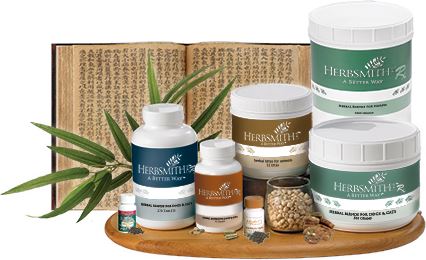
Herbsmith Rx Ping Wei San for Cats, Dogs and Horses rx lineup

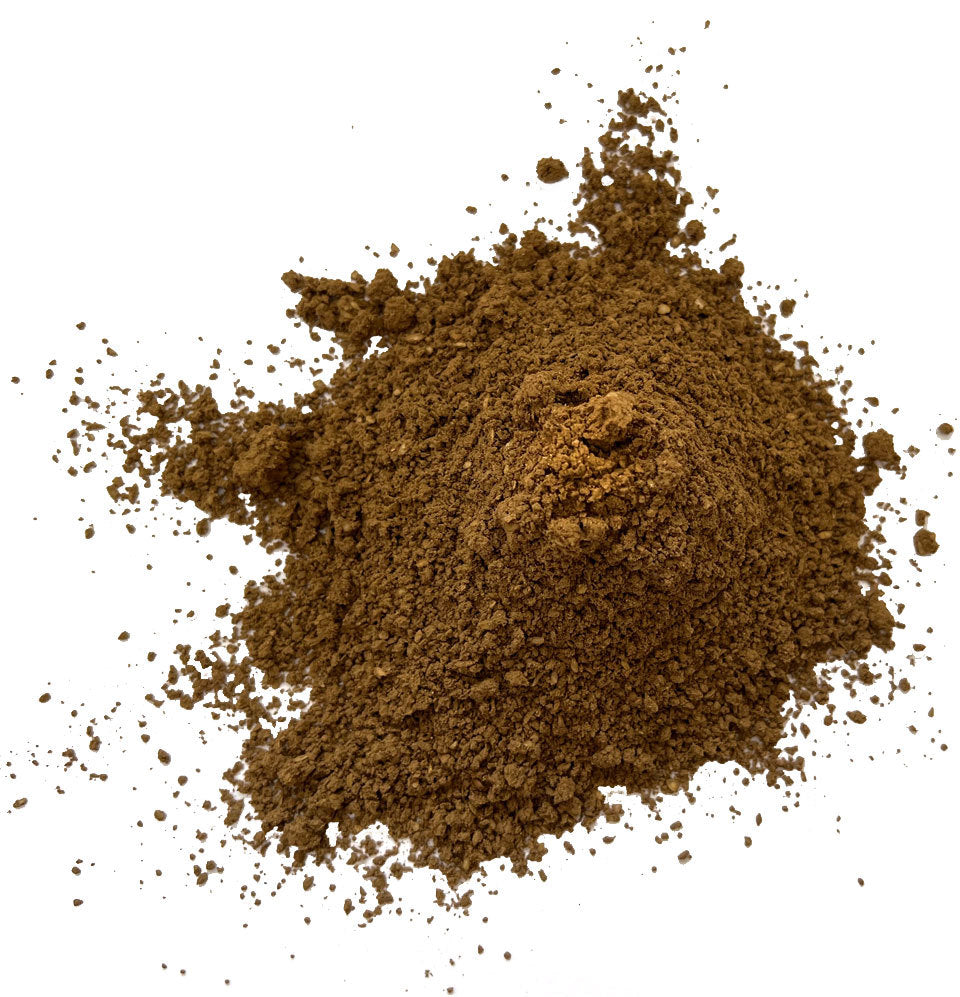
Herbsmith Rx Ping Wei San for Cats, Dogs and Horses

Veterinary Authorization Required for TCVM Herbal Formulas - TCVM Pet Supply

Recommended by holistic veterinarians, Herbsmith Rx Ping Wei San supports digestive balance in dogs, cats, and horses through the traditional actions of drying Dampness, regulating Qi, and harmonizing the Spleen and Stomach. Its four listed herbs combine aromatic Dampness transformation with Qi movement and formula harmonization for a veterinarian-confirmed Middle Jiao Dampness pattern. For an animal whose digestion needs support, formula selection begins with an individualized assessment rather than symptoms alone. Available as powder in Canine Blend for dogs and cats and Equine/Horse Blend for horses. Dosing varies by species and body weight; your authorizing veterinarian will provide specific guidance.

VETERINARY AUTHORIZATION REQUIRED: Submit Your Authorization Request or Request a TCVM Telemedicine Consultation

What It Supports

  • Dampness transformation: Cang Zhu supplies the formula's principal traditional Dampness-drying function.
  • Digestive Qi movement: Hou Po and Chen Pi complement Cang Zhu with traditional Qi regulation and support for abdominal fullness within the selected pattern.
  • Stomach harmonization: The combined approach supports the traditional receiving and descending functions of the Stomach.
  • Balanced formulation: Zhi Gan Cao contributes Spleen Qi support and harmonization alongside the aromatic drying herbs.

TCVM Principles

  • Primary action: Dry Dampness, promote Qi movement, and harmonize the Spleen and Stomach.
  • Classical antecedent: Ping Wei San is traditionally known as Calm the Stomach Powder. This name does not establish equivalence to commercial products labeled Equine G.I. Formula, Harmonize the Stomach, or similar names; compare actual labels and concentrations before substitution.
  • Pattern selection: The existing listing emphasizes Cold-Damp obstruction with fullness, poor appetite, loose stools, and a greasy tongue coating. These findings require a complete veterinary assessment; a tongue coating alone cannot confirm the pattern or exclude serious disease.
  • Pattern cautions: The warming, drying approach may be unsuitable when Heat, Yin deficiency, or fluid depletion predominates. Licorice's harmonizing role does not guarantee prevention of drying effects or adverse reactions.
  • Urgent digestive signs: Repeated vomiting, inability to keep water down, blood or black stool, marked lethargy, or a swollen abdomen requires prompt veterinary assessment. Unproductive retching with abdominal swelling in a dog is an emergency. Colic signs, distension, reduced or absent manure, or markedly reduced gut sounds in a horse require urgent veterinary attention, not a trial of herbal treatment.

Available Forms

  • Canine Blend Powder - Dogs and Cats: Currently listed in 75g, 150g, 500g, 900g, and 1200g sizes; mix into food using the veterinarian-confirmed species and weight directions.
  • Equine/Horse Blend Powder - Horses: Currently described in 150g, 500g, 900g, and 1200g sizes; mix into grain using equine directions. Check the available variant before ordering.

Suggested Use

  • Canine Blend Powder - Dogs under 30 lb: ½ teaspoon twice daily, or as directed by your veterinarian.
  • Canine Blend Powder - Dogs 30-80 lb: 1 teaspoon twice daily, or as directed by your veterinarian.
  • Canine Blend Powder - Dogs 80-120 lb: 1½ teaspoons twice daily, or as directed by your veterinarian.
  • Canine Blend Powder - Dogs over 120 lb: 2 teaspoons twice daily, or as directed by your veterinarian.
  • Canine Blend Powder - Cats: ¼ teaspoon twice daily, or as directed by your veterinarian.
  • Equine/Horse Blend - 1,000 lb horse, initial dose: Two tablespoons twice daily in grain, or as directed by your veterinarian. Use the initial schedule for 20 days, or as directed by your veterinarian.
  • Equine/Horse Blend - 1,000 lb horse, subsequent dose: Two tablespoons once daily in grain after the initial period, or as directed by your veterinarian.

The existing dog bands overlap at exactly 80 lb; confirm the intended dose with the authorizing veterinarian rather than choosing or combining the two entries. Confirm doses for horses of other weights and the appropriate blend for each species. If a horse initially refuses the powder, introduce a small amount in grain and gradually increase until accustomed to the taste, or as directed by your veterinarian. Numeric doses are preserved from the current listing; confirm current manufacturer directions and blend concentrations. Continue only for the prescribed duration, or as directed by your veterinarian; the subsequent horse schedule is not an automatic recommendation for indefinite maintenance. Veterinary authorization is required. Stop administration and contact your veterinarian for persistent digestive upset, unusual weakness, swelling, or other suspected adverse reactions. Do not delay assessment of worsening signs.

Ingredients

Active ingredients, as listed: Cang Zhu (Rhizoma Atractylodis) - Atractylodes rhizome; Hou Po (Cortex Magnoliae Officinalis) - Magnolia bark; Chen Pi (Pericarpium Citri Reticulatae) - Tangerine peel; Zhi Gan Cao (Honey-fried Radix Glycyrrhizae Uralensis) - Honey-fried Licorice root.

Inactive ingredient, as listed: Flaxseed. Confirm the actual label for each blend before relying on a format-specific excipient or allergen claim.

Source confirmation: The ingredient list supplies traditional pharmaceutical Latin names rather than a complete species-level botanical declaration. Full botanical species, proportions, preparation details, concentration, and blend-specific excipients require manufacturer confirmation, particularly the Cang Zhu source and honey-fried Licorice preparation. These are retained without assigning a guessed species or assuming other preparations are interchangeable.

VETERINARY AUTHORIZATION REQUIRED: Submit Your Authorization Request or Request a TCVM Telemedicine Consultation

Active Ingredient TCVM Actions

The four listed herbs combine Dampness drying, Qi regulation, and Spleen-Stomach harmonization. Traditional functions describe the formulation approach rather than guaranteed digestive outcomes.

  • Cang Zhu (Rhizoma Atractylodis) - Atractylodes Rhizome: Traditionally dries Dampness and supports Spleen transformation. It emphasizes Dampness drying rather than the primarily Qi-tonifying approach associated with Bai Zhu; the two should not be silently substituted.
  • Hou Po (Cortex Magnoliae Officinalis) - Magnolia Bark: Traditionally moves Qi, dries Dampness, descends rebellious Qi, and addresses fullness.
  • Chen Pi (Pericarpium Citri Reticulatae) - Tangerine Peel: Traditionally regulates Qi, harmonizes the Middle Jiao, and dries Dampness, complementing Cang Zhu and Hou Po.
  • Zhi Gan Cao (Honey-fried Radix Glycyrrhizae Uralensis) - Honey-fried Licorice Root: Traditionally supports Spleen Qi and harmonizes the formula. Its inclusion does not establish freedom from fluid, electrolyte, or medication concerns.

Potential Drug Interactions

Herbsmith Rx Ping Wei San contains aromatic Qi-regulating herbs, Magnolia bark, and honey-fried Licorice. Animals taking prescription medications should use the formula under veterinary supervision because herb-drug interaction research in dogs, cats, and horses is limited. Licorice-related fluid and electrolyte considerations and potential effects of Magnolia-containing preparations warrant review; the formula's small ingredient count does not establish a favorable safety profile or a lack of systemic effects.

Medication categories warranting extra caution include corticosteroids, diuretics, cardiac medicines including digoxin, medicines affecting blood pressure or electrolyte balance, sedatives, muscle relaxants, and multiple prescriptions. Discuss heart or kidney disease, fluid retention, pregnancy, nursing, and planned procedures before use. Do not change prescribed medicines yourself. Stop administration and contact your veterinarian for unusual weakness, swelling, persistent digestive upset, or other suspected adverse reactions. Your veterinarian can determine appropriateness based on your animal's condition, medications, and laboratory results.

VETERINARY AUTHORIZATION REQUIRED: Submit Your Authorization Request or Request a TCVM Telemedicine Consultation

Frequently Asked Questions

What is Ping Wei San used for in TCVM?

It traditionally dries Dampness, moves Qi, and harmonizes the Spleen and Stomach when Dampness obstructs the Middle Jiao. The current listing emphasizes a Cold-Damp presentation involving fullness, poor appetite, and loose stools. These signs have many possible causes and do not independently establish the pattern. In horses, colic, distension, reduced manure, or markedly reduced gut sounds require urgent assessment rather than waiting for an herbal response.

How is Ping Wei San dosed for dogs, cats, and horses?

Dogs use Canine Blend: under 30 lb, ½ teaspoon twice daily, or as directed by your veterinarian; 30-80 lb, 1 teaspoon twice daily, or as directed by your veterinarian; 80-120 lb, 1½ teaspoons twice daily, or as directed by your veterinarian; over 120 lb, 2 teaspoons twice daily, or as directed by your veterinarian. The bands overlap at exactly 80 lb, so obtain an individual dose rather than selecting between them. Cats use Canine Blend at ¼ teaspoon twice daily, or as directed by your veterinarian. Mix into food.

For a 1,000 lb horse using Equine/Horse Blend, give two tablespoons twice daily in grain, or as directed by your veterinarian. Use the initial schedule for 20 days, or as directed by your veterinarian. Then give two tablespoons once daily in grain, or as directed by your veterinarian. If initially refused, introduce a small amount in grain and gradually increase until accustomed to the taste, or as directed by your veterinarian. Confirm other horse weights and current blend labels with your authorizing veterinarian. Continue only for the prescribed duration, or as directed by your veterinarian.

How are response and suitability monitored?

Your veterinarian reviews appetite, stool or manure, hydration, abdominal comfort, medications, and the underlying diagnosis. Continue only for the prescribed duration, or as directed by your veterinarian. The warming, drying strategy needs reassessment if Heat or fluid-depletion signs predominate. Repeated vomiting, blood or black stool, severe lethargy, a swollen abdomen, or equine colic signs warrant prompt veterinary attention.

How does Ping Wei San differ from other digestive formulas?

Its traditional emphasis is Dampness drying and Qi movement, rather than nourishment alone. Si Jun Zi Tang emphasizes Spleen Qi support, Bao He Wan addresses food accumulation, and Xiao Yao San has a Liver constraint and Spleen-supporting approach. These are broad traditional distinctions, not instructions to substitute products or combine formulas. Neither a tongue finding nor a commercial name alone establishes suitability or equivalence; your veterinarian selects the formula from the full presentation and actual label.

QUESTIONS & ANSWERS

Have a Question?

Be the first to ask a question about this.

Ask a Question