
Your shopping bag is empty
Go to the shop

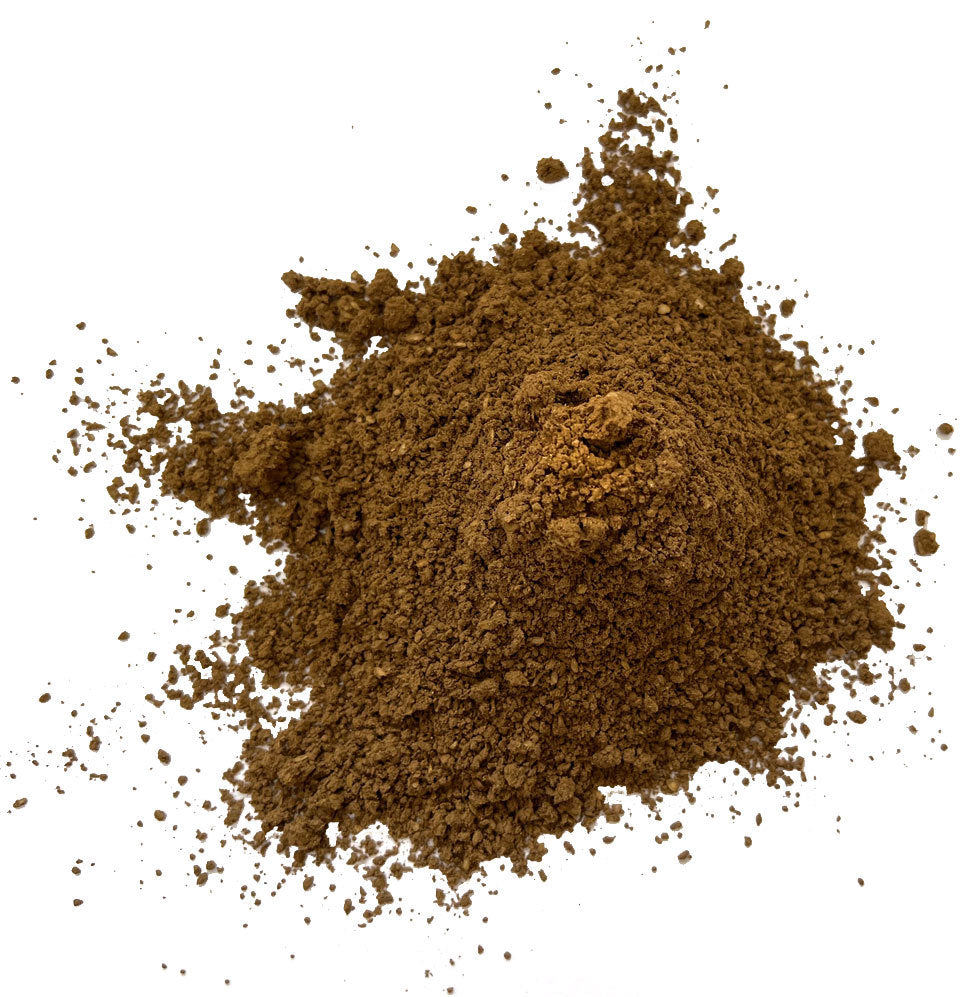
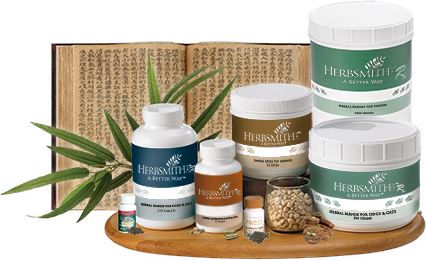
Herbsmith Rx Liu Wei Di Huang San is a classical Chinese herbal formula recommended by holistic veterinarians to enrich the yin and nourish the kidneys in dogs, cats, and horses. Comparable to Six Ingredient with Rehmannia, Rehmannia 6, Six Flavor Rehmannia Pills, Six Flavor Tea, and Quiet Contemplative, it enriches the yin and nourishes the kidneys, serving as the foundational formula for liver and kidney yin vacuity presenting with fatigue, general dryness, low back stiffness or soreness, anxiety, and frequent urination. One of the most important and widely used formulas in the entire Chinese herbal repertoire and the foundation from which many kidney yin tonic formulas are derived, Liu Wei Di Huang San addresses kidney and liver yin vacuity through the classical three-tonics-and-three-drains architecture that is its defining structural feature: three tonic herbs (Shu Di Huang, Shan Zhu Yu, Shan Yao) enrich the kidney yin and essence, nourish the liver, and strengthen the spleen and kidney; and three balancing draining herbs (Ze Xie, Mu Dan Pi, Fu Ling) prevent the heavy tonic herbs from creating dampness, fire, or stagnation by counterbalancing each tonic herb's potential excess action. Well suited for dogs, cats, and horses presenting with kidney and liver yin vacuity, characterized by fatigue, general dryness of the coat, skin, or mucous membranes, low back stiffness or soreness, restlessness or anxiety, frequent or scanty urination, a red tongue with a scanty or absent coating reflecting the yin vacuity, and a thin rapid pulse. Available as a concentrated powder mixed into food; cats and dogs use the Canine Blend, while horses use the Equine/Horse Blend. Dosing varies by species and body weight, and your authorizing veterinarian will provide specific guidance.
VETERINARY AUTHORIZATION REQUIRED: Submit Your Authorization Request or Request a TCVM Telemedicine Consultation
What It Supports
- Kidney yin and essence enrichment as the constitutional foundation: Enriches the kidney yin and replenishes the kidney essence using Shu Di Huang as the principal kidney yin and essence-nourishing herb, addressing the kidney yin vacuity root that deprives the liver, bones, brain, marrow, and constitutional tissues of the yin and essence nourishment they require, and producing the fatigue, low back stiffness or soreness, restlessness, and general dryness characteristic of the kidney yin vacuity pattern in dogs, cats, and horses.
- Liver yin and kidney essence astringing and consolidation: Nourishes and astringes the liver and kidney, consolidates the essence, and prevents essence leakage using Shan Zhu Yu's sour-warm astringing and liver-kidney-nourishing action, supporting the kidney's ability to hold and consolidate the essence nourished by Shu Di Huang and preventing the yin vacuity pattern from progressing through continued essence leakage, addressing the frequent urination and restlessness that arise when the kidney yin vacuity prevents adequate essence consolidation.
- Spleen and kidney tonification to support the tonic herbs' absorption: Tonifies the spleen and lung and supports the kidney's transforming function using Shan Yao's sweet-neutral spleen-and-kidney-tonifying action, ensuring the formula's yin-nourishing herbs are effectively absorbed and transformed by the spleen and that the kidney has adequate transforming qi alongside the yin nourishment, preventing the heavy tonic herbs from creating middle jiao stagnation and supporting the sustained constitutional treatment course needed to rebuild the depleted kidney yin.
- Constitutional yin vacuity support for fatigue, dryness, and restlessness: Addresses the full constitutional presentation of kidney and liver yin vacuity through the formula's combined six-herb tonic-and-draining strategy, supporting the fatigue, general dryness of coat and skin, low back stiffness or soreness, restlessness or anxiety, and frequent or scanty urination that collectively characterize the kidney-liver yin vacuity pattern in dogs, cats, and horses, and establishing the kidney yin foundation that supports all subsequent constitutional treatment for yin-deficiency-related conditions.
TCVM Principles
- Primary action - kidney and liver yin enrichment through the classical three-tonics-and-three-drains architecture: Addresses kidney and liver yin vacuity through the formula's defining structural feature, the three-tonics-and-three-drains architecture in which each tonic herb is precisely balanced by a draining herb that prevents the tonic's potential excess action: Shu Di Huang (principal kidney yin and essence tonic) is balanced by Ze Xie (which drains the kidney fire that can arise from Shu Di Huang's heavy, sticky nature and prevents it from generating dampness in the lower jiao); Shan Zhu Yu (liver-kidney nourishing and essence-astringing tonic) is balanced by Mu Dan Pi (which clears the liver fire that can arise when the astringing action of Shan Zhu Yu holds heat in the liver channel); and Shan Yao (spleen-and-kidney-tonifying tonic) is balanced by Fu Ling (which drains the dampness that Shan Yao's tonifying action can generate in the middle jiao and supports the spleen's clear qi-raising function). This three-three balancing architecture gives Liu Wei Di Huang San its clinical elegance and safety for sustained constitutional use: the three tonic herbs deeply nourish the kidney yin and liver-spleen support structures, while the three draining herbs ensure the tonification proceeds without creating the stagnation, dampness, or fire that heavy yin tonics can generate when used without counterbalancing herbs.
- Secondary action - the formula as a foundation for kidney yin-based constitutional treatment: Establishes the kidney yin and essence foundation from which all downstream constitutional treatment for yin vacuity conditions proceeds, addressing the kidney and liver yin vacuity root that underlies many chronic conditions in dogs, cats, and horses characterized by the dryness, fatigue, and constitutional deficiency signs of the kidney-liver yin vacuity pattern. Liu Wei Di Huang San is the base formula from which many other kidney yin tonic formulas are derived by addition - formulas for kidney yin vacuity with fire signs, with qi vacuity, with blood vacuity, or with specific organ system involvement all build on its six-herb three-three architecture - making it both an effective standalone treatment for the pure kidney-liver yin vacuity pattern and the foundational formula that veterinarians modify with additional herbs to address the specific constitutional presentation of the individual animal.
Available Forms
- Powder - Canine Blend (for dogs and cats): Available in 75 g, 150 g, 500 g, 900 g, and 1200 g sizes; mix into food at the recommended dose for your pet's weight. Cats and dogs both use this blend.
- Powder - Equine/Horse Blend (for horses only): Available in 150 g, 500 g, 900 g, and 1200 g sizes; mix into grain at the recommended dose for your horse.
Suggested Use
For Dogs (Canine Blend Powder):
- Under 30 lbs: ½ tsp twice daily, or as prescribed
- 30-80 lbs: 1 tsp twice daily, or as prescribed
- 80-120 lbs: 1½ tsp twice daily, or as prescribed
- Over 120 lbs: 2 tsp twice daily, or as prescribed
For Cats (Canine Blend Powder): ¼ tsp twice daily, or as prescribed
For Horses (Equine/Horse Blend, 1,000 lb horse): Two tablespoons twice daily for 20 days, then two tablespoons once daily in grain. If the horse initially refuses, start with a small amount mixed into grain and gradually increase until the horse is accustomed to the taste. Most horses will readily accept the herbs in their grain.
Ingredients
Active Ingredients: Shu Di Huang (Radix Rehmanniae Glutinosae Conquitae), Shan Zhu Yu (Fructus Corni Officinalis), Shan Yao (Radix Dioscoreae Oppositae), Fu Ling (Sclerotium Poriae Cocos), Mu Dan Pi (Cortex Moutan Radicis), Ze Xie (Rhizoma Alismatis Orientalis)
Inactive Ingredient: Flaxseed
VETERINARY AUTHORIZATION REQUIRED: Submit Your Authorization Request or Request a TCVM Telemedicine Consultation
Active Ingredient TCVM Actions
Liu Wei Di Huang San is a six-herb formula built on the classical three-tonics-and-three-drains architecture, in which each of the three principal tonic herbs is precisely balanced by a draining herb that prevents the tonic's potential excess action, creating a sustained and well-tolerated kidney and liver yin enrichment strategy appropriate for the extended constitutional treatment course needed to rebuild the depleted kidney yin:
- Shu Di Huang (Radix Rehmanniae Glutinosae Conquitae) - Prepared Rehmannia Root: Principal herb; enriches the kidney yin and jing (essence), nourishes the blood, and fills the marrow; the most powerful kidney yin and essence-nourishing herb in the Chinese materia medica and the formula's defining principal herb, providing the deep kidney yin and essence nourishment at the root of the formula's constitutional treatment strategy. The prepared form (Shu Di Huang, steamed with wine) is used because its warm, sweet, and deeply nourishing nature suits the kidney yin vacuity context, where the raw form's cooler nature would be less effective for sustained constitutional tonification. Balanced by Ze Xie, which drains the kidney fire and dampness that Shu Di Huang's heavy, sticky nature can generate when used alone.
- Shan Zhu Yu (Fructus Corni Officinalis) - Asiatic Cornelian Cherry Fruit / Cornus Fruit: Nourishes and astringes the liver and kidney, consolidates the essence, and stabilizes the kidneys; the liver-and-kidney-nourishing and essence-astringing herb that supports the kidney's ability to hold and consolidate the essence nourished by Shu Di Huang, preventing the continued essence leakage through urination and restlessness that characterizes the yin vacuity pattern. Balanced by Mu Dan Pi, which clears the liver fire that can arise when Shan Zhu Yu's astringing action holds heat in the liver channel alongside the liver yin nourishment.
- Shan Yao (Radix Dioscoreae Oppositae) - Chinese Yam Root / Dioscorea: Tonifies the spleen and lung qi and yin, stabilizes the kidneys, and supports the essence; the spleen-and-kidney-tonifying herb that ensures the formula's heavy tonic herbs are effectively absorbed and transformed by the spleen, and that the kidney has adequate qi and yin support from the spleen's transforming function alongside the direct kidney yin nourishment from Shu Di Huang, preventing the middle jiao stagnation that can arise when heavy yin tonics are used without adequate spleen support. Balanced by Fu Ling, which drains the dampness that Shan Yao's tonifying action can generate in the middle jiao.
- Ze Xie (Rhizoma Alismatis Orientalis) - Water Plantain Rhizome / Alisma: Drains dampness, promotes urination, and clears kidney fire; the draining counterbalance to Shu Di Huang's heavy, sticky kidney yin-nourishing action, preventing Shu Di Huang from generating dampness or fire in the lower jiao by draining excess kidney fire and dampness through the urine, and ensuring the kidney yin nourishment proceeds without creating the dampness accumulation or lower jiao fire that the principal herb's heavy tonifying action can produce when used without this counterbalancing drain.
- Mu Dan Pi (Cortex Moutan Radicis) - Tree Peony Root Bark / Moutan Bark: Clears heat and fire from the liver and kidneys, cools the blood, and invigorates the blood; the draining counterbalance to Shan Zhu Yu's astringing and liver-kidney-nourishing action, clearing the liver fire that can arise when Shan Zhu Yu holds the liver qi and heat through its astringing action, cooling the blood-heat component of the liver yin vacuity pattern, and providing mild blood-invigorating action to prevent blood stasis from the formula's overall cooling and tonifying direction.
- Fu Ling (Sclerotium Poriae Cocos) - Poria / Hoelen: Strengthens the spleen, drains dampness, and calms the spirit; the draining counterbalance to Shan Yao's spleen-tonifying action, draining the dampness that Shan Yao's middle jiao tonification can generate by strengthening the spleen's dampness-transforming function and draining accumulated dampness through the urine, and supporting the spleen's clear qi-raising function throughout the sustained kidney yin-nourishing treatment course to ensure the tonic herbs are effectively absorbed and distributed.
Potential Drug Interactions
Liu Wei Di Huang San is a foundational yin tonic formula with a generally favorable safety profile for sustained constitutional use, reflecting its classical design with three draining herbs that moderate the tonic herbs' potential for generating dampness, fire, or stagnation. Mu Dan Pi has mild anticoagulant and blood-invigorating properties and should be monitored in animals on anticoagulant or antiplatelet medications. Ze Xie's urination-promoting action may interact with diuretic medications and warrant monitoring for fluid balance in animals on diuretics. The formula's heavy Shu Di Huang component may be poorly tolerated in animals with significant spleen qi vacuity and dampness (loose stools, poor appetite, greasy tongue coating), where the heavy yin tonic's sticky nature may further impair spleen function despite Fu Ling's counterbalancing action; in such cases, the authorizing veterinarian may recommend a modified formula with additional spleen qi support. Pets on anticoagulant medications or diuretic medications should discuss this formula with their veterinarian before use.
Medication categories warranting extra caution include anticoagulant and antiplatelet medications (Mu Dan Pi's blood-invigorating properties), diuretic medications (Ze Xie's urination-promoting effects), and immunosuppressive or hormonal medications where the formula's constitutional kidney yin-nourishing action may interact with medications modulating the hypothalamic-pituitary-adrenal axis or reproductive hormones. Your authorizing veterinarian will determine appropriateness based on your animal's condition, current medications, and whether the presenting pattern is the kidney-liver yin vacuity pattern for which Liu Wei Di Huang San is indicated, with assessment of spleen qi function to determine whether a modified formula is more appropriate for the individual animal.
VETERINARY AUTHORIZATION REQUIRED: Submit Your Authorization Request or Request a TCVM Telemedicine Consultation
Frequently Asked Questions
What conditions is Liu Wei Di Huang San used for in TCVM?
In Traditional Chinese Veterinary Medicine, Liu Wei Di Huang San is the foundational formula for kidney and liver yin vacuity, presenting with fatigue, general dryness of the coat or skin or mucous membranes, low back stiffness or soreness, restlessness or anxiety, frequent or scanty urination, a red tongue with a scanty or absent coating, and a thin, rapid pulse reflecting the yin vacuity. Comparable to Six Ingredient with Rehmannia, Rehmannia 6, Six Flavor Rehmannia Pills, Six Flavor Tea, and Quiet Contemplative, it is the most widely prescribed kidney yin tonic formula in Chinese herbal medicine and the foundational formula from which dozens of other kidney yin-based formulas are derived. It is specifically indicated for the pure kidney-liver yin vacuity pattern and is the starting point from which the authorizing veterinarian may add herbs to address the individual animal's specific constitutional presentation.
How is Liu Wei Di Huang San administered to dogs, cats, and horses?
Mix the powder directly into food or grain at the dose recommended for your animal's species and body weight. Dogs and cats use the Canine Blend; horses use the Equine/Horse Blend. Dogs and cats receive the formula twice daily; horses receive two tablespoons twice daily for the first 20 days, then once daily for maintenance. If the horse initially refuses, start with a small amount mixed into grain and gradually increase until the horse is accustomed to the taste. Most horses will readily accept the herbs in their grain. Your authorizing veterinarian will confirm the appropriate dose and schedule for your individual animal and will assess spleen qi function to determine whether the standard formula or a modified version is most appropriate for the specific constitutional presentation.
How long does it take to see results with Liu Wei Di Huang San?
Because Liu Wei Di Huang San addresses a deep constitutional kidney yin vacuity that typically develops gradually over months or years, rebuilding the depleted kidney yin requires a sustained treatment course. Many animals show gradual improvement in coat moisture and quality, restlessness, urinary frequency, and overall vitality within 4 to 8 weeks of consistent use as the kidney yin is progressively nourished. Full constitutional improvement in the deeper yin vacuity signs - tongue moisture and coat, low back strength and comfort, and overall constitutional resilience - typically requires 3 to 6 months or more of sustained treatment. Your veterinarian will monitor tongue quality, pulse, coat condition, urinary signs, energy level, and body condition as indicators of the kidney yin's progressive restoration throughout the extended treatment course.
Why does Liu Wei Di Huang San include three draining herbs alongside the three tonic herbs?
The three draining herbs (Ze Xie, Mu Dan Pi, Fu Ling) are not incidental additions but essential structural components of the formula, making it safe and effective for the sustained constitutional use that kidney yin vacuity requires. Without the three drains, the three heavy tonic herbs would generate the very problems they aim to treat: Shu Di Huang's heavy, sticky nature would create dampness and fire in the lower jiao without Ze Xie's draining counterbalance; Shan Zhu Yu's astringing action would hold heat in the liver channel and generate liver fire without Mu Dan Pi's heat-clearing counterbalance; and Shan Yao's middle jiao tonification would generate dampness without Fu Ling's dampness-draining counterbalance. The classical three-tonics-and-three-drains architecture gives Liu Wei Di Huang San its clinical elegance: the tonic herbs deeply nourish the kidney yin and constitutional foundation, while the draining herbs ensure the tonification proceeds cleanly without generating secondary accumulations. This balance is the reason the formula has remained the foundational kidney yin tonic formula in Chinese herbal medicine for over a thousand years.
QUESTIONS & ANSWERS
Have a Question?
Be the first to ask a question about this.