
Your shopping bag is empty
Go to the shop

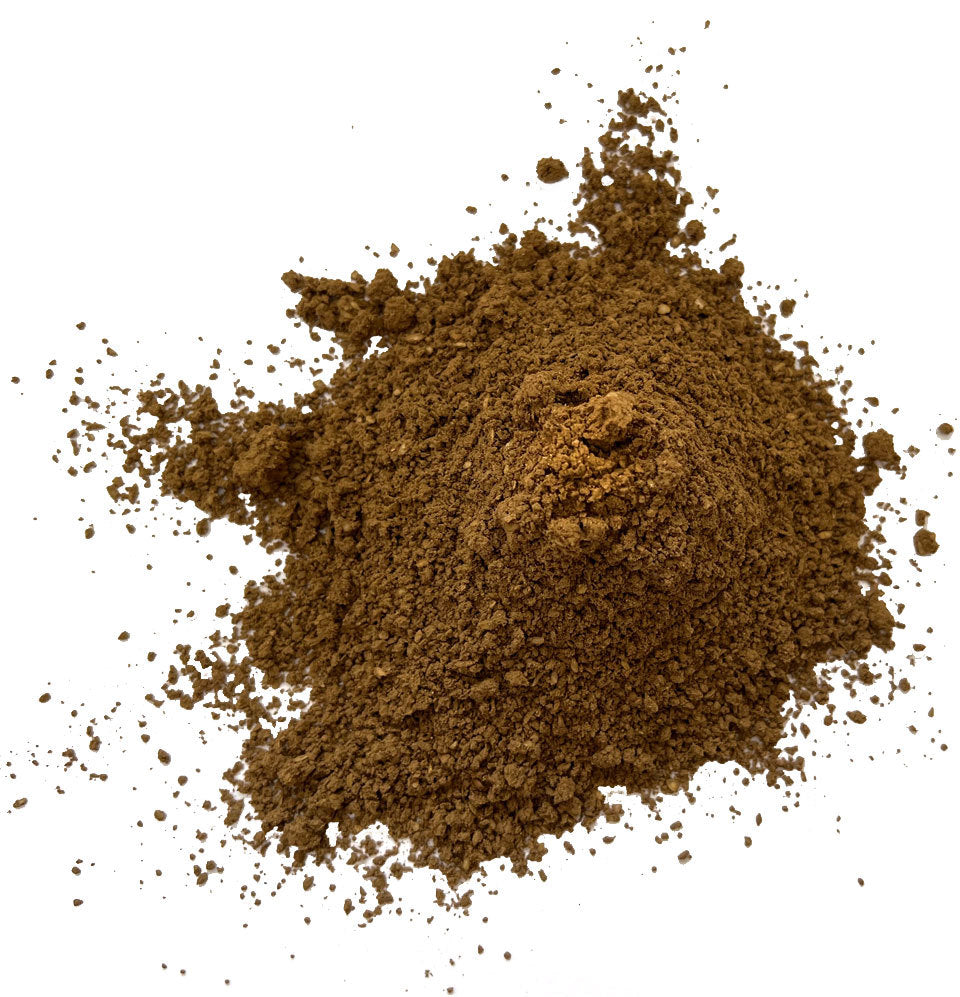
Herbsmith Rx Kang Ning Wan is a classical Chinese herbal formula recommended by holistic veterinarians as an excellent, quick-acting formula for clearing dampness from the stomach and spleen in dogs, cats, and horses. Comparable to Curing Pills, Healthy Peaceful Pills, and Curing Formula, it clears dampness from the stomach and spleen with remarkable speed for acute stomach upset, nausea, and bloating, addressing gastrointestinal disharmony with dampness and stomach qi ascending counterflow. A fourteen-herb formula deploying multiple complementary dampness-clearing strategies simultaneously, Kang Ning Wan addresses the acute gastrointestinal dampness pattern through coordinated herb groups that drain dampness through urination, aromatically transform and dry dampness in the middle jiao, move the qi stagnation that dampness creates, harmonize the stomach and relieve food stagnation, raise the clear yang, provide light cooling to address any mild heat component, and protect the fluids from the formula's drying action. The broad-spectrum, simultaneous action of its fourteen herbs is what makes this formula work so quickly for acute stomach upset, nausea, and bloating. Well suited for dogs, cats, and horses presenting with gastrointestinal disharmony with dampness, characterized by acute nausea or vomiting, abdominal bloating or fullness, loose stools or diarrhea, reduced appetite, and the pale or swollen tongue with a white greasy coating and slippery pulse reflecting the acute dampness accumulation in the stomach and spleen. Available as a concentrated powder mixed into food; cats and dogs use the Canine Blend, while horses use the Equine/Horse Blend. Dosing varies by species and body weight, and your authorizing veterinarian will provide specific guidance.
VETERINARY AUTHORIZATION REQUIRED: Submit Your Authorization Request or Request a TCVM Telemedicine Consultation
What It Supports
- Rapid dampness clearing and stomach-spleen disharmony resolution: Clears dampness from the stomach and spleen through multiple simultaneous herb strategies, addressing the acute gastrointestinal dampness accumulation that produces nausea, vomiting, bloating, and loose stools in dogs, cats, and horses. The formula's fourteen-herb composition deploys drainage, aromatic transformation, drying, qi movement, food stagnation relief, and fluid protection simultaneously, providing the broad-spectrum dampness-clearing action that gives Kang Ning Wan its characteristically rapid onset for acute stomach upset.
- Stomach qi rebellious ascent relief and nausea and vomiting support: Descends the rebellious stomach qi and relieves nausea and vomiting using the combined stomach-harmonizing actions of Huo Xiang, Hou Po, Mu Xiang, and Shen Qu, addressing the upward-rebelling stomach qi that arises when dampness obstructs the stomach's normal downward-descending qi direction, and providing multi-herb stomach-harmonizing coverage that addresses both the dampness obstruction causing the rebellious qi and the qi stagnation perpetuating it.
- Abdominal bloating and fullness relief through qi movement: Relieves abdominal bloating, fullness, and distension using Hou Po's and Mu Xiang's coordinated qi-moving and abdominal-fullness-relieving action, addressing the qi stagnation that accumulates behind the dampness obstruction in the stomach and intestines, and restoring the normal free movement of qi through the middle jiao alongside the dampness-clearing and stomach-harmonizing actions of the formula's other herbs.
- Digestive restoration and food stagnation relief: Harmonizes the stomach and relieves food stagnation using Shen Qu and Gu Ya, addressing the food accumulation and digestive impairment that commonly accompany the acute gastrointestinal dampness pattern, and restoring the stomach's normal receiving and decomposing function alongside the dampness clearing and qi movement that the formula's primary herbs provide, supporting appetite recovery and normal digestion as the acute dampness pattern is resolved.
TCVM Principles
- Primary action - rapid multi-strategy dampness clearing through fourteen coordinated herbs addressing gastrointestinal dampness from all angles simultaneously: Addresses acute gastrointestinal disharmony with dampness through five coordinated herb groups acting simultaneously: (1) Dampness-draining group: Fu Ling (drains dampness through the urine and strengthens the spleen) and Yi Yi Ren (drains dampness and clears heat through the urine); (2) Aromatic dampness-transforming and exterior-releasing group: Huo Xiang (aromatically transforms dampness and harmonizes the middle jiao, the primary stomach-harmonizing herb) and Bai Zhi (aromatically transforms dampness and releases the exterior-dampness component of the acute gastrointestinal pattern); (3) Dampness-drying and spleen-strengthening group: Cang Zhu (strongly dries dampness and strengthens the spleen) and Hou Po (moves the qi and dries dampness in the middle jiao); (4) Qi-moving and food-stagnation-relieving group: Mu Xiang (moves the qi and relieves abdominal fullness), Shen Qu (harmonizes the stomach and relieves food stagnation), and Gu Ya (harmonizes the stomach and relieves food accumulation); and (5) Supporting and balancing group: Ge Gen (raises the clear yang and relieves diarrhea), Ju Hua and Bo He (lightly clear heat and the mild heat component of the dampness pattern), Tian Hua Fen (generates fluids to counterbalance the formula's multiple drying herbs and protect the fluids from over-drying), and Ju Hong Pi (moves the qi and transforms phlegm-dampness in the middle jiao). The simultaneous deployment of all five strategies is what gives Kang Ning Wan its remarkably rapid action on acute stomach upset.
- Secondary action - fluid protection and heat-component management within the acute dampness-clearing treatment: Balances the formula's multiple bitter-warm drying and aromatic dampness-transforming herbs with Tian Hua Fen's fluid-generating action to prevent the acute dampness-clearing treatment from over-drying and injuring the stomach fluids, and with Ju Hua's and Bo He's light cooling action to address the mild heat component that often accompanies the acute gastrointestinal dampness pattern as the dampness obstructs normal qi flow and generates mild secondary heat. This balanced composition ensures the formula rapidly clears the dampness while maintaining the fluid environment the stomach needs for recovery and preventing the drying herbs from creating a secondary stomach fluid deficiency during the acute treatment course.
Available Forms
- Powder - Canine Blend (for dogs and cats): Available in 75 g, 150 g, 500 g, 900 g, and 1200 g sizes; mix into food at the recommended dose for your pet's weight. Cats and dogs both use this blend.
- Powder - Equine/Horse Blend (for horses only): Available in 150 g, 500 g, 900 g, and 1200 g sizes; mix into grain at the recommended dose for your horse.
Suggested Use
For Dogs (Canine Blend Powder):
- Under 15 lbs: ¼ tsp twice daily, or as prescribed
- 15-30 lbs: ½ tsp twice daily, or as prescribed
- 31-80 lbs: 1 tsp twice daily, or as prescribed
- 81-120 lbs: 1½ tsp twice daily, or as prescribed
- Over 120 lbs: 2 tsp twice daily, or as prescribed
For Cats (Canine Blend Powder): ¼ tsp twice daily, or as prescribed
For Horses (Equine/Horse Blend, 1,000 lb horse): Two tablespoons twice daily for 20 days, then two tablespoons once daily in grain. If the horse initially refuses, start with a small amount mixed into grain and gradually increase until the horse is accustomed to the taste. Most horses will readily accept the herbs in their grain.
Ingredients
Active Ingredients: Fu Ling (Sclerotium Poriae Cocos), Yi Yi Ren (Semen Coicis Lachryma-jobi), Ju Hua (Flos Chrysanthemi Morifolii), Shen Qu (Massa Fermentata Medicinalis), Bai Zhi (Radix Angelicae Dahuricae), Huo Xiang (Herba Agastachis seu Pogostemi), Hou Po (Cortex Magnoliae Officinalis), Mu Xiang (Radix Aucklandiae Lappae), Ge Gen (Radix Puerariae), Cang Zhu (Rhizoma Atractylodis), Gu Ya (Fructus Oryzae Sativae Germinantus), Tian Hua Fen (Radix Trichosanthis), Ju Hong Pi (Exocarpium Citri Rubrum), Bo He (Herba Menthae Haplocalycis)
Inactive Ingredient: Flaxseed
VETERINARY AUTHORIZATION REQUIRED: Submit Your Authorization Request or Request a TCVM Telemedicine Consultation
Active Ingredient TCVM Actions
Kang Ning Wan is a fourteen-herb formula addressing acute gastrointestinal disharmony with dampness through five coordinated herb groups that simultaneously drain dampness, aromatically transform and dry dampness in the middle jiao, move the qi stagnation, relieve food stagnation, raise the clear yang, lightly clear any mild heat component, and protect the fluids from the formula's drying action:
- Fu Ling (Sclerotium Poriae Cocos) - Poria / Hoelen: Strengthens the spleen, drains dampness through the urine, and calms the spirit; the principal dampness-draining herb of the formula and its highest-proportion ingredient, providing the primary dampness drainage through urination that is the foundation of the formula's dampness-clearing strategy, and strengthening the spleen to improve its dampness-transforming function alongside the formula's direct dampness-clearing herbs.
- Yi Yi Ren (Semen Coicis Lachryma-jobi) - Job's Tears Seed / Coix Seed: Drains dampness and promotes urination, strengthens the spleen, clears heat, and expels pus; the second dampness-draining herb that augments Fu Ling's urinary dampness drainage with additional heat-clearing action, addressing the mild heat component that often accompanies acute gastrointestinal dampness accumulation and providing complementary spleen-strengthening support alongside the primary dampness drainage.
- Ju Hua (Flos Chrysanthemi Morifolii) - Chrysanthemum Flower: Clears heat and wind-heat, calms the liver, and brightens the eyes; provides light cooling to address the mild heat component of the gastrointestinal dampness pattern where the dampness obstruction has generated secondary heat, working with Bo He to give the formula balanced heat-clearing coverage without the strong bitter-cold cooling that would be inappropriate in a primarily dampness-clearing formula.
- Shen Qu (Massa Fermentata Medicinalis) - Medicated Leaven / Fermented Leaven: Harmonizes the stomach, reduces food stagnation, and strengthens the stomach's digestive function; the primary food-stagnation-relieving herb that addresses the food accumulation and impaired digestion that commonly accompany the acute gastrointestinal dampness pattern, restoring the stomach's normal receiving and decomposing function alongside the dampness clearing and qi movement provided by the formula's other herbs.
- Bai Zhi (Radix Angelicae Dahuricae) - Angelica Dahurica Root / Dahurian Angelica Root: Aromatically transforms dampness, releases the exterior, reduces swelling, and drains pus; the aromatic exterior-releasing herb that addresses the surface dampness component of the acute gastrointestinal pattern where dampness has an exterior as well as an interior dimension, using its acrid-warm aromatic nature to transform dampness and open the surface alongside Huo Xiang's interior aromatic dampness-transforming action.
- Huo Xiang (Herba Agastachis seu Pogostemi) - Agastache / Patchouli Herb: Aromatically transforms dampness, harmonizes the middle jiao, releases the exterior, and stops vomiting; the primary aromatic dampness-transforming and stomach-harmonizing herb of the formula, providing the characteristic aromatic dampness-transforming action that is central to the formula's middle jiao dampness-clearing strategy, harmonizing the stomach to relieve nausea and vomiting, and releasing the exterior dampness component of the acute pattern alongside its interior dampness-transforming action.
- Hou Po (Cortex Magnoliae Officinalis) - Magnolia Bark: Promotes the movement of qi, dries dampness, and relieves abdominal fullness and distension; provides both dampness-drying action in the middle jiao and strong qi-moving action to relieve the abdominal bloating and distension that arise when dampness obstructs normal qi flow through the stomach and intestines, working with Mu Xiang to provide comprehensive qi-moving and abdominal-fullness-relieving coverage throughout the gastrointestinal tract.
- Mu Xiang (Radix Aucklandiae Lappae) - Costus Root / Saussurea Root: Promotes the movement of qi, alleviates discomfort, and strengthens the spleen; the primary qi-moving herb for the middle and lower jiao, moving the qi stagnation that accumulates behind the dampness obstruction throughout the gastrointestinal tract, relieving the abdominal fullness and discomfort associated with the dampness pattern, and harmonizing the liver and spleen to prevent liver qi stagnation from adding a secondary constraint component to the acute dampness pattern.
- Ge Gen (Radix Puerariae) - Kudzu Root / Pueraria Root: Releases the exterior, raises the clear yang, relieves diarrhea, and generates fluids; raises the clear yang that the acute dampness accumulation has suppressed, directly relieves the diarrhea component of the gastrointestinal dampness pattern by raising the clear yang of the large intestine, and generates fluids to support Tian Hua Fen's fluid-protective function within the formula's overall dampness-clearing strategy.
- Cang Zhu (Rhizoma Atractylodis) - Atractylodes Rhizome / Gray Atractylodes: Strongly dries dampness and strengthens the spleen, releases the exterior; the most powerful dampness-drying herb in the formula, providing strong bitter-warm drying action that addresses the dampness accumulation directly and strengthens the spleen's ability to transform dampness, complementing the drainage approach of Fu Ling and Yi Yi Ren with direct dampness-drying action in the middle jiao.
- Gu Ya (Fructus Oryzae Sativae Germinantus) - Rice Sprout / Germinated Rice: Harmonizes the stomach, reduces food stagnation, and strengthens the spleen; the second food-stagnation-relieving herb that works alongside Shen Qu to comprehensively address the food accumulation and digestive impairment of the acute gastrointestinal dampness pattern, using a gentler and more tonifying approach than Shen Qu to restore the stomach's digestive capacity while the dampness is being cleared by the formula's primary herbs.
- Tian Hua Fen (Radix Trichosanthis) - Trichosanthes Root / Chinese Cucumber Root: Generates fluids, clears heat, and reduces swelling; the essential fluid-protecting herb that counterbalances the formula's multiple bitter-warm drying and aromatic dampness-transforming herbs, preventing the collective drying action of Cang Zhu, Hou Po, Huo Xiang, Bai Zhi, and the other drying herbs from injuring the stomach fluids during the acute dampness-clearing treatment course, ensuring the formula dries the pathological dampness without creating secondary stomach fluid depletion.
- Ju Hong Pi (Exocarpium Citri Rubrum) - Red Tangerine Peel Outer Layer: Moves the qi, dries dampness, and transforms phlegm; the outer red layer of the tangerine peel (distinguished from Chen Pi, which uses the full peel) provides targeted qi-moving and dampness-drying action with stronger aromatic qi-moving properties than the full peel, complementing Chen Pi-like action with enhanced phlegm-dampness-transforming coverage in the middle jiao and supporting the formula's qi-moving strategy alongside Hou Po and Mu Xiang.
- Bo He (Herba Menthae Haplocalycis) - Peppermint Herb / Field Mint: Releases the exterior and wind-heat, clears the head and eyes, and soothes the liver qi; the lightest and most cooling herb in the formula, providing gentle heat-clearing and exterior-releasing action to address the mild heat and surface component of the acute gastrointestinal dampness pattern, and soothing the liver qi to prevent liver qi stagnation from adding a secondary constraint to the dampness pattern. Used in the smallest proportion, it balances the formula's predominantly warm, drying character with a light cooling and dispersing action.
Potential Drug Interactions
Kang Ning Wan is a broad-spectrum acute gastric formula with a generally favorable safety profile for short-term use in the acute gastrointestinal dampness pattern. Bo He (peppermint) may interact with medications metabolized by the cytochrome P450 enzyme system and may affect the absorption of oral medications taken concurrently by altering gastric motility. Ge Gen has mild estrogenic properties that warrant monitoring in animals on hormonal medications. The formula's multiple aromatic and qi-moving herbs may interact with sedatives and anesthetic medications. Cang Zhu's strong drying action warrants monitoring in animals with pre-existing yin deficiency or fluid depletion, where the formula's collectively drying character may worsen rather than improve the gastrointestinal presentation if the pattern is yin deficiency dryness rather than dampness accumulation. The formula is specifically indicated for acute gastrointestinal disharmony with a dampness pattern and is not appropriate for gastrointestinal upset from heat patterns, yin deficiency, blood deficiency, or cold patterns without accompanying dampness signs (swollen tongue, greasy coating, slippery pulse).
Medication categories warranting extra caution include medications metabolized by the cytochrome P450 system (Bo He), hormonal and estrogenic medications (Ge Gen), sedatives and anesthetic medications (aromatic herbs), and any oral medications with narrow therapeutic windows where altered gastric motility may affect absorption and timing. Your authorizing veterinarian will determine appropriateness based on your animal's condition, current medications, and whether the presenting gastrointestinal pattern is the dampness accumulation pattern for which Kang Ning Wan is indicated.
VETERINARY AUTHORIZATION REQUIRED: Submit Your Authorization Request or Request a TCVM Telemedicine Consultation
Frequently Asked Questions
What conditions is Kang Ning Wan used for in TCVM?
In Traditional Chinese Veterinary Medicine, Kang Ning Wan is indicated for acute gastrointestinal disharmony with dampness and stomach qi ascending counterflow, presenting with sudden-onset nausea or vomiting, abdominal bloating or fullness, loose stools or diarrhea, reduced appetite, and the swollen, pale tongue with a white greasy coating and slippery pulse confirming the acute dampness accumulation in the stomach and spleen. Comparable to Curing Pills, Healthy Peaceful Pills, and Curing Formula, it is one of the most widely used classical patent formulas for acute gastrointestinal upset and is valued for its remarkably rapid onset in clearing the dampness and harmonizing the stomach. It is indicated specifically for the acute dampness pattern and is not appropriate for chronic gastrointestinal conditions, heat patterns, yin deficiency presentations, or gastrointestinal upset without the accompanying dampness signs.
How is Kang Ning Wan administered to dogs, cats, and horses?
Mix the powder directly into food or grain at the dose recommended for your animal's species and body weight. Dogs and cats use the Canine Blend; horses use the Equine/Horse Blend. Dogs and cats receive the formula twice daily; horses receive two tablespoons twice daily for the initial treatment period, then once daily in grain. If the horse initially refuses, start with a small amount mixed into grain and gradually increase until the horse is accustomed to the taste. Most horses will readily accept the herbs in their grain. Because Kang Ning Wan is a quick-acting formula for acute presentations, your authorizing veterinarian will also assess the appropriate treatment duration for the acute pattern and confirm that the presentation matches the dampness pattern for which the formula is indicated.
How quickly does Kang Ning Wan work?
Kang Ning Wan is notable for its rapid onset compared to most herbal formulas, which is why it is described as a quick-acting formula for acute gastrointestinal upset. Many animals show improvement in nausea, vomiting, and bloating within 1 to 3 days of consistent use as the formula's multiple simultaneous dampness-clearing strategies rapidly address the acute dampness accumulation. The speed of response reflects the formula's broad-spectrum approach: rather than addressing the dampness from a single angle, its fourteen herbs simultaneously drain dampness, dry dampness, aromatically transform dampness, move the qi stagnation, relieve food accumulation, and raise the clear yang, providing comprehensive dampness clearance that resolves the pattern more quickly than single-strategy approaches. Your veterinarian will monitor stool consistency, appetite, vomiting frequency, and tongue quality to confirm the pattern is resolving and determine the appropriate treatment duration.
How does Kang Ning Wan differ from other TCVM formulas for gastrointestinal conditions?
Kang Ning Wan is specifically designed for the acute gastrointestinal dampness pattern with stomach qi ascending counterflow and is distinguished by its rapid onset, broad-spectrum fourteen-herb composition, and simultaneous deployment of multiple dampness-clearing strategies. It is more broadly targeted than Huo Xiang Zheng Qi San (which also addresses dampness and the exterior but has a stronger exterior-releasing emphasis), more appropriate for acute dampness than Liu Jun Zi San (which addresses chronic spleen qi deficiency with phlegm on a constitutional basis), and more focused on dampness than Ban Xia Xie Xin Tang (which addresses stomach-intestine disharmony with both heat and cold). For chronic gastrointestinal weakness from spleen qi deficiency without significant acute dampness, Si Jun Zi Tang or Liu Jun Zi San would be more appropriate. Your authorizing veterinarian will confirm the correct TCVM pattern diagnosis, including signs of dampness such as a swollen tongue and greasy coating, before selecting Kang Ning Wan as the appropriate formula.
QUESTIONS & ANSWERS
Have a Question?
Be the first to ask a question about this.