Your shopping bag is empty
Go to the shop

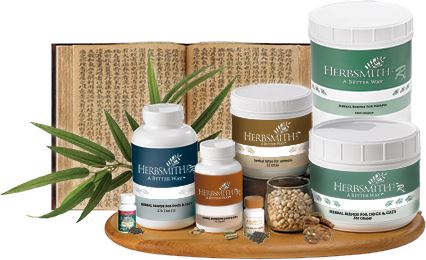
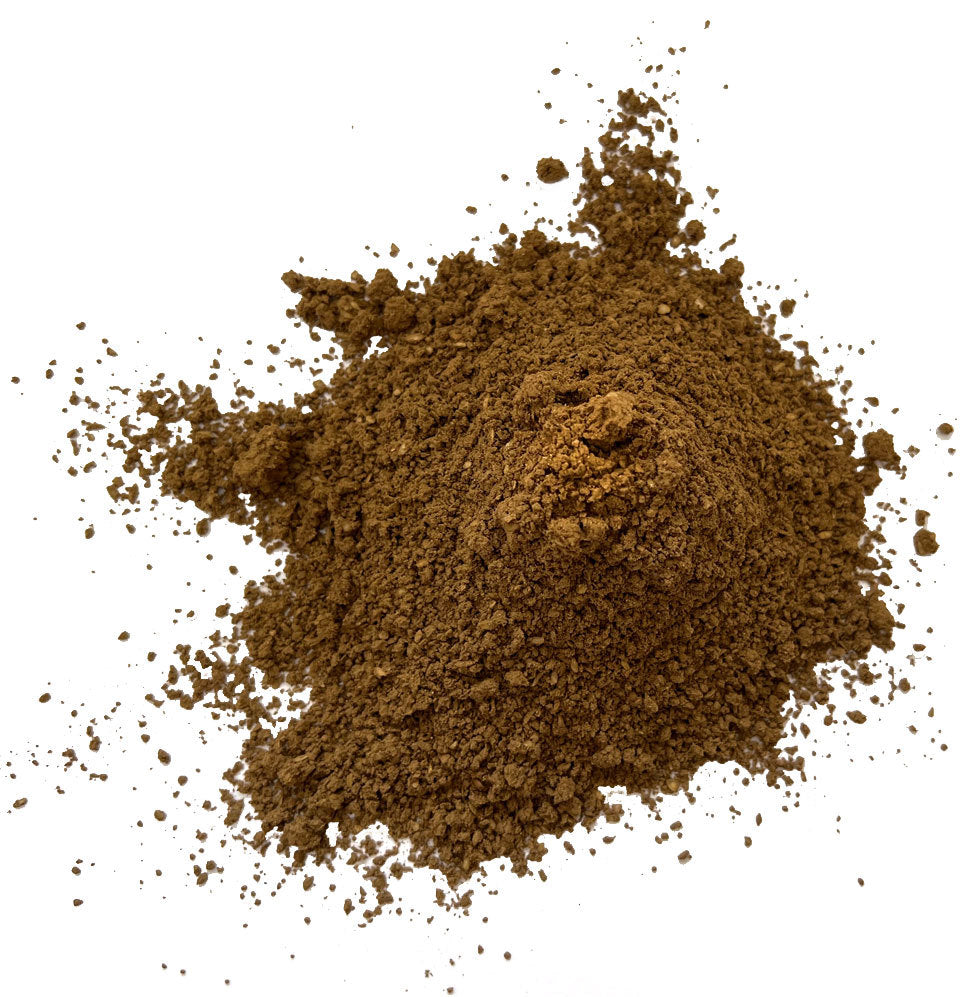

Herbsmith Rx Huo Xiang Zheng Qi San is a classical Chinese herbal formula recommended by holistic veterinarians to release the exterior, transform dampness, regulate the qi, and harmonize the middle burner in dogs, cats, and horses. Also known as Agastache Powder to Rectify the Qi or the Agastache Combination, this eleven-herb formula from the Song dynasty Imperial Grace Formulary (Tai Ping Hui Min He Ji Ju Fang, 1107 CE) addresses the summerheat-dampness pattern where external wind-cold or summerheat combines with internal dampness to disrupt the middle jiao, producing turbid dampness disturbing the spleen and stomach, stomach qi ascending counterflow, and the characteristic digestive and systemic signs of the summerheat-dampness pattern. The eponymous principal herb Huo Xiang (agastache, 15% of the formula) is the only classical herb that simultaneously releases the exterior pathogenic factor, transforms the internal middle jiao dampness, harmonizes the stomach, and redirects ascending stomach qi counterflow, making it uniquely suited as the lead herb for the combined exterior-interior summerheat-dampness presentation. The remaining ten herbs provide targeted exterior release (Zi Su Ye, Bai Zhi), middle jiao qi-regulating and dampness-transforming coverage (Hou Po, Chen Pi, Ban Xia, Da Fu Pi), spleen qi-strengthening and dampness-transforming support (Bai Zhu, Fu Ling), lung qi-diffusing direction (Jie Geng), and harmonization (Zhi Gan Cao). Well suited for dogs, cats, and horses presenting with the summerheat-dampness pattern, characterized by turbid dampness disturbing the middle jiao with loose stools or digestive upset from dampness accumulation, nausea and stomach qi ascending counterflow (expressed as vomiting or regurgitation in animals), abdominal distension and fullness from dampness obstructing the middle jiao qi, simultaneous exterior signs of mild chills, a pale or slightly red tongue with a thick white or greasy coating reflecting the dampness pattern, and a soft or slippery pulse. Available as a concentrated powder mixed into food; cats and dogs use the Canine Blend, while horses use the Equine/Horse Blend. Dosing varies by species and body weight, and your authorizing veterinarian will provide specific guidance.
VETERINARY AUTHORIZATION REQUIRED: Submit Your Authorization Request or Request a TCVM Telemedicine Consultation
What It Supports
- Simultaneous exterior release and internal dampness transformation through Huo Xiang as the lead herb addressing both pathogenic layers of the summerheat-dampness pattern: Addresses the combined exterior-interior pathogenic factor pattern of summerheat-dampness through Huo Xiang's (agastache/patchouli) unique dual action of releasing the exterior wind-cold or summerheat pathogenic factor and simultaneously transforming the internal middle jiao dampness that has combined with the exterior factor to create the summerheat-dampness pattern. Huo Xiang is positioned as the lead herb at 15% of the formula because no other single herb in the classical materia medica addresses both the exterior pathogenic factor and the internal dampness simultaneously; all other herbs in the formula address one or the other. Huo Xiang also harmonizes the stomach and redirects the ascending stomach qi counterflow expressed as nausea, vomiting, or regurgitation in animals, providing direct stomach-harmonizing coverage alongside its exterior-releasing and dampness-transforming action.
- Exterior wind-cold release and dampness drying through Zi Su Ye and Bai Zhi to support Huo Xiang's exterior-releasing action: Provides additional exterior wind-cold-releasing and aromatic dampness-drying action through Zi Su Ye (perilla leaf, which releases exterior wind-cold, moves the qi, and harmonizes the middle jiao) and Bai Zhi (Dahurian angelica root, which releases exterior wind-cold, dries dampness from the upper body and nasal passages, and disperses the exterior dampness accumulation). Together, Zi Su Ye and Bai Zhi reinforce Huo Xiang's exterior-releasing action and extend the formula's aromatic dampness-drying coverage to the exterior channels and upper body, ensuring the external pathogenic factor component of the summerheat-dampness pattern is cleared alongside the internal dampness transformation.
- Middle jiao qi regulation, dampness transformation, and stomach qi counterflow redirection through the four-herb dampness-regulating and qi-descending group: Regulates the middle jiao qi, transforms internal dampness, and redirects the ascending stomach qi counterflow through four complementary herbs: Hou Po (magnolia bark, descends qi, transforms dampness, relieves the abdominal fullness and distension from dampness obstructing the middle jiao qi), Chen Pi (aged tangerine peel, moves qi, dries dampness, harmonizes the middle jiao), Ban Xia (pinellia rhizome, transforms dampness and phlegm, descends the stomach qi counterflow as the primary herb for stomach qi ascending counterflow with dampness, and dries the middle jiao dampness), and Da Fu Pi (betel husk, moves qi downward, transforms dampness, relieves the abdominal distension and fullness). Together, these four herbs provide comprehensive middle jiao qi regulation, dampness transformation, and descending of the stomach qi counterflow, the core mechanism of the summer-heat-dampness pattern's digestive disruption.
- Spleen qi strengthening and dampness transformation from the constitutional root through Bai Zhu and Fu Ling to prevent dampness re-accumulation: Strengthens the spleen qi and transforms dampness from the constitutional root through Bai Zhu (white atractylodes, tonifies the spleen qi and dries dampness, the primary spleen qi-tonifying herb) and Fu Ling (poria, strengthens the spleen and stomach, transforms dampness, and promotes water metabolism). The spleen-strengthening layer addresses the underlying reason the dampness has accumulated in the middle jiao: a constitutionally insufficient or acutely overwhelmed spleen qi lacks the transforming function needed to metabolize the dampness from summer food, drink, and environmental humidity, and without spleen qi support, the formula's dampness-transforming herbs cannot prevent dampness from re-accumulating after the initial exterior-interior summerheat-dampness pattern is cleared.
- Lung qi diffusion and upper burner direction through Jie Geng to ensure the formula's qi-regulating actions reach the full body axis from upper to lower burner: Diffuses the lung qi upward and outward through Jie Geng (platycodon root), the "boat herb" that floats the formula's qi-regulating and dampness-transforming action through the chest and upper burner, ensuring the qi-rectifying effects of the formula reach the full body axis from the upper burner (lung) through the middle burner (spleen and stomach) to the lower burner. Jie Geng's lung qi-diffusing action also supports the formula's exterior-releasing strategy by opening the lung's dispersing and descending function, which is impaired by the external wind-cold pathogenic factor and must be restored for complete exterior release.
TCVM Principles
- Primary action - summerheat-dampness pattern treatment through the simultaneous exterior release and internal dampness transformation strategy, addressing the combined external and internal pathogenic factor presentation from a single formula: Addresses the summerheat-dampness (shu shi) pattern, the classical TCVM condition where external summerheat (the hot-season external pathogenic factor, or externally contracted wind-cold during the summer season when the interior is simultaneously burdened with dampness from excessive cold food and drink) combines with internal dampness in the middle jiao to create the characteristic combined exterior-interior disruption. In veterinary practice, the summerheat-dampness pattern typically presents as acute digestive disruption (turbid dampness disturbing the spleen and stomach) combined with stomach qi ascending counterflow and mild exterior signs, most commonly seen in animals after exposure to summer heat, humidity, changes in diet, or excessive consumption of raw, cold, or difficult-to-digest food during hot weather. The TCVM treatment principle for summerheat-dampness is to simultaneously release the exterior pathogenic factor, transform the internal dampness, regulate the qi of the middle jiao, and harmonize the spleen and stomach, which is exactly the four-action strategy that Huo Xiang Zheng Qi San executes through its eleven herbs.
- Secondary action - the "zheng qi" (rectifying the qi) principle as the central therapeutic strategy distinguishing Huo Xiang Zheng Qi San from formulas that only release the exterior or only transform dampness: The formula's name reflects the classical TCVM principle of "zheng qi" (rectifying or correcting the qi) as the central strategy: rather than simply expelling the exterior pathogenic factor or draining the dampness, Huo Xiang Zheng Qi San corrects the disordered qi dynamic of the summerheat-dampness pattern by simultaneously releasing the exterior factor that blocks the defensive qi from functioning, transforming the internal dampness that obstructs the spleen and stomach qi, regulating the ascending and descending qi of the middle jiao (redirecting the ascending stomach qi counterflow and restoring the descending stomach and spleen qi), and strengthening the spleen's qi-transforming and dampness-metabolizing function to prevent re-accumulation. This comprehensive qi-rectifying strategy addresses the summerheat-dampness pattern as a whole qi dynamic disruption rather than targeting any single pathogenic factor in isolation, reflecting the classical TCVM formulation principle of treating the pattern rather than the symptom.
Available Forms
- Powder - Canine Blend (for dogs and cats): Available in 75 g, 150 g, 500 g, 900 g, and 1200 g sizes; mix into food at the recommended dose for your pet's weight. Cats and dogs both use this blend.
- Powder - Equine/Horse Blend (for horses only): Available in 150 g, 500 g, 900 g, and 1200 g sizes; mix into grain at the recommended dose for your horse.
Suggested Use
For Dogs (Canine Blend Powder):
- Under 30 lbs: ½ tsp twice daily, or as prescribed
- 30-80 lbs: 1 tsp twice daily, or as prescribed
- 80-120 lbs: 1½ tsp twice daily, or as prescribed
- Over 120 lbs: 2 tsp twice daily, or as prescribed
For Cats (Canine Blend Powder): ¼ tsp twice daily, or as prescribed
For Horses (Equine/Horse Blend, 1,000 lb horse): Two tablespoons twice daily for 20 days, then two tablespoons once daily in grain. If the horse initially refuses, start with a small amount mixed into grain and gradually increase until the horse is accustomed to the taste. Most horses will readily accept the herbs in their grain.
Ingredients
Active Ingredients: Huo Xiang (Herba Agastaches seu Pogostemi), Hou Po (Cortex Magnoliae Officinalis), Chen Pi (Pericarpium Citri Reticulatae), Zi Su Ye (Folium Perillae Frutescentis), Bai Zhi (Radix Angelicae Dahuricae), Ban Xia (Rhizoma Pinelliae Ternatae), Da Fu Pi (Pericarpium Arecae Catechu), Bai Zhu (Rhizoma Atractylodis Macrocephalae), Fu Ling (Sclerotium Poriae Cocos), Jie Geng (Radix Platycodi Grandiflori), Zhi Gan Cao (Honey-fried Radix Glycyrrhizae Uralensis)
Inactive Ingredient: Flaxseed
VETERINARY AUTHORIZATION REQUIRED: Submit Your Authorization Request or Request a TCVM Telemedicine Consultation
Active Ingredient TCVM Actions
Huo Xiang Zheng Qi San is an eleven-herb formula organized into five functional groups: a principal exterior-releasing and interior dampness-transforming lead herb (Huo Xiang), an exterior-releasing support group (Zi Su Ye, Bai Zhi), a middle jiao qi-regulating and dampness-transforming group (Hou Po, Chen Pi, Ban Xia, Da Fu Pi), a spleen qi-strengthening group (Bai Zhu, Fu Ling), and the lung qi-diffusing and harmonizing herbs (Jie Geng, Zhi Gan Cao):
- Huo Xiang (Herba Agastaches seu Pogostemi) - Agastache / Patchouli Herb: Releases exterior wind-cold and summerheat, transforms middle jiao dampness, harmonizes the stomach, and arrests ascending stomach qi counterflow; the principal herb of the formula at 15% of the composition, uniquely addressing both the exterior pathogenic factor and the internal dampness simultaneously in a single herb. Huo Xiang's aromatic nature disperses the dampness from the middle jiao while its exterior-releasing action clears the external wind-cold or summerheat factor, and its harmonizing and descending action on the stomach redirects the ascending stomach qi counterflow expressed as nausea, vomiting, or regurgitation. The formula is named for Huo Xiang because its simultaneous exterior-releasing, dampness-transforming, and stomach-harmonizing action is the defining and irreplaceable therapeutic contribution that no other herb in the classical materia medica can replicate for the summerheat-dampness pattern.
- Zi Su Ye (Folium Perillae Frutescentis) - Perilla Leaf / Purple Perilla Leaf: Releases exterior wind-cold, moves qi, harmonizes the middle jiao, and calms the fetus (in pregnant animals); the exterior-releasing support herb that reinforces Huo Xiang's exterior-releasing action with Zi Su Ye's own wind-cold-releasing and qi-moving coverage, extending the exterior release to the muscle layer while simultaneously moving the middle jiao qi and contributing mild harmonizing action on the stomach and spleen. Zi Su Ye's qi-moving action bridges the exterior-releasing and middle jiao qi-regulating groups by providing both exterior release and mild middle jiao qi movement in a single herb.
- Bai Zhi (Radix Angelicae Dahuricae) - Dahurian Angelica Root: Releases exterior wind-cold, dries dampness, disperses the exterior dampness accumulation, and opens the nasal passages; the exterior-releasing and aromatic dampness-drying herb that provides wind-cold-releasing and upper body dampness-drying coverage complementary to Huo Xiang and Zi Su Ye's exterior-releasing action. Bai Zhi's strong aromatic dampness-drying nature extends the formula's dampness-drying action to the exterior channels and upper body, and its affinity for clearing the yang ming channel makes it particularly useful for summerheat-dampness patterns with nasal discharge, facial or sinus dampness accumulation, and upper-body external dampness signs alongside middle jiao disruption.
- Hou Po (Cortex Magnoliae Officinalis) - Magnolia Bark: Moves and descends the qi, transforms dampness, and relieves abdominal fullness and distension; the primary qi-descending and dampness-transforming herb of the middle jiao group, providing the strongest direct descending action for the qi stagnation and abdominal fullness and distension that develop when dampness obstructs the middle jiao qi. Hou Po's ability to move and descend the qi while simultaneously drying dampness makes it the ideal lead herb of the middle jiao qi-regulating group for a pattern where dampness obstructing the middle jiao creates both qi stagnation (causing the fullness and distension) and ascending counterflow of the stomach qi (causing the nausea and vomiting).
- Chen Pi (Pericarpium Citri Reticulatae) - Aged Tangerine Peel / Aged Citrus Peel: Moves qi, dries dampness, transforms phlegm, and harmonizes the middle jiao; the qi-moving and dampness-drying complement to Hou Po in the middle jiao group, providing lighter qi-moving and dampness-drying action that harmonizes the middle jiao and prevents the heavy dampness-transforming herbs from creating qi stagnation. Chen Pi's aromatic nature contributes to the formula's overall dampness-dispersing character, and its stomach-harmonizing action supports Huo Xiang's direct stomach qi-redirecting function.
- Ban Xia (Rhizoma Pinelliae Ternatae) - Pinellia Rhizome: Transforms dampness and phlegm, descends stomach qi counterflow, dries dampness, and harmonizes the stomach; the primary herb for stomach qi ascending counterflow with dampness and the most directly targeted herb for the nausea and vomiting component of the summerheat-dampness pattern. Ban Xia's combined dampness-transforming and stomach qi-descending action makes it the ideal middle jiao herb for presentations where dampness causes stomach qi counterflow: it simultaneously addresses the dampness creating the counterflow pattern and directly descends the ascending stomach qi that produces the nausea and vomiting signs. Ban Xia in this formula is used in the processed (jiang, ginger-processed) form, which moderates its toxicity and enhances its stomach-harmonizing and counterflow-descending action.
- Da Fu Pi (Pericarpium Arecae Catechu) - Betel Nut Husk / Areca Husk: Moves qi downward, transforms dampness, promotes water metabolism, and relieves abdominal distension and fullness; the qi-descending and water-moving herb that extends the middle jiao group's qi regulation and dampness transformation to the lower jiao, ensuring the dampness accumulation and qi stagnation from the summerheat-dampness pattern is cleared from the lower abdomen and large intestine as well as the middle jiao. Da Fu Pi's ability to move qi downward from the abdomen to the intestines is particularly relevant for the loose stools and intestinal dampness component of the summerheat-dampness pattern.
- Bai Zhu (Rhizoma Atractylodis Macrocephalae) - White Atractylodes Rhizome: Tonifies the spleen qi, dries dampness, and stabilizes the exterior wei qi; the primary spleen qi-tonifying and dampness-drying herb of the spleen-strengthening group, providing the constitutional spleen qi support needed to prevent dampness from re-accumulating after the formula's dampness-transforming herbs have cleared the initial summerheat-dampness accumulation. Bai Zhu's strong spleen qi-tonifying and dampness-drying action addresses the underlying spleen qi insufficiency that allowed the dampness to accumulate in the middle jiao under the influence of the external summerheat factor and dietary dampness burden.
- Fu Ling (Sclerotium Poriae Cocos) - Poria / Hoelen / Tuckahoe: Strengthens the spleen and stomach, transforms dampness, and promotes water metabolism; the second herb of the spleen-strengthening group, providing gentler spleen qi support and dampness transformation through water metabolism promotion that complements Bai Zhu's stronger spleen qi-tonifying and dampness-drying action. Fu Ling's water metabolism-promoting action drains residual dampness from the middle jiao through the urinary pathway, ensuring the dampness is not merely transformed in place but actively eliminated from the body through normal fluid-metabolism channels.
- Jie Geng (Radix Platycodi Grandiflori) - Platycodon Root / Balloon Flower Root: Diffuses the lung qi, opens the chest, transforms phlegm, and acts as the "boat herb" to float the formula's qi-regulating action upward through the upper burner; the unique directional and diffusing herb of the formula that ensures the qi-rectifying strategy reaches the full body axis from the upper burner through the middle burner. Jie Geng's lung qi-diffusing action opens the chest and restores the lung's dispersing and descending function impaired by the external wind-cold pathogenic factor, supporting the exterior release and ensuring the body's defensive qi can be properly mobilized. Its boat herb (zai yao) function reflects the classical TCVM formulation strategy of using a single ascending herb to balance the formula's predominantly descending qi-regulatory strategy, preventing excessive downward movement of qi at the expense of the upward-diffusing action needed to fully clear the exterior factor.
- Zhi Gan Cao (Honey-fried Radix Glycyrrhizae Uralensis) - Honey-fried Licorice Root: Tonifies the spleen qi, moderates and harmonizes the formula's herbs, and moderates the drying and dispersing actions of the formula's aromatic dampness-transforming herbs; the harmonizing herb that moderates the combined aromatic and drying action of Huo Xiang, Hou Po, Chen Pi, Bai Zhi, and Ban Xia to prevent excessive drying of the middle jiao fluids during the sustained dampness-transformation treatment course, and supports the spleen qi tonification of Bai Zhu and Fu Ling with its own spleen-tonifying action. The honey-fried preparation (zhi) enhances Gan Cao's tonifying and moderating action over the raw form, ensuring it provides genuine spleen qi support alongside its harmonizing function.
Potential Drug Interactions
Huo Xiang Zheng Qi San contains Ban Xia (pinellia rhizome) in the ginger-processed form, which significantly reduces but does not eliminate alkaloid toxicity compared with raw pinellia; in animals on sedative medications, central nervous system depressants, or medications metabolized through the liver, the Ban Xia alkaloid content warrants monitoring. Da Fu Pi (betel husk) has mild stimulant properties from residual arecoline alkaloid content that warrants caution in animals on antiarrhythmic or cardiac medications, though the husk form contains substantially less arecoline than the nut itself. Gan Cao (licorice root) at sustained doses may interact with corticosteroids, diuretics, and antihypertensive medications. The formula's aromatic and dispersing character makes it a short-term pattern-clearing formula rather than a sustained tonification formula: it is appropriate for the active summerheat-dampness presentation and is not intended for long-term use once the summerheat-dampness pattern has resolved. It is not appropriate for yin-deficient or blood-deficient presentations where the formula's drying action would further deplete the yin and fluids, or for patterns without confirmed dampness accumulation in the middle jiao.
Medication categories warranting extra caution include sedative and CNS depressant medications (Ban Xia's alkaloid residue), cardiac and antiarrhythmic medications (Da Fu Pi's residual arecoline content), corticosteroids and antihypertensive medications (Gan Cao at sustained doses), and diuretics (Gan Cao's potential potentiation or antagonism depending on the diuretic type). Your authorizing veterinarian will determine appropriateness based on your animal's condition, current medications, and confirmation of the summerheat-dampness pattern through tongue quality, pulse character, and assessment of the exterior-interior combined dampness presentation.
VETERINARY AUTHORIZATION REQUIRED: Submit Your Authorization Request or Request a TCVM Telemedicine Consultation
Frequently Asked Questions
What conditions is Huo Xiang Zheng Qi San used for in TCVM?
In Traditional Chinese Veterinary Medicine, Huo Xiang Zheng Qi San is indicated for the summerheat-dampness (shu shi) pattern, where external summerheat or wind-cold combines with internal dampness in the middle jiao to produce turbid dampness disturbing the spleen and stomach, stomach qi ascending counterflow, and the combined exterior-interior signs of the summerheat-dampness presentation. In TCVM, "summerheat" refers to the hot-season external pathogenic factor, and the summerheat-dampness pattern typically develops in animals exposed to summer heat and humidity, dietary changes involving excessive cold, raw, or difficult-to-digest food during hot weather, or environmental dampness combined with heat. The veterinarian confirms the summerheat-dampness pattern through tongue assessment (pale or slightly red tongue with a thick white or greasy coating reflecting the dampness), pulse character (soft or slippery pulse reflecting the dampness accumulation), and differentiation from patterns requiring other therapeutic formulas: spleen qi vacuity digestive disruption without the exterior component, damp-heat in the large intestine, or food stagnation patterns each require different formula approaches.
How is Huo Xiang Zheng Qi San administered to dogs, cats, and horses?
Mix the powder directly into food or grain at the dose recommended for your animal's species and body weight. Dogs and cats use the Canine Blend; horses use the Equine/Horse Blend. Dogs and cats receive the formula twice daily; horses receive two tablespoons twice daily for the first 20 days, then once daily for maintenance. If the horse initially refuses, start with a small amount mixed into grain and gradually increase until the horse is accustomed to the taste. Most horses will readily accept the herbs in their grain. Because Huo Xiang Zheng Qi San is an aromatic dampness-transforming and exterior-releasing formula rather than a constitutional tonification formula, it is typically used for shorter treatment courses timed to the active summerheat-dampness presentation and discontinued once the pattern has resolved; your authorizing veterinarian will determine the appropriate treatment duration based on your animal's tongue, pulse, and clinical response.
How long does it take to see results with Huo Xiang Zheng Qi San?
As an exterior-releasing and dampness-transforming formula addressing an acute or subacute summerheat-dampness pattern, Huo Xiang Zheng Qi San typically produces results relatively quickly compared to constitutional tonification formulas. Improvement in stomach qi counterflow signs (nausea, vomiting, regurgitation) and digestive disruption is often seen within 3 to 7 days, as the formula's aromatic herbs clear middle jiao dampness and redirect ascending stomach qi. Full resolution of the summerheat-dampness pattern, including restoration of normal tongue coating and pulse character, typically requires 2 to 4 weeks of consistent use. Your authorizing veterinarian will monitor the tongue coating (the dampness indicator), pulse character, and digestive signs throughout the treatment course to confirm the pattern is resolving and determine when to discontinue the formula or transition to a constitutional spleen qi-strengthening formula if the underlying spleen qi vacuity requires longer-term support.
What is "summerheat" in TCVM, and why is it relevant for pets?
In Traditional Chinese Veterinary Medicine, summerheat (shu) is the external pathogenic factor associated with late summer and the hot-humid season, characterized by heat and a tendency to combine with dampness to form the summerheat-dampness (shu shi) combined pattern. Unlike the other five external pathogenic factors (wind, cold, dampness, dryness, and fire), summerheat only occurs in the external form and is always associated with the hot season. In pets, the summerheat-dampness pattern develops when the hot, humid environment (summerheat) combines with internal dampness from dietary factors: excessive raw, cold, or rich food during summer, sudden dietary changes, or food that the individual animal's spleen qi cannot adequately transform given the concurrent heat burden. Outdoor animals, working animals, and animals with constitutionally weak spleen qi are particularly susceptible to the summerheat-dampness pattern during hot, humid weather. The pattern is distinguished from simple food stagnation by simultaneous exterior signs (mild chills alongside heat exposure and a slightly floating pulse component) and from damp-heat in the large intestine by prominent stomach qi counterflow and the combined exterior-interior nature of the presentation that Huo Xiang Zheng Qi San specifically addresses.
QUESTIONS & ANSWERS
Have a Question?
Be the first to ask a question about this.