



Your shopping bag is empty
Go to the shop

Kan Essentials Spine Lithe is a classical Chinese herbal formula recommended by holistic veterinarians to dispel wind-cold-damp, tonify kidney qi, yin, and yang, nourish blood, and address the chronic bi syndrome pattern that arises when wind-cold-damp invasion occurs in animals whose kidneys and blood are already deficient and unable to nourish and protect the channels, sinews, and bones adequately. Also known by its classical name Du Huo Ji Sheng Tang (Pubescent Angelica and Loranthus Decoction, formerly named Supple Spine), this fifteen-herb formula is attributed to Sun Si Miao, the celebrated Tang dynasty physician (581-682 AD) whose clinical insight in designing this formula remains in active clinical use over a thousand years later. The formula's structural sophistication is evident in its architecture: embedded within its fifteen herbs are two of the most foundational tonic sub-formulas in the Chinese herbal tradition - Si Wu Tang (Four Substances Decoction, the quintessential blood tonic formula) and Si Jun Zi Tang (Four Gentlemen Decoction, the quintessential qi tonic formula). Three of Si Wu Tang's four herbs appear in Spine Lithe: Bai Shao (white peony root), Shu Di Huang (prepared rehmannia root), and Chuan Xiong (Sichuan lovage rhizome). Three of Si Jun Zi Tang's four herbs also appear: Hong Ren Shen (Chinese red ginseng root), Gan Cao (Chinese licorice root and rhizome), and Fu Ling (poria). This dual tonic foundation ensures that as the wind cold damp expelling herbs drive the pathogenic factors out of the channels and sinews, the embedded blood and qi tonics continuously nourish and replenish the deficient foundation that allowed the wind cold damp to lodge in the first place - addressing both the pathogenic factor and the underlying deficiency simultaneously. The Kan Essentials version makes four clinically meaningful modifications to the classical formula: Qiang Huo (notopterygium root and rhizome) has been added to extend the wind-dispersing action to the upper back and neck rather than focusing only on the lower back as in the classical version; Chuan Niu Xi (cyathula root) is used in place of classical Achyranthes and Dong Quai to confer a blood-moving effect while still nourishing the tendons; Shu Di Huang (prepared rehmannia) is used in place of Sheng Di Huang (raw rehmannia) for its extra blood-tonifying and warming effect; and Xian Mao (curculigo rhizome) is used in place of Xi Xin (asarum) to dispel wind cold damp while also supporting the kidneys and bones. This formula is indicated for deficiency patterns only; use a reduced dose for animals with any heat intolerance, and avoid in severe, acute arthritis presentations which reflect excess rather than deficiency. Available as a liquid extract and tablet. Dosing varies by species and body weight, and your authorizing veterinarian will provide specific guidance.
VETERINARY AUTHORIZATION REQUIRED: Submit Your Authorization Request or Request a TCVM Telemedicine Consultation
What It Supports
- Wind cold damp expelling from the channels and sinews through the formula's five wind cold damp-dispelling herbs (Du Huo, Qiang Huo, Fang Feng, Qin Jiao, Sang Ji Sheng, Xian Mao): Expels wind cold damp from the channels, sinews, joints, and bones; restores the smooth flow of qi and blood through the channel pathways that wind cold damp obstruction has blocked; and addresses the bi syndrome signs that result from wind cold damp lodging in tissues whose kidney and blood deficiency has left them under-nourished and under-defended. In TCVM, bi syndrome is the pattern that arises when external wind, cold, or damp invades the channels and sinews and fails to be expelled because the body's defensive qi and blood are insufficient to drive it out; the pathogenic factor then lodges, blocks qi and blood flow, and produces the characteristic musculoskeletal signs of wind cold damp bi - occasional achiness, heaviness, numbness, cramping, or stiffness in the muscles, tendons, and joints; cold intolerance; symptoms that worsen in cold wet weather; occasional lumbar stiffness; and occasional lameness after exertion that improves with rest. Du Huo (pubescent angelica root, Angelicae pubescentis) is the chief wind-cold-damp-expelling herb with specific affinity for the lower back and lower body. Qiang Huo (notopterygium root and rhizome, Notopterygium incisum) - a Kan Essentials addition to the classical formula - extends the wind-dispersing action to the upper back, neck, and shoulders, addressing the full spinal range rather than the lower back alone. Fang Feng (siler root, Saposhnikovia divaricata) expels wind and damp from the muscles and joints with a gentle dispersing action. Qin Jiao (large-leafed gentian root, Gentiana macrophylla) expels wind-cold-damp from the channels and relaxes the sinews, with particular affinity for bi syndrome affecting the sinews and tendons. Sang Ji Sheng (loranthus herb, Taxillus chinensis) expels wind-cold-damp while simultaneously supporting the kidneys, a dual function that makes it a bridge herb between the formula's wind-expelling and kidney-tonifying strategies. Xian Mao (curculigo rhizome, Curculigo orchioides) - used in place of classical asarum (Xi Xin) in the Kan Essentials version - dispels wind-cold-damp while further supporting the kidneys and strengthening the bones, providing the combined wind-expelling and kidney-bone-supporting action that makes it a superior modification for the chronic deficiency-based bi syndrome pattern. The combined wind-cold-damp-expelling strategy of these six herbs directly addresses the pathogenic factor lodged in the channels and sinews, while the formula's tonic herbs nourish the deficient foundation simultaneously.
- Kidney qi, yin, and yang tonifying through Du Zhong, Sang Ji Sheng, Chuan Niu Xi, Xian Mao, Rou Gui, and Hong Ren Shen: Tonifies kidney qi, yin, and yang; strengthens the sinews and bones that the kidney governs in TCVM; addresses the underlying kidney deficiency that allowed wind cold damp to lodge and persist in the channels and sinews; and provides the energetic foundation that enables the wind cold damp-expelling herbs to clear the pathogenic factor from a position of strength rather than depletion. In TCVM, the kidneys govern the bones, nourish the marrow, and control the lower back and hind limbs; kidney deficiency therefore produces the characteristic lower-back and hind-limb bi syndrome picture - lumbar stiffness, hind-limb weakness, poor stamina, low energy, and cold intolerance - that is the primary indication for Spine Lithe. Du Zhong (eucommia bark, Eucommia ulmoides) is the formula's primary kidney yang and kidney yin astringent-tonic, with specific affinity for the spine and sinews; it tonifies kidney yang to warm the spine and strengthens the sinews and bones through its liver and kidney channel affinity. Sang Ji Sheng (loranthus herb) strengthens the kidneys and liver and nourishes the sinews through its combined wind-expelling and kidney-tonifying action. Chuan Niu Xi (cyathula root, Cyathula officinalis) - used in the Kan Essentials version in place of classical Achyranthes and Dong Quai - tonifies kidney yin, moves blood, strengthens the sinews and bones, and guides the formula's action downward to the lower body and hind limbs through its channel-guiding properties. Xian Mao (curculigo rhizome) tonifies kidney yang and warms the spleen, providing the yang-warming support needed for the cold bi pattern. Rou Gui (Chinese cinnamon bark, Cinnamomum cassia) warms kidney yang, disperses deep cold from the channels, and unblocks the channels to allow qi and blood to flow freely through areas where cold has contracted and blocked movement. Hong Ren Shen (Chinese red ginseng root and rhizome, Panax ginseng, red-processed) strongly tonifies yuan qi - the foundational qi that underlies all other qi - and supports kidney yang, providing the deep constitutional tonic foundation that addresses the poor stamina, low energy, and underlying deficiency that characterize the bi syndrome patient who needs this formula. Together, these six herbs comprehensively address the kidney qi, yin, and yang deficiency, while Rou Gui's channel-warming action opens the pathways through which the wind-cold-damp-expelling herbs can do their work.
- Blood nourishing through the embedded Si Wu Tang structure (Bai Shao, Shu Di Huang, Chuan Xiong) and qi tonifying through the embedded Si Jun Zi Tang structure (Hong Ren Shen, Fu Ling, Gan Cao): Nourishes blood to supply the deficient tissue nutrition that wind cold damp bi patterns require; tonifies qi to provide the motive force for blood circulation through the obstructed channels; and addresses the blood and qi deficiency that is both a cause and a consequence of chronic wind cold damp bi syndrome through the embedded Si Wu Tang and Si Jun Zi Tang sub-formula architecture. Bai Shao (white peony root, Paeonia lactiflora) nourishes blood and yin, softens the liver, and moderates the warming and drying effects of the formula's yang-tonifying herbs; it represents the blood-nourishing-without-dispersing function of Si Wu Tang. Shu Di Huang (prepared rehmannia root, Rehmannia glutinosa, prepared) - used in place of raw Sheng Di Huang in the Kan Essentials version for its superior blood-tonifying and warming effects - provides the formula's most substantial blood and yin nourishment; the prepared (Shu) form is warm rather than cold, making it appropriate for the cold deficiency bi pattern. Chuan Xiong (sichuan lovage rhizome, Ligusticum chuanxiong) moves both qi and blood, preventing the stasis that accumulates when wind cold damp obstructs the channels; as the blood-moving component of Si Wu Tang, it ensures the formula's blood-nourishing herbs can circulate to the peripheral areas that wind cold damp bi has deprived of nourishment. Fu Ling (poria, Poria cocos) strengthens the spleen, resolves dampness, and supports the spleen's blood-producing function as the qi-managing component of Si Jun Zi Tang; it also directly addresses the damp component of the wind-cold-damp pattern. Gan Cao (Chinese licorice root and rhizome, Glycyrrhiza uralensis) tonifies spleen qi, clears heat, and harmonizes the formula's diverse herb categories, providing the spleen-protecting and formula-harmonizing role of Si Jun Zi Tang's harmonizing herb. Together, the six Si Wu and Si Jun embedded herbs ensure the wind-cold-damp-expelling and kidney-tonifying strategy is supported by sufficient blood and qi to nourish the sinews and tissues throughout the treatment course.
TCVM Principles
- Primary action - wind cold damp bi syndrome with underlying kidney and blood deficiency, through the combined strategy of wind cold damp expulsion (Du Huo, Qiang Huo, Fang Feng, Qin Jiao, Sang Ji Sheng, Xian Mao), kidney qi-yin-yang tonification (Du Zhong, Sang Ji Sheng, Chuan Niu Xi, Xian Mao, Rou Gui, Hong Ren Shen), and the embedded Si Wu Tang blood-nourishing and Si Jun Zi Tang qi-tonifying architectures (Bai Shao, Shu Di Huang, Chuan Xiong, Hong Ren Shen, Fu Ling, Gan Cao): Spine Lithe addresses the bi syndrome pattern where wind cold damp has lodged in the channels and sinews of an animal whose kidney and blood deficiency has made them susceptible to invasion and unable to expel the pathogenic factor. The formula's fifteen-herb structure simultaneously expels the pathogenic factor (wind-cold-damp expulsion) and builds the deficient foundation (kidney tonification and blood-qi nourishment), the classical treatment strategy for chronic bi syndrome with underlying deficiency. The four Kan Essentials modifications extend the classical formula's scope: Qiang Huo extends wind-dispersing action to the upper back and neck; Chuan Niu Xi replaces Achyranthes with a superior blood-moving tendon-nourishing herb; Shu Di Huang provides warmer blood nourishment than raw rehmannia; and Xian Mao replaces asarum with an herb that adds kidney and bone support to the wind-cold-damp-dispelling action. Treatment Principles: expel wind-cold-damp from the channels and sinews, tonify kidney qi, yin, and yang, nourish blood, tonify qi, warm the channels, and address bi syndrome with kidney and blood deficiency.
- Critical contraindication guidance: for deficiency patterns only; reduce dose for heat intolerance; contraindicated in severe, acute arthritis (excess pattern); formula is warming and therefore not appropriate when heat signs are present: Spine Lithe contains multiple warming and yang-tonifying herbs (Hong Ren Shen, Rou Gui, Xian Mao, Du Huo, Qiang Huo) that make it appropriate specifically for the cold, deficient bi syndrome pattern but potentially aggravating in animals with heat intolerance or excess-pattern arthritis. Animals with cold intolerance, improvement in cold weather, lethargy, a pale tongue, and a weak-slow pulse are appropriate candidates; animals with heat intolerance, worsening in hot weather, restlessness, a red tongue, and a rapid pulse should use a reduced dose or a different formula. Severe, acute arthritis typically reflects an excess pattern (wind damp heat bi or trauma-related bi) rather than the chronic deficiency pattern; this formula's tonifying herbs would be inappropriate in an acute excess presentation and could potentially aggravate the condition. Your authorizing veterinarian must confirm the wind-cold-damp bi with kidney and blood deficiency pattern through a complete clinical and TCVM assessment before initiating this formula.
Available Forms
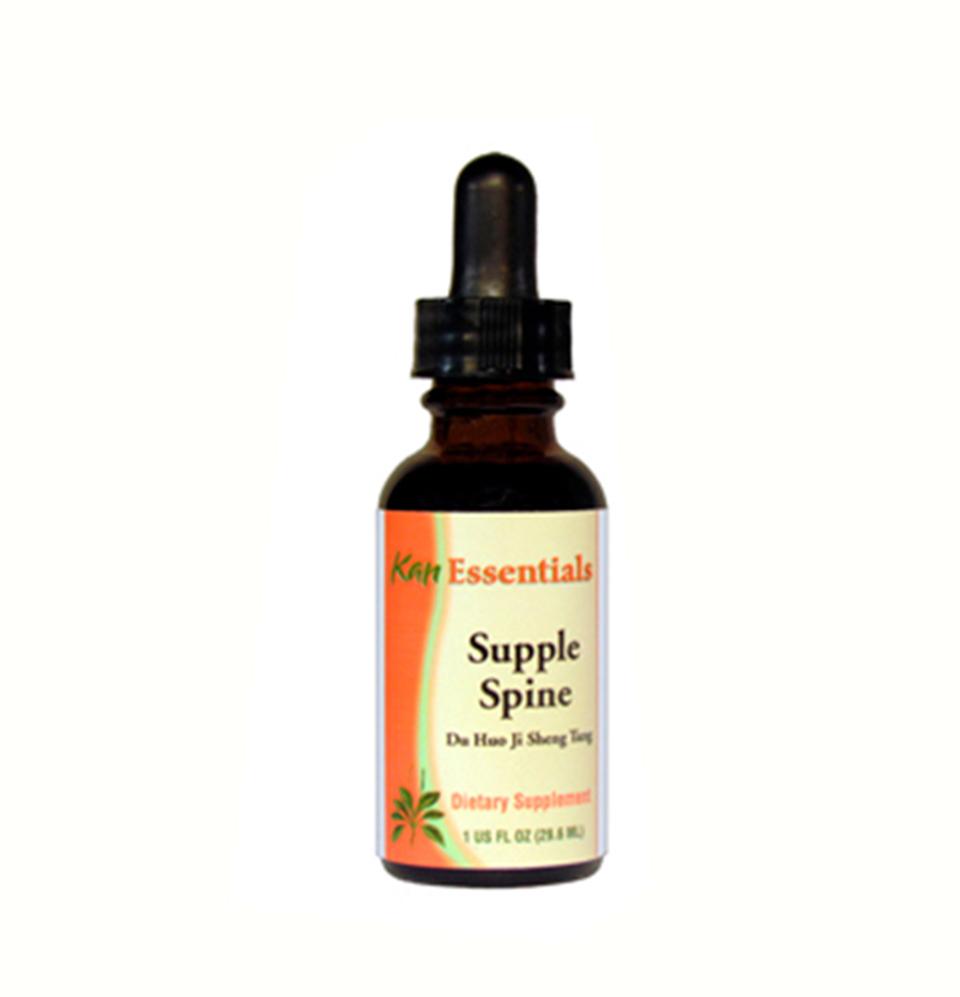
- 1 oz Liquid: Concentrated liquid extract; mix into food or administer directly.
- 4 oz Liquid: Larger liquid supply for ongoing use.
- 8 oz Liquid: Bulk liquid supply for extended or multi-pet use.
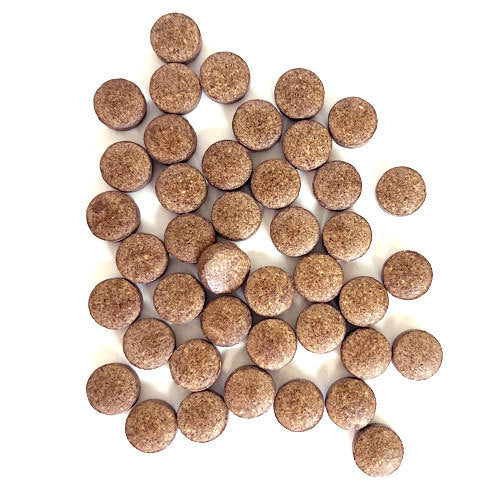
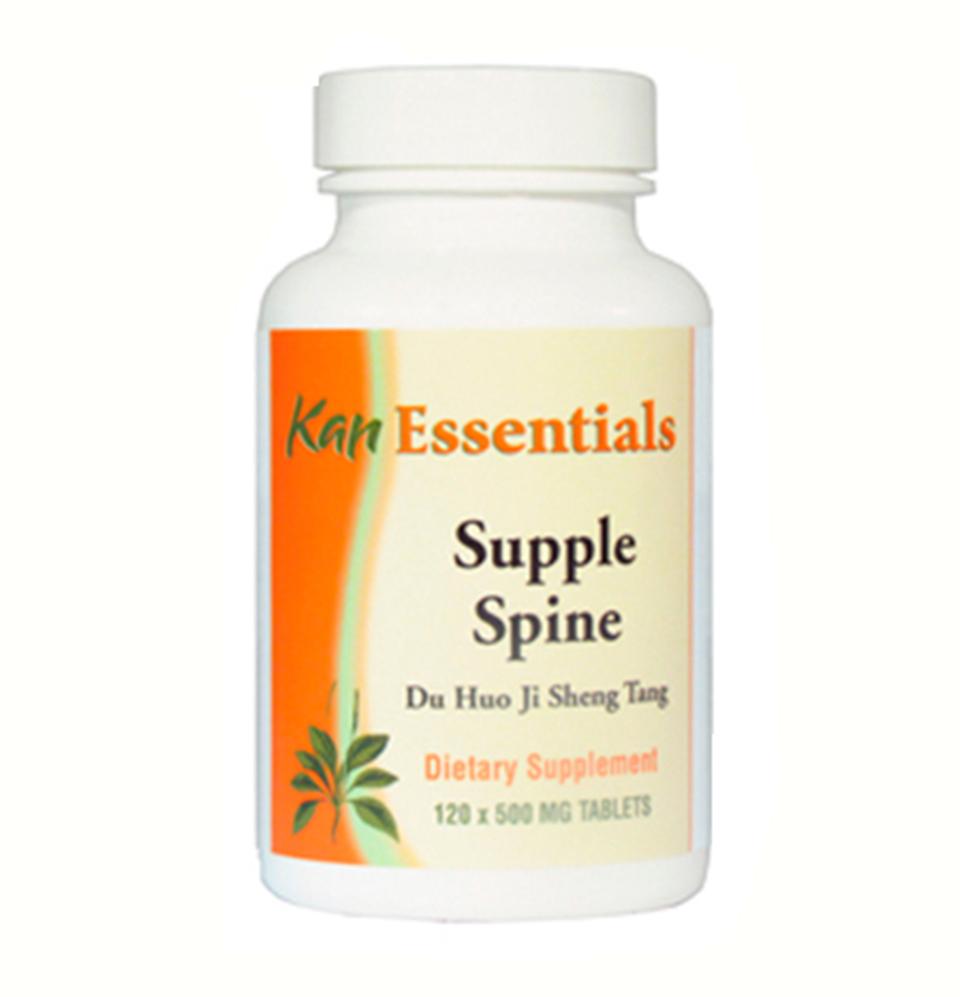
- 60 Tablets - 500mg: Traditional small tablet format; can be hidden in food or a soft treat for easy administration.
- 120 Tablets - 500mg: Mid-size tablet supply for ongoing use.
- 300 Tablets - 500mg: Largest tablet supply for long-term management.
Ingredients
Active Ingredients: Du Huo (Angelica pubescens, root), Bai Shao (Paeonia lactiflora, white root), Chuan Xiong (Ligusticum chuanxiong, rhizome), Du Zhong (Eucommia ulmoides, bark), Fang Feng (Saposhnikovia divaricata, root), Chuan Niu Xi (Cyathula officinalis, root), Qiang Huo (Notopterygium incisum, root and rhizome), Qin Jiao (Gentiana macrophylla, root), Hong Ren Shen (Panax ginseng, red-processed root and rhizome), Sang Ji Sheng (Taxillus chinensis, herb), Shu Di Huang (Rehmannia glutinosa, prepared root), Xian Mao (Curculigo orchioides, rhizome), Fu Ling (Poria cocos), Gan Cao (Glycyrrhiza uralensis, root and rhizome), Rou Gui (Cinnamomum cassia, bark)
Inactive ingredients vary by form; liquid extracts contain alcohol and water; tablets may contain excipients standard to tablet manufacturing.
VETERINARY AUTHORIZATION REQUIRED: Submit Your Authorization Request or Request a TCVM Telemedicine Consultation
Active Ingredient TCVM Actions
Spine Lithe (Du Huo Ji Sheng Tang) organizes its fifteen herbs across three functional groups: wind cold damp-expelling herbs (Du Huo, Qiang Huo, Fang Feng, Qin Jiao, Sang Ji Sheng, Xian Mao), kidney-tonifying herbs (Du Zhong, Sang Ji Sheng, Chuan Niu Xi, Xian Mao, Rou Gui, Hong Ren Shen), and the dual embedded tonic architecture of Si Wu Tang (blood nourishing: Bai Shao, Shu Di Huang, Chuan Xiong) and Si Jun Zi Tang (qi tonifying: Hong Ren Shen, Fu Ling, Gan Cao). Several herbs serve dual roles across more than one group:
- Du Huo (Angelica pubescens) - Pubescent Angelica Root: Chief herb and formula namesake; the primary wind-cold-damp-expelling herb with specific affinity for the lower back, hind limbs, and lower body channels. Furanocoumarins content; generally well tolerated in prepared formula form at standard doses.
- Qiang Huo (Notopterygium incisum) - Notopterygium Root and Rhizome: Kan Essentials addition to the classical formula; extends wind-cold-damp-dispersing action to the upper back, neck, and shoulders, addressing the full spinal range rather than the lower back alone. Generally well tolerated.
- Fang Feng (Saposhnikovia divaricata) - Siler Root / Ledebouriella Root: Gently expels wind and damp from the muscles and joints; its mild dispersing nature makes it appropriate alongside the stronger wind-dispersing chief herbs. Generally well tolerated.
- Qin Jiao (Gentiana macrophylla) - Large-Leafed Gentian Root: Expels wind, cold, and damp; relaxes sinews, and clears damp heat from the sinews; gentiopicroside content warrants hepatic monitoring during prolonged continuous use.
- Sang Ji Sheng (Taxillus chinensis) - Loranthus Herb / Mulberry Mistletoe: Dual-function bridge herb; expels wind-cold-damp while simultaneously tonifying the kidneys and liver and nourishing the sinews. Generally well tolerated.
- Xian Mao (Curculigo orchioides) - Curculigo Rhizome / Golden Eye Grass: Kan Essentials substitution for classical asarum; dispels wind-cold-damp while tonifying kidney yang and strengthening the bones - a superior dual action for the deficiency-based bi pattern. Generally well tolerated at standard doses.
- Du Zhong (Eucommia ulmoides) - Eucommia Bark: Primary kidney yang and sinew-bone tonic; tonifies kidney and liver, strengthens sinews and bones, and directly addresses the kidney deficiency affecting the spine and hind limbs. Generally well tolerated.
- Chuan Niu Xi (Cyathula officinalis) - Cyathula Root / Hookweed Root: Kan Essentials substitution for classical Achyranthes and Dong Quai; tonifies kidney yin, moves blood, nourishes tendons, and guides the formula's action to the lower body and hind limbs. Mild anticoagulant activity; monitoring warranted with anticoagulant medications.
- Rou Gui (Cinnamomum cassia) - Chinese Cinnamon Bark: Warms kidney yang, disperses deep cold from the channels, and unblocks channel flow to allow qi and blood to reach the wind-cold-obstructed periphery. Coumarin content; monitoring warranted with anticoagulant medications. Caution in pregnant animals.
- Hong Ren Shen (Panax ginseng, red-processed) - Chinese Red Ginseng Root and Rhizome: Dual-function: strongly tonifies yuan qi and kidney yang (kidney tonic group) and represents Si Jun Zi Tang's chief qi tonic (embedded qi tonic group). Ginsenoside content; monitoring warranted with warfarin (anticoagulant interaction), MAOIs, insulin and oral hypoglycemic agents (additive hypoglycemia risk), and stimulant medications. Caution in pregnant animals.
- Bai Shao (Paeonia lactiflora, white) - White Peony Root: Si Wu Tang representative; nourishes blood and yin, softens the liver, and moderates the formula's warming and drying yang-tonifying herbs. Paeoniflorin content; monitoring warranted with anticoagulant medications.
- Shu Di Huang (Rehmannia glutinosa, prepared) - Prepared Rehmannia Root: Si Wu Tang representative; Kan Essentials substitution for raw Sheng Di Huang for its superior blood-tonifying and warming effects; provides the formula's most substantial blood and yin nourishment. Warm nature and moist quality; monitor animals with spleen yang vacuity or loose stools.
- Chuan Xiong (Ligusticum chuanxiong) - Sichuan Lovage Rhizome / Szechuan Lovage: Si Wu Tang representative; moves qi and blood, prevents stasis in the obstructed channels, and circulates the formula's nourishing herbs to the peripheral areas. Ligustilide content; monitoring warranted with anticoagulant medications and CYP3A4-metabolized medications.
- Fu Ling (Poria cocos) - Poria / Hoelen: Si Jun Zi Tang representative; strengthens spleen, resolves dampness, and supports the spleen's blood-producing and fluid-metabolizing functions while directly addressing the damp component of the wind-cold-damp pattern. Generally well tolerated.
- Gan Cao (Glycyrrhiza uralensis) - Chinese Licorice Root and Rhizome: Si Jun Zi Tang representative; tonifies spleen qi, clears heat, and harmonizes the formula's diverse warming, cooling, tonifying, and dispersing herbs. Glycyrrhizin content; monitoring warranted with corticosteroids (additive sodium retention and potassium loss) and antihypertensive medications.
Potential Drug Interactions
Spine Lithe's fifteen-herb complexity creates a broader drug interaction profile than simpler formulas. The primary interaction concerns center on four categories. First, combined anticoagulant concern: Rou Gui (coumarin), Chuan Niu Xi (mild anticoagulant activity), Bai Shao (paeoniflorin), and Chuan Xiong (ligustilide) together create a meaningful combined anticoagulant effect; animals on warfarin, heparin, aspirin, clopidogrel, or other anticoagulant or antiplatelet medications require veterinary review before initiating this formula. Second, Hong Ren Shen's ginsenoside content has well-documented interactions with warfarin (anticoagulant effect modification), MAOIs (CNS stimulation risk), and insulin or oral hypoglycemic agents (additive hypoglycemia); animals on these medications warrant specific veterinary review. Third, Qin Jiao's gentiopicroside content warrants monitoring hepatic values during prolonged continuous use. Fourth, Chuan Xiong's CYP3A4 involvement warrants monitoring in animals on medications with narrow therapeutic windows metabolized via this pathway. Gan Cao's glycyrrhizin warrants monitoring in animals on corticosteroids and antihypertensive medications. Because this formula contains multiple warming herbs (Hong Ren Shen, Rou Gui, Xian Mao), do not use the full dose in animals with heat intolerance; reduce the dose in these cases. Rou Gui and Hong Ren Shen warrant caution in pregnant animals.
Medication categories warranting extra caution: anticoagulant and antiplatelet medications (combined Rou Gui, Chuan Niu Xi, Bai Shao, Chuan Xiong, and Hong Ren Shen - combined concern), MAOIs and insulin or oral hypoglycemic agents (Hong Ren Shen), CYP3A4-metabolized medications with narrow therapeutic windows (Chuan Xiong), corticosteroids and antihypertensives (Gan Cao), and hepatically monitored medications during prolonged use (Qin Jiao). Your authorizing veterinarian will determine appropriateness based on your pet's pattern assessment, current medications, laboratory values, tongue quality, and pulse character.
VETERINARY AUTHORIZATION REQUIRED: Submit Your Authorization Request or Request a TCVM Telemedicine Consultation
Frequently Asked Questions
What is Spine Lithe and what makes Du Huo Ji Sheng Tang one of the most celebrated formulas in TCVM?
Spine Lithe (Du Huo Ji Sheng Tang, Pubescent Angelica and Loranthus Decoction) is a fifteen-herb classical formula attributed to Sun Si Miao, a Tang dynasty physician widely considered one of the greatest physicians in Chinese medical history, who practiced from 581 to 682 AD. The formula's celebrated status reflects two extraordinary features of its design. First, it simultaneously attacks an external pathogenic factor (wind-cold-damp) and tonifies three underlying deficiencies (kidney qi-yin-yang, blood, and qi) within a single coherent formula - a dual-axis strategy that is clinically appropriate for the chronic bi syndrome patient whose deficiency has allowed the pathogenic factor to lodge and persist. Second, Sun Si Miao embedded within this formula's fifteen herbs the complete structures of two of the most important tonic sub-formulas in the classical tradition: Si Wu Tang (Four Substances Decoction, the foundational blood tonic formula, represented by Bai Shao, Shu Di Huang, and Chuan Xiong) and Si Jun Zi Tang (Four Gentlemen Decoction, the foundational qi tonic formula, represented by Hong Ren Shen, Fu Ling, and Gan Cao). In clinical TCVM practice, Spine Lithe is indicated for the pattern of wind cold damp bi syndrome with kidney and blood deficiency - the pattern in dogs, cats, and horses that presents with occasional lumbar stiffness, hind-limb weakness, cold intolerance, worsening in cold wet weather, occasional achiness or heaviness in the muscles and joints, improvement after rest, poor stamina, and low energy, confirmed by a pale tongue and weak-slow pulse. Your authorizing veterinarian will confirm the pattern through complete clinical and TCVM assessment before recommending this formula.
How is Spine Lithe administered, and what precautions apply?
Spine Lithe is available in concentrated liquid extract (1 oz, 4 oz, or 8 oz) and 500 mg tablets (60, 120, or 300 count). You can mix the liquid directly into food or administer it with a dropper; you can give the tablets directly or hide them in food or a soft treat for easy administration. Dosing varies by species and body weight, and your authorizing veterinarian will provide specific dosing guidance. Because this formula contains multiple warming and yang-tonifying herbs, it is indicated for deficiency patterns only; use a reduced dose in animals with any heat intolerance, and avoid in severe, acute arthritis presentations. Animals on anticoagulant or antiplatelet medications, MAOIs, or insulin and oral hypoglycemic agents should have the authorizing veterinarian review those medications before starting this formula due to Hong Ren Shen's documented interactions. Animals on multiple prescription medications should have a comprehensive review of the formula's full interaction profile. Rou Gui and Hong Ren Shen warrant caution in pregnant animals.
How long does it take to see results with Spine Lithe, and why does chronic bi syndrome with kidney deficiency require sustained use?
As a formula addressing both an external pathogenic factor (wind-cold-damp lodged in the channels and sinews) and multiple deep constitutional deficiencies (kidney qi-yin-yang and blood), Spine Lithe requires a sustained treatment course to produce meaningful and durable results. Some improvement in mobility, energy, and cold tolerance may be evident within 4 to 6 weeks of consistent use as the wind-cold-damp-expelling herbs begin to clear the channel obstruction. However, the underlying kidney and blood deficiency that allowed the wind cold damp to lodge in the first place - and that the formula's extensive tonic architecture is specifically designed to address - takes longer to correct; meaningful tonification of kidney qi, yin, and yang typically requires 8 to 12 weeks or more of consistent use before the deficient foundation is rebuilt. Animals with more advanced kidney deficiency (more prominent hind-limb weakness, more significant stamina loss, more marked cold intolerance) may require longer treatment courses. Because this is a long-term management formula for a chronic constitutional deficiency pattern, periodic reassessment by the authorizing veterinarian is important to confirm the pattern remains consistent with the formula and to adjust the approach as needed.
What are the four clinical modifications Kan Essentials makes to the classical Du Huo Ji Sheng Tang formula, and why?
The Kan Essentials version of Spine Lithe makes four modifications to the classical Du Huo Ji Sheng Tang formula, each with a specific clinical rationale. First, Qiang Huo (notopterygium root and rhizome) has been added because the classical formula's wind-dispersing herbs are primarily focused on the lower back and lower body; Qiang Huo's specific affinity for the upper back, neck, and shoulders extends the formula's wind-cold-damp-expelling action to the full spine, making it appropriate for animals with cervical and thoracic bi syndrome signs as well as lumbar. Second, Chuan Niu Xi (cyathula root) replaces the classical formula's combination of Achyranthes (Huai Niu Xi) and Dong Quai (Dang Gui), providing a blood-moving effect that simultaneously nourishes the tendons - a more focused tendon-nourishing blood-moving action than the classic combination. Third, Shu Di Huang (prepared, warm rehmannia) replaces Sheng Di Huang (raw, cold rehmannia) because the prepared form is warm in nature and more strongly blood-tonifying; in a formula designed for a cold deficiency pattern, the warm prepared form is more appropriate than the cold raw form and provides superior blood nourishment without the cold-natured contraindication of raw rehmannia in a cold bi pattern. Fourth, Xian Mao (curculigo rhizome) replaces Xi Xin (asarum) to dispel wind cold damp while simultaneously tonifying the kidneys and strengthening the bones - three functions compared to asarum's primary wind cold damp-dispersing action - making it a more comprehensive herb for the deficiency-based bi syndrome where kidney and bone support is equally important to wind cold damp expulsion.
QUESTIONS & ANSWERS
Have a Question?
Be the first to ask a question about this.
Related Products