
Vendor Spotlight: Chi Dog Fresh Food Delivery
Chi Dog fresh food delivery brings TCVM food therapy to your dog's bowl. The diets combine fresh ingredients with Five Element principles.
Here, we'll introduce the company, explore its five diets, and explain their main ingredients. You'll discover both TCVM actions and Western nutritional roles.
Key Takeaways
- Fresh food: Chi Dog offers prepared meals using meats, vegetables, and grains.
- Five diets: Wood, Fire, Earth, Metal, and Water reflect traditional TCVM concepts.
- Personalized choice: Your dog's nutritional needs and TCVM pattern matter more than a diet's name.
- Veterinary guidance: Dogs with medical conditions need an individualized feeding plan.
What Is Chi Dog?
Chi Dog is a fresh-food TCVM food-therapy company founded in Claremont, California. Its founders are veterinarians Dr. Susan Bohrer and Dr. Chris Berg.
The company also describes working with Dr. Edward Moser, a board-certified veterinary nutritionist, on nutritional analysis.
Chi Dog prepares food using fresh human-grade meats, vegetables, and whole grains. Then, prepared meals ship directly to you.
For busy families, prepared meals can make food therapy easier. However, human-grade ingredients alone do not determine whether a diet suits your dog.
Chi Dog and Five Element Food Therapy
Chi Dog uses Five Element Theory, alongside Yin and Yang, to guide food therapy.
The five elements are Wood, Fire, Earth, Metal, and Water. In TCVM, each relates to organ systems and patterns.
For example, Wood relates to the Liver, while Earth relates to the Spleen. Xie and Preast explain these relationships in their foundational textbook (2002, pp. 27–28).
Chi Dog also describes personality traits associated with each element. However, personality alone cannot diagnose your dog's nutritional or medical needs.
In the video below, Dr. Bohrer explains Five Element Theory and pet health.
Additionally, Chi Dog describes its recipes as low-carbohydrate diets. Low carbohydrate does not automatically mean low fat or suitable for every condition.
Choosing Among the Chi Dog Diets
Each diet reflects a different food-therapy approach. Your veterinarian can match the recipe to your dog's pattern and nutritional needs.
The health topics below preserve the concerns associated with each diet. They describe supportive-care discussions, not proven disease treatments.
Chi Dog Wood Diet
Chi Dog Wood Diet supports harmonious Qi flow in its current product description. The formula also emphasizes Blood, Yin, and Liver support.
The earlier neutral-to-warming description provides general context. However, the current listing offers more specific ingredient actions.
Veterinary discussions may involve picky appetite, sensitive digestion, Liver concerns, ligament injuries, or seizures.
Additionally, the listing states nutritional adequacy for all life stages, including large-breed growth. Your veterinarian can confirm suitability for your puppy.
Main food ingredients include:
- Chicken: From a TCVM perspective, chicken traditionally supports Qi, Blood, and Kidney Jing, or constitutional essence. From a Western perspective, it supplies protein and amino acids.
- Chicken eggs: From a TCVM perspective, eggs traditionally nourish Yin and Blood. From a Western perspective, they supply protein, fat, and micronutrients.
- Brown rice: From a TCVM perspective, brown rice supports Qi and the Middle Jiao, associated with digestion. From a Western perspective, it supplies carbohydrate and fiber.
- Chinese eggplant: From a TCVM perspective, Chinese eggplant traditionally cools Blood and clears Heat. From a Western perspective, it supplies fiber and plant compounds.
- Carrots: From a TCVM perspective, carrots traditionally support Liver Blood and Spleen function. From a Western perspective, they supply fiber and carotenoids.
- Broccoli: From a TCVM perspective, broccoli traditionally supports the Liver and Blood. From a Western perspective, it supplies fiber and micronutrients.
- Fish oil: From a TCVM perspective, the listing does not specify the oil's individual energetics. From a Western perspective, fish oil provides marine fats.
- Sunflower oil: From a TCVM perspective, an individual classification remains unverified. From a Western perspective, sunflower oil supplies dietary fat.
Chi Dog Fire Diet
Chi Dog Fire Diet emphasizes Blood, Yin, and Shen support. Shen refers to the spirit or mental-emotional aspect in TCVM.
Traditionally, a cooling approach may suit Yin deficiency or excess Heat. Your veterinarian assesses whether the pattern fits your dog.
Associated health discussions include eye inflammation, recurrent urinary tract infections, skin allergies, and anxiety.
Other topics include heart disease, Cushing's disease, inflammatory bowel disease, pancreatitis, and inflammation.
However, the listed 7% carbohydrate figure does not make the recipe low-fat. Dogs with pancreatitis need veterinary review of fat content.
Main food ingredients include:
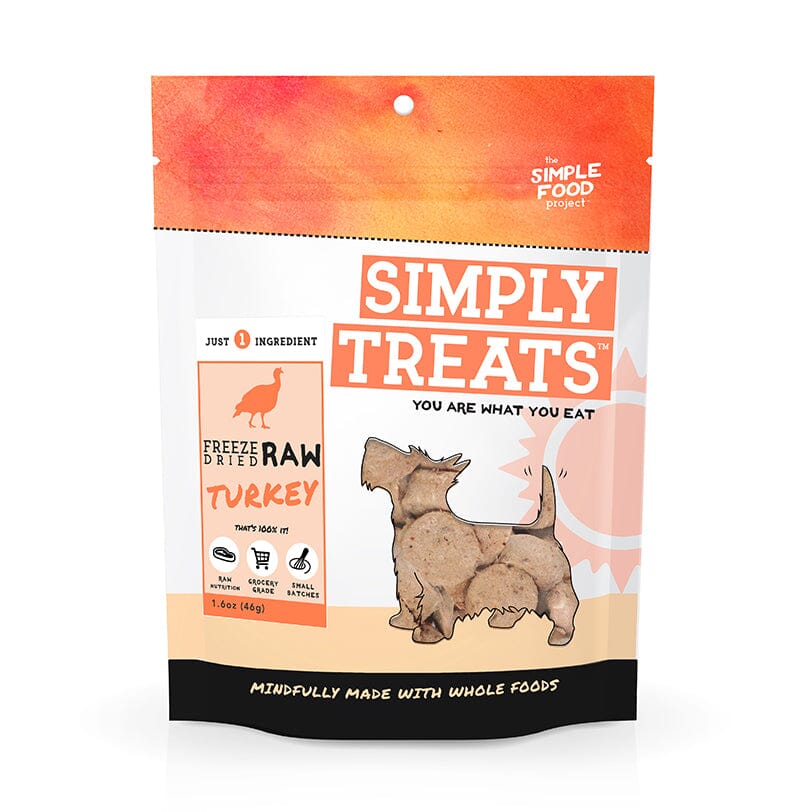
- Turkey: From a TCVM perspective, turkey traditionally nourishes Yin. From a Western perspective, it supplies protein and amino acids.
- Millet: From a TCVM perspective, millet traditionally supports Spleen and Kidney Yin and nourishes Blood. From a Western perspective, it supplies carbohydrate and grain nutrients.
- Carrots: From a TCVM perspective, the Fire listing describes carrots as cooling Blood and Heat. From a Western perspective, they supply fiber and carotenoids.
- Edamame: From a TCVM perspective, edamame traditionally strengthens Qi and harmonizes the Middle Jiao. From a Western perspective, it supplies soy protein, fiber, and fats.
- Broccoli: From a TCVM perspective, the listing describes cooling Liver and Blood support. From a Western perspective, broccoli supplies fiber and micronutrients.
- Fish oil: From a TCVM perspective, the listing does not establish individual oil energetics. From a Western perspective, it supplies marine fats.
- Sunflower oil: From a TCVM perspective, an individual classification remains unverified. From a Western perspective, it supplies dietary fat.
Chi Dog Earth Diet
Chi Dog Earth Diet emphasizes acquired Qi, or energy supported by nourishment. Its description also supports the Central Burner, Blood, and Qi.
Traditionally, Earth-focused feeding relates to Spleen and digestive support. The earlier discussion also considered excess Damp, Phlegm nodules, and Blood stagnation.
Associated health topics include weight management, inflammation, cancer supportive care, and lipomas.
However, a diet should not be described as preventing or treating cancer without supporting evidence. Dogs receiving cancer care need individualized nutrition.
The main ingredients are meat-free, but the label includes fish oil. Therefore, the recipe is not strictly vegetarian.
Main food ingredients include:
- Egg: From a TCVM perspective, egg traditionally supplements Blood and Yin. From a Western perspective, it supplies protein, fat, and micronutrients.
- Tofu: From a TCVM perspective, tofu traditionally clears Heat and moistens. From a Western perspective, it supplies soy protein and nutrients.
- Sweet potato: From a TCVM perspective, sweet potato supports the Central Burner and balanced Qi and Blood. From a Western perspective, it supplies carbohydrate and fiber.
- Spinach: From a TCVM perspective, spinach traditionally cools Liver and Blood. From a Western perspective, it supplies fiber and micronutrients.
- Green peas: From a TCVM perspective, green peas traditionally support the Spleen and Kidney. From a Western perspective, they supply plant protein, carbohydrate, and fiber.
- Mushrooms: From a TCVM perspective, the listing describes cooling Blood and Heat and addressing Damp. From a Western perspective, mushrooms supply fiber and plant nutrients. However, the listing does not identify the mushroom species.
- Fish oil: From a TCVM perspective, individual oil energetics remain unspecified. From a Western perspective, it supplies marine fats.
- Sunflower oil: From a TCVM perspective, an individual classification remains unverified. From a Western perspective, it supplies dietary fat.
Chi Dog Metal Diet
Chi Dog Metal Diet emphasizes Stomach and Lung Qi. Its traditional description also addresses Qi distribution and body fluids.
Associated concerns include coughing, breathing disorders, dry skin, dandruff, diabetes, lung disease, constipation, and weight gain.
Traditionally, the diet's neutral-to-cooling approach also relates to dryness and Blood support. Meanwhile, its moisture contributes to dietary water intake.
Main food ingredients include:
- Beef: From a TCVM perspective, beef traditionally supplements Qi and Blood. From a Western perspective, it supplies protein and fat.
- White potato: From a TCVM perspective, white potato traditionally strengthens Spleen and Stomach Qi. From a Western perspective, it supplies carbohydrate and potassium.
- Bok choy: From a TCVM perspective, bok choy traditionally moistens the intestines and clears Heat. From a Western perspective, it supplies fiber and micronutrients.
- Kale: From a TCVM perspective, kale traditionally supports Stomach and Spleen balance. From a Western perspective, it supplies fiber and plant nutrients.
- Carrots: From a TCVM perspective, carrots traditionally support Liver Blood and Spleen function. From a Western perspective, they supply fiber and carotenoids.
- Peas: From a TCVM perspective, related green-pea descriptions support the Spleen and Kidney. From a Western perspective, peas supply plant protein, carbohydrate, and fiber.
- Fish oil: From a TCVM perspective, the listing does not specify individual oil energetics. From a Western perspective, it supplies marine fats.
- Sunflower oil: From a TCVM perspective, an individual classification remains unverified. From a Western perspective, it supplies dietary fat.
Chi Dog Water Diet
Chi Dog Water Diet emphasizes Kidney Yin, Kidney Qi, and Jing. In TCVM, Jing describes constitutional essence.
The neutral-to-cooling approach may form part of a personalized pattern-based plan. It can also offer a different protein option.
Associated topics include ear infections, back discomfort, hind-leg weakness, kidney concerns, urinary incontinence, vomiting, diarrhea, and food allergies.
However, Kidney support in TCVM does not establish suitability as a therapeutic renal diet. Dogs with kidney disease need nutrient-specific assessment.
Likewise, a pork-based recipe is not automatically hypoallergenic. Your dog's previous food exposure and the complete label matter.
Main food ingredients include:
- Pork: From a TCVM perspective, pork traditionally supplements Blood and Yin. From a Western perspective, it supplies protein, fat, and B vitamins.
- Pearled barley: From a TCVM perspective, the listing describes a slightly salty flavor. From a Western perspective, it supplies carbohydrate and fiber. However, flavor alone does not establish a complete traditional action.
- Green peas: From a TCVM perspective, the Water listing describes Heat-clearing support. From a Western perspective, peas supply plant protein, carbohydrate, and fiber.
- Watercress: From a TCVM perspective, watercress is cooling and associated with Stomach and Lung channels. From a Western perspective, it supplies plant micronutrients.
- Sweet potato: From a TCVM perspective, sweet potato traditionally supports Stomach, Spleen, and Kidney nourishment. From a Western perspective, it supplies carbohydrate and fiber.
- Fish oil: From a TCVM perspective, individual oil energetics remain unspecified. From a Western perspective, it supplies marine fats.
- Sunflower oil: From a TCVM perspective, an individual classification remains unverified. From a Western perspective, it supplies dietary fat.
Additional Liver Support
The Wood discussion also links to PET | TAO Harmonize Liver. The supplement supports normal liver function alongside veterinary care.
Its active ingredients include botanicals, vitamins, antioxidants, digestive enzymes, and a probiotic. Each serves a different role.
Many isolated nutrients have no verified classical TCVM classification. Therefore, we avoid assigning invented energetic actions.
- Milk thistle (Silybum marianum): From a TCVM perspective, a specific classical classification remains unverified. From a Western perspective, silymarin supports normal liver antioxidant defenses.
- Dandelion root (Taraxacum officinale): From a TCVM perspective, the listing associates Pu Gong Ying with clearing Damp Heat. From a Western perspective, the listing describes bile-flow and normal liver support. However, root-specific traditional actions warrant confirmation rather than assuming equivalence with whole-herb preparations.
- Calcium ascorbate, vitamin C: From a TCVM perspective, no classical energetic classification is verified. From a Western perspective, vitamin C supports antioxidant protection and collagen production.
- Thiamine, vitamin B1: From a TCVM perspective, no classical energetic classification is verified. From a Western perspective, thiamine supports carbohydrate metabolism and nerve function.
- Glutathione: From a TCVM perspective, no classical energetic classification is verified. From a Western perspective, glutathione supports antioxidant defenses and normal cellular detoxification.
- Pantothenic acid, vitamin B5: From a TCVM perspective, no classical energetic classification is verified. From a Western perspective, vitamin B5 supports coenzyme A formation and nutrient metabolism.
- Riboflavin, vitamin B2: From a TCVM perspective, no classical energetic classification is verified. From a Western perspective, riboflavin supports energy metabolism.
- Pyridoxine, vitamin B6: From a TCVM perspective, no classical energetic classification is verified. From a Western perspective, vitamin B6 supports amino-acid metabolism and normal nerve function.
- Vitamin B12: From a TCVM perspective, no classical energetic classification is verified. From a Western perspective, vitamin B12 supports blood-cell formation and normal nerve function.
- DL-alpha-tocopheryl acetate, vitamin E: From a TCVM perspective, no classical energetic classification is verified. From a Western perspective, vitamin E supports antioxidant protection of cell membranes.
- Superoxide dismutase: From a TCVM perspective, no classical energetic classification is verified. From a Western perspective, the enzyme helps neutralize superoxide radicals.
- Alpha-amylase (Aspergillus oryzae): From a TCVM perspective, no individual classical energetic action is verified. From a Western perspective, amylase helps break down starch.
- Lipase (Aspergillus niger): From a TCVM perspective, no individual classical energetic action is verified. From a Western perspective, lipase helps break down fats.
- Cellulase (Trichoderma longibrachiatum): From a TCVM perspective, no individual classical energetic action is verified. From a Western perspective, cellulase breaks down cellulose.
- Protease, papaya-derived: From a TCVM perspective, no individual classical energetic action is verified. From a Western perspective, protease helps break down proteins.
- Bacillus coagulans: From a TCVM perspective, no classical energetic classification is verified. From a Western perspective, the probiotic supports digestive microbial balance.
Before adding supplements, review medications and health conditions with your veterinarian. The label notes pregnancy and breeding safety remains unproven.
Personalized TCVM Guidance
Need extra help choosing your dog's food naturally or with TCVM herbal support? We can help.
TCVM Pet Supply co-founding veterinarians Dr. Marc Smith and Dr. Casey Damron offer TCVM telemedicine consultations.
A consultation provides personalized recommendations for your dog, including:
- Evaluation: TCVM evaluation.
- Nutrition: Food therapy recommendations.
- Herbal support: TCVM herb recommendations and veterinary authorization.
- Supplements: Supplement recommendations.
- Additional care: Alternative medicine recommendations.
Alternatively, choose an in-clinic visit if you live in Middle Tennessee or can travel.
You can learn more and contact your preferred clinic:
- Marc Smith, DVM, MS: Natchez Trace Veterinary Services consultations.
- Casey Damron, DVM, CVA: White Oak Animal Hospital consultations.
We wish you and your dog healthy, happy mealtimes. Please reach out with questions.
However, telemedicine does not replace urgent veterinary care.
Frequently Asked Questions
How Do I Choose a Chi Dog Diet?
Start with your dog's nutritional needs and veterinary assessment. Then, consider the TCVM pattern alongside medical history and food tolerance. Personality alone should not determine the diet.
Is Chi Dog Fire Diet Automatically Suitable for Pancreatitis?
No. Low carbohydrate does not mean low fat. Your veterinarian should assess the recipe's fat content before recommending it for pancreatitis.
Is Chi Dog Earth Diet Vegetarian?
The main ingredients include egg, tofu, vegetables, and mushrooms. However, the current label also lists fish oil. Therefore, the recipe is not strictly vegetarian.
Can Chi Dog Water Diet Replace a Prescription Kidney Diet?
Not automatically. Traditional Kidney support differs from a therapeutic renal formulation. Your veterinarian should assess nutrients, laboratory results, and disease stage before choosing food.
The Bottom Line: Chi Dog Food Therapy
Chi Dog offers fresh meals informed by Five Element food therapy. The five diets provide different ingredients and traditional emphases.
Ultimately, your dog's individual needs guide the choice. Browse the Chi Dog diets at TCVM Pet Supply and discuss options with your veterinarian.
The previously listed first-order promotion code is 20%OFF1ST, for a stated 20% discount. However, its current validity and eligibility have not been verified.
References
- Xie, H., & Preast, V. (2002). Traditional Chinese veterinary medicine: Volume 1, fundamental principles. Jing Tang.
Related post

30
Oct
TCVM Pet Health Insights
Yunnan Baiyao for Dogs With Hemangiosarcoma: What Veterinary Research Reveals
Read more
13
Oct

13
Oct
TCVM Pet Health Insights
Why Some Herbal Formulas Require Veterinary Authorization, and Why That's a Good Thing
Read more
25
Feb

30
Jan