
TCVM Protocols for Cardiac Disease in Dogs
When your dog has heart health challenges, you want to help them feel comfortable and maintain their quality of life. Recognizing signs early and working with your veterinarian are important first steps.
TCVM food therapy, supplements, and individualized herbal formulas offer supportive options to discuss alongside your dog’s cardiac care. Here, we share recommendations from our co-founders’ Tennessee veterinary clinics.
Key Takeaways
- Early attention: Coughing, fainting, breathing changes, fatigue, abdominal swelling, and weight loss need veterinary assessment.
- Food therapy: A veterinarian-guided low-salt diet can be prepared using suitable home-cooked recipes.
- Cardiovascular support: The recommendations include a Coenzyme Q-10 supplement and salmon oil.
- Heart food therapy: Heart treats are used through TCVM Five-Element theory.
- Personalized herbs: Formula selection depends on your dog’s TCVM pattern, diagnosis, and medications.
What Causes Cardiac Disease in Dogs?
There is no single cause of cardiac disease in dogs. Aging, obesity, breed, and nutrition can all play a role in canine heart problems.
Heart valve problems are the most common affliction discussed here, typically affecting small-breed dogs that are five years or older.
Regardless of the condition, it is important to spot signs early. Many canine heart conditions develop as dogs age, so management should begin as soon as your veterinarian recommends.
What Are the Symptoms of Cardiac Disease in Dogs?
If you notice any of these signs, contact your veterinarian immediately:
- Cough: A dry cough following physical activity or becoming worse at night.
- Abdomen: A potbelly appearance from fluid buildup.
- Fainting: Collapse or fainting that may seem like a seizure.
- Energy: Fatigue or becoming tired more quickly than usual.
- Body weight: Rapid weight loss within a few weeks.
- Sleep: Restless sleep.
- Breathing: Shortness of breath or elevated breathing.
Difficulty breathing or collapse requires urgent veterinary care. These home-support options should not delay assessment.
How to Help Your Dog’s Heart Problems at Home
There are several things you can do at home to support your dog’s heart health. Our co-founders, Dr. Marc Smith and Dr. Casey Damron, recommend the approaches below in their Tennessee veterinary clinics.
Coordinate diet, supplements, and herbs with your dog’s veterinarian, especially when cardiac medications or diuretics are prescribed.
Feed a Low-Salt Diet
You can prepare a low-salt diet when cooking at home for your dog. Visit PET | TAO’s recipe page and choose a diet that suits your dog’s energetic needs.
To explore which recipe fits your dog, review PET | TAO’s Eastern Food Therapy Feeding Suggestion chart.
Use ingredients with no added salt and do not add salt to the final recipe. Your veterinarian can confirm the appropriate sodium level and nutritional plan for your dog’s condition.
Give Cardiovascular Support With Coenzyme Q-10
Our veterinarians recommend Vet Classics Cardiovascular Support with Coenzyme Q-10.
It combines coenzyme Q-10 with botanicals, antioxidants, and amino acids to support overall cardiovascular system health.
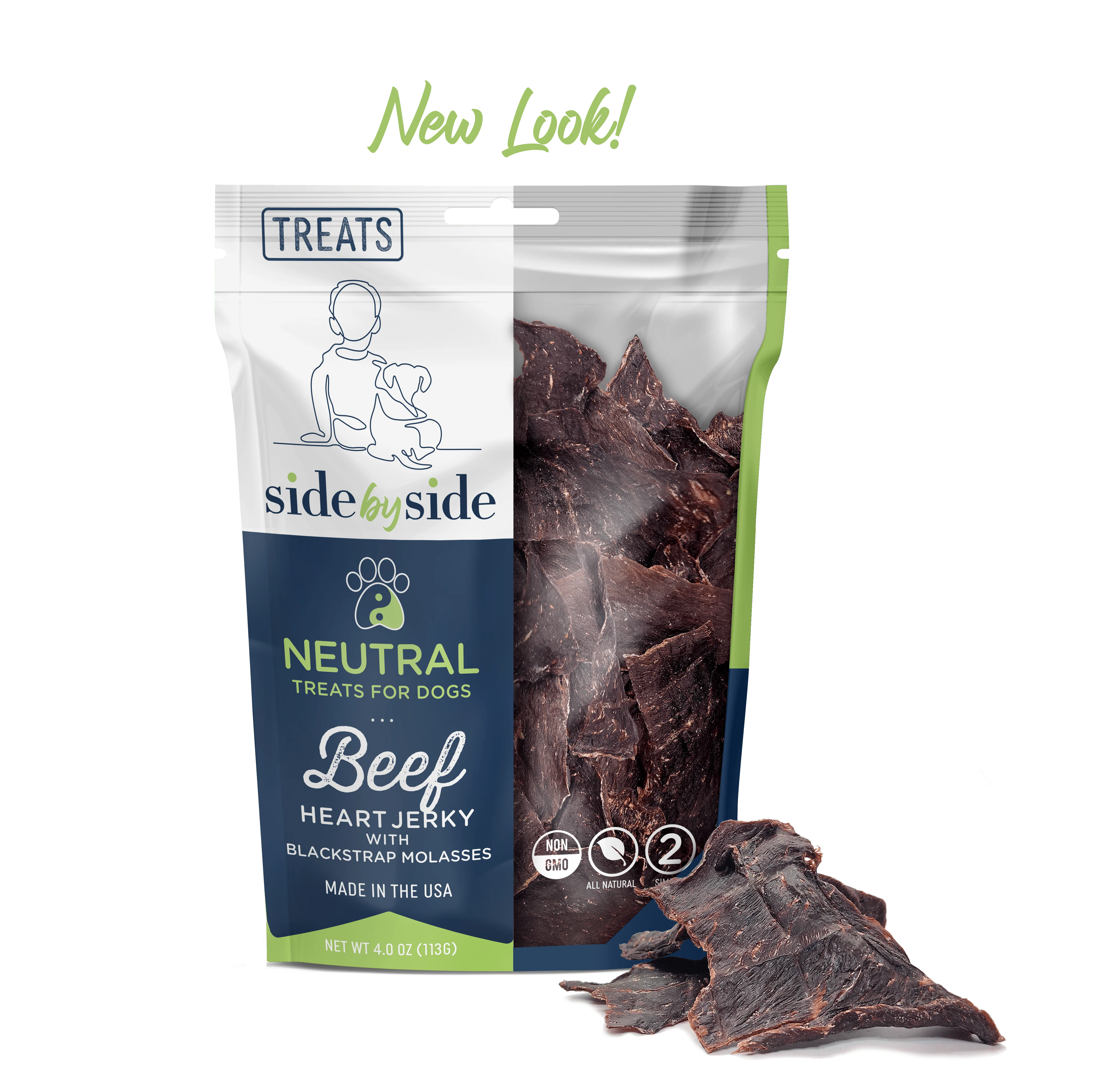
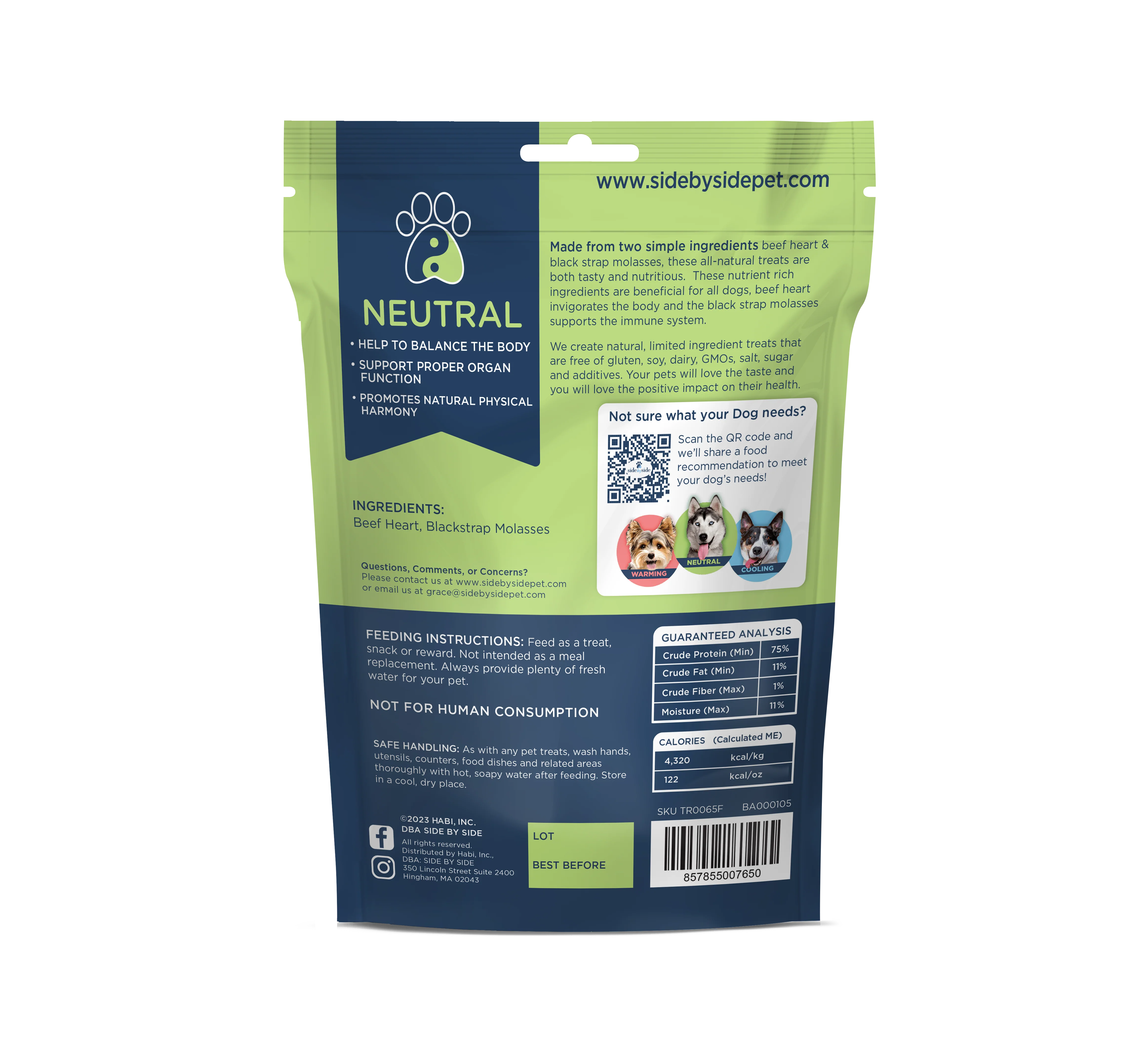
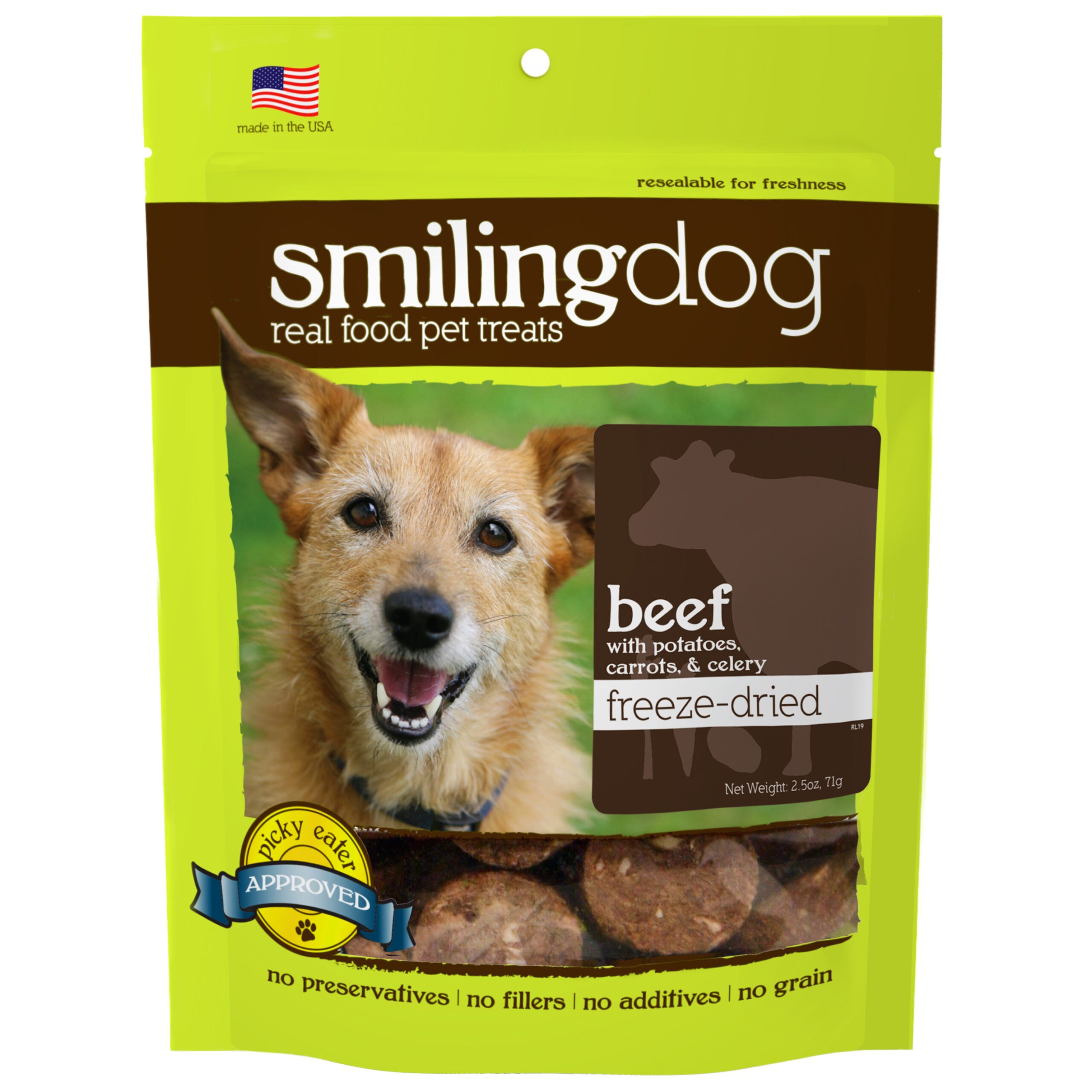
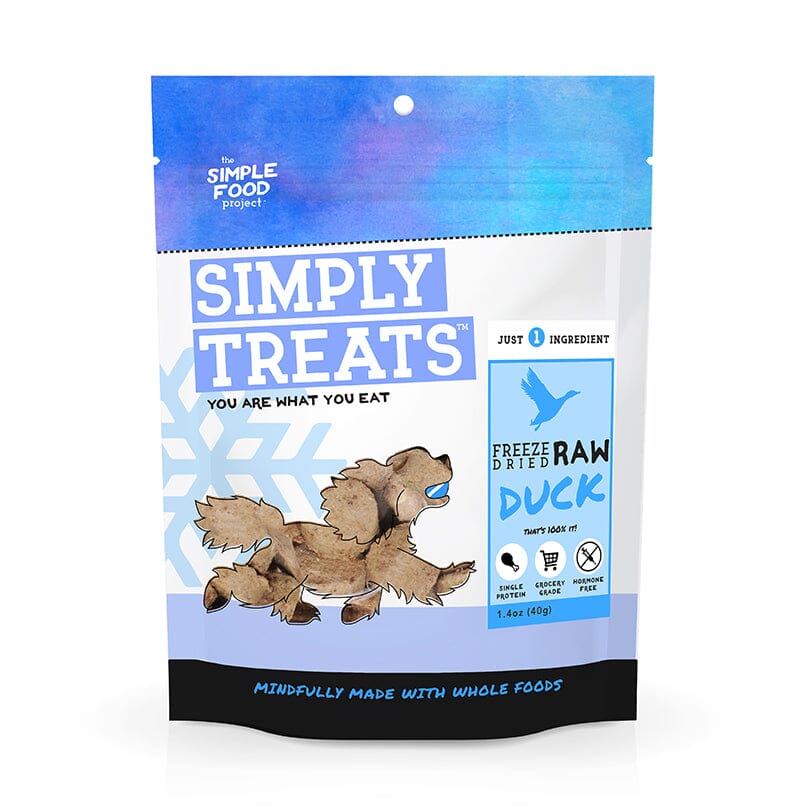
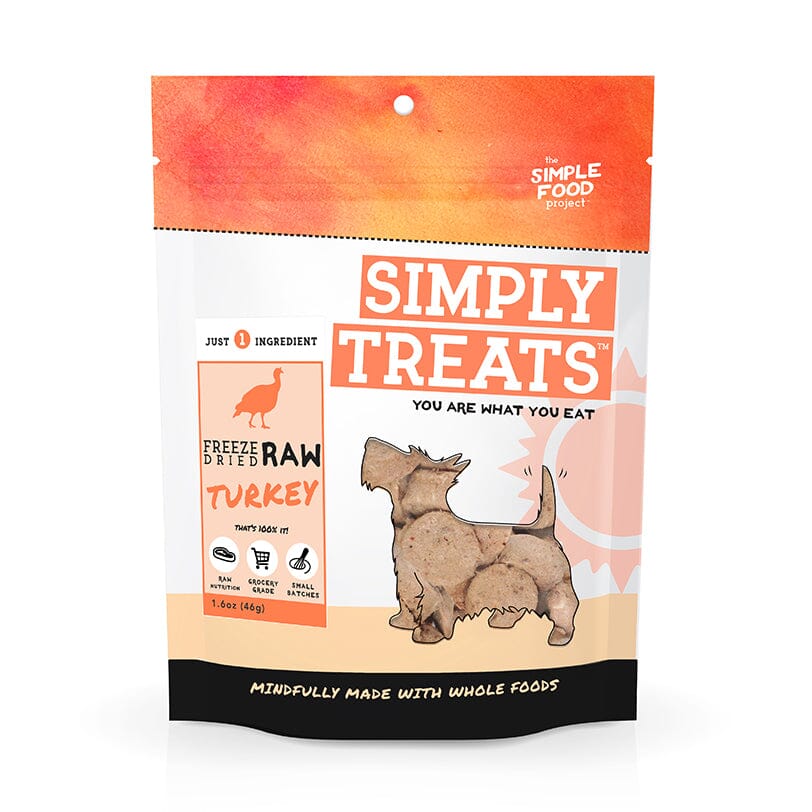
Feed Heart Treats
Eastern medicine teaches that feeding heart can help strengthen and tonify the Heart meridian.
PET | TAO Freeze-Dried Heart Treats make it easy to use heart food therapy based on Five-Element theory.
Feed several heart treats a day, or as directed by your veterinarian. In this TCVM approach, heart treats also support emotional balance, including behavioral issues and agitation, alongside Heart support.
Supplement With Salmon Oil
Research explores the role of marine omega-3 fatty acids in heart health. Our recommendation is 20 to 90 mg per pound of body weight daily, or as directed by your veterinarian.
Before applying this range, have your veterinarian confirm the intended EPA and DHA amount and your product’s concentration so the dose is appropriate for your dog.
An option is Vet Classics Salmon Oil Soft Chews.
In addition to heart support, salmon oil supports your dog’s skin and coat.
Try a TCVM Herbal Formula
In addition to over-the-counter supplements, several TCVM herbal formulas offer individualized support for dogs with heart health challenges. Examples to discuss with your veterinarian include:
- Ge Xia Zhu Yu: Invigorates Qi and Blood and supports comfort in TCVM patterns of Blood stasis and Qi stagnation below the diaphragm. Tao Ren and Hong Hua disperse Blood stasis, Chuan Xiong and Yan Hu Suo move Qi and Blood, and Dang Gui nourishes Blood. It is a pattern-specific formula rather than a general heart tonic. Do not use during pregnancy; stop administration and contact your veterinarian if diarrhea or unusual signs develop.
- Heart Qi Tonic: Tonifies Heart Qi and invigorates Blood. Its listed herbs include Huang Qi, Dang Shen, Dang Gui, Chuan Xiong, Bai Zi Ren, Fu Ling, Gan Cao, Rou Gui, Wu Wei Zi, and Yuan Zhi. Your veterinarian can determine whether its Heart Qi-supporting approach fits your dog’s TCVM pattern.
- Zhen Wu Tang: Tonifies Heart and Kidney Yang and drains Dampness in TCVM patterns involving Yang deficiency and fluid accumulation. Fu Zi and Rou Gui warm Yang, while Fu Ling, Ze Xie, and Zhu Ling support Damp drainage and fluid balance. The product page advises against use in animals that are anemic, weak, or pregnant. It may cause a positive drug test result, and careful veterinary review is important with cardiac medications and diuretics.
These TCVM herbal formulas require veterinary authorization. To purchase authorization-required herbs, you need authorization from your veterinarian or a telemedicine consultation or examination with one of our veterinarians.
Interested in trying a TCVM herbal formula? Submit Your Authorization Request or Request a TCVM Telemedicine Consultation
Personalized TCVM Guidance
If you ever feel like you need extra help managing your dog’s heart health challenges naturally or with TCVM herbal blends, we can help.
TCVM Pet Supply co-founding veterinarians Dr. Marc Smith and Dr. Casey Damron offer TCVM telemedicine consultations.
A consultation provides personalized recommendations specific to your dog, including:
- Evaluation: TCVM evaluation.
- Nutrition: Food therapy recommendations.
- Herbal support: TCVM herb recommendations and veterinary authorization.
- Supplements: Supplement recommendations.
- Additional care: Alternative medicine recommendations.
If you reside in the Middle Tennessee area or would like to commute, you may choose an in-clinic appointment instead.
You can learn more about each veterinarian and contact the clinic you prefer directly:
- Marc Smith, DVM, MS - Natchez Trace Veterinary Services
- Casey Damron, DVM, CVA - White Oak Animal Hospital
We hope this information helps you and wish you the best in helping your dog feel better. If you have any other questions or if we can help you in any way, just let us know!
Frequently Asked Questions
Which signs of heart disease should prompt veterinary care?
A dry cough after activity or at night, abdominal swelling, fainting, fatigue, rapid weight loss, restless sleep, and breathing changes should be assessed promptly. Difficulty breathing or collapse requires urgent veterinary care.
How can I prepare a low-salt food therapy diet?
Use the linked PET | TAO recipe page and feeding chart to explore a recipe suited to your dog’s energetic pattern. Choose ingredients with no added salt and do not add salt to the finished recipe. Have your veterinarian confirm that the sodium level and overall nutritional plan fit your dog’s cardiac condition.
What supportive products are recommended here?
Our veterinarians recommend Vet Classics Cardiovascular Support with Coenzyme Q-10, PET | TAO heart treats, and salmon oil. The CoQ10 supplement provides cardiovascular support, heart treats are used through TCVM food therapy, and salmon oil provides marine omega-3 support for heart, skin, and coat health. Your veterinarian should guide amounts and coordinate them with medications.
Are the three TCVM formulas interchangeable for heart disease?
No. Ge Xia Zhu Yu addresses Qi stagnation and Blood stasis, Heart Qi Tonic tonifies Heart Qi and invigorates Blood, and Zhen Wu Tang addresses Heart and Kidney Yang deficiency with Damp accumulation. A TCVM-trained veterinarian must select and authorize a formula suited to your dog’s pattern, health status, and medications.
The Bottom Line
Supporting a dog with cardiac disease starts with early recognition and coordinated veterinary care. A suitable low-salt diet, cardiovascular supplements, Heart food therapy, salmon oil, and a carefully selected TCVM formula offer supportive options tailored to your dog’s individual needs.
Related post

13
Oct

13
Oct
TCVM Pet Health Insights
Why Some Herbal Formulas Require Veterinary Authorization, and Why That's a Good Thing
Read more
25
Feb

30
Jan

24
Oct