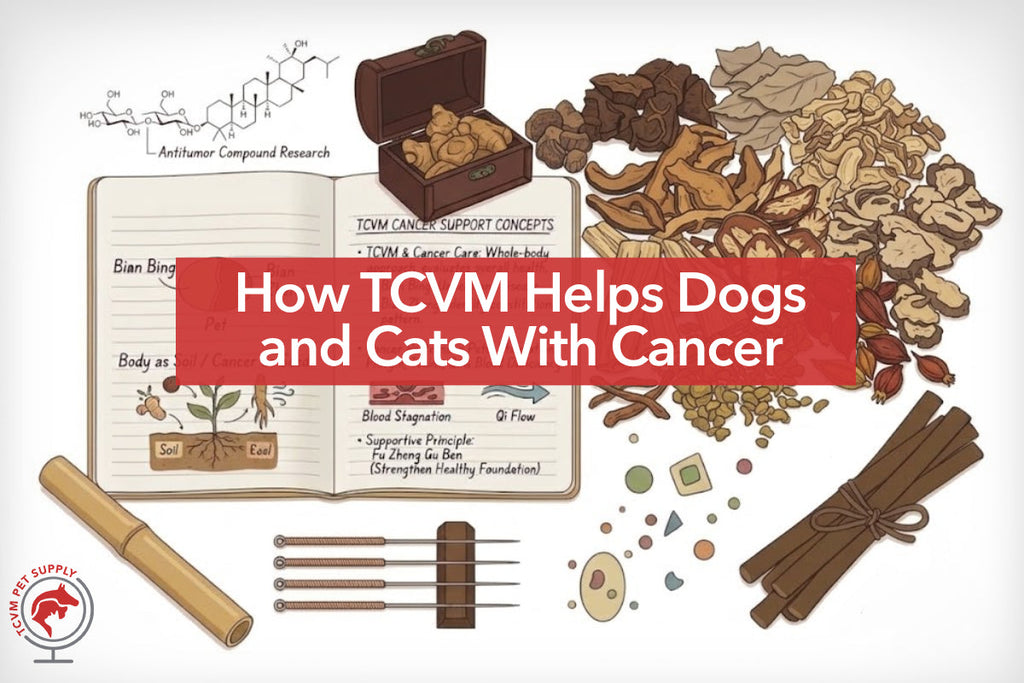
Cancer in Dogs and Cats: How Traditional Chinese Veterinary Medicine Supports the Whole Pet
When your dog or cat receives a cancer diagnosis, you naturally want to explore every available option.
Traditional Chinese Veterinary Medicine (TCVM) offers a different perspective on cancer care. Rather than focusing only on tumors, TCVM considers your pet's entire health.
A published review, Chinese Medicine and Cancer Care, explores how Chinese medicine approaches cancer through balance, circulation, and whole-body support.
Although the research focuses on human medicine, many of the same traditional principles also guide TCVM practitioners caring for animals.
Discover how these principles can complement conventional veterinary cancer treatment and help support your pet's quality of life.
Quick Overview: TCVM and Cancer Care
- Whole-body approach: TCVM evaluates your pet's overall health alongside the cancer diagnosis.
- Individualized care: Two pets with the same cancer may have different TCVM patterns and treatment plans.
- Qi and Blood: Traditional practitioners consider deficiencies and stagnation when developing supportive care plans.
- Herbal medicine: Carefully selected formulas support comfort and overall wellness.
- Integrative treatment: TCVM can complement surgery, chemotherapy, radiation, and other veterinary treatments.
Understanding Cancer Through Traditional Chinese Veterinary Medicine
Conventional veterinary medicine identifies cancer through diagnostic testing, including biopsies, imaging, and laboratory work.
These tests help determine the cancer type, stage, and available treatment options.
TCVM adds another layer by evaluating the animal's overall condition.
Practitioners consider appetite, digestion, energy, temperature preferences, behavior, and other signs of imbalance.
In their article, Harriet Beinfield and Efrem Korngold describe an important distinction between Western medicine and Chinese medicine.
Western medicine primarily investigates the disease itself. Chinese medicine also examines the internal environment surrounding the disease.
The authors compare the relationship to a seed growing in soil.
The seed represents the disease, while the soil represents the body's internal environment.
From a TCVM perspective, supporting the body's overall condition is an important part of caring for an animal with cancer.
How TCVM Explains Cancer: Qi, Blood Stagnation, and Deficiency
Traditional Chinese medicine describes several patterns associated with tumors.
The original article identifies stagnation, Phlegm, toxins, and deficiencies of Qi and Blood as important concepts.
In TCVM, these patterns help guide individualized supportive treatment.
1. Blood Stagnation and Cancer in Pets
Blood Stagnation is an important concept in TCVM cancer care.
In traditional theory, Blood Stagnation describes impaired movement of Blood and the development of obstruction.
Practitioners may associate the pattern with firm masses, localized discomfort, or chronic conditions.
The authors explain how prolonged stagnation may contribute to the traditional understanding of tumor formation.
Therefore, TCVM practitioners sometimes consider Blood-moving herbal formulas when evaluating animals with masses.
However, Blood Stagnation is a traditional diagnostic pattern, not proof of impaired blood flow or cancer.
Blood-moving herbs may also affect bleeding risk or interact with medications, which is why most TCVM herbal formulas for cancer require a veterinarian's authorization.
2. Qi Deficiency and Cancer in Dogs and Cats
Qi represents the body's functional vitality within TCVM.
When Qi becomes deficient, an animal may appear tired, weak, or less interested in normal activities.
Additional signs may include reduced appetite or digestive difficulties.
Cancer and its treatments can also cause fatigue, weight loss, and decreased appetite through recognized biological mechanisms.
Therefore, a veterinarian must evaluate these changes rather than automatically attributing them to Qi Deficiency.
TCVM practitioners may use carefully selected nutritional and herbal strategies to support animals showing deficiency patterns.
3. Phlegm and Dampness in TCVM Cancer Care
Phlegm and Dampness describe patterns of accumulation and impaired transformation in traditional Chinese medicine.
Unlike ordinary mucus, TCVM Phlegm can represent deeper patterns of obstruction.
The article identifies Phlegm accumulation among the traditional patterns associated with certain tumors.
Consequently, practitioners may consider Phlegm-resolving strategies when appropriate.
4. Heat, Toxins, and Yin Deficiency
TCVM also considers Heat, Toxic Heat, and Yin Deficiency.
Traditional practitioners may associate these patterns with inflammation, dryness, restlessness, or changes in temperature preferences.
The article discusses cooling herbs and Yin-nourishing approaches within traditional cancer care.
However, TCVM Heat and toxins should not be confused with measured body temperature or scientifically identified toxins.
Each pattern requires careful evaluation before selecting an herbal formula.
How TCVM Supports Dogs and Cats During Cancer Treatment
One of the most valuable themes in Chinese Medicine and Cancer Care is the importance of supporting the patient.
The authors describe traditional strategies intended to preserve strength and help patients tolerate conventional treatment.
Their discussion includes a concept called Fu Zheng Gu Ben, meaning strengthening the body's healthy foundation.
In veterinary medicine, a similar philosophy may guide supportive care.
A veterinarian might focus on maintaining appetite, managing discomfort, preserving body condition, and improving daily well-being.
TCVM Herbal Medicine for Cancer Support
Traditional Chinese herbal formulas often combine several herbs selected for a specific pattern.
Rather than choosing one herb for every animal with cancer, TCVM practitioners evaluate individual needs.
For example, one pet may show signs of Qi Deficiency. Another may present with Blood Stagnation or Yin Deficiency.
Consequently, their herbal recommendations may differ, even with the same cancer diagnosis.
The article reviews laboratory research and older human studies involving Chinese herbal medicine.
Some findings suggest possible effects on immune activity, treatment-related symptoms, and other biological processes.
However, the authors acknowledge important weaknesses in the available research.
Human studies and laboratory findings do not establish that Chinese herbal formulas shrink tumors or extend survival in dogs and cats.
More veterinary research is needed to determine which formulas provide measurable benefits.
Acupuncture for Dogs and Cats With Cancer
Acupuncture is another important component of TCVM.
The original article reviews human research involving acupuncture for pain, nausea, and treatment-related discomfort.
In veterinary medicine, acupuncture may be considered as an additional supportive therapy for selected animals.
Potential goals include improving comfort and helping manage certain symptoms.
Eastern Food Therapy and Cancer Support
Food Therapy offers another way to apply TCVM principles.
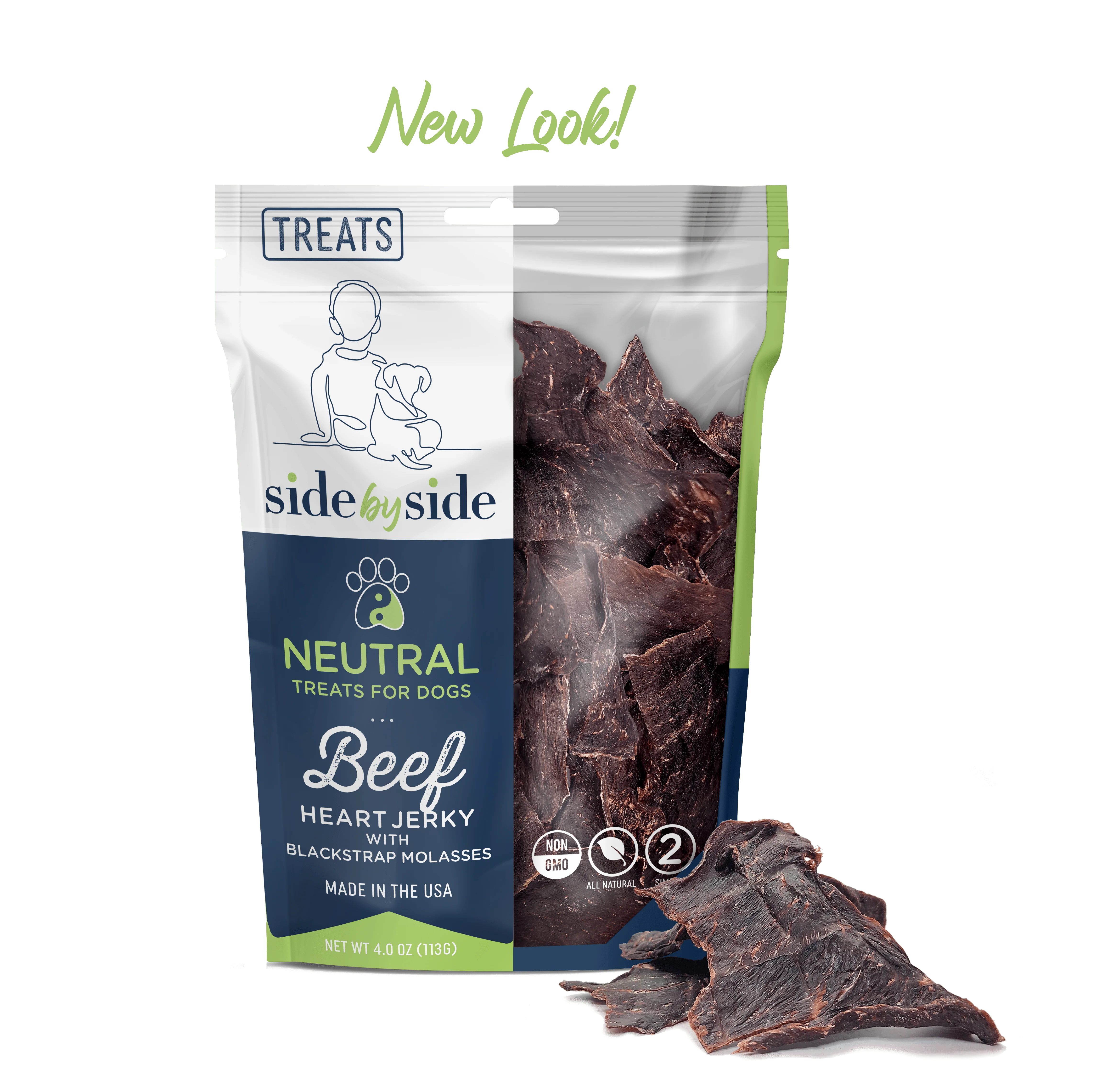
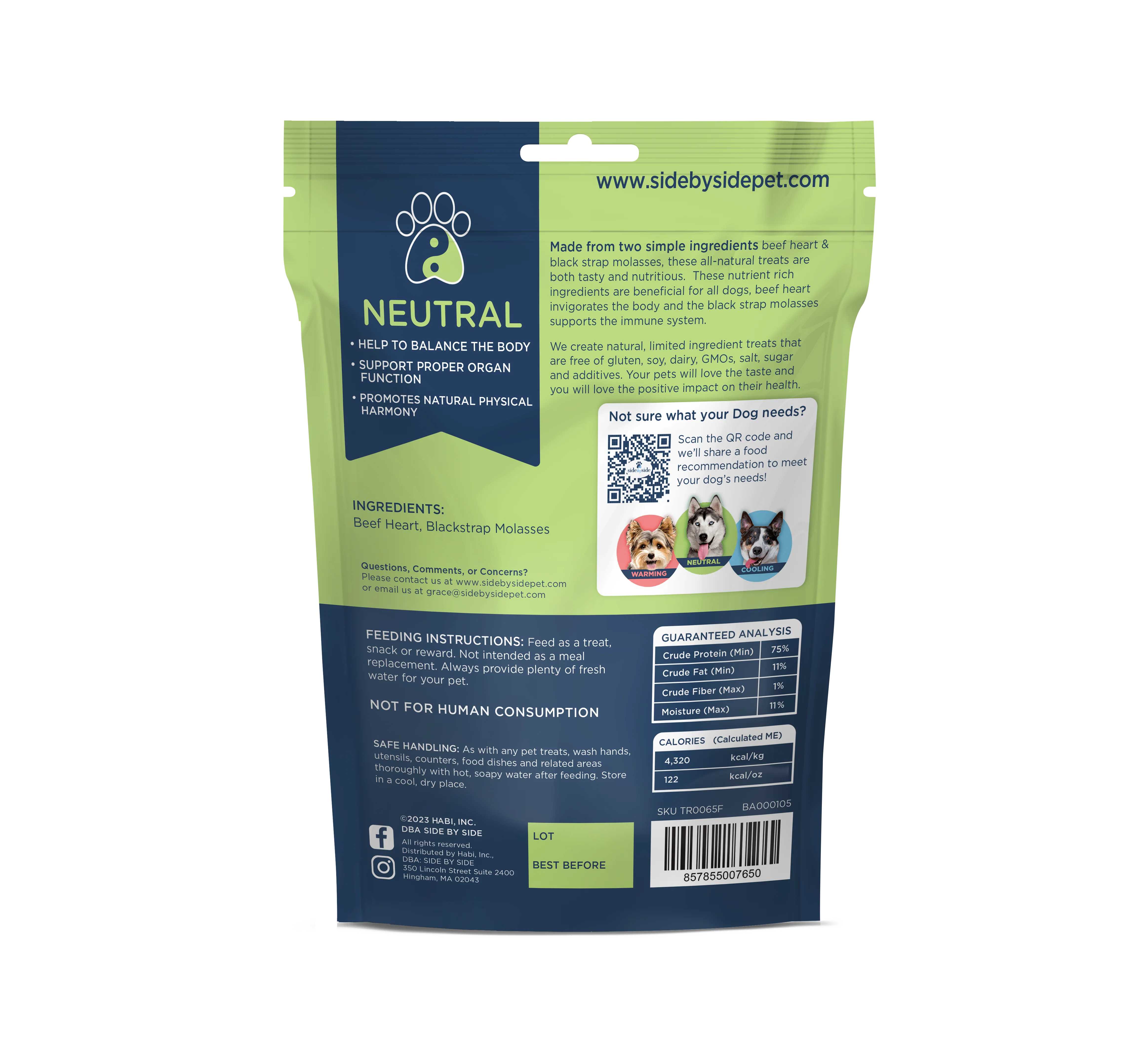
Traditional practitioners classify foods according to energetic properties, including warming, cooling, and neutral effects.
A TCVM veterinarian may consider these properties when developing a nutritional plan.
However, pets with cancer also have important medical nutrition needs.
Adequate calories, protein, and balanced nutrients help maintain muscle and body condition.
Therefore, any Eastern Food Therapy plan should meet your pet's nutritional needs and account for existing medical conditions.
Why Individualized TCVM Cancer Care Matters
One of the article's most important ideas is that traditional treatment considers both the disease and the individual.
The authors describe two diagnostic concepts:
- Bian Bing: Understanding the disease.
- Bian Zheng: Identifying the individual's constitutional and functional pattern.
Together, these concepts help explain why Chinese medicine does not use one universal formula for every cancer diagnosis.
The same principle applies to TCVM.
Imagine two dogs diagnosed with the same type of cancer.
One dog has a healthy appetite and remains energetic. Another experiences weakness, digestive upset, and weight loss.
Although their cancer diagnoses may match, their supportive needs differ.
A TCVM-trained veterinarian considers these differences alongside the oncology findings.
The goal is a personalized care plan addressing your pet's comfort, overall condition, and individual needs.
Combining TCVM With Conventional Veterinary Cancer Treatment
Integrative veterinary medicine brings together conventional medical care and carefully selected complementary therapies.
For animals with cancer, conventional treatment may include surgery, chemotherapy, radiation, targeted medications, or palliative care.
TCVM provides additional options for supporting the animal throughout treatment.
However, herbal supplements require careful coordination with the veterinary team.
Some herbs may affect blood clotting, drug metabolism, or other physiological processes.
Furthermore, certain supplements may be inappropriate before surgery or during specific chemotherapy protocols.
Always share your pet's complete supplement and medication list with the treating veterinarian.
Veterinary Expertise: Choosing the Right TCVM Approach
Cancer care requires individualized medical decisions.
A veterinarian trained in TCVM can assess traditional patterns while reviewing conventional medical findings.
An evaluation may consider your pet's cancer diagnosis, current treatments, appetite, energy, digestion, and overall condition.
The veterinarian can then determine whether acupuncture, herbal medicine, or Food Therapy is appropriate.
Importantly, TCVM care should remain coordinated with your pet's primary veterinarian or veterinary oncologist.
No single herbal formula is appropriate for every cancer type or every animal.
Personalized TCVM Guidance
If you ever feel like you need extra help managing your pet's cancer supportive care naturally or with TCVM herbal blends, we can help.
TCVM Pet Supply co-founding veterinarians Dr. Marc Smith and Dr. Casey Damron offer TCVM telemedicine consultations.
A consultation provides personalized recommendations specific to your pet, including:
- Evaluation: TCVM evaluation.
- Nutrition: Food therapy recommendations.
- Herbal support: TCVM herb recommendations and veterinary authorization, when appropriate.
- Supplements: Supplement recommendations.
- Additional care: Alternative medicine recommendations.
If you reside in the Middle Tennessee area or would like to commute, you may choose an in-clinic appointment instead.
You can learn more about each veterinarian and contact the clinic you prefer directly:
- Marc Smith, DVM, MS - Natchez Trace Veterinary Services: TCVM consultation information.
- Casey Damron, DVM, CVA - White Oak Animal Hospital: TCVM consultation information.
A consultation offers optional extra guidance alongside your pet's regular veterinary care.
We wish you and your pet comfort and support through this journey. Please reach out if you have questions.
Frequently Asked Questions About TCVM and Cancer in Pets
Can Traditional Chinese Veterinary Medicine cure cancer in dogs or cats?
There is insufficient scientific evidence to conclude that TCVM cures cancer in dogs or cats.
However, many holistic veterinarians offer TCVM as a supportive option as part of an integrative veterinary care plan and have experienced excellent results.
Can TCVM herbs shrink tumors in dogs?
Some Chinese herbs have demonstrated antitumor activity in laboratory studies.
However, laboratory findings do not prove that an herbal formula will shrink tumors in dogs.
Veterinary clinical evidence remains limited; however, holistic veterinarians report success with TCVM herbal formulas.
Can dogs receive Chinese herbs during chemotherapy?
Some dogs may receive veterinarian-approved herbal supplements during chemotherapy.
However, interactions and treatment risks must be evaluated individually.
Never introduce an herbal formula without approval from the treating veterinary team.
What is Blood Stagnation in dogs with cancer?
Blood Stagnation is a traditional TCVM pattern describing impaired movement and obstruction.
Practitioners may consider it when evaluating certain masses or chronic conditions.
However, the pattern does not independently diagnose cancer or establish its cause.
Is acupuncture safe for pets with cancer?
Acupuncture may be appropriate for some pets when performed by a qualified veterinary professional.
However, precautions may be necessary for animals with bleeding disorders, low platelet counts, or certain tumor locations.
Your veterinarian can determine whether acupuncture is suitable.
Can TCVM improve a pet's quality of life during cancer treatment?
Yes! TCVM supports comfort, balance, and overall well-being tailored to the individual pet.
Complementary therapies often help pets feel better throughout the process.
Quality of life is monitored through appetite, activity, pain control, mobility, and daily comfort.
Conclusion: Supporting the Whole Pet Through Cancer Care
A cancer diagnosis can feel overwhelming, but you have options for exploring supportive care.
Traditional Chinese Veterinary Medicine offers a whole-body perspective centered on each animal's individual needs.
The principles discussed in Chinese Medicine and Cancer Care highlight the importance of supporting the patient alongside treating the disease. TCVM may offer complementary approaches worth discussing with your veterinarian.
Because cancer care involves more than a diagnosis, your pet's comfort and quality of life deserve attention at every stage.
Explore TCVM Cancer Support With TCVM Pet Supply
At TCVM Pet Supply, we believe informed pet parents can make better wellness decisions alongside their veterinarians.
We offer Traditional Chinese Veterinary Medicine herbal formulas and other holistic wellness products to support individualized care plans.
Choosing the right herbal formula begins with understanding your pet's specific needs.
Many TCVM herbal products require veterinary authorization, helping ensure appropriate professional oversight.
Explore your options and discover how TCVM may fit into your pet's care plan.
Visit TCVM Pet Supply to explore our products and educational resources.
Research Reference
- Beinfield, H., & Korngold, E. (2003). Chinese Medicine and Cancer Care. Alternative Therapies in Health and Medicine, 9(5), 38–52.
The article reviews traditional Chinese medical theory, acupuncture, herbal medicine, and human cancer research. It is a narrative review, not a veterinary clinical trial.
Medical Disclaimer: This article is for educational purposes only. TCVM products and therapies are not substitutes for veterinary cancer diagnosis or treatment. Consult your veterinarian before changing your pet's treatment plan.
Related post
12
Nov
TCVM Pet Health Insights
Cancer in Dogs and Cats: How Traditional Chinese Veterinary Medicine Supports the Whole Pet
Read more
30
Oct
TCVM Pet Health Insights
Yunnan Baiyao for Dogs With Hemangiosarcoma: What Veterinary Research Reveals
Read more
13
Oct

13
Oct
TCVM Pet Health Insights
Why Some Herbal Formulas Require Veterinary Authorization, and Why That's a Good Thing
Read more
25
Feb