Shopping Cart

0

Your shopping bag is empty

Go to the shop

Herbsmith Rx Bu Zhong Yi Qi Tang for Dogs, Cats, and Horses

$70.00

Special Offers

  • First time shopping with us? Use code 20%OFF1ST for 20% off
  • Loyalty rewards program available
  • Free shipping on all orders over $99
  • Opt-in for weekly promo codes at checkout

Herb Type

Herb Size

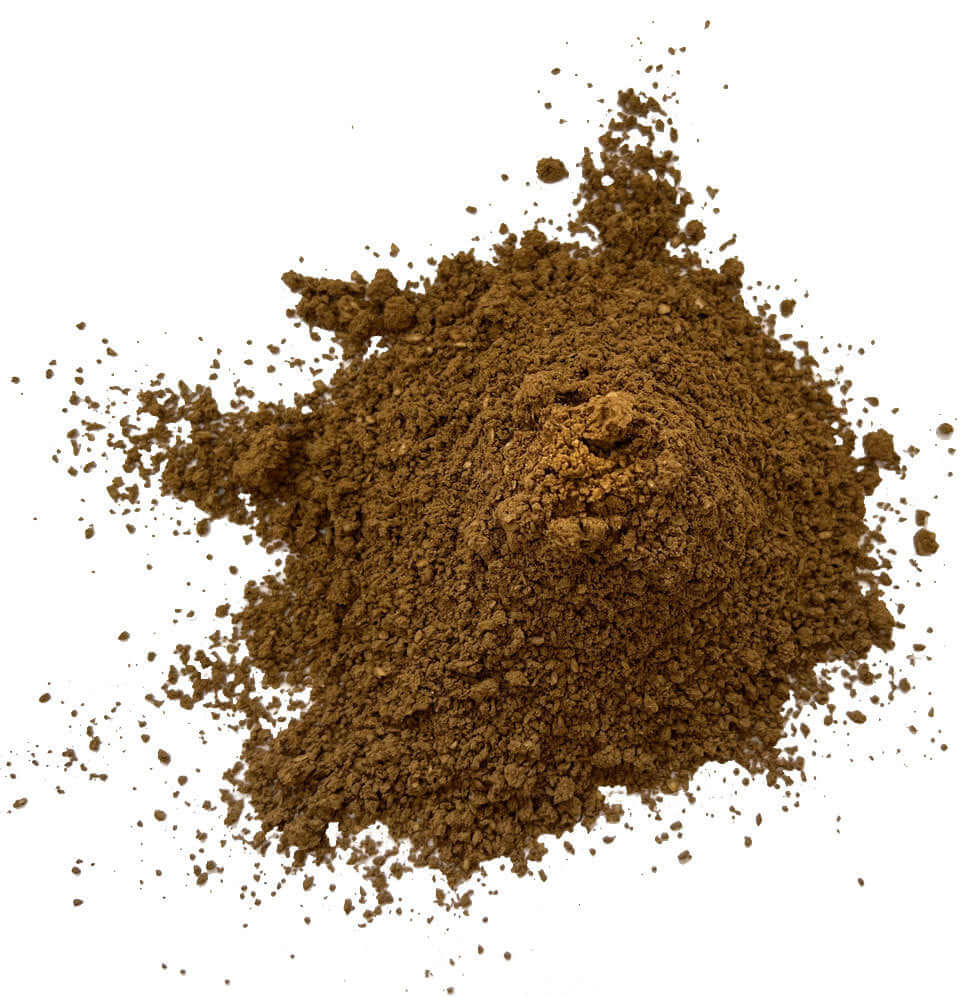
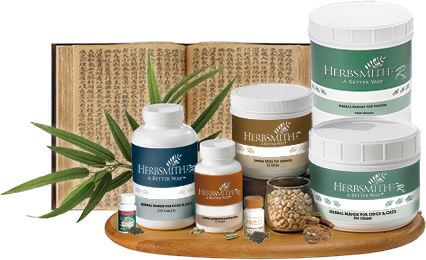
Herbsmith Rx Bu Zhong Yi Qi Tang for Dogs, Cats, and Horses Front Labels & Herb Display

Herbsmith Rx Bu Zhong Yi Qi Tang for Dogs, Cats, and Horses

Veterinary Authorization Required for TCVM Herbal Formulas - TCVM Pet Supply

Herbsmith Rx Bu Zhong Yi Qi Tang is a classical Chinese herbal formula recommended by holistic veterinarians to tonify the qi of the middle burner and raise sunken yang in dogs, cats, and horses. Also known as Tonify the Middle and Augment the Qi Powder, Central Chi Teapills, Arouse Vigor, and Ginseng and Astragalus Formula, Bu Zhong Yi Qi Tang is one of the most important and widely used formulas in all of classical TCVM for treating central qi weakness: the foundational pattern of spleen and stomach qi vacuity in which the middle burner's transforming and transporting function is compromised, and the central yang qi that should rise to hold the organs, tissues, and body fluids in their proper positions has become insufficient and begun to sink. The formula's eight herbs address the central qi weakness from three simultaneous directions: strongly tonifying the spleen and stomach qi (Huang Qi, Ren Shen, Bai Zhu, Zhi Gan Cao) so the middle burner can generate qi and blood from food and fluids; raising the sunken yang qi back to its proper ascending position (Sheng Ma, Chai Hu) so the middle burner's lifting function is restored; and supporting the blood nourishment, qi movement, and digestive rhythm needed to keep the restored qi flowing smoothly (Dang Gui, Chen Pi). Well suited for dogs, cats, and horses presenting with the central qi weakness and sinking pattern, characterized by chronic fatigue and general debility from qi vacuity failing to energize the body; poor digestion, reduced appetite, and loose or poorly formed stools from spleen qi vacuity failing to transform and transport food and fluids; prolapse or sagging of organs, tissues, or body structures from sinking yang qi failing to hold and lift; shortness of breath and a weak, low voice from qi vacuity failing to support the lung's dispersing and descending function; a pale tongue with a thin white coating and a deficient, weak, or soft pulse reflecting the qi and blood vacuity. Available as a concentrated powder mixed into food; dogs and cats use the Canine Blend, while horses use the Equine/Horse Blend. Dosing varies by species and body weight, and your authorizing veterinarian will provide specific guidance.

VETERINARY AUTHORIZATION REQUIRED: Submit Your Authorization Request or Request a TCVM Telemedicine Consultation

What It Supports

  • Central qi tonification through Huang Qi as the chief herb powerfully supplementing the spleen and stomach qi, stabilizing the exterior wei qi, and beginning the lifting of the sunken yang that middle burner qi vacuity has allowed to sink: Strongly tonifies the spleen and stomach qi, consolidates the exterior, and raises the yang through Huang Qi (astragalus root, Radix Astragali Membranacei), the chief herb of Bu Zhong Yi Qi Tang and the most important single herb in the classical materia medica for the central qi weakness and sinking pattern. Huang Qi's sweet, warm nature enters the spleen and lung channels to powerfully supplement the source qi that the middle burner generates from food and fluids, providing the foundational energetic substrate from which all the body's qi is produced and from which the yang qi that lifts and holds the organs in their proper positions is generated. In the central qi sinking pattern, Huang Qi is used at the highest dose in the formula because the severity of the qi deficiency requires a powerfully tonifying chief herb; the formula's classical structure places Huang Qi at the top of the hierarchy because the qi vacuity is the root from which the sinking arises, and the sinking cannot be corrected by raising herbs alone without first restoring the qi that should be rising. Huang Qi also consolidates the exterior wei qi, addressing the spontaneous sweating and easy susceptibility to external pathogens that accompany the central qi weakness by reinforcing the defensive qi layer. Huang Qi has mild immunomodulatory effects from its polysaccharide content (astragalosides); sustained use warrants monitoring in animals on immunosuppressive medications including cyclosporine, azathioprine, and corticosteroids.
  • Spleen and stomach qi tonification through Ren Shen as the deputy herb strongly supplementing the yuan qi and spleen qi and generating the fluids that qi vacuity is failing to produce and distribute: Strongly tonifies the yuan qi and spleen qi, calms the spirit, and generates fluids through Ren Shen (ginseng root, Radix Ginseng), the formula's most important deputy herb and the classical materia medica's most powerful single qi tonic. Ren Shen's sweet, slightly bitter, and warm nature enters the spleen, lung, and heart channels to powerfully supplement the constitutional root qi from which the spleen qi's transforming and transporting function draws its energetic foundation, providing the deep constitutional qi support that Huang Qi's middle burner-specific tonification builds upon. In Bu Zhong Yi Qi Tang, Ren Shen and Huang Qi together form the formula's most powerful qi-tonifying pair: Huang Qi tonifies the spleen qi from the middle burner surface level and raises the yang, while Ren Shen tonifies the yuan qi from the constitutional root and supports the entire transforming and transporting apparatus from its deepest level. Ren Shen also generates fluids to address the thirst and dryness that can accompany chronic qi vacuity as the failing qi loses its capacity to promote fluid distribution and metabolism. Ren Shen has interaction potential with anticoagulant medications, stimulant medications, antidiabetic medications, and antihypertensive medications; comprehensive veterinary medication review is required before use.
  • Spleen qi strengthening and dampness drying through Bai Zhu tonifying the spleen qi from the earth element level, drying the dampness that spleen qi vacuity generates by failing to transform fluids, and stabilizing the spleen's transforming and transporting function: Tonifies the spleen qi, dries dampness, and stabilizes the digestive function through Bai Zhu (white atractylodes rhizome, Rhizoma Atractylodis Macrocephalae), the classical materia medica's most important herb specifically for spleen qi tonification with concomitant damp accumulation. Bai Zhu's sweet, bitter, and warm nature enters the spleen and stomach channels to tonify the spleen qi directly from the earth element level, strengthening the spleen's transforming and transporting function and drying the pathological dampness that spleen qi vacuity generates when the failing spleen qi can no longer transform the fluids it receives from food and drink into usable yin essence and instead allows them to accumulate as pathological damp. Bai Zhu is the essential herb in Bu Zhong Yi Qi Tang for poor digestion, loose stools, and reduced appetite that accompany the central qi weakness pattern, directly targeting the spleen's compromised digestive and transforming function. Bai Zhu also stabilizes the exterior, reducing spontaneous sweating from wei qi vacuity, which Huang Qi addresses at the exterior level. Bai Zhu is generally well tolerated; its mild anticoagulant effects warrant monitoring in animals on anticoagulant medications, and its bitter-warm and drying nature warrants caution in animals with significant yin vacuity dryness.
  • Formula harmonization and middle jiao protection through Zhi Gan Cao harmonizing the formula's herbs, protecting the middle jiao from the strongly tonifying herbs' potential for generating stagnation, and moderating the lifting herbs' ascending action: Harmonizes the formula's herbs, protects the middle jiao, and moderates the qi-tonifying herbs through Zhi Gan Cao (honey-fried licorice root, Honey-fried Radix Glycyrrhizae Uralensis), the harmonizing envoy that coordinates Bu Zhong Yi Qi Tang's eight herbs into a coherent qi-tonifying and yang-raising strategy. Zhi Gan Cao's honey-fried preparation enhances its spleen qi-tonifying and middle jiao-moistening action beyond standard unprocessed licorice, providing the middle jiao protection and qi-harmonizing function needed in a formula whose strongly tonifying herbs (Huang Qi, Ren Shen, Bai Zhu) could generate qi stagnation if their tonifying action outpaces the spleen's capacity to move and distribute the restored qi. Zhi Gan Cao also moderates the ascending and lifting action of Sheng Ma and Chai Hu, ensuring yang-raising is gradual and sustainable rather than abrupt. Zhi Gan Cao at sustained doses has pseudoaldosteronism-like interaction potential with corticosteroids and diuretics, and can cause fluid retention and potassium loss; veterinary review is warranted in animals on these medications.
  • Blood nourishment and qi generation support through Dang Gui nourishing the blood that qi vacuity is failing to generate and ensuring the restored qi has blood to move through, preventing the restored yang qi from generating internal dryness as it rises: Nourishes and activates the blood, moistens the intestines, and ensures the qi restoration is accompanied by adequate blood nourishment through Dang Gui (angelica root, Radix Angelicae Sinensis), the formula's blood-nourishing herb that addresses the secondary blood vacuity that qi vacuity generates when the failing spleen qi can no longer transform food essence into blood at the adequate rate. In TCVM, qi and blood are interdependent: qi generates and moves blood, while blood nourishes and anchors the qi; in the central qi weakness pattern, the prolonged qi vacuity eventually produces a secondary blood vacuity as the failing qi loses its capacity to generate blood from food essence, and the blood vacuity then deprives the organs and channels of the nourishment they need to maintain their function. Dang Gui addresses this secondary blood vacuity directly, ensuring that the qi tonification provided by Huang Qi, Ren Shen, and Bai Zhu is accompanied by the blood nourishment needed to prevent the restored yang qi from rising into an insufficiently blood-nourished upper jiao and generating internal dryness, restlessness, or heat. Dang Gui has mild anticoagulant effects from its coumarin content; monitor animals on anticoagulant medications, and use in animals on warfarin or other anticoagulant treatments requires veterinary coordination.
  • Qi movement and digestive rhythm regulation through Chen Pi moving the qi in the middle jiao to prevent the strongly tonifying herbs from generating stagnation and ensuring the spleen's rhythmic transformation and transportation continues as the qi is being restored: Moves the qi in the middle jiao, regulates the stomach, dries dampness, and prevents qi stagnation through Chen Pi (aged tangerine peel, Pericarpium Citri Reticulatae), the qi-moving and stagnation-preventing herb that addresses the tendency of strongly tonifying formulas to generate middle jiao qi stagnation when the tonic herbs restore qi faster than the spleen's still-compromised distribution function can move and circulate the restored qi. In Bu Zhong Yi Qi Tang, Chen Pi's qi-moving and stomach-regulating action is essential to the formula's clinical effectiveness: without Chen Pi's movement, the large doses of Huang Qi, Ren Shen, and Bai Zhu could easily generate the bloating, abdominal distension, reduced appetite, and nausea that result when tonic herbs are administered to a spleen whose qi distribution function has not yet been restored to the level needed to circulate the newly supplemented qi. Chen Pi also dries dampness, complementing Bai Zhu's damp-drying action in addressing the pathological damp accumulation generated by spleen qi vacuity. Chen Pi is generally well tolerated; its warm, drying nature warrants caution in animals with significant yin vacuity or internal heat.
  • Yang raising and prolapse addressing through Sheng Ma lifting the sunken yang qi from the spleen and stomach channels back to its proper ascending position and addressing the prolapse and organ sagging that sinking middle qi generates: Raises the sunken yang, clears heat from the yang ming channel, releases the exterior, and addresses prolapse through Sheng Ma (cimicifuga rhizome, Rhizoma Cimicifugae), one of the formula's two ascending and yang-raising herbs that correct the sinking direction of the compromised middle qi. In Bu Zhong Yi Qi Tang, Sheng Ma's classical function is specifically its yang-raising and lifting action rather than its heat-clearing or exterior-releasing actions: it enters the spleen and stomach channels to lift the sunken yang qi of those organs back to its proper ascending and holding position, directly addressing the prolapse and sagging that sinking middle qi generates when the yang qi fails to hold the organs, tissues, and membranes in their upward positions. Sheng Ma and Chai Hu together form the formula's yang-raising pair, with each herb raising the yang through a different channel system: Sheng Ma raises the yang of the spleen and stomach (yang ming), while Chai Hu raises the yang of the liver and gallbladder (shaoyang), together ensuring that the ascending direction is restored across the body's major qi-raising channel systems. Sheng Ma has mild anti-inflammatory properties from its triterpene glycoside content; monitoring is warranted in animals on anti-inflammatory medications, and the lifting action is contraindicated in animals with ascendant liver yang hyperactivity or headache from excess yang rising.
  • Yang raising and liver qi coursing through Chai Hu lifting the sunken yang qi from the liver and gallbladder channels back to its proper ascending position and preventing the liver qi stagnation that chronic qi vacuity and sinking generates: Raises the sunken yang, courses the liver qi, and vents interior heat through Chai Hu (bupleurum root, Radix Bupleuri), the second of the formula's two ascending and yang-raising herbs, working alongside Sheng Ma to restore the ascending direction of the middle burner's qi through the shaoyang liver and gallbladder channel system. In Bu Zhong Yi Qi Tang, Chai Hu's function is specifically its yang-raising and shaoyang-lifting action rather than its shaoyang heat-venting action (as in Xiao Chai Hu Tang): it raises the clear yang of the liver channel back to its proper ascending position, addressing the sagging and prolapse from the liver channel's perspective and ensuring the body's full yang-raising axis is restored from both the yang ming (Sheng Ma) and shaoyang (Chai Hu) perspectives. Chai Hu also courses the liver qi, preventing the stagnation that chronic qi vacuity and sinking generate in the liver's free-flowing function when the failing qi allows the liver channel to become congested and stagnant. Chai Hu's mild anticoagulant effects and potential CYP enzyme interactions warrant veterinary review in animals on anticoagulant and hepatically metabolized medications.

TCVM Principles

  • Primary action - central qi weakness and sinking through the classical Li Dong-yuan middle burner tonification and yang-raising strategy, addressing the qi vacuity root (Huang Qi, Ren Shen, Bai Zhu, Zhi Gan Cao) and the sinking direction consequence (Sheng Ma, Chai Hu) simultaneously while supporting blood nourishment and qi movement (Dang Gui, Chen Pi): Addresses the central qi weakness and sunken middle qi pattern through the multi-layered strategy developed by Li Dong-yuan (Li Gao) in the Jin-Yuan dynasty and codified in his Treatise on the Spleen and Stomach (Pi Wei Lun), which established Bu Zhong Yi Qi Tang as the foundational formula for middle burner qi vacuity and sinking. The formula's therapeutic logic reflects the TCVM understanding that the spleen and stomach are the postnatal root of qi and blood generation: when the middle burner's transforming and transporting function is compromised by qi vacuity, the body cannot generate adequate qi and blood from food and fluids, and the yang qi that normally ascends to hold and lift the organs, tissues, and membranes in their proper positions becomes insufficient and begins to sink. Bu Zhong Yi Qi Tang addresses this pattern simultaneously from the tonifying side (restoring the qi that is vacuous) and the raising side (correcting the sinking direction that qi vacuity has produced), with the additional support of blood nourishment to prevent the tonification from generating dryness and qi movement to prevent the tonification from generating stagnation. The formula cannot be simplified to either pure tonification alone (which would leave the sinking unaddressed) or pure lifting alone (which would raise without the qi substance needed to sustain the lift).
  • Secondary action - the distinction between central qi sinking and other patterns of fatigue, weakness, or prolapse requiring different therapeutic strategies, confirmed through the characteristic pale tongue, deficient pulse, and the specific combination of digestive weakness with organ sagging or prolapse signs: Bu Zhong Yi Qi Tang is indicated specifically for the central qi weakness and sinking pattern, not for general fatigue from yin vacuity (which requires yin nourishment rather than qi tonification and yang raising), yang vacuity cold (which requires yang warming through kidney yang tonic herbs such as Fu Zi and Rou Gui rather than spleen qi tonification), or liver qi stagnation (which requires qi-moving and constraint-relieving herbs rather than tonification). The clinical differentiation centers on the characteristic combination of digestive weakness and organ prolapse or sagging signs together with a pale tongue, thin white coating, and a deficient, weak, or soft pulse; excess patterns of fatigue from dampness, phlegm, or stagnation require resolving the excess rather than tonifying the deficiency, and applying Bu Zhong Yi Qi Tang to excess patterns would worsen the stagnation. Your authorizing veterinarian will confirm the central qi sinking pattern through tongue and pulse examination and clinical assessment of the digestive function, energy levels, and organ position signs.

Available Forms

  • Powder - Canine Blend (for dogs and cats): Available in 75 g, 150 g, 500 g, 900 g, and 1200 g sizes; mix into food at the recommended dose for your pet's weight. Cats and dogs both use this blend.
  • Powder - Equine/Horse Blend (for horses only): Available in 150 g, 500 g, 900 g, and 1200 g sizes; mix into grain at the recommended dose for your horse.

Suggested Use

For Dogs (Canine Blend Powder):

  • Under 30 lbs: ½ tsp twice daily, or as prescribed
  • 30-80 lbs: 1 tsp twice daily, or as prescribed
  • 80-120 lbs: 1½ tsp twice daily, or as prescribed
  • Over 120 lbs: 2 tsp twice daily, or as prescribed

For Cats (Canine Blend Powder): ¼ tsp twice daily, or as prescribed

For Horses (Equine/Horse Blend, 1,000 lb horse): Two tablespoons twice daily for 20 days, then two tablespoons once daily in grain. If the horse initially refuses, start with a small amount mixed into grain and gradually increase until the horse is accustomed to the taste. Most horses will readily accept the herbs in their grain.

Ingredients

Active Ingredients: Huang Qi (Radix Astragali Membranacei), Ren Shen (Radix Ginseng), Bai Zhu (Rhizoma Atractylodis Macrocephalae), Zhi Gan Cao (Honey-fried Radix Glycyrrhizae Uralensis), Dang Gui (Radix Angelicae Sinensis), Chen Pi (Pericarpium Citri Reticulatae), Sheng Ma (Rhizoma Cimicifugae), Chai Hu (Radix Bupleuri)

Inactive Ingredient: Flaxseed

VETERINARY AUTHORIZATION REQUIRED: Submit Your Authorization Request or Request a TCVM Telemedicine Consultation

Active Ingredient TCVM Actions

Bu Zhong Yi Qi Tang is an eight-herb formula organized around the three-part strategy of central qi tonification, sunken yang raising, and blood and qi support: Huang Qi as the chief herb tonifying and lifting the spleen qi; Ren Shen, Bai Zhu, and Zhi Gan Cao as the deputy tonifying herbs completing the middle burner qi restoration; Sheng Ma and Chai Hu as the yang-raising pair correcting the sinking direction; and Dang Gui and Chen Pi as the supporting herbs nourishing the blood and moving the qi:

  • Huang Qi (Radix Astragali Membranacei) - Astragalus Root / Milk Vetch Root: Powerfully tonifies the spleen and lung qi, consolidates the exterior wei qi, raises the sunken yang, and promotes tissue healing; the chief herb of Bu Zhong Yi Qi Tang and the foundational herb of the central qi tonification and yang-raising strategy. Huang Qi's sweet, warm nature enters the spleen and lung channels at the highest dose in the formula to powerfully supplement the middle burner qi that is vacuous and sinking, providing the substantial qi tonification from which all the formula's subsequent therapeutic actions draw their energetic foundation. Huang Qi has mild immunomodulatory effects; monitoring is warranted in animals on immunosuppressive medications including cyclosporine and corticosteroids.
  • Ren Shen (Radix Ginseng) - Asian Ginseng Root: Strongly tonifies the yuan qi and spleen qi, calms the spirit, and generates fluids; the formula's most powerful deputy herb and the classical materia medica's most potent single qi tonic, supplementing the constitutional root qi from which the spleen qi's transforming and transporting function draws its deepest energetic support. Ren Shen works with Huang Qi to form the formula's most powerful qi-tonifying pair, with Huang Qi tonifying the middle burner surface level and Ren Shen tonifying the constitutional yuan qi level, together ensuring comprehensive qi restoration from the surface to the root. Ren Shen has interaction potential with anticoagulant, stimulant, antidiabetic, and antihypertensive medications; comprehensive veterinary medication review is required.
  • Bai Zhu (Rhizoma Atractylodis Macrocephalae) - White Atractylodes Rhizome: Tonifies the spleen qi, dries dampness, and stabilizes the exterior; the formula's spleen-specific qi tonic that addresses the pathological damp accumulation generated by the failing spleen qi's inability to transform fluids into usable yin essence. Bai Zhu's earth element-specific spleen qi tonification complements Huang Qi's middle burner tonification and Ren Shen's yuan qi tonification by directly targeting the spleen's digestive and damp-transforming function, addressing the loose stools, reduced appetite, and digestive weakness that are the most consistent clinical signs of the central qi sinking pattern. Bai Zhu has mild anticoagulant effects; monitor animals on anticoagulant medications.
  • Zhi Gan Cao (Honey-fried Radix Glycyrrhizae Uralensis) - Honey-fried Licorice Root: Harmonizes the formula, protects the middle jiao, tonifies the spleen qi, and moderates the strongly tonifying and lifting herbs; the harmonizing envoy whose honey-fried preparation provides middle jiao protection and qi-harmonizing function in a formula that includes powerful tonics and ascending herbs whose combined action requires a moderating and coordinating presence. Zhi Gan Cao at sustained doses has pseudoaldosteronism-like interaction potential with corticosteroids and diuretics; veterinary review is warranted in animals on these medications.
  • Dang Gui (Radix Angelicae Sinensis) - Dong Quai / Chinese Angelica Root: Nourishes and activates the blood, moistens the intestines, and addresses the secondary blood vacuity generated by prolonged spleen qi vacuity's failure to transform food essence into blood at an adequate rate. Dang Gui ensures the qi tonification is accompanied by blood nourishment, preventing the restored yang qi from rising into an insufficiently nourished upper jiao and generating internal dryness. Dang Gui has mild anticoagulant effects from its coumarin content; monitoring is warranted in animals on anticoagulant medications.
  • Chen Pi (Pericarpium Citri Reticulatae) - Aged Tangerine Peel / Dried Citrus Peel: Moves the qi in the middle jiao, regulates the stomach, and dries dampness; the essential qi-moving herb that prevents the formula's strongly tonifying herbs from generating middle jiao qi stagnation by ensuring the restored qi is simultaneously moved and circulated. Without Chen Pi's regulating action, large doses of Huang Qi, Ren Shen, and Bai Zhu would risk generating bloating, abdominal distension, and reduced appetite when tonic herbs are administered to a spleen whose distribution function has not yet fully recovered. Chen Pi's warm, drying nature warrants caution in animals with significant yin vacuity or internal heat.
  • Sheng Ma (Rhizoma Cimicifugae) - Cimicifuga Rhizome / Black Cohosh Rhizome: Raises the sunken yang qi from the spleen and stomach (yang ming) channels, addresses prolapse and organ sagging, and clears yang ming channel heat; the formula's primary yang-raising herb that lifts the sunken middle qi from the yang ming perspective. Sheng Ma enters the spleen and stomach channels specifically to restore the ascending direction of the middle burner yang qi, directly addressing the prolapse and sagging that result when sinking qi fails to hold and lift. Sheng Ma's lifting action is contraindicated in animals with ascendant liver yang hyperactivity; its mild anti-inflammatory triterpene glycoside content warrants monitoring in animals on anti-inflammatory medications.
  • Chai Hu (Radix Bupleuri) - Bupleurum Root / Thorowax Root: Raises the sunken yang qi from the liver and gallbladder (shaoyang) channels, courses the liver qi, and completes the yang-raising pair with Sheng Ma; the second ascending herb that restores the lifting direction across the shaoyang channel system. Chai Hu works with Sheng Ma to restore the yang-raising axis from both the yang ming (Sheng Ma) and shaoyang (Chai Hu) perspectives, and courses the liver qi to prevent the stagnation that chronic qi vacuity and sinking generate in the liver's free-flowing function. Chai Hu has mild anticoagulant effects and CYP enzyme interaction potential; veterinary review is warranted in animals on anticoagulant and hepatically metabolized medications.

Potential Drug Interactions

Bu Zhong Yi Qi Tang's drug interaction profile is led by Ren Shen's broad interaction potential with anticoagulant, stimulant, antidiabetic, and antihypertensive medications; Huang Qi's immunomodulatory effects creating interaction concerns in animals on immunosuppressive medications including cyclosporine, azathioprine, and corticosteroids; and the combined mild anticoagulant effects of Dang Gui, Chai Hu, and Bai Zhu creating a secondary anticoagulant interaction concern in animals on warfarin, heparin, or other anticoagulant treatments. Zhi Gan Cao at sustained doses has pseudoaldosteronism-like interaction potential with corticosteroids and diuretics. Sheng Ma's mild anti-inflammatory properties warrant monitoring in animals on anti-inflammatory medications. The formula's warm, tonifying strategy is contraindicated in animals with active excess heat, yin vacuity heat, excess dampness or phlegm, or ascendant liver yang hyperactivity, where the warming and lifting herbs (Sheng Ma, Chai Hu) and the powerful tonics (Huang Qi, Ren Shen) would worsen the excess pattern rather than resolving the central qi vacuity and sinking.

Medication categories warranting extra caution include immunosuppressive medications (Huang Qi immunomodulatory effects potentially opposing cyclosporine, azathioprine, and corticosteroid immunosuppression), anticoagulant and antiplatelet medications (Dang Gui coumarin content, Bai Zhu and Chai Hu mild anticoagulant effects combined), antidiabetic medications and insulin (Ren Shen glucose metabolism effects), antihypertensive and stimulant medications (Ren Shen ginsenoside interactions), and corticosteroids and diuretics (Zhi Gan Cao sustained-dose pseudoaldosteronism). Your authorizing veterinarian will determine appropriateness based on your animal's condition, current medications, and confirmation of the central qi sinking pattern through tongue quality (pale with thin white coating), pulse character (deficient, weak, or soft), and clinical assessment of the digestive function, energy level, and organ position signs.

VETERINARY AUTHORIZATION REQUIRED: Submit Your Authorization Request or Request a TCVM Telemedicine Consultation

Frequently Asked Questions

What conditions is Bu Zhong Yi Qi Tang used for in TCVM?

In Traditional Chinese Veterinary Medicine, Bu Zhong Yi Qi Tang is indicated for the central qi weakness and sunken middle qi pattern, where spleen and stomach qi vacuity compromises the middle burner's transforming and transporting function and the central yang qi that should rise to hold and lift the organs, tissues, and membranes in their proper positions becomes insufficient and begins to sink. The clinical presentation centers on the combination of chronic fatigue, general debility, and digestive weakness from qi vacuity failing to energize the body and generate adequate qi and blood from food; poor digestion, reduced appetite, and loose or poorly formed stools from spleen qi vacuity failing to transform and transport; prolapse or sagging of organs, tissues, or body structures from sinking yang qi failing to hold and lift; and a pale tongue with thin white coating and a deficient, weak, or soft pulse reflecting the qi and blood vacuity. Bu Zhong Yi Qi Tang is the foundational classical formula for this pattern and one of the most important formulas in all of TCVM for treating weakness of the central qi; its indication extends to any condition in which the central qi weakness and sinking is the primary or contributing TCVM pattern, from chronic digestive weakness to organ prolapse to chronic fatigue and immune vulnerability from qi vacuity. Your authorizing veterinarian will confirm the pattern through tongue and pulse examination and clinical assessment.

How is Bu Zhong Yi Qi Tang administered to dogs, cats, and horses?

Mix the powder directly into food or grain at the dose recommended for your animal's species and body weight. Dogs and cats use the Canine Blend; horses use the Equine/Horse Blend. All species receive the formula twice daily, with horses following the standard 20-day twice-daily loading protocol before transitioning to once-daily maintenance dosing. Because Bu Zhong Yi Qi Tang contains Ren Shen with broad drug interaction potential and Huang Qi with immunomodulatory effects, comprehensive veterinary review of current medications is required before use, particularly for animals on immunosuppressive medications, anticoagulants, antidiabetic medications, and antihypertensive treatments. The formula's warm, lifting strategy is not appropriate for animals with active excess heat, yin vacuity heat, or ascendant liver yang; your authorizing veterinarian will confirm the central qi vacuity pattern before prescribing.

How long does it take to see results with Bu Zhong Yi Qi Tang?

As a formula addressing a constitutional qi vacuity and sinking pattern, Bu Zhong Yi Qi Tang requires a sustained treatment course to restore the middle burner's transforming and transporting function and re-establish the ascending direction of the central yang qi. Early improvement in the most acute signs of qi vacuity (reduced fatigue, improved appetite, firmer stools) is often seen within 2 to 4 weeks as the formula's powerful qi-tonifying herbs begin restoring the spleen and stomach qi. More substantial restoration of the middle burner function, reflected in sustained energy improvement, normalized digestion, and beginning resolution of prolapse or sagging signs from the restored yang qi's lifting action, typically requires 4 to 8 weeks or longer. Deeply established central qi vacuity from chronic illness, aging, or constitutional qi insufficiency may require 3 to 6 months of sustained treatment before the lifting function is fully re-established. Your authorizing veterinarian will monitor tongue, pulse, and clinical function signs throughout the treatment course and adjust the formula or dosing as the pattern evolves.

How does Bu Zhong Yi Qi Tang differ from other qi-tonifying formulas, and why is the yang-raising component essential to its clinical effectiveness?

Bu Zhong Yi Qi Tang differs from other qi-tonifying formulas by combining powerful middle burner qi tonification with specific yang-raising herbs (Sheng Ma and Chai Hu) that correct the sinking direction produced by qi vacuity. Formulas that tonify the qi without raising the yang (such as Si Jun Zi Tang, the Four Gentlemen Decoction) are appropriate for qi vacuity without significant sinking, where the primary presentation is digestive weakness and fatigue without organ prolapse or sagging signs; these formulas provide qi tonification without the ascending herbs that Bu Zhong Yi Qi Tang includes for the sinking pattern. Bu Zhong Yi Qi Tang's yang-raising component is not merely supplementary: the sinking direction of the compromised middle qi produces clinical signs (prolapse, organ sagging, chronic diarrhea from sinking that cannot be resolved by tonification alone) that require the ascending herbs to correct the direction of the qi movement, not just the quantity of the qi. Without Sheng Ma and Chai Hu, restoring the qi through tonification alone would add more qi to a system whose directional flow is still incorrect, and the prolapse and sinking signs would persist despite the improved energy. Your authorizing veterinarian will determine whether the full Bu Zhong Yi Qi Tang formula, with its yang-raising strategy, or a simpler qi-tonifying formula is appropriate based on the clinical presentation and the degree of sinking in your animal's pattern.

QUESTIONS & ANSWERS

Have a Question?

Be the first to ask a question about this.

Ask a Question