

Your shopping bag is empty
Go to the shop

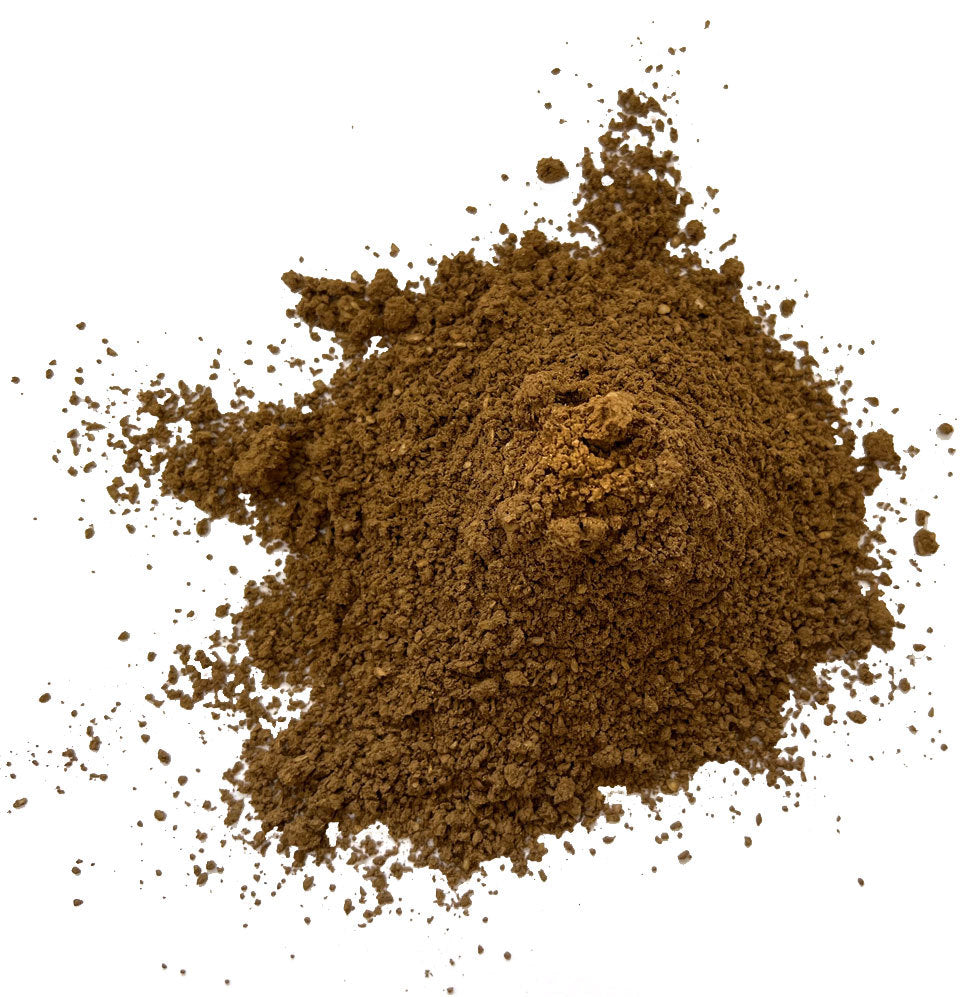
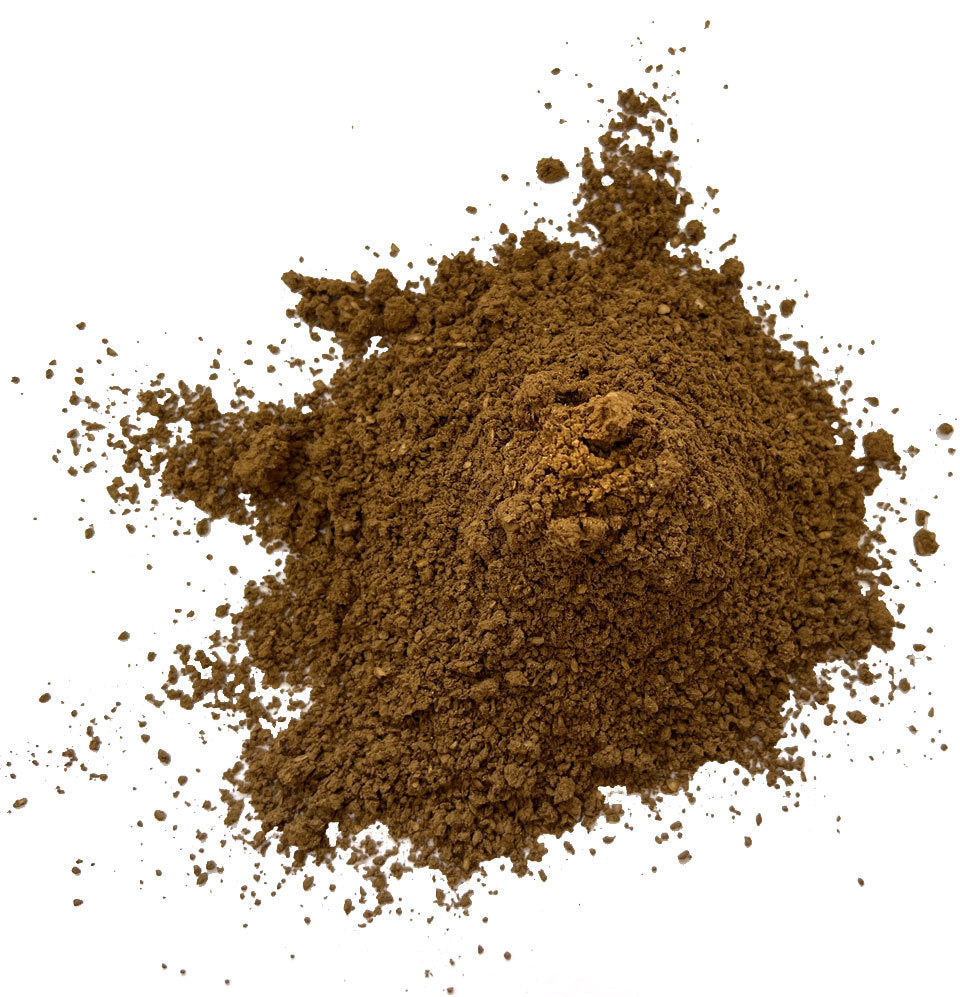
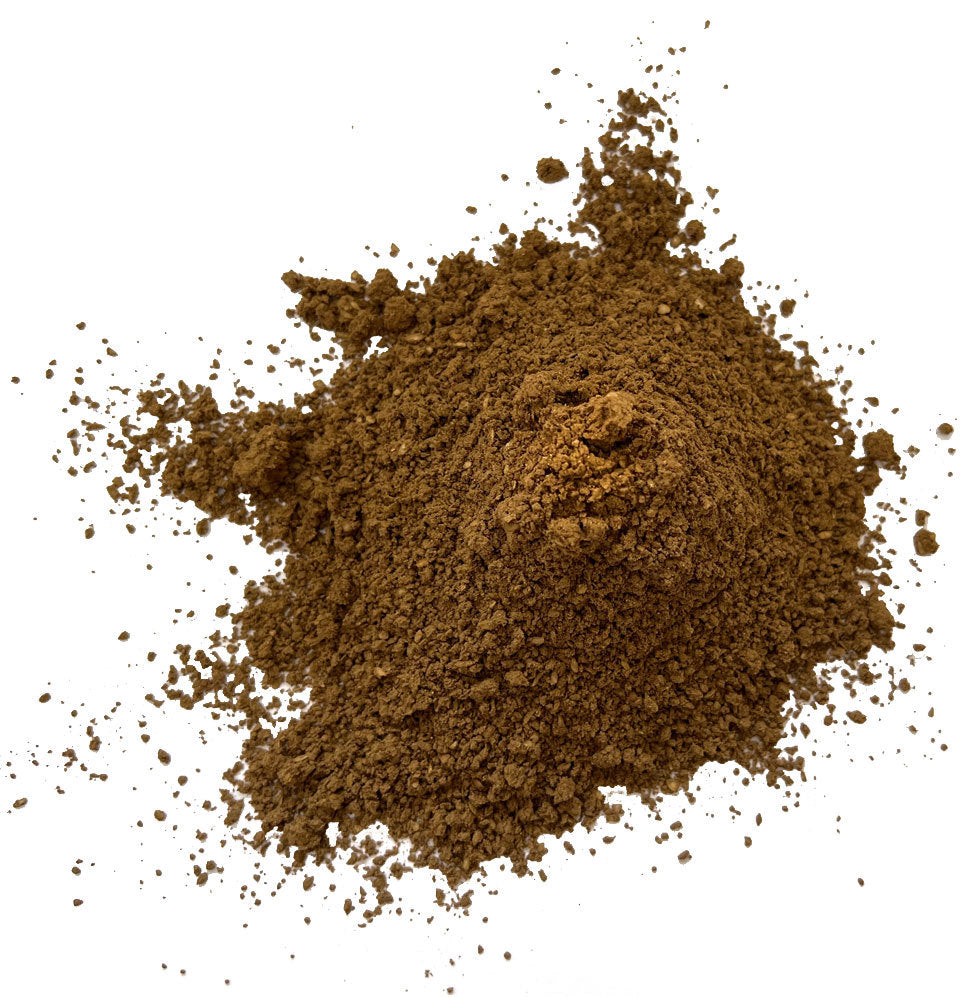
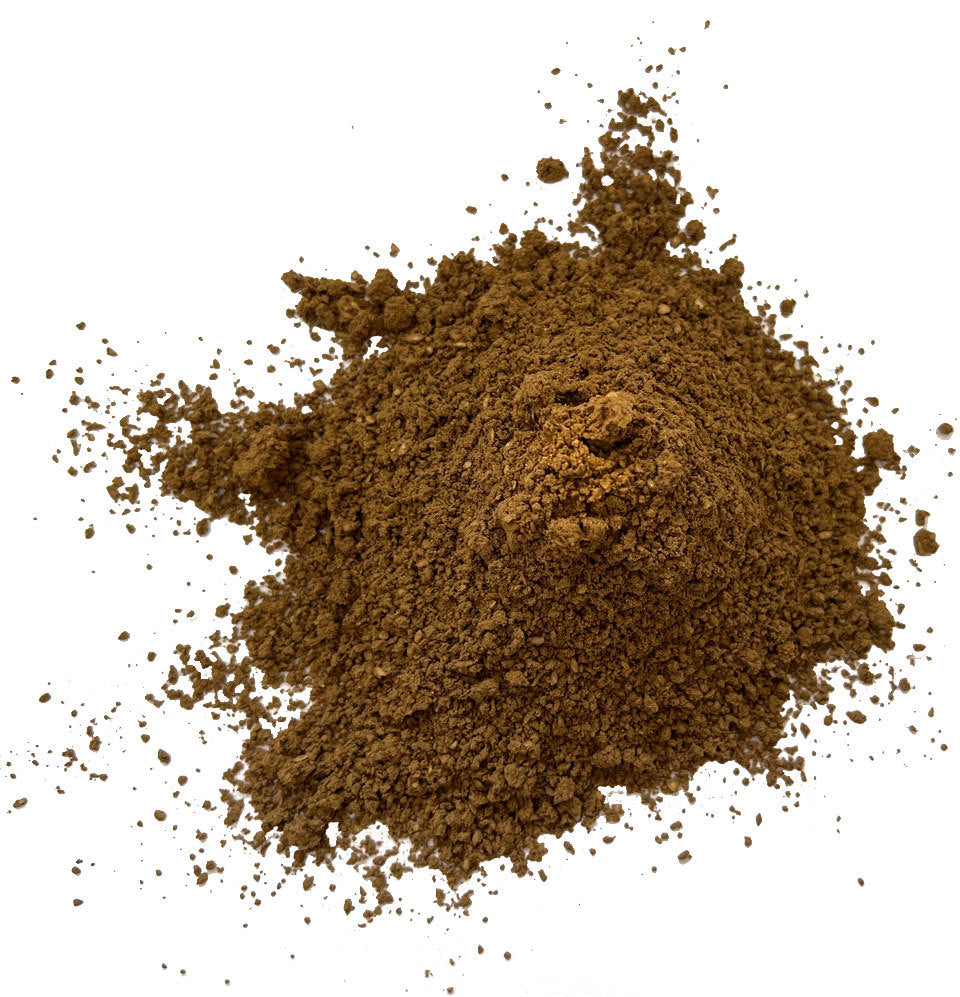
Herbsmith Rx An Zhong San is a classical Chinese herbal formula recommended by holistic veterinarians to warm and strengthen the middle burner, regulate the qi, invigorate the blood, and address epigastric discomfort from spleen and stomach yang vacuity with cold, qi stagnation, and blood stasis in dogs, cats, and horses. Also known as Fennel and Galanga Formula and Calm the Middle, An Zhong San is a seven-herb middle burner warming and regulating formula that addresses the complex pattern of spleen and stomach yang vacuity with cold accumulation, qi stagnation, and blood stasis simultaneously. The formula's name references its primary action of calming and settling the middle jiao, and its common name highlights its two signature herbs: Xiao Hui Xiang (fennel) and Gao Liang Jiang (galanga), both of which warm the middle jiao and dispel cold from the stomach and spleen channels. An Zhong San addresses a multi-layered middle jiao pattern where spleen and stomach yang vacuity allows cold to accumulate in the middle jiao, obstructing the free flow of qi and blood and generating the characteristic epigastric discomfort, abdominal distention, sour regurgitation or nausea, and sharp cramping that arise from cold obstructing the middle jiao's qi and blood circulation. The formula's blood-activating herb (Yan Hu Suo) addresses the blood stasis component of the pattern, while Duan Mu Li (calcined oyster shell) calms the liver, absorbs stomach acid, and addresses the sour regurgitation that cold-and-qi-stagnation in the middle jiao generates. Well suited for dogs, cats, and horses presenting with the spleen-stomach yang vacuity cold pattern with qi stagnation and blood stasis, characterized by a pale or pale-purple tongue with a white moist coating reflecting cold and yang vacuity; epigastric or abdominal discomfort that worsens with cold and improves with warmth and pressure; sour regurgitation, nausea, or vomiting from cold-induced stomach qi rebellion; a feeling of fullness and distention in the chest and abdomen from qi stagnation; and a wiry-tight or wiry-slow pulse. Available as a concentrated powder mixed into food; dogs and cats use the Canine Blend, while horses use the Equine/Horse Blend. Dosing varies by species and body weight, and your authorizing veterinarian will provide specific guidance.
VETERINARY AUTHORIZATION REQUIRED: Submit Your Authorization Request or Request a TCVM Telemedicine Consultation
What It Supports
- Middle jiao warming and ming men fire tonification through Rou Gui as the chief warming herb: Warms the middle jiao, tonifies the spleen and kidney yang, disperses cold from the stomach and spleen channels, and addresses the root yang vacuity that is allowing cold to accumulate in the middle burner through Rou Gui (cinnamon bark, Cinnamomi Cortex). Rou Gui's acrid, sweet, and very warm nature enters the kidney, spleen, heart, and liver channels to warm the ming men fire and the spleen yang, restoring the middle jiao's warming and transforming function that the yang vacuity has compromised. As the formula's chief warming herb, Rou Gui addresses the root of the middle jiao cold pattern, providing the yang fire that enables the stomach and spleen to resume their normal qi transformation and transportation functions. Coumarin content with anticoagulant effects; monitoring warranted in animals on anticoagulant or antiplatelet medications.
- Blood activating, qi moving, and discomfort addressing through Yan Hu Suo: Activates the blood, moves the qi stagnation in the middle jiao, and addresses the sharp epigastric discomfort from blood stasis and qi stagnation through Yan Hu Suo (corydalis rhizome, Corydalis Rhizoma). Yan Hu Suo's acrid, bitter, and warm nature enters the liver, spleen, and stomach channels to activate the blood and move the qi obstruction generated by cold accumulation in the middle jiao, addressing the blood stasis component of the pattern directly and the qi stagnation alongside it. Yan Hu Suo is one of the most effective single herbs for addressing discomfort from qi and blood stagnation in the middle jiao, providing the formula's primary blood-activating and qi-moving action. Tetrahydropalmatine and other isoquinoline alkaloid content; monitoring warranted in animals on sedatives, MAOIs, and cardiovascular medications.
- Liver calming, acid absorbing, and sour regurgitation addressing through Duan Mu Li: Calms the liver, absorbs stomach acid, astringes the sour regurgitation, and addresses the liver overacting on the stomach that qi stagnation and cold are generating through Duan Mu Li (calcined oyster shell, calcined Ostreae Concha). Duan Mu Li's salty, astringent, and slightly cold nature enters the liver and kidney channels to calm liver yang and absorb the excess stomach acid produced by cold-induced stomach qi rebellion, addressing the sour regurgitation and nausea that are secondary manifestations of the middle jiao cold-and-stagnation pattern. The calcined preparation (as opposed to raw Mu Li) provides stronger acid-absorbing and astringent properties appropriate for the sour regurgitation component of this pattern. High mineral content; monitoring warranted in animals on medications affected by calcium and mineral absorption.
- Middle jiao warming and cold dispersing through Xiao Hui Xiang: Warms the liver and kidney channels, disperses cold from the lower and middle jiao, moves qi stagnation, and addresses the cold accumulation in the stomach channel through Xiao Hui Xiang (fennel fruit, Foeniculi Fructus). Xiao Hui Xiang's acrid, warm nature enters the liver, kidney, spleen, and stomach channels to warm the middle and lower jiao and dispel cold that obstructs the stomach's qi-descending function, relieving the fullness and distention that cold stagnation in the middle jiao generates. Xiao Hui Xiang is one of the formula's two signature cold-dispelling herbs, providing strong warming action in the stomach and liver channels alongside Gao Liang Jiang. Anethole content; generally well tolerated at standard doses.
- Stomach warming, cold dispelling, and nausea addressing through Pao Jiang: Warms the middle jiao, disperses cold from the spleen and stomach, stops nausea and vomiting, and addresses the cold-induced stomach qi rebellion through Pao Jiang (blast-fried ginger rhizome, Zingiberis Rhizoma preparata). Pao Jiang's acrid, warm nature enters the spleen, stomach, heart, and lung channels to warm the spleen and stomach and dispel the cold causing the stomach qi to rebel upward, addressing nausea, vomiting, and sour regurgitation from cold-induced stomach qi rebellion. Pao Jiang (blast-fried ginger) is warmer and more interior-warming than raw ginger (Sheng Jiang) and more specifically suited for the middle jiao cold deficiency pattern. Gingerol and shogaol content; generally well tolerated at standard doses.
- Middle jiao cold dispelling and stomach channel warming through Gao Liang Jiang: Warms the stomach and spleen, disperses cold from the middle jiao, and addresses the cold accumulation in the stomach channel that is generating the epigastric discomfort and nausea through Gao Liang Jiang (lesser galangal rhizome, Alpiniae officinarum Rhizoma). Gao Liang Jiang's acrid, hot nature enters the spleen and stomach channels to strongly warm the stomach and dispel cold from the middle jiao, providing the formula's strongest stomach-warming and cold-dispersing action. Gao Liang Jiang is the formula's second signature cold-dispelling herb alongside Xiao Hui Xiang, and the Xiao Hui Xiang-Gao Liang Jiang pair provides comprehensive warming of cold obstruction in the middle and lower jiao. Galangin and alpinetin content; generally well tolerated at standard doses.
- Formula harmonization, middle jiao tonification, and herb moderation through Gan Cao: Harmonizes the formula's herbs, tonifies the spleen qi and stomach, moderates the acrid and hot properties of the formula's warming herbs, and protects the middle jiao from the strongly warming and activating strategy through Gan Cao (licorice root, Glycyrrhizae Radix). Gan Cao's sweet, neutral nature enters the spleen, stomach, heart, and lung channels to tonify middle jiao qi and ensure the strongly warming herbs do not generate heat accumulation or irritate the stomach and intestines. Glycyrrhizin content with mineralocorticoid-like effects; monitoring warranted with corticosteroids and antihypertensive medications.
TCVM Principles
- Primary action - spleen and stomach yang vacuity cold pattern with qi stagnation and blood stasis through the combined strategy of middle jiao warming and yang tonification (Rou Gui, Xiao Hui Xiang, Pao Jiang, Gao Liang Jiang), blood activating and qi moving (Yan Hu Suo), liver calming and acid absorbing (Duan Mu Li), and formula harmonization (Gan Cao): An Zhong San addresses the middle jiao cold-stagnation pattern through three simultaneous therapeutic strategies. The four warming herbs address the root cold accumulation from multiple directions: Rou Gui warms the ming men fire and spleen yang from the constitutional level; Xiao Hui Xiang warms the liver-stomach channel cold; Pao Jiang warms the spleen and stomach and stops stomach qi rebellion; Gao Liang Jiang strongly warms the stomach channel and dispels middle jiao cold. Yan Hu Suo addresses the blood stasis and qi stagnation branch directly by activating the blood and moving the qi obstruction. Duan Mu Li addresses the secondary liver-overacting-on-stomach pattern by calming the liver and absorbing the stomach acid generated by cold-induced qi stagnation. Gan Cao harmonizes and moderates. Treatment Principles: warm the middle burner, dispel cold, regulate qi, invigorate the blood, and address spleen-stomach yang vacuity with cold, qi stagnation, and blood stasis.
- Secondary action - pattern differentiation from stomach heat with acid reflux (where the formula's strongly warming herbs are contraindicated and would aggravate the heat and acid), liver qi stagnation without cold (where warming is not required and the formula's warming herbs could generate heat), and spleen qi vacuity without cold or stagnation (where simple tonification without the warming and activating herbs is more appropriate): An Zhong San is indicated specifically for the spleen-stomach yang vacuity cold pattern with qi stagnation and blood stasis, not for stomach heat or liver fire patterns (where the formula's warming herbs would aggravate the heat and worsen the epigastric symptoms), liver qi stagnation overacting on the stomach without cold (where warming is not required and could generate heat), or spleen qi vacuity without cold or stagnation (where simple tonification without the warming and activating herbs is more appropriate). The pale tongue with a white, moist coating and a wiry-tight or wiry-slow pulse are the differentiating signs confirming the cold pattern origin. Your authorizing veterinarian will confirm the spleen-stomach cold pattern through tongue and pulse examination and clinical assessment.
Available Forms
- Powder - Canine Blend (for dogs and cats): Available in 75 g, 150 g, 500 g, 900 g, and 1200 g sizes; mix into food at the recommended dose for your pet's weight. Cats and dogs both use this blend.
- Powder - Equine/Horse Blend (for horses): Available in 150 g, 500 g, 900 g, and 1200 g sizes; mix into grain at the recommended dose for your horse.
Suggested Use
For Dogs (Canine Blend Powder):
- Under 30 lbs: ½ tsp twice daily, or as prescribed
- 30-80 lbs: 1 tsp twice daily, or as prescribed
- 80-120 lbs: 1½ tsp twice daily, or as prescribed
- Over 120 lbs: 2 tsp twice daily, or as prescribed
For Cats (Canine Blend Powder): ¼ tsp twice daily, or as prescribed
For Horses (Equine/Horse Blend, 1,000 lb horse): Two tablespoons twice daily for 20 days, then two tablespoons once daily in grain. If the horse initially refuses, start with a small amount mixed into grain and gradually increase. Most horses will readily accept the herbs in their grain.
Ingredients
Active Ingredients: Rou Gui (Cinnamomi Cortex), Yan Hu Suo (Corydalis Rhizoma), Duan Mu Li (calcined Ostreae Concha), Xiao Hui Xiang (Foeniculi Fructus), Pao Jiang (Zingiberis Rhizoma preparata), Gao Liang Jiang (Alpiniae officinarum Rhizoma), Gan Cao (Glycyrrhizae Radix)
Inactive Ingredient: Flaxseed
VETERINARY AUTHORIZATION REQUIRED: Submit Your Authorization Request or Request a TCVM Telemedicine Consultation
Active Ingredient TCVM Actions
An Zhong San is a seven-herb formula organized around three therapeutic strategies: middle jiao warming and cold dispelling (Rou Gui, Xiao Hui Xiang, Pao Jiang, Gao Liang Jiang), blood activating and qi moving (Yan Hu Suo), and liver calming with acid absorbing and formula harmonizing (Duan Mu Li, Gan Cao):
- Rou Gui (Cinnamomi Cortex) - Cinnamon Bark: Chief warming herb; warms the ming men fire and spleen yang from the constitutional level and disperses cold from the channels. Coumarin anticoagulant effects; monitoring warranted with anticoagulant and antiplatelet medications.
- Yan Hu Suo (Corydalis Rhizoma) - Corydalis Rhizome / Chinese Corydalis: Activates the blood, moves qi stagnation, and addresses the discomfort from blood stasis and qi obstruction in the middle jiao. Tetrahydropalmatine and isoquinoline alkaloid content; monitoring warranted with sedatives, MAOIs, and cardiovascular medications.
- Duan Mu Li (calcined Ostreae Concha) - Calcined Oyster Shell: Calms the liver, absorbs stomach acid, and astringes the sour regurgitation; the calcined preparation provides stronger acid-absorbing action than raw Mu Li. High mineral content; monitoring warranted with medications affected by calcium and mineral absorption.
- Xiao Hui Xiang (Foeniculi Fructus) - Fennel Fruit / Small Fennel: Warms the liver-kidney channels and middle jiao and disperses cold-induced qi stagnation from the stomach; one of the formula's two signature warming herbs. Generally well tolerated at standard doses.
- Pao Jiang (Zingiberis Rhizoma preparata) - Blast-fried Ginger Rhizome: Warms the spleen and stomach, disperses interior cold, and stops nausea and vomiting from cold-induced stomach qi rebellion. Warmer and more interior-warming than raw ginger. Generally well tolerated at standard doses.
- Gao Liang Jiang (Alpiniae officinarum Rhizoma) - Lesser Galangal Rhizome / Galanga: Strongly warms the stomach channel and disperses cold from the middle jiao; the formula's most strongly stomach-warming herb and its second signature warming herb alongside Xiao Hui Xiang. Generally well tolerated at standard doses.
- Gan Cao (Glycyrrhizae Radix) - Licorice Root: Harmonizes the formula, tonifies the spleen qi, and moderates the acrid-hot properties of the warming herbs to protect the middle jiao. Glycyrrhizin content; monitoring warranted with corticosteroids and antihypertensive medications.
Potential Drug Interactions
An Zhong San has a moderate drug interaction profile centered on two primary herbs. The main concern is Yan Hu Suo's tetrahydropalmatine and isoquinoline alkaloid content, which has dopaminergic and GABAergic activity; animals on sedatives (phenobarbital, benzodiazepines), monoamine oxidase inhibitors (MAOIs), or cardiovascular medications warrant veterinary review of interaction potential before initiating this formula, as combined sedative or cardiovascular effects are possible. The second concern is Rou Gui's coumarin content and anticoagulant effects, which warrant monitoring in animals on warfarin, heparin, aspirin, clopidogrel, or other anticoagulant or antiplatelet medications. Duan Mu Li's high mineral (calcium) content can affect the absorption of certain oral medications, including some antibiotics (tetracyclines, fluoroquinolones) and thyroid medications, where calcium binding reduces bioavailability; administration timing relative to these medications warrants veterinary guidance. Gan Cao's glycyrrhizin content warrants monitoring with corticosteroids and antihypertensive medications.
Medication categories warranting extra caution: sedatives and anxiolytics (Yan Hu Suo alkaloid GABAergic effects), MAOIs (Yan Hu Suo dopaminergic activity), cardiovascular medications (Yan Hu Suo alkaloid effects), anticoagulant and antiplatelet medications (Rou Gui coumarin effects), certain antibiotics and thyroid medications (Duan Mu Li calcium binding), corticosteroids (Gan Cao glycyrrhizin mineralocorticoid effects), and antihypertensive medications (Gan Cao fluid-retaining tendency). Because An Zhong San is a warming formula, it is contraindicated in animals with stomach heat or yin vacuity heat signs (red tongue, yellow coating, rapid pulse) where the warming herbs would aggravate the heat. Your authorizing veterinarian will determine appropriateness based on your animal's condition, current medications, tongue quality, pulse character, and clinical assessment of the middle jiao cold-stagnation pattern.
VETERINARY AUTHORIZATION REQUIRED: Submit Your Authorization Request or Request a TCVM Telemedicine Consultation
Frequently Asked Questions
What conditions is An Zhong San used for in TCVM?
In Traditional Chinese Veterinary Medicine, An Zhong San is indicated for the spleen and stomach yang vacuity cold pattern with qi stagnation and blood stasis. The clinical presentation centers on epigastric or abdominal discomfort that worsens with cold and improves with warmth and gentle pressure, reflecting the cold-origin stagnation; sour regurgitation, nausea, or vomiting from cold-induced stomach qi rebellion; a feeling of fullness and distention in the chest and abdomen from qi stagnation; a pale or pale-purple tongue with a white moist coating reflecting cold and yang vacuity; and a wiry-tight or wiry-slow pulse. This formula is suited to the cold-stagnation pattern and is contraindicated in animals with signs of stomach heat or yin vacuity heat. Veterinary tongue and pulse examination is essential to differentiate the spleen-stomach cold pattern from stomach heat or liver fire patterns that require cooling rather than warming strategies.
How is An Zhong San administered to dogs, cats, and horses?
Mix the powder into food or grain at the dose recommended for your animal's species and body weight. Dogs and cats use the Canine Blend; horses use the Equine/Horse Blend. All species receive the formula twice daily, with horses following the standard 20-day twice-daily loading protocol before transitioning to once-daily maintenance dosing. Because An Zhong San contains Yan Hu Suo with dopaminergic and GABAergic alkaloid activity and Rou Gui with anticoagulant effects, we recommend a veterinary review of all current medications before use, particularly for animals on sedatives, MAOIs, cardiovascular medications, or anticoagulants. This formula is warming and must not be used in animals with stomach heat or yin vacuity heat patterns; pattern confirmation by your authorizing veterinarian is important before initiating treatment.
How long does it take to see results with An Zhong San?
As a formula addressing both an acute pattern of cold-induced qi and blood stagnation in the middle jiao and the underlying spleen-stomach yang vacuity, An Zhong San works on two timeframes. The cold-dispersing and qi-moving herbs (Gao Liang Jiang, Xiao Hui Xiang, Pao Jiang, Yan Hu Suo) may provide relatively early improvement in the acute middle jiao stagnation signs, with reduction in epigastric discomfort, nausea, and abdominal distention potentially seen within 1 to 2 weeks as the cold obstruction begins to clear. The deeper spleen and stomach yang tonification (Rou Gui providing the primary constitutional warming) requires sustained treatment to rebuild the spleen and stomach yang from the root level; meaningful improvement in the underlying tendency toward cold accumulation and qi stagnation typically requires 4 to 8 weeks of consistent use. Your authorizing veterinarian will monitor tongue, pulse, and digestive signs throughout.
Can An Zhong San be used for horses with digestive discomfort in cold weather?
An Zhong San may be appropriate for horses presenting with the spleen-stomach yang vacuity cold pattern with qi stagnation, which can manifest as cold-weather digestive discomfort, epigastric fullness and distention, nausea or reluctance to eat in cold conditions, and a pale tongue with white moist coating and a wiry-slow pulse. Horses with constitutional spleen-stomach yang vacuity may show increased digestive sensitivity in cold weather as the external cold compounds the internal yang vacuity, making the middle jiao more vulnerable to cold obstruction and qi stagnation. An Zhong San's warming and regulating strategy addresses both the external cold trigger and the underlying constitutional yang insufficiency. Veterinary tongue and pulse confirmation of the spleen-stomach cold pattern is important before initiating treatment, as digestive discomfort in horses can have multiple causes, and the formula's warming nature warrants pattern confirmation to avoid use in horses with stomach heat or yin vacuity patterns.
QUESTIONS & ANSWERS
Have a Question?
Be the first to ask a question about this.
Related Products