
Your shopping bag is empty
Go to the shop

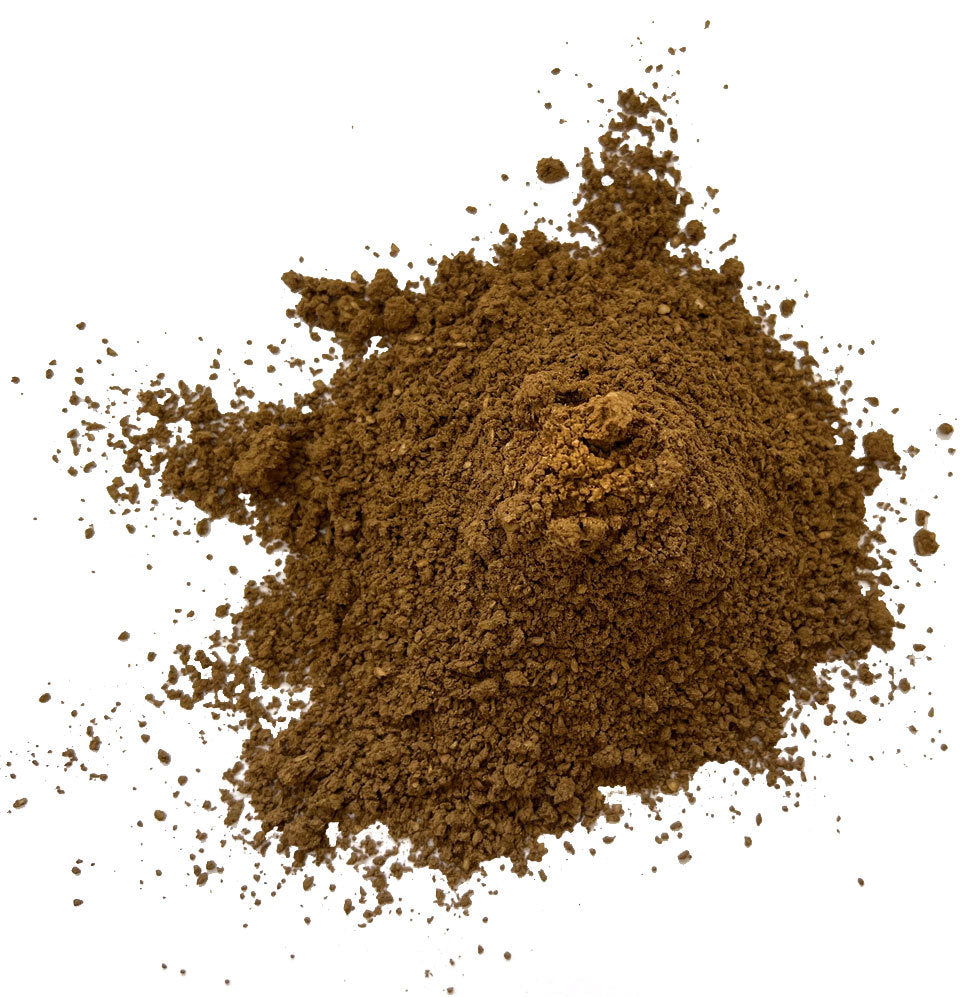
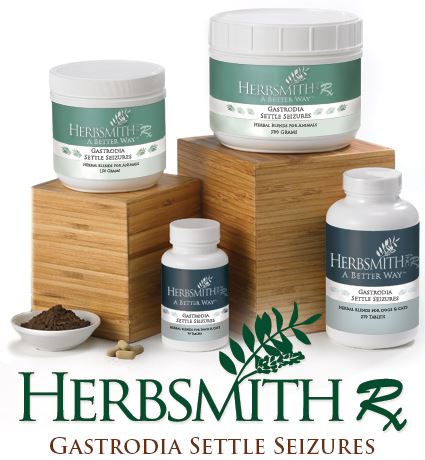
Herbsmith Rx Gastrodia Settle Seizures is a classical Chinese herbal formula recommended by holistic veterinarians to extinguish internal wind, calm liver yang, and support a healthy neurological environment in dogs and cats experiencing seizure activity. Also known as a veterinary adaptation of Tian Ma Gou Teng Yin (Gastrodia and Uncaria Drink), this eleven-herb formula is one of the most clinically established liver yang rising with internal wind formulas in the Chinese herbal tradition, organized around three simultaneous strategies: extinguishing internal wind and calming liver yang (Tian Ma, Gou Teng, Shi Jue Ming), clearing heat and draining fire (Zhi Zi, Huang Qin), and nourishing the liver and kidney yin to address the root yang rising while supporting the shen (Sang Ji Sheng, Du Zhong, Chuan Niu Xi, Yi Mu Cao, Fu Shen, Ye Jiao Teng). In Chinese veterinary medicine, seizures are considered a severe manifestation of internal wind, which is itself the most extreme expression of liver yang rising out of control. Chinese medical theory understands the animal body as reflecting the patterns of nature: a seizure is analogous to an internal tornado, arising when the liver yang rises upward uncontrolled, generating a wind that disrupts the normal orderly flow of qi through the body and brain. In a healthy animal, the liver yin and kidney yin provide the anchoring foundation that keeps the liver yang from rising excessively. Excessive heat-generating experiences (anesthesia, toxins, vaccines, extreme emotional stress) can injure the liver and kidney yin, allowing the liver yang to rise unchecked and generating internal wind as the yang rises into the upper jiao. Research on Gastrodia (Tian Ma), the formula's chief wind-extinguishing herb, has demonstrated activity related to the neuronal firing threshold in laboratory studies, providing a biomedical context for understanding its classical TCVM wind-extinguishing action. Well suited for dogs and cats presenting with the liver yang rising with internal wind pattern, characterized by a red or red-purple tongue with a yellow or dry coating reflecting heat and yin insufficiency; episodes of neurological wind signs including seizures, tremors, or spasms from liver wind stirring internally; liver yang rising signs between episodes including restlessness, sensitivity to stimulation, and heat-seeking behavior; and a wiry-rapid or wiry-taut pulse. Available as a concentrated powder mixed into food. Dosing varies by species and body weight, and your authorizing veterinarian will provide specific guidance.
VETERINARY AUTHORIZATION REQUIRED: Submit Your Authorization Request or Request a TCVM Telemedicine Consultation
What It Supports
- Internal wind extinguishing and neurological environment supporting through Tian Ma as the chief herb: Extinguishes internal wind, calms liver yang, and supports a healthy neurological environment through Tian Ma (gastrodia, Gastrodia). Tian Ma's sweet and neutral nature enters the liver channel to extinguish internal wind generated by liver yang rising and address the most extreme manifestations of the wind pattern including seizures and tremors. As the formula's chief wind-extinguishing herb, Tian Ma directly addresses the internal wind that is driving the seizure activity, and research has demonstrated its activity related to neuronal firing thresholds in laboratory studies, providing biomedical context for its classical TCVM wind-extinguishing action. Generally well tolerated at standard doses; Tian Ma is one of the most clinically studied Chinese wind-extinguishing herbs.
- Internal wind extinguishing and liver yang calming through Gou Teng: Extinguishes internal wind, calms the liver yang, and clears heat from the liver channel through Gou Teng (uncaria, Uncaria). Gou Teng's sweet and cold nature enters the liver and pericardium channels to clear liver heat, calm the rising liver yang, and extinguish the internal wind that the uncontrolled liver yang is generating. Gou Teng and Tian Ma form the formula's core wind-extinguishing and liver yang-calming pair, with Gou Teng providing the heat-clearing and liver channel-focused action that complements Tian Ma's neutral wind-extinguishing strategy. Generally well tolerated; Gou Teng should not be decocted for extended periods as prolonged heating can reduce its active alkaloid content, though this is managed in the concentrated powder preparation.
- Liver yang anchoring and internal wind settling through Shi Jue Ming: Anchors the liver yang, settles internal wind, clears liver heat, and brightens the eyes through Shi Jue Ming (abalone shell, Abalone Shell). Shi Jue Ming's salty and cold nature enters the liver channel to heavily anchor the liver yang that is floating upward and generating wind, providing the formula's primary downward-directing and yang-anchoring action. As a heavy mineral-category herb, Shi Jue Ming's descending and anchoring nature complements the wind-extinguishing and heat-clearing actions of Tian Ma and Gou Teng by providing the downward gravitational force that drives the rising liver yang back to its proper lower residence. High mineral content; monitoring warranted in animals on medications affected by calcium and mineral absorption.
- Liver and kidney yin tonifying and liver yang root nourishing through Sang Ji Sheng: Tonifies the liver and kidney yin, nourishes the blood, and addresses the root yin insufficiency that is allowing the liver yang to rise uncontrolled through Sang Ji Sheng (loranthus, Loranthus). Sang Ji Sheng's bitter, sweet, and neutral nature enters the liver and kidney channels to nourish the liver and kidney yin from the root level, rebuilding the yin anchoring foundation that the liver yang requires to remain controlled. Addressing the root yin deficiency ensures that the formula's wind-extinguishing and liver yang-calming strategy is sustained and not simply symptomatic. Generally well tolerated at standard doses.
- Liver and kidney tonifying and sinew strengthening through Du Zhong: Tonifies the liver and kidney yang and yin, strengthens the sinews and bones, and supports the liver-kidney axis that needs strengthening to anchor the liver yang through Du Zhong (eucommia bark, Eucommia Bark). Du Zhong's sweet and warm nature enters the liver and kidney channels to tonify the liver and kidney from the constitutional level, ensuring the kidney yang is sufficient to support the kidney yin's anchoring function and the liver sinews are nourished by adequate liver blood and yin. Generally well tolerated at standard doses; its mild warm nature is balanced by the formula's overall cold and downward-directing strategy.
- Blood activating and liver yang descending through Chuan Niu Xi: Activates the blood, nourishes the liver and kidney, and leads the blood and liver yang downward through its descending action through Chuan Niu Xi (cyathulae, Cyathulae). Chuan Niu Xi's bitter, sour, and neutral nature enters the liver and kidney channels to activate the blood, direct the liver yang downward through the blood-moving and descending action, and nourish the liver and kidney yin. Chuan Niu Xi's descending nature is critical for driving the rising liver yang back downward, working synergistically with Shi Jue Ming's anchoring action. Blood-activating and descending properties; contraindicated in pregnant animals. Anticoagulant effects; monitoring warranted in animals on anticoagulant or antiplatelet medications.
- Blood activating and liver heat clearing through Yi Mu Cao: Activates the blood, clears heat from the blood, and addresses the blood stasis component that often accompanies liver yang rising and internal wind patterns through Yi Mu Cao (leonurus, Leonurus). Yi Mu Cao's bitter, acrid, and slightly cold nature enters the liver, heart, and urinary bladder channels to activate the blood and clear blood heat, ensuring the blood circulation through the liver channel is free-flowing and that the heat accumulation in the blood level is cleared. Blood-activating properties; contraindicated in pregnant animals. Anticoagulant effects; monitoring warranted in animals on anticoagulant or antiplatelet medications.
- Shen calming and heart-liver connection supporting through Fu Shen: Calms the shen, nourishes the heart qi, and quiets the neurological restlessness that accompanies liver yang rising and internal wind through Fu Shen (poria, Poria). Fu Shen's sweet and neutral nature enters the heart, spleen, and kidney channels to calm the shen and support the heart's ability to remain settled during and between wind episodes, addressing the restlessness and agitation that the rising liver yang generates at the heart shen level. Fu Shen (poria spirit - the portion of poria growing around a pine root) is traditionally considered more shen-calming than standard Fu Ling. Generally well tolerated.
- Shen calming and liver yang quieting through Ye Jiao Teng: Nourishes the heart blood, calms the shen, and quiets the restlessness from heart blood and liver yin insufficiency that accompanies the liver yang rising pattern through Ye Jiao Teng (polygonum vine, Polygonum). Ye Jiao Teng's sweet and neutral nature enters the heart and liver channels to nourish the heart blood and liver yin and calm the shen, providing the blood-nourishing and shen-quieting action that complements Fu Shen's direct shen-calming effect and supports the liver yin nourishment alongside Sang Ji Sheng. Generally well tolerated at standard doses.
- Heat clearing and liver fire draining through Zhi Zi: Clears heat from all three burners, drains liver and heart fire, and addresses the heat component of the liver yang rising pattern through Zhi Zi (gardenia, Gardenia). Zhi Zi's bitter and cold nature enters the heart, lung, stomach, and triple burner channels to clear the heat that liver yang rising and internal wind generate throughout the body, ensuring the heat component of the pattern is addressed alongside the wind-extinguishing and liver yang-calming strategy. Cold nature; monitoring warranted in animals with spleen yang vacuity or loose stools.
- Liver and gallbladder heat clearing and fire draining through Huang Qin: Clears heat from the liver and gallbladder, drains fire from the liver channel, and addresses the liver fire component that drives the liver yang upward through Huang Qin (scutellaria, Scutellaria). Huang Qin's bitter and cold nature enters the lung, gallbladder, spleen, large intestine, and small intestine channels to clear heat and drain fire from the liver and gallbladder, reducing the liver fire that is fueling the liver yang uprising and internal wind generation. Baicalin content; monitoring warranted in animals on hepatically metabolized medications and in animals on blood-thinning medications. Cold nature; monitoring warranted in animals with spleen yang vacuity.
TCVM Principles
- Primary action - liver yang rising with internal wind pattern through the combined strategy of internal wind extinguishing and liver yang calming (Tian Ma, Gou Teng, Shi Jue Ming), heat and fire clearing (Zhi Zi, Huang Qin), liver-kidney yin and blood nourishing to address the root (Sang Ji Sheng, Du Zhong, Ye Jiao Teng), blood activating and descending (Chuan Niu Xi, Yi Mu Cao), and shen calming (Fu Shen, Ye Jiao Teng): Gastrodia Settle Seizures addresses the liver yang rising with internal wind pattern through three simultaneous therapeutic strategies. The three wind-extinguishing and liver yang-calming herbs address the branch manifestation directly: Tian Ma extinguishes internal wind and supports a healthy neurological environment; Gou Teng clears liver heat and calms the liver yang; Shi Jue Ming anchors the liver yang downward. The two heat-clearing herbs address the fire driving the yang uprising: Zhi Zi drains heat from all three burners; Huang Qin clears liver and gallbladder fire. The root-addressing herbs rebuild the yin anchoring foundation that prevents liver yang from rising: Sang Ji Sheng tonifies liver-kidney yin; Du Zhong tonifies liver-kidney yang and strengthens the constitutional foundation; Ye Jiao Teng nourishes heart blood and liver yin. The blood-activating and descending herbs ensure the liver yang is directed downward and the blood circulation is free: Chuan Niu Xi activates blood and descends; Yi Mu Cao activates blood and clears blood heat. Fu Shen and Ye Jiao Teng calm the shen. Treatment Principles: extinguish wind, calm liver yang, clear heat, nourish the liver and kidney yin, and address liver yang rising with internal wind.
- Secondary action - pattern differentiation from blood vacuity generating wind (where deep blood tonification without the heat-clearing and liver yang-calming herbs is primary), true cold with wind (where the formula's cold nature would be inappropriate), and external wind (where wind-releasing rather than wind-extinguishing strategies are indicated): Gastrodia Settle Seizures is indicated specifically for the liver yang rising with internal wind pattern, not for blood vacuity wind (pale tongue, thin-weak pulse - where blood tonification is the primary strategy and the formula's heat-clearing herbs are not appropriate), true cold generating wind (pale tongue, cold limbs - where the formula's cold herbs would injure the yang further), or external wind invasion (where wind-releasing strategies are appropriate rather than the internal wind-extinguishing approach). The red tongue, wiry-rapid pulse, and heat signs between episodes are the critical differentiating signs confirming the liver yang rising and internal wind pattern. Because seizures can have multiple underlying causes including metabolic disease, structural brain lesions, toxins, and idiopathic epilepsy, veterinary diagnosis is essential before initiating this formula. Your authorizing veterinarian will confirm the liver yang rising pattern through tongue and pulse examination and complete clinical assessment.
Available Forms
- Powder - Canine Blend (for dogs and cats): Available in 75 g, 150 g, 500 g, 900 g, and 1200 g sizes; mix into food at the recommended dose for your pet's weight. Both dogs and cats use this blend.
Suggested Use
For Dogs (Powder):
- Under 30 lbs: ½ tsp twice daily, or as prescribed
- 30-80 lbs: 1 tsp twice daily, or as prescribed
- 80-120 lbs: 1½ tsp twice daily, or as prescribed
- Over 120 lbs: 2 tsp twice daily, or as prescribed
For Cats (Powder): ¼ tsp twice daily, or as prescribed
Ingredients
Active Ingredients: Tian Ma (Gastrodia), Sang Ji Sheng (Loranthus), Shi Jue Ming (Abalone Shell), Gou Teng (Uncaria), Fu Shen (Poria), Yi Mu Cao (Leonurus), Chuan Niu Xi (Cyathulae), Du Zhong (Eucommia Bark), Ye Jiao Teng (Polygonum), Zhi Zi (Gardenia), Huang Qin (Scutellaria)
Inactive Ingredient: Flaxseed
VETERINARY AUTHORIZATION REQUIRED: Submit Your Authorization Request or Request a TCVM Telemedicine Consultation
Active Ingredient TCVM Actions
Gastrodia Settle Seizures is the veterinary adaptation of the classical Tian Ma Gou Teng Yin (Gastrodia and Uncaria Drink), an eleven-herb formula organized around three therapeutic strategies: internal wind extinguishing and liver yang calming (Tian Ma, Gou Teng, Shi Jue Ming), heat and fire clearing (Zhi Zi, Huang Qin), and liver-kidney yin and blood nourishing with shen calming (Sang Ji Sheng, Du Zhong, Chuan Niu Xi, Yi Mu Cao, Fu Shen, Ye Jiao Teng):
- Tian Ma (Gastrodia) - Gastrodia Rhizome / Tall Gastrodia Orchid Rhizome: Chief herb; extinguishes internal wind, calms liver yang, and supports a healthy neurological environment. Research has demonstrated activity related to neuronal firing thresholds in laboratory studies. Generally well tolerated; one of the most clinically studied TCVM wind-extinguishing herbs.
- Gou Teng (Uncaria) - Uncaria Stem and Thorn / Cat's Claw Vine: Extinguishes internal wind and clears liver heat; forms the core wind-extinguishing pair with Tian Ma. Generally well tolerated at standard doses.
- Shi Jue Ming (Abalone Shell) - Abalone Shell / Haliotis Shell: Anchors the liver yang downward and settles internal wind; heavy mineral herb providing the formula's primary downward-directing and yang-anchoring action. High mineral content; monitoring warranted with medications affected by calcium and mineral absorption.
- Sang Ji Sheng (Loranthus) - Loranthus Mulberry Mistletoe / Taxillus Herb: Tonifies liver and kidney yin and nourishes blood; addresses the root yin insufficiency allowing liver yang to rise. Generally well tolerated.
- Du Zhong (Eucommia Bark) - Eucommia Bark / Rubber Tree Bark: Tonifies liver and kidney yang and yin; strengthens the constitutional liver-kidney foundation needed to anchor liver yang. Generally well tolerated.
- Chuan Niu Xi (Cyathulae) - Cyathula Root / Sichuan Ox Knee Root: Activates blood and directs liver yang downward through descending action. Contraindicated in pregnant animals. Anticoagulant effects; monitoring warranted with anticoagulant and antiplatelet medications.
- Yi Mu Cao (Leonurus) - Motherwort Herb / Chinese Motherwort: Activates blood and clears blood heat; addresses blood stasis component accompanying liver yang rising. Contraindicated in pregnant animals. Anticoagulant effects; monitoring warranted with anticoagulant and antiplatelet medications.
- Fu Shen (Poria) - Poria Spirit / Poria Cocos with Pine Root: Calms the shen and quiets neurological restlessness accompanying liver yang rising; the pine-rooted poria portion is traditionally more shen-calming than standard Fu Ling. Generally well tolerated.
- Ye Jiao Teng (Polygonum) - Polygonum Vine / Fleeceflower Stem / He Shou Wu Vine: Nourishes heart blood and liver yin; calms the shen and supports the root yin nourishment alongside Sang Ji Sheng. Generally well tolerated at standard doses.
- Zhi Zi (Gardenia) - Gardenia Fruit / Cape Jasmine Fruit: Clears heat from all three burners and drains liver and heart fire driving the liver yang uprising. Cold nature; monitoring warranted in animals with spleen yang vacuity.
- Huang Qin (Scutellaria) - Scutellaria Root / Chinese Skullcap Root / Baical Skullcap Root: Clears liver and gallbladder fire fueling the liver yang rising. Baicalin content; monitoring warranted with hepatically metabolized medications and anticoagulant medications. Cold nature; caution in animals with spleen yang vacuity.
Potential Drug Interactions
Gastrodia Settle Seizures has a significant drug interaction profile given its combination of blood-activating, heat-clearing, and wind-extinguishing herbs, and is particularly important to review carefully in animals already on conventional anticonvulsant medications. The primary anticoagulant concern comes from both Chuan Niu Xi and Yi Mu Cao, which have blood-activating and anticoagulant effects; animals on warfarin, heparin, aspirin, clopidogrel, or other anticoagulant or antiplatelet medications require veterinary review. Both Chuan Niu Xi and Yi Mu Cao are contraindicated in pregnant animals due to blood-activating and uterine-stimulating properties. Huang Qin's baicalin content has CYP enzyme interaction potential and mild anticoagulant effects, warranting monitoring in animals on hepatically metabolized medications. Shi Jue Ming's high mineral (calcium) content can affect absorption of certain oral medications including some antibiotics and thyroid medications where calcium binding reduces bioavailability.
Medication categories warranting extra caution in animals on this formula: anticonvulsant medications (phenobarbital, potassium bromide, levetiracetam - coordinate with the prescribing neurologist or veterinarian, as this formula may be used alongside conventional anticonvulsants but requires veterinary supervision of the combined approach), anticoagulant and antiplatelet medications (Chuan Niu Xi and Yi Mu Cao combined anticoagulant effects - primary safety concern), hepatically metabolized medications (Huang Qin baicalin CYP interaction), and oral medications in animals with sensitive GI absorption (Shi Jue Ming calcium binding). Because seizures can indicate serious underlying conditions including brain lesions, metabolic disease, toxicity, and idiopathic epilepsy, veterinary diagnosis and ongoing neurological monitoring are essential. This formula supports the TCVM approach to the liver yang rising pattern and is used alongside, not in place of, appropriate veterinary neurological assessment and care. Your authorizing veterinarian will determine appropriateness based on your pet's neurological status, current medications, tongue quality, and pulse character.
VETERINARY AUTHORIZATION REQUIRED: Submit Your Authorization Request or Request a TCVM Telemedicine Consultation
Frequently Asked Questions
What is the TCVM explanation for seizures, and how does Gastrodia Settle Seizures address them?
In Traditional Chinese Veterinary Medicine, seizures are considered the most extreme manifestation of internal wind, which itself arises when the liver yang rises uncontrolled into the upper jiao. Chinese medical theory understands the animal body as reflecting the patterns of nature: a seizure is analogous to an internal tornado, arising when heat-generated liver yang uprising overwhelms the yin anchoring foundation and generates wind that disrupts the orderly flow of qi through the body and brain. Experiences that generate extreme heat (anesthesia, toxins, vaccines, intense emotional stress) can injure the liver and kidney yin, removing the anchoring foundation that keeps the liver yang from rising and generating wind. Gastrodia Settle Seizures addresses this pattern through three simultaneous strategies: extinguishing the internal wind directly (Tian Ma, Gou Teng, Shi Jue Ming), clearing the heat and fire driving the liver yang uprising (Zhi Zi, Huang Qin), and rebuilding the liver-kidney yin foundation to prevent recurrence (Sang Ji Sheng, Du Zhong, Ye Jiao Teng, Chuan Niu Xi, Yi Mu Cao, Fu Shen). Veterinary diagnosis and pattern confirmation are essential before initiating this formula.
Can Gastrodia Settle Seizures be used alongside conventional anticonvulsant medications?
Gastrodia Settle Seizures may be used alongside conventional anticonvulsant medications under coordinated veterinary supervision, but this requires careful communication between the prescribing veterinarian (or veterinary neurologist) and the authorizing TCVM veterinarian. This formula is not intended to replace conventional anticonvulsant therapy; rather, it provides TCVM support for the liver yang rising pattern alongside appropriate conventional neurological management. The most important drug interaction considerations for animals on anticonvulsants are Chuan Niu Xi and Yi Mu Cao's anticoagulant effects (relevant if the anticonvulsant protocol includes hepatically metabolized drugs affected by changes in protein binding), Huang Qin's baicalin content and CYP enzyme interactions with medications metabolized by those pathways, and Shi Jue Ming's mineral content and its potential to affect oral medication absorption timing. Animals on phenobarbital, potassium bromide, levetiracetam, or other anticonvulsants should have both medications managed under veterinary supervision with monitoring of seizure frequency, clinical signs, and laboratory values as appropriate.
How long does it take to see results with Gastrodia Settle Seizures?
As a formula addressing both the acute liver yang rising and internal wind pattern (branch) and the underlying liver-kidney yin insufficiency (root), Gastrodia Settle Seizures works on two timeframes. The wind-extinguishing and liver yang-calming herbs (Tian Ma, Gou Teng, Shi Jue Ming) may provide relatively earlier support for the acute liver yang rising pattern, with some reduction in the frequency or intensity of wind episodes potentially seen within 4 to 8 weeks of consistent use as the liver yang is progressively calmed. The deeper liver-kidney yin tonification strategy (Sang Ji Sheng, Du Zhong, Ye Jiao Teng) requires sustained treatment over 2 to 4 months to meaningfully rebuild the constitutional yin anchoring foundation that prevents liver yang from rising. Long-term use under veterinary supervision is often appropriate for animals with chronic or recurrent seizure patterns. Your authorizing veterinarian will monitor tongue quality, pulse character, and seizure frequency throughout the treatment course.
What signs indicate the liver yang rising with internal wind pattern that this formula addresses?
In TCVM pattern differentiation, the liver yang rising with internal wind pattern is characterized by specific tongue, pulse, and behavioral signs that distinguish it from other patterns causing neurological signs. The tongue is typically red or red-purple with a yellow or dry coating, reflecting heat accumulation and yin insufficiency; a pale tongue with thin coating would suggest blood vacuity wind rather than liver yang rising and would indicate a different formula. The pulse is characteristically wiry (like a taut guitar string) and rapid, reflecting liver qi constraint and heat; a weak or thin pulse would suggest deficiency rather than excess. Between episodes, animals with this pattern often show liver yang rising signs including restlessness, sensitivity to sound and light, heat-seeking followed by heat-aversion, and tension or reactivity. The history often includes heat-generating triggers such as anesthesia, vaccines, toxins, or extreme stress. Your authorizing veterinarian will confirm the liver yang rising pattern through tongue and pulse examination and complete clinical assessment before recommending this formula.
QUESTIONS & ANSWERS
Ask a Question-
Information
Hi! Thank you for your question!
Herbsmith Gastrodia Settle Seizures is an ancient herbal blend used to exhaust internal wind and settle seizures for dogs and cats.
VETERINARY AUTHORIZATION IS REQUIRED
Thank you for supporting Traditional Chinese Veterinary Medicine!