

Your shopping bag is empty
Go to the shop

Recommended by holistic veterinarians, Jing Tang Heart Qi Tonic is a Traditional Chinese Veterinary Medicine (TCVM) herbal formula that tonifies Heart Qi and invigorates Blood to address Heart Qi deficiency with Blood stagnation patterns in dogs, cats, and horses. Based on a modified Yang Xin Tang, this ten-herb formula pairs a Spleen and Lung Qi-tonifying chief duo (Huang Qi, Dang Shen) with a channel-warming deputy (Rou Gui), a Blood-nourishing and invigorating pair (Dang Gui, Chuan Xiong), a Shen-calming pair (Bai Zi Ren, Yuan Zhi), an astringent Shen-calming assistant (Wu Wei Zi), a Spleen-protecting and Shen-calming herb (Fu Ling), and a harmonizing envoy (Gan Cao) to address both the root Heart Qi deficiency and the Blood stagnation and Shen disturbance that arise when Heart Qi fails to move Blood through the Heart channel. Available in concentrated powder, concentrated capsules, standard capsules, standard powder, and whitefish-flavored tincture. Do not use in patients with Yin deficiency. Stop administration immediately if the patient develops diarrhea, vomiting, or other unusual signs. May be used as needed for up to 6 months, or as directed by your veterinarian. Dosing varies by species and body weight; your authorizing veterinarian will provide specific guidance.
VETERINARY AUTHORIZATION REQUIRED: Submit Your Authorization Request or Request a TCVM Telemedicine Consultation
What It Supports
- Heart Qi tonification and Spleen support: Huang Qi tonifies Spleen and Lung Qi, strengthens Wei Qi, and supports the generation of Qi and Blood as the primary Qi-tonifying chief; Dang Shen tonifies Spleen and Lung Qi and nourishes Blood, working with Huang Qi as the primary Qi-tonifying pair supporting the Spleen's role in generating Qi and Blood to nourish the Heart; Fu Ling tonifies Spleen Qi, calms the Shen, and drains Dampness, supporting the Spleen Qi-tonifying herbs and preventing Dampness accumulation; Gan Cao tonifies Qi, moderates and harmonizes the actions of all other herbs, and supports the Spleen as the formula's harmonizing envoy; together they form the formula's comprehensive Qi-tonifying and Spleen-supporting foundation addressing the root Heart Qi deficiency
- Blood nourishment, invigoration, and channel warming: Dang Gui nourishes and invigorates Blood and supports smooth Blood flow through the Heart channel, addressing the Blood deficiency component alongside the Qi-tonifying herbs; Chuan Xiong invigorates Blood, moves Qi, and unblocks the channels as the primary Blood-invigorating and Qi-moving herb addressing Blood stagnation in the Heart channel arising from Heart Qi deficiency; Rou Gui warms the Kidney and Heart Yang, disperses Cold, and invigorates Blood flow through the channels as the primary channel-warming herb addressing Cold obstruction in the Heart channel; together they form the formula's Blood-nourishing, Blood-invigorating, and channel-warming layer addressing the Blood stagnation arising from Heart Qi deficiency
- Shen calming and spirit quieting: Bai Zi Ren nourishes Heart Blood and Yin, calms the Shen, and quiets the spirit as the primary Shen-calming and Heart Blood-nourishing herb; Yuan Zhi calms the Shen, quiets the spirit, opens the Heart orifice, and transforms Phlegm, working with Bai Zi Ren as the primary Shen-calming pair and addressing any Phlegm component obstructing the Heart orifice; Wu Wei Zi nourishes Heart Yin and Blood, astringes Essence, and calms the Shen, supporting the Shen-calming herbs and astringing the Heart Qi to prevent further Qi leakage; Fu Ling contributes to the formula's Shen-calming action alongside its Spleen-supporting function; together they address the Shen disturbance and restlessness associated with Heart Qi deficiency and Blood stagnation
TCVM Principles
- Primary action: Tonify Heart Qi and invigorate Blood
- Classical antecedent: Modified Yang Xin Tang (Jing Tang modification of the classical Yang Xin Tang formula)
- Contraindications: Do not use in patients with Yin deficiency. Heart Qi Tonic is a warming, Yang-tonifying formula; use in Yin-deficient patients may aggravate Heat and Shen disturbance
- Warning: Stop administration immediately if the patient develops diarrhea, vomiting, or other unusual signs
Available Forms
- 90g Concentrated Powder: Highly concentrated granule format; mix into food for easy daily administration
- 0.5g Concentrated Capsules (100 Count): Pre-measured concentrated capsule format for precise, convenient dosing; can be given directly or hidden in food or a soft treat
- 0.2g Concentrated Capsules (50 Count): Smaller concentrated capsule option suited for cats and small dogs under 10 lbs; can be given directly or hidden in food or a soft treat
- 7500mg Tincture (Whitefish-flavored): Liquid tincture format flavored with whitefish for enhanced palatability in selective patients; store refrigerated for best results
- 0.5g Capsules (200 Count): Standard (non-concentrated) capsule format for flexible dosing; can be given directly or hidden in food or a soft treat
- 200g Powder: Standard (non-concentrated) powder for flexible dosing; mix into food as a top dressing
- 600g Powder: Larger standard powder supply for extended use or equine dosing; mix into food or feed as a top dressing
Suggested Use
Concentrated Powder (90g) - Dogs and Cats: 0.1g to 0.25g per 10 to 20 lbs of body weight, twice daily, or as directed by your veterinarian. One large level scoop holds approximately 1.2g of powder; one small level scoop holds approximately 0.4g.
Concentrated Powder (90g) - Horses: 3g (approximately 2.5 large scoops) twice daily, or as directed by your veterinarian. One large level scoop holds approximately 1.2g of powder. One 90g concentrated supply lasts approximately 2 weeks at standard equine dosing.
Concentrated Capsules (0.5g) - Dogs and Cats: One 0.5g capsule per 20 to 40 lbs of body weight, twice daily, or as directed by your veterinarian.
Concentrated Capsules (0.2g) - Small Dogs and Cats under 10 lbs: One 0.2g capsule once daily, or as directed by your veterinarian.
Tincture (7500mg, Whitefish-flavored) - Dogs and Cats: 10 drops per 5 to 10 lbs of body weight, twice daily, or as directed by your veterinarian. Each full dropper holds approximately 20 drops. Store refrigerated for best results.
Standard Capsules (0.5g) and Standard Powder: Dosing varies; your authorizing veterinarian will provide specific guidance, or as directed by your veterinarian.
Do not use in patients with Yin deficiency. Stop administration immediately if the patient develops diarrhea, vomiting, or other unusual signs. May be used as needed for up to 6 months, or as directed by your veterinarian. Your authorizing veterinarian will confirm the appropriate dose and duration for your pet.
Ingredients
Active ingredients: Bai Zi Ren (Biota orientalis), Biota seed; Chuan Xiong (Ligusticum chuanxiong), Sichuan lovage rhizome; Dang Gui (Angelica sinensis), Dong quai root; Dang Shen (Codonopsis pilosula), Codonopsis root; Fu Ling (Poria cocos), Poria mushroom; Gan Cao (Glycyrrhiza uralensis), Licorice root; Huang Qi (Astragalus membranaceus), Astragalus root; Rou Gui (Cinnamomum cassia), Cinnamon bark; Wu Wei Zi (Schisandra chinensis), Schisandra berry; Yuan Zhi (Polygala tenuifolia), Polygala root.
Inactive ingredients vary by format: concentrated powder contains gluten-free maltodextrin; concentrated capsules contain bovine gelatin and gluten-free maltodextrin; standard capsules contain bovine gelatin; tincture contains whitefish flavoring and vegetable glycerin; standard powder formats contain no inactive ingredients.
VETERINARY AUTHORIZATION REQUIRED: Submit Your Authorization Request or Request a TCVM Telemedicine Consultation
Active Ingredient TCVM Actions
Heart Qi Tonic is a ten-herb formula organized around a Spleen and Lung Qi-tonifying chief duo (Huang Qi, Dang Shen), a channel-warming deputy (Rou Gui), a Blood-nourishing and invigorating pair (Dang Gui, Chuan Xiong), a Shen-calming pair (Bai Zi Ren, Yuan Zhi), an astringent Shen-calming assistant (Wu Wei Zi), a Spleen-protecting and Shen-calming herb (Fu Ling), and a harmonizing envoy (Gan Cao):
- Huang Qi (Astragalus membranaceus) - Astragalus root: The chief herb; tonifies Spleen and Lung Qi, strengthens Wei Qi, and supports the generation of Qi and Blood to nourish the Heart; the primary Qi-tonifying agent providing the foundation for the formula's Heart Qi tonification and addressing the root Qi deficiency underlying Heart channel weakness
- Dang Shen (Codonopsis pilosula) - Codonopsis root: Tonifies Spleen and Lung Qi and nourishes Blood; works with Huang Qi as the co-chief Qi-tonifying pair, supporting the Spleen's role in generating Qi and Blood to nourish the Heart and providing a gentler, less warming Qi-tonifying complement to Huang Qi
- Rou Gui (Cinnamomum cassia) - Cinnamon bark: Warms the Kidney and Heart Yang, disperses Cold, and invigorates Blood flow through the channels; the primary channel-warming deputy addressing Cold obstruction in the Heart channel and supporting Yang within the Qi-tonifying base; this herb is the principal reason the formula is contraindicated in Yin deficiency, as its warming nature can aggravate existing Yin deficiency and generate secondary Heat
- Dang Gui (Angelica sinensis) - Dong quai root: Nourishes and invigorates Blood, supports smooth Blood flow through the Heart channel, and addresses the Blood deficiency component alongside the Qi-tonifying herbs; the Blood-nourishing assistant ensuring the Qi-tonifying herbs have adequate Blood to work with and providing a mild Blood-invigorating action
- Chuan Xiong (Ligusticum chuanxiong) - Sichuan lovage rhizome: Invigorates Blood, moves Qi, and unblocks the channels; the primary Blood-invigorating and Qi-moving herb directly addressing Blood stagnation in the Heart channel arising from Heart Qi deficiency failing to move Blood, working with Dang Gui as the formula's Blood-moving pair
- Bai Zi Ren (Biota orientalis) - Biota seed: Nourishes Heart Blood and Yin, calms the Shen, and quiets the spirit; the primary Shen-calming and Heart Blood-nourishing herb addressing the Shen disturbance and restlessness associated with Heart Qi deficiency and Blood stagnation
- Yuan Zhi (Polygala tenuifolia) - Polygala root: Calms the Shen, quiets the spirit, opens the Heart orifice, and transforms Phlegm; works with Bai Zi Ren as the primary Shen-calming pair, contributing Phlegm-transforming and orifice-opening action to address any Phlegm component obstructing the Heart orifice and contributing to Shen disturbance
- Wu Wei Zi (Schisandra chinensis) - Schisandra berry: Nourishes Heart Yin and Blood, astringes Essence, and calms the Shen; the triple-action assistant supporting the Shen-calming herbs, providing an astringing action to consolidate the Heart Qi and prevent further Qi leakage, and contributing mild Yin-nourishing action to balance the warming herbs
- Fu Ling (Poria cocos) - Poria mushroom: Tonifies Spleen Qi, calms the Shen, and drains Dampness; the dual-action assistant supporting the Spleen Qi-tonifying herbs, contributing to the formula's Shen-calming action alongside Bai Zi Ren and Yuan Zhi, and preventing Dampness accumulation from the tonifying herbs
- Gan Cao (Glycyrrhiza uralensis) - Licorice root: Tonifies Qi, moderates and harmonizes the actions of all other herbs, and supports the Spleen; the essential harmonizing envoy moderating the warming and invigorating herbs, supporting the Qi-tonifying base, and ensuring the formula's balanced action across its Qi-tonifying, Blood-invigorating, and Shen-calming layers
Potential Drug Interactions
Heart Qi Tonic contains Qi-tonifying herbs including Huang Qi (astragalus root), Dang Shen (codonopsis root), Fu Ling (poria mushroom), and Gan Cao (licorice root), alongside Blood-invigorating herbs including Chuan Xiong (sichuan lovage rhizome) and Dang Gui (dong quai root), and a channel-warming herb Rou Gui (cinnamon bark), which may affect immune modulation, platelet activity, coagulation, and cardiac function. Do not use in patients with Yin deficiency. Stop administration immediately if the patient develops diarrhea, vomiting, or other unusual signs. Pets on prescription medications should use this formula under veterinary supervision, as herb-drug interaction research in dogs, cats, and horses remains limited.
Medication categories warranting extra caution include cardiac medications, anticoagulant or antiplatelet medications, immunosuppressive medications, and pets managing multiple concurrent prescriptions. May be used as needed for up to 6 months, or as directed by your veterinarian. Your veterinarian can determine appropriateness based on your pet's condition, current medications, and laboratory results.
VETERINARY AUTHORIZATION REQUIRED: Submit Your Authorization Request or Request a TCVM Telemedicine Consultation
Frequently Asked Questions
What conditions is Heart Qi Tonic used for in TCVM?
Heart Qi Tonic is indicated in TCVM for Heart Qi deficiency with Blood stagnation patterns in dogs, cats, and horses, where insufficient Heart Qi fails to move Blood through the Heart channel, leading to Blood stagnation, Shen disturbance, and signs of Heart channel weakness. Holistic veterinarians commonly recommend it for pets with cardiovascular patterns rooted in Heart Qi deficiency or systemic signs of Qi deficiency with Blood stagnation affecting the Heart, particularly when accompanied by a pale or purple tongue, a weak and choppy pulse, and signs of Cold in the chest. Do not use in patients with Yin deficiency. Your authorizing veterinarian will confirm the appropriate TCVM pattern diagnosis before recommending Heart Qi Tonic.
How is Heart Qi Tonic administered, and what are the dosing guidelines?
Dosing varies by species and body weight; your authorizing veterinarian will provide specific guidance. For the 90g concentrated powder, the dose for dogs and cats is 0.1g to 0.25g per 10 to 20 lbs of body weight twice daily, or as directed by your veterinarian; the small scoop holds approximately 0.4g and the large scoop holds approximately 1.2g. For horses, the standard dose is 3g (approximately 2.5 large scoops) twice daily, or as directed by your veterinarian. For 0.5g concentrated capsules, the guideline is one capsule per 20 to 40 lbs of body weight twice daily, or as directed by your veterinarian. For small dogs and cats under 10 lbs, one 0.2g concentrated capsule once daily, or as directed by your veterinarian. For the whitefish-flavored tincture, the guideline is 10 drops per 5 to 10 lbs of body weight twice daily, or as directed by your veterinarian; each full dropper holds approximately 20 drops; store refrigerated for best results. Standard capsule and powder dosing varies; your authorizing veterinarian will provide specific guidance. Do not use in patients with Yin deficiency. Stop administration immediately if the patient develops diarrhea, vomiting, or other unusual signs. May be used as needed for up to 6 months, or as directed by your veterinarian.
Why is Heart Qi Tonic contraindicated in Yin deficiency?
Heart Qi Tonic is a warming, Yang-tonifying formula built on Qi-tonifying herbs (Huang Qi, Dang Shen) and a channel-warming herb (Rou Gui, cinnamon bark). In patients with Yin deficiency, the warming and Yang-tonifying nature of this formula can aggravate the existing Yin deficiency, generate additional Heat from Yin deficiency, and worsen Shen disturbance and restlessness. Patients with Yin deficiency and Shen disturbance are better served by Yin-nourishing and Shen-calming formulas such as Heart Yin Tonic. Your holistic veterinarian will assess your pet's specific TCVM pattern to determine whether Heart Qi Tonic or a Yin-nourishing formula is the most appropriate choice based on pulse quality, tongue appearance, and clinical presentation.
Can Heart Qi Tonic be combined with other TCVM formulas or medications?
Heart Qi Tonic is sometimes used alongside other TCVM formulas as part of a comprehensive Heart and cardiovascular support protocol, but combination use should always be guided by your authorizing veterinarian. If your pet is on prescription medications, particularly cardiac or anticoagulant medications, your veterinarian will evaluate whether Heart Qi Tonic is appropriate given your pet's full health picture and current treatment plan. Do not use in patients with Yin deficiency, and stop administration immediately if the patient develops diarrhea, vomiting, or other unusual signs.
QUESTIONS & ANSWERS
Have a Question?
Be the first to ask a question about this.


Customer Reviews
Based on 5 reviews
80%
(4)
0%
(0)
0%
(0)
20%
(1)
0%
(0)
K
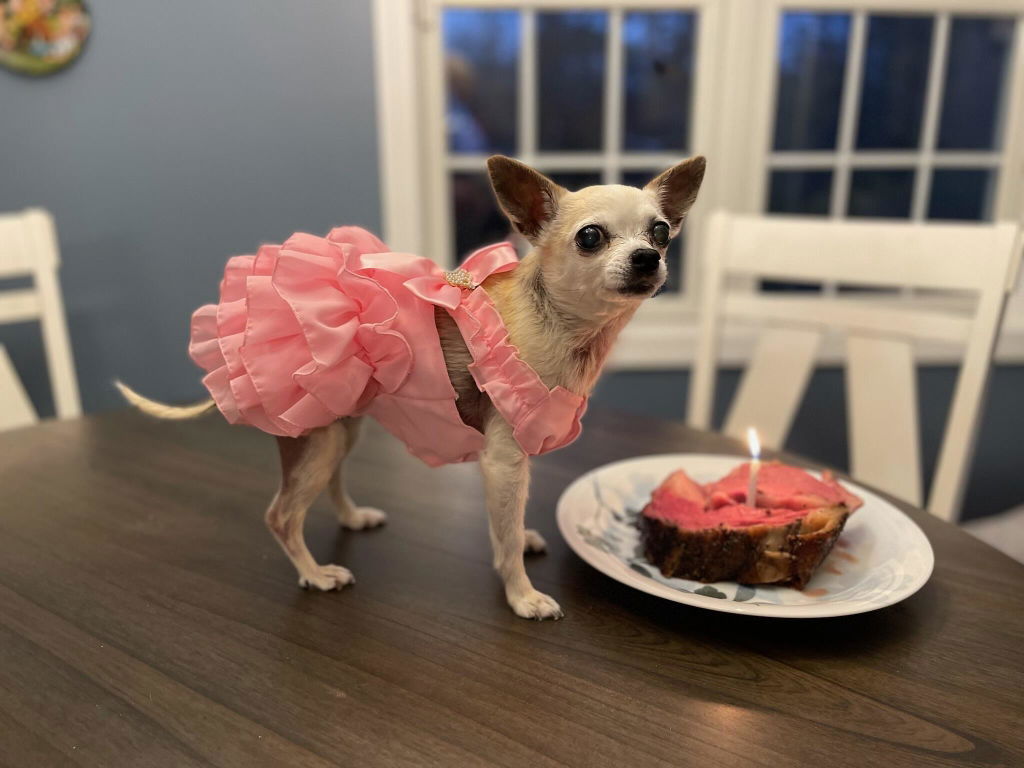
Heart Qi Tonic has been an absolute godsend for our elderly chihuahua since she was diagnosed with congestive heart failure. She is more than 2 years past her 6-month prognosis thanks to this product. So grateful for our competent vet who knew how to properly dose this product for our sweet 16 princess.
R
I wanted it to help so much, but I didn’t notice a change. I have a personal long history with TCM and love TCM, and yet I think three are some times when herbs are still not addressing the root cause and therefore they don’t offer anything except a hope.
B
Jing Tang Heart Qi Tonic Concentrated 0.5g Capsules #100
C
My dog likes it. I haven’t listed to her murmur yet.
B
The assistance helping me to get the order processed was wonderful. And I got emails telling me when it would be delivered, and it was delivered... and I got an email letting me know... That is most helpful. Thank you.