
Your shopping bag is empty
Go to the shop

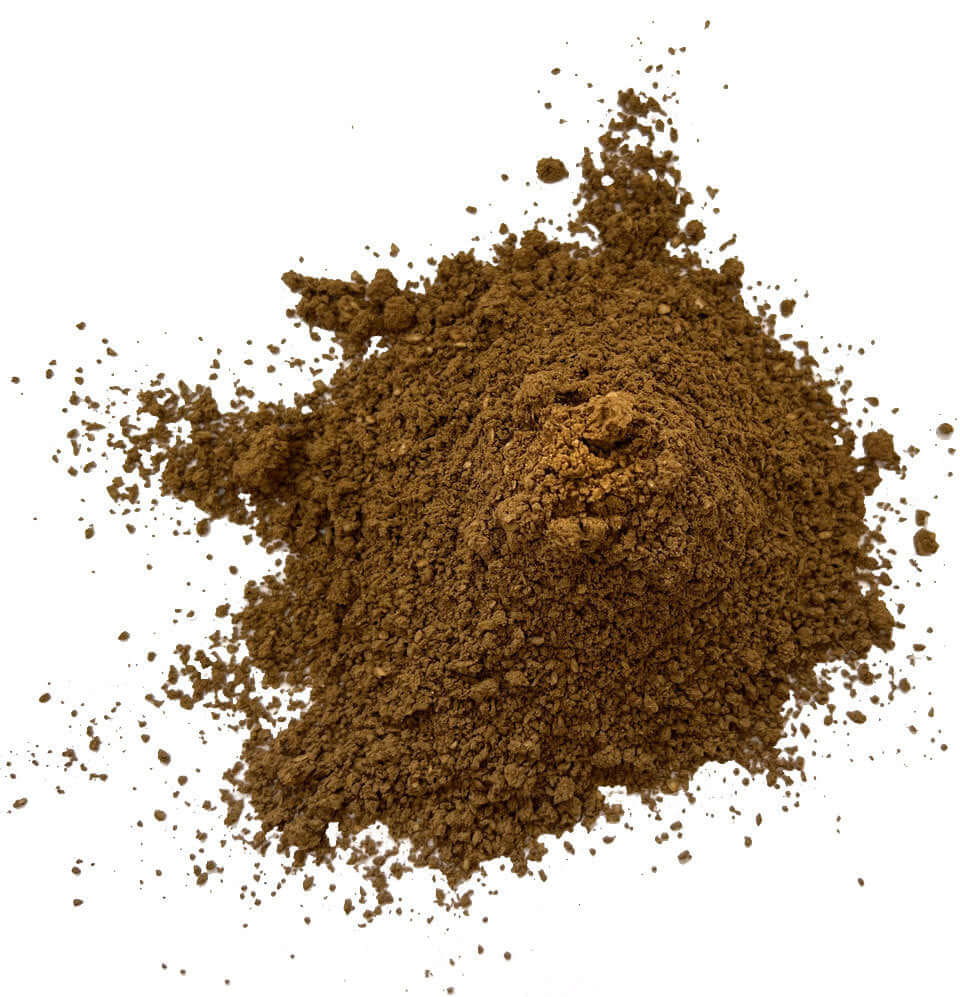
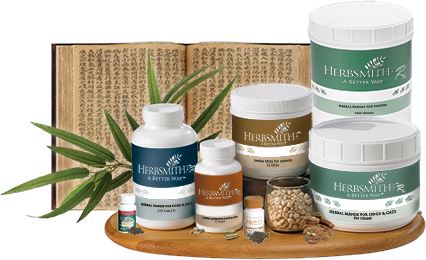
Herbsmith Rx Dang Gui Shao Yao San is a classical Chinese herbal formula recommended by holistic veterinarians to nourish the liver blood, spread the liver qi, strengthen the spleen, and resolve dampness in dogs, cats, and horses. Also known as Tangkuei and Peony Powder and Angelica and Peony Combination, Dang Gui Shao Yao San is a six-herb formula that addresses the combined pattern of liver blood vacuity with spleen qi weakness and dampness accumulation - a pattern in which the liver's insufficient blood compromises its free-flowing function and generates secondary liver qi constraint, while the spleen's weakened qi fails to transform and transport fluids and allows pathological dampness to accumulate in the middle and lower jiao. The formula's six herbs address this combined pattern from three simultaneous directions: nourishing and activating the liver blood (Dang Gui, Shao Yao, Chuan Xiong) so the liver has the blood substrate needed to maintain its free-flowing function; strengthening the spleen qi and drying the dampness that the spleen's compromised transforming function has allowed to accumulate (Bai Zhu, Fu Ling); and draining the accumulated pathological dampness from the lower jiao through the urinary pathway (Ze Xie, Fu Ling). Well suited for dogs, cats, and horses presenting with the combined liver blood vacuity and spleen dampness pattern, characterized by a pale or pale-lavender tongue with a greasy or slippery coating reflecting both the blood vacuity (pale) and the dampness accumulation (greasy, slippery); a fine and wiry or fine and slippery pulse reflecting the blood vacuity (fine) and the liver constraint or dampness (wiry, slippery); chronic fatigue and general debility from blood vacuity failing to nourish the body; abdominal fullness, bloating, or digestive irregularity from spleen qi weakness and dampness obstructing the middle jiao; mild musculoskeletal stiffness or cramping from liver blood vacuity failing to nourish the sinews; and urinary irregularity or fluid accumulation in the lower jiao from dampness failing to be transformed and drained. Available as a concentrated powder mixed into food; dogs and cats use the Canine Blend, while horses use the Equine/Horse Blend. Dosing varies by species and body weight, and your authorizing veterinarian will provide specific guidance.
VETERINARY AUTHORIZATION REQUIRED: Submit Your Authorization Request or Request a TCVM Telemedicine Consultation
What It Supports
- Liver blood nourishment and qi spreading through Dang Gui as the chief herb simultaneously nourishing the liver blood and activating it to spread the liver qi constrained by blood vacuity: Nourishes and activates the liver blood, spreads the liver qi constrained by blood insufficiency, moistens the intestines, and provides the dual nourishing-and-moving action that makes it the formula's chief herb through Dang Gui (angelica root, Radix Angelicae Sinensis). Dang Gui's sweet, acrid, and warm nature enters the liver, heart, and spleen channels to address the central pathodynamic of Dang Gui Shao Yao San: the liver blood vacuity that deprives the liver of the blood substrate it requires to maintain its free-flowing function and generates secondary liver qi constraint as the blood-insufficient liver loses its capacity to course and regulate the qi. By nourishing the liver blood (providing the substrate the liver needs to flow freely) and activating the blood (ensuring the restored blood circulates rather than pooling), Dang Gui addresses both the blood vacuity root and the secondary qi constraint. Dang Gui has mild anticoagulant effects from its coumarin content; combined with Chuan Xiong's antiplatelet effects, monitoring is warranted in animals on warfarin, heparin, and other anticoagulant medications.
- Liver yin and blood nourishment, sinew relaxation, and liver yang anchoring through Shao Yao nourishing the liver yin and blood from the yin level, softening the liver, and relieving the sinew cramping that liver blood vacuity generates: Nourishes the liver yin and blood, anchors the liver yang, softens and calms the liver, relieves sinew cramping and spasm, and clears mild vacuity heat through Shao Yao (peony root, Radix Paeoniae). Shao Yao's sour, bitter, and slightly cold nature enters the liver and spleen channels to nourish the liver yin and blood from the yin level specifically - complementing Dang Gui's blood-nourishing and activating action with deeper yin nourishment - and to soften and relax the liver, whose qi constraint from blood vacuity has generated the stiffness, tightness, and cramping signs of liver blood and yin insufficiency. In the classical formula structure, Shao Yao appears in the highest quantity of all six herbs, reflecting the formula's primary emphasis on liver blood and yin nourishment: the large dose of Shao Yao ensures the liver yin is substantially restored rather than superficially supplemented. Shao Yao also works with Dang Gui to address the abdominal cramping and fullness that spleen-liver disharmony generates in the middle jiao. Shao Yao has mild antiplatelet effects from its paeoniflorin content; monitoring is warranted in animals on anticoagulant medications.
- Blood activation and qi movement through Chuan Xiong activating the blood and moving the qi to prevent the formula's nourishing herbs from generating stagnation and to spread the liver qi constrained by blood vacuity: Activates the blood, moves the qi, dispels wind from the channels, and prevents blood stagnation through Chuan Xiong (ligusticum root, Radix Ligustici Chuanxiong), the formula's blood-activating and qi-moving herb that ensures the nourishing herbs' blood replenishment is accompanied by the movement needed to circulate the restored blood and spread the constrained liver qi. Chuan Xiong's acrid, warm nature enters the liver, gallbladder, and pericardium channels to powerfully move qi and blood simultaneously, addressing the liver qi constraint from the qi-moving direction while Dang Gui and Shao Yao address it from the blood-nourishing direction - the two complementary strategies for liver constraint that arises from blood vacuity rather than from excess stagnation. In classical formula construction, the combination of Dang Gui, Shao Yao, and Chuan Xiong is recognized as a blood-nourishing and blood-activating triad that appears across multiple foundational formulas (Si Wu Tang, Dang Gui Shao Yao San, Gui Zhi Fu Ling Wan); in Dang Gui Shao Yao San specifically, Chuan Xiong's dose is relatively small compared to Shao Yao and Dang Gui, reflecting the formula's primary emphasis on nourishment rather than movement. Chuan Xiong has antiplatelet effects from its ligustilide and ferulic acid content; combined with Dang Gui and Shao Yao, the compounded anticoagulant and antiplatelet interaction concern requires veterinary coordination in animals on anticoagulant medications.
- Spleen qi strengthening and dampness drying through Bai Zhu tonifying the spleen qi from the earth element level and drying the pathological dampness that the spleen's failing transforming function has allowed to accumulate: Tonifies the spleen qi, dries dampness, stabilizes the exterior, and addresses the spleen qi weakness that is failing to transform and transport the fluids the body receives through Bai Zhu (white atractylodes rhizome, Rhizoma Atractylodis Macrocephalae), the formula's primary spleen qi-tonifying and damp-drying herb. Bai Zhu's sweet, bitter, and warm nature enters the spleen and stomach channels to tonify the spleen qi directly from the earth element level, strengthening the spleen's transforming and transporting function so it can begin resolving the pathological dampness that its failure has generated, rather than simply draining the dampness without addressing the underlying spleen qi weakness that continues producing it. In Dang Gui Shao Yao San, Bai Zhu addresses the spleen's role in the combined liver-spleen disharmony pattern: when the liver's free-flowing function is compromised by blood vacuity and qi constraint, the liver's ability to support the spleen's transforming and transporting function (the liver courses the qi that the spleen needs to transform fluids) is also compromised, creating a secondary spleen qi weakness and dampness accumulation that the liver blood and qi herbs alone cannot fully resolve without direct spleen qi support. Bai Zhu has mild anticoagulant effects; monitoring is warranted in animals on anticoagulant medications.
- Spleen strengthening and dampness draining through Fu Ling strengthening the spleen qi from the earth element level through bland percolation and draining the pathological dampness accumulated in the middle and lower jiao through the urinary pathway: Strengthens the spleen, drains dampness through bland percolation, calms the spirit, and harmonizes the middle jiao through Fu Ling (poria, Sclerotium Poriae Cocos), the formula's spleen-strengthening and dampness-draining herb that works alongside Bai Zhu and Ze Xie to resolve the pathological dampness accumulation that spleen qi weakness and liver qi constraint have generated. Fu Ling's sweet, bland, and neutral nature enters the spleen, stomach, heart, and lung channels to strengthen the spleen's transforming function (through its sweet and spleen-entering action) while simultaneously draining the accumulated dampness through the urinary pathway (through its bland and percolating action), addressing the dampness from both the production side (strengthening the spleen so less dampness is generated) and the accumulation side (draining the dampness that has already accumulated). Fu Ling also mildly calms the spirit, addressing the restlessness and anxiety that the combined liver-blood vacuity and spleen dampness pattern can generate as the liver-heart blood connection is compromised. Fu Ling is generally well tolerated; its bland, neutral nature makes it one of the most broadly applicable herbs in the classical materia medica, with minimal interaction potential.
- Dampness draining through Ze Xie strongly draining the pathological dampness accumulated in the lower jiao through the urinary pathway and clearing the damp-generated turbidity from the lower burner: Drains dampness through the urinary pathway, clears damp-heat from the lower jiao, and resolves the fluid accumulation that spleen qi weakness and liver qi constraint have allowed to pool in the lower burner through Ze Xie (water plantain rhizome, Rhizoma Alismatis Orientalis), the formula's most powerful dampness-draining herb and the classical materia medica's most important single herb for draining pathological dampness and fluid accumulation from the lower jiao. Ze Xie's sweet, bland, and cold nature enters the kidney and urinary bladder channels to powerfully drain the accumulated pathological dampness through the urinary pathway - the primary route through which the body excretes accumulated dampness and turbid fluids - addressing the lower jiao dampness accumulation that Bai Zhu and Fu Ling's spleen-strengthening action cannot fully resolve through tonification alone. In Dang Gui Shao Yao San, Ze Xie appears in the second-highest quantity after Shao Yao, reflecting the formula's strong emphasis on draining dampness alongside nourishing liver blood; the large dose of Ze Xie ensures comprehensive dampness clearance from the lower jiao rather than superficial fluid movement. Ze Xie has minimal direct drug interactions; its cold, draining nature warrants caution in animals with significant yang vacuity or kidney yang weakness, where cold draining could further compromise yang's warming and transforming function.
TCVM Principles
- Primary action - the combined liver blood vacuity and spleen dampness pattern through the simultaneous strategy of nourishing and activating the liver blood (Dang Gui, Shao Yao, Chuan Xiong), strengthening the spleen qi and drying dampness (Bai Zhu, Fu Ling), and draining the accumulated dampness from the lower jiao (Ze Xie, Fu Ling): Addresses the combined liver blood vacuity with spleen qi weakness and dampness accumulation pattern through the three-part strategy of liver blood nourishment, spleen qi strengthening, and dampness draining. The formula's therapeutic logic reflects the TCVM understanding of the liver-spleen relationship: the liver's free-flowing function depends on adequate liver blood to maintain its coursing and regulating action, and when liver blood is vacuous the liver qi becomes constrained; simultaneously, the liver's free-flowing function normally supports the spleen's transforming and transporting function by ensuring the qi that the spleen needs to process food and fluids flows freely, and when the liver is constrained the spleen loses this support and its dampness-transforming capacity is compromised. Dang Gui Shao Yao San addresses this liver-spleen disharmony from both the liver side (nourishing and activating the blood) and the spleen side (strengthening the qi and draining the dampness), making it a comprehensive formula for the combined pattern rather than a liver-only or spleen-only treatment.
- Secondary action - the distinction between the liver blood vacuity with spleen dampness pattern and pure liver qi stagnation, pure blood stagnation, or pure spleen dampness patterns requiring different therapeutic strategies, confirmed through the characteristic pale tongue with greasy coating and the fine pulse with wiry or slippery quality: Dang Gui Shao Yao San is indicated specifically for the combined liver blood vacuity and spleen dampness pattern, not for pure liver qi stagnation from excess (which requires strong qi-moving and constraint-relieving herbs without the substantial blood nourishment that Shao Yao and Dang Gui provide), pure blood stagnation (which requires stronger blood-activating herbs such as Tao Ren and Hong Hua rather than the primarily nourishing strategy of Dang Gui Shao Yao San), or pure spleen dampness without the liver blood vacuity component (which requires stronger dampness-drying and qi-moving herbs without the liver blood nourishment). The clinical differentiation centers on the characteristic combination of nourishment-failure signs (pale tongue, fine pulse, mild sinew stiffness, fatigue) with dampness accumulation signs (greasy or slippery tongue coating, slippery pulse, abdominal fullness, fluid accumulation signs). Your authorizing veterinarian will confirm the combined liver-spleen pattern through tongue and pulse examination and clinical assessment.
Available Forms
- Powder - Canine Blend (for dogs and cats): Available in 75 g, 150 g, 500 g, 900 g, and 1200 g sizes; mix into food at the recommended dose for your pet's weight. Cats and dogs both use this blend.
- Powder - Equine/Horse Blend (for horses only): Available in 150 g, 500 g, 900 g, and 1200 g sizes; mix into grain at the recommended dose for your horse.
Suggested Use
For Dogs (Canine Blend Powder):
- Under 30 lbs: ½ tsp twice daily, or as prescribed
- 30-80 lbs: 1 tsp twice daily, or as prescribed
- 80-120 lbs: 1½ tsp twice daily, or as prescribed
- Over 120 lbs: 2 tsp twice daily, or as prescribed
For Cats (Canine Blend Powder): ¼ tsp twice daily, or as prescribed
For Horses (Equine/Horse Blend, 1,000 lb horse): Two tablespoons twice daily for 20 days, then two tablespoons once daily in grain. If the horse initially refuses, start with a small amount mixed into grain and gradually increase until the horse is accustomed to the taste. Most horses will readily accept the herbs in their grain.
Ingredients
Active Ingredients: Dang Gui (Radix Angelicae Sinensis), Shao Yao (Radix Paeoniae), Fu Ling (Sclerotium Poriae Cocos), Bai Zhu (Rhizoma Atractylodis Macrocephalae), Ze Xie (Rhizoma Alismatis Orientalis), Chuan Xiong (Radix Ligustici Chuanxiong)
Inactive Ingredient: Flaxseed
VETERINARY AUTHORIZATION REQUIRED: Submit Your Authorization Request or Request a TCVM Telemedicine Consultation
Active Ingredient TCVM Actions
Dang Gui Shao Yao San is a six-herb formula organized around three paired therapeutic strategies: Dang Gui, Shao Yao, and Chuan Xiong for liver blood nourishment and activation; Bai Zhu and Fu Ling for spleen qi strengthening and dampness drying; and Ze Xie and Fu Ling for lower jiao dampness draining:
- Dang Gui (Radix Angelicae Sinensis) - Dong Quai / Chinese Angelica Root: Nourishes and activates the liver blood, spreads the liver qi constrained by blood insufficiency, and moistens the intestines; the formula's chief herb and the classical materia medica's most important single herb for the combined liver blood vacuity and liver qi constraint pattern. Dang Gui's dual nourishing-and-moving action addresses both the blood vacuity root and the secondary qi constraint simultaneously, providing the liver with the blood it needs to maintain its free-flowing function while ensuring the restored blood circulates freely. Mild anticoagulant effects from coumarin content; monitoring warranted in animals on anticoagulant medications.
- Shao Yao (Radix Paeoniae) - Peony Root: Nourishes the liver yin and blood from the yin level, anchors the liver yang, softens and calms the liver, relieves sinew cramping and spasm, and clears mild vacuity heat; appears in the highest quantity of all six herbs in the classical formula, reflecting the formula's primary emphasis on liver blood and yin nourishment. Shao Yao's sour, bitter, and slightly cold nature enters the liver and spleen channels to provide the deepest yin nourishment and the sinew-softening and liver-calming action that Dang Gui's predominantly moving and nourishing action does not provide. Mild antiplatelet effects from paeoniflorin content; monitoring warranted in animals on anticoagulant medications.
- Chuan Xiong (Radix Ligustici Chuanxiong) - Ligusticum Root / Szechuan Lovage Root: Activates the blood, moves the qi, and dispels wind from the channels; appears at the smallest dose of the three blood herbs, reflecting the formula's primary nourishing emphasis with movement as a supporting strategy rather than the primary action. Chuan Xiong's acrid, warm nature moves qi and blood simultaneously, spreading the liver qi from the qi-moving direction while Dang Gui and Shao Yao nourish the blood substrate the liver needs to flow freely. Antiplatelet effects from ligustilide and ferulic acid content; combined with Dang Gui and Shao Yao, veterinary coordination is required in animals on anticoagulant medications.
- Bai Zhu (Rhizoma Atractylodis Macrocephalae) - White Atractylodes Rhizome: Tonifies the spleen qi from the earth element level, dries dampness, and stabilizes the exterior; addresses the spleen qi weakness that is failing to transform and transport fluids and generating the pathological dampness accumulation. Bai Zhu strengthens the spleen's dampness-transforming capacity from the root rather than simply draining the accumulated dampness, ensuring the spleen can sustain its transforming function as the dampness is cleared. Mild anticoagulant effects; monitoring warranted in animals on anticoagulant medications.
- Fu Ling (Sclerotium Poriae Cocos) - Poria / Hoelen / Indian Bread: Strengthens the spleen, drains dampness through bland percolation, and calms the spirit; works alongside both Bai Zhu (strengthening the spleen to reduce dampness production) and Ze Xie (draining the accumulated dampness through the urinary pathway) to address the dampness accumulation from both the production and elimination sides simultaneously. Fu Ling's sweet, bland, and neutral nature makes it one of the most broadly applicable and well-tolerated herbs in the formula, with minimal interaction potential and a gentle action suited to sustained use.
- Ze Xie (Rhizoma Alismatis Orientalis) - Water Plantain Rhizome / Asian Water Plantain: Drains dampness through the urinary pathway, clears damp-heat from the lower jiao, and resolves the fluid accumulation that the spleen's compromised transforming function has allowed to pool in the lower burner; appears in the second-highest quantity after Shao Yao in the classical formula, reflecting the significant emphasis on lower jiao dampness draining alongside liver blood nourishment. Ze Xie's cold, draining nature warrants caution in animals with significant yang vacuity or kidney yang weakness, where its cold action could further compromise the yang's warming function.
Potential Drug Interactions
Dang Gui Shao Yao San's primary drug interaction concern is the compounded anticoagulant and antiplatelet effect of its three blood-activating herbs: Dang Gui's coumarin-based anticoagulant effects, Chuan Xiong's ligustilide and ferulic acid antiplatelet effects, and Shao Yao's paeoniflorin antiplatelet effects combine to create a meaningful anticoagulant interaction risk in animals on warfarin, heparin, aspirin, clopidogrel, and other anticoagulant or antiplatelet medications. This combined blood-activating interaction is the formula's primary drug interaction category and requires veterinary coordination before use in animals on any anticoagulant treatment. Bai Zhu has mild anticoagulant effects that add to this combined concern. Ze Xie's cold and draining nature and its effects on fluid metabolism warrant caution in animals on diuretic medications where the combined fluid-draining action could compound the medication's effect. The formula's cold and dampness-draining strategy (Ze Xie, Fu Ling) is not appropriate for animals with significant kidney yang vacuity, yang vacuity cold patterns, or significant constitutional cold where the draining herbs would further deplete the yang.
Medication categories warranting extra caution include anticoagulant and antiplatelet medications (compounded effects of Dang Gui, Chuan Xiong, Shao Yao, and Bai Zhu), diuretic medications (Ze Xie and Fu Ling combined fluid-draining action), and medications metabolized by the liver's CYP enzyme system where Chuan Xiong's interaction potential warrants review. Your authorizing veterinarian will determine appropriateness based on your animal's condition, current medications, and confirmation of the combined liver blood vacuity and spleen dampness pattern through tongue quality (pale with greasy or slippery coating), pulse character (fine with wiry or slippery quality), and clinical assessment of the nourishment-failure and dampness accumulation signs.
VETERINARY AUTHORIZATION REQUIRED: Submit Your Authorization Request or Request a TCVM Telemedicine Consultation
Frequently Asked Questions
What conditions is Dang Gui Shao Yao San used for in TCVM?
In Traditional Chinese Veterinary Medicine, Dang Gui Shao Yao San is indicated for the combined liver blood vacuity and spleen dampness pattern, where insufficient liver blood compromises the liver's free-flowing function and generates secondary qi constraint, while spleen qi weakness fails to transform and transport fluids, allowing pathological dampness to accumulate. The clinical presentation centers on a pale or pale-lavender tongue with a greasy or slippery coating reflecting both the blood vacuity and dampness accumulation; a fine and wiry or fine and slippery pulse; chronic fatigue and general debility from blood vacuity; abdominal fullness, bloating, or digestive irregularity from middle jiao dampness; mild musculoskeletal stiffness or cramping from liver blood failing to nourish the sinews; and fluid accumulation or urinary irregularity from lower jiao dampness. Your authorizing veterinarian will confirm the combined pattern through tongue and pulse examination and clinical assessment.
How is Dang Gui Shao Yao San administered to dogs, cats, and horses?
Mix the powder directly into food or grain at the dose recommended for your animal's species and body weight. Dogs and cats use the Canine Blend; horses use the Equine/Horse Blend. All species receive the formula twice daily, with horses following the standard 20-day twice-daily loading protocol before transitioning to once-daily maintenance dosing. Because Dang Gui Shao Yao San contains three herbs with anticoagulant and antiplatelet effects (Dang Gui, Chuan Xiong, Shao Yao), comprehensive veterinary review of current medications is required before use, particularly for animals on anticoagulant or antiplatelet treatments. The formula's dampness-draining strategy (Ze Xie, Fu Ling) is not appropriate for animals with significant kidney yang vacuity or yang vacuity cold patterns.
How long does it take to see results with Dang Gui Shao Yao San?
As a formula addressing a combined constitutional blood vacuity and dampness accumulation pattern, Dang Gui Shao Yao San typically shows improvement in two stages: early improvement in the dampness accumulation signs (reduced abdominal fullness, improved digestive comfort, improved urinary function) may be seen within 2 to 4 weeks as the formula's dampness-draining herbs (Ze Xie, Fu Ling) begin clearing the accumulated dampness. More substantial restoration of the liver blood, reflected in improved energy, reduced sinew stiffness, and normalization of the tongue color from pale toward pink with resolution of the greasy coating, typically requires 4 to 8 weeks or longer. Deeply established liver blood vacuity with chronic dampness accumulation may require 3 to 6 months of sustained treatment before the pattern is meaningfully resolved. Your authorizing veterinarian will monitor tongue, pulse, and clinical signs throughout the treatment course.
How does Dang Gui Shao Yao San differ from other liver blood-nourishing formulas like Bu Gan San?
Dang Gui Shao Yao San differs from Bu Gan San and other pure liver blood-nourishing formulas in its significant spleen-strengthening and dampness-draining component: where Bu Gan San (built on the Si Wu Tang core with Suan Zao Ren and Mu Gua) focuses primarily on liver blood and yin nourishment with spirit calming and sinew relaxation as secondary actions, Dang Gui Shao Yao San devotes three of its six herbs (Bai Zhu, Fu Ling, Ze Xie) to the spleen-strengthening and dampness-resolving side of the pattern. This makes Dang Gui Shao Yao San the formula of choice when the combined liver blood vacuity and spleen dampness pattern is present together - when the tongue shows both the pale color of blood vacuity and the greasy or slippery coating of dampness, and when the clinical signs include both the nourishment-failure signs of blood vacuity and the accumulation signs of dampness. Bu Gan San is more appropriate when liver blood and yin vacuity with spirit disturbance and sinew malnourishment predominates without significant dampness accumulation. Your authorizing veterinarian will determine which formula best matches your animal's specific pattern.
QUESTIONS & ANSWERS
Have a Question?
Be the first to ask a question about this.