
Your shopping bag is empty
Go to the shop

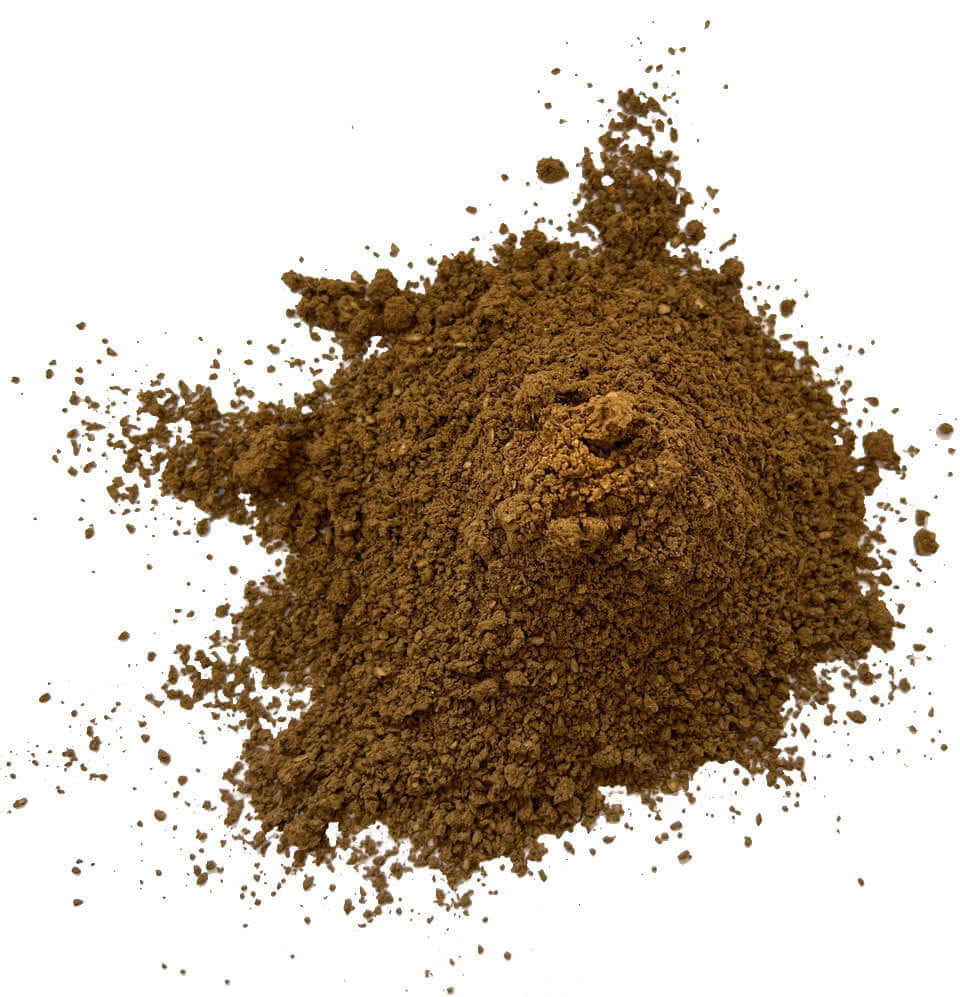
Herbsmith Rx Du Huo Ji Sheng Tang is a classical Chinese herbal formula recommended by holistic veterinarians to expel wind-dampness, disperse painful obstruction, and tonify the liver, kidney, qi, and blood in dogs, cats, and horses. Also known as Angelica Pubescens and Sangjisheng Powder, Solitary Hermit, Equine Du Huo, Meridian Circulation, Supple Spine, Du Huo and Loranthus Formula, and Angelica and Loranthus Formula, this fifteen-herb formula from Sun Simiao's Bei Ji Qian Jin Yao Fang (Essential Prescriptions Worth a Thousand Gold for Emergencies, Tang dynasty, 652 CE) is one of the most architecturally sophisticated and clinically important formulas in the TCVM musculoskeletal tradition. The formula's defining clinical innovation is the simultaneous treatment of the branch (wind-damp bi obstruction in the channels and sinews, causing musculoskeletal stiffness and discomfort) and the root (liver and kidney vacuity, and qi and blood insufficiency, which deplete the sinews, bones, and channels of the nourishment they need to resist and recover from the wind-damp invasion). Du Huo Ji Sheng Tang treats three interconnected patterns together: Wind-Damp Bi (wind-damp painful obstruction in the channels and sinews of the lower back, hindlimbs, and joints), Dual Vacuity of Liver and Kidney (liver blood and kidney essence insufficiency depleting the sinews and bones), and Qi and Blood Insufficiency (generalized qi and blood vacuity reducing the body's capacity to expel the wind-damp and nourish the affected sinews and joints). The formula is organized into two functional layers: a wind-damp expelling layer (Du Huo, Xi Xin, Fang Feng, Qin Jiao, with Rou Gui and Niu Xi assisting) that drives out the wind-damp pathogen from the lower jiao, lower back, and hindlimb channels; and a tonification layer (Sang Ji Sheng, Du Zhong, Niu Xi, Dang Gui, Chuan Xiong, Sheng Di Huang, Bai Shao, Ren Shen, Fu Ling, Zhi Gan Cao) that tonifies the liver blood, kidney essence, qi, and blood, restoring the constitutional foundation from which the sinews and bones are nourished and the wind-damp pathogen can be permanently expelled. Well suited for dogs, cats, and horses presenting with the chronic wind-damp bi pattern on a background of liver-kidney vacuity and qi-blood insufficiency, characterized by chronic stiffness and musculoskeletal discomfort in the lower back, lumbar region, and hindlimbs that worsens in cold and damp weather, reduced hindlimb strength and mobility from combined sinew-bone malnourishment and wind-damp obstruction, age-related musculoskeletal decline with a cold, achy, and stiff quality in the hindquarters, a pale tongue with a white or thin coating reflecting the qi-blood vacuity with wind-damp, and a deep, weak, or slow pulse reflecting the liver-kidney root vacuity. Available as a concentrated powder mixed into food; cats and dogs use the Canine Blend, while horses use the Equine/Horse Blend. Dosing varies by species and body weight, and your authorizing veterinarian will provide specific guidance.
VETERINARY AUTHORIZATION REQUIRED: Submit Your Authorization Request or Request a TCVM Telemedicine Consultation
What It Supports
- Wind-damp bi expulsion from the lower jiao, lower back, and hindlimb channels through the four principal wind-damp-dispersing herbs addressing the branch obstruction directly: Expels wind-damp from the channels and sinews of the lower back, lumbar spine, and hindlimbs through the formula's principal wind-damp dispersing group: Du Huo (pubescent angelica root, 10%) as the chief herb with a specific affinity for the lower jiao, kidney channel, and lower limb channels, making it the primary driver of wind-damp expulsion from the lower body; Xi Xin (wild ginger herb with root) as the most penetrating yang-warming and wind-cold-dispersing herb, reaching into the deepest channel levels to drive out entrenched cold-damp from the sinews and bones; Fang Feng (siler root, 6%) as the harmonizing wind-dispersing herb that gently expels wind from the exterior channels without depleting the righteous qi; and Qin Jiao (large-leaf gentian root, 6%) as the wind-damp-removing herb with a specific affinity for the sinews and bones that additionally clears any heat component in the bi pattern, making the formula applicable to wind-damp bi with or without a mild heat component. Together these four herbs address all three of the classical wind-damp bi pathogenic factors (wind, dampness, and cold) in the lower jiao and lower limb channels.
- Liver blood and kidney essence tonification through Sang Ji Sheng, Du Zhong, and Niu Xi simultaneously nourishing the sinews and bones from the liver-kidney root while directing therapeutic action to the lower back and hindlimbs: Tonifies the liver and kidney and strengthens the sinews and bones through the formula's liver-kidney tonification trio: Sang Ji Sheng (loranthus/mulberry mistletoe stem, 9%) as the liver and kidney tonic with a specific affinity for the sinews and bones that simultaneously expels wind-dampness from the channels and nourishes the liver blood and kidney essence depleted by chronic wind-damp obstruction; Du Zhong (eucommia bark, 6%) as the kidney yang-tonifying and liver blood-nourishing herb that strengthens the lumbar spine and hindlimb musculoskeletal structures directly through its specific affinity for the lower back and sinews; and Niu Xi (achyranthes root, 6%) as the liver and kidney tonic that strengthens the sinews and bones, directs the formula's therapeutic action downward to the lower limbs and lumbar spine, invigorates blood to clear stagnation from the bi obstruction, and assists the wind-damp-expelling herbs by moving the channel circulation that carries the pathogen outward. These three herbs form the critical bridge between the formula's wind-damp-expelling layer and its qi-blood tonification layer, tonifying the liver-kidney root that wind-damp has depleted while simultaneously assisting in expelling wind-damp from the lower body channels.
- Qi and blood tonification through the Si Jun Zi (Four Gentlemen) and Si Wu Tang (Four Substances) core herbs restoring the constitutional qi-blood foundation that supports both pathogen expulsion and sinew-bone nourishment: Tonifies the qi and blood through ten of the formula's fifteen herbs drawn from the classical Si Jun Zi Tang (Four Gentlemen Decoction, Ren Shen, Fu Ling, Zhi Gan Cao, with Bai Zhu replaced here by Sang Ji Sheng and Du Zhong) and Si Wu Tang (Four Substances Decoction, Dang Gui, Chuan Xiong, Sheng Di Huang, Bai Shao) frameworks: Ren Shen (ginseng root, 6%) tonifies the yuan qi and spleen qi, providing the fundamental qi support for the formula's simultaneous expelling and tonifying strategy; Fu Ling (poria, 12%) strengthens the spleen, drains dampness, and calms the spirit; Zhi Gan Cao (honey-fried licorice root, 6%) harmonizes, tonifies spleen qi, and moderates the formula's herbs; Dang Gui (Chinese angelica root, 6%) tonifies and invigorates the blood and nourishes the liver blood; Chuan Xiong (Sichuan lovage root, 6%) invigorates the blood, moves qi, and dispels wind; Sheng Di Huang (raw rehmannia root, 9%) nourishes yin and blood and clears any vacuity heat generated by the blood and yin insufficiency; and Bai Shao (white peony root, 6%) nourishes the blood, softens the liver, and relieves sinew tension from blood vacuity. Together, these seven herbs provide complete qi and blood tonification that addresses the constitutional root of the chronic wind-damp bi pattern and nourishes the sinews, bones, and channels from the inside, while the wind-damp-expelling herbs drive the pathogen out from the outside.
- Interior warming and channel opening through Rou Gui assisting the wind-damp expulsion by warming the kidney yang and opening the channels and collaterals to the wind-damp-expelling herbs: Warms the kidney yang, warms and opens the channels and collaterals, and dispels interior cold through Rou Gui (cinnamon bark, 3%), the interior-warming herb that addresses the cold component of the wind-cold-damp bi pattern from the inside while the exterior-releasing and wind-damp-dispersing herbs address the pathogen from the channel level. Rou Gui's warming of the kidney yang reinforces the formula's kidney tonification strategy (Du Zhong warms kidney yang from the solid organ level; Rou Gui warms the kidney yang from the life gate fire level), and its channel-warming action opens the channels and collaterals to allow the wind-damp-expelling herbs to penetrate more effectively into the lower jiao and lower limb channels where the wind-damp obstruction has lodged. Rou Gui also moves blood through its warming action, helping the blood-invigorating herbs (Chuan Xiong, Niu Xi) clear the blood stasis that chronic bi obstruction generates in the affected channels and sinews.
TCVM Principles
- Primary action - simultaneous branch and root treatment through the dual-layer formula architecture of wind-damp bi expulsion and liver-kidney qi-blood tonification, the defining clinical strategy of Du Huo Ji Sheng Tang as one of the most important bi syndrome formulas in the classical tradition: Addresses the chronic wind-damp bi pattern on the background of liver-kidney vacuity and qi-blood insufficiency through the formula's central clinical innovation: treating the branch (wind-damp bi obstruction) and the root (liver-kidney vacuity, qi-blood insufficiency) simultaneously within a single fifteen-herb formula. In classical TCVM formulation, bi syndrome formulas typically either expel the pathogen (for acute or excess bi) or tonify the vacuity (for purely vacuity presentations); Du Huo Ji Sheng Tang addresses the clinical reality that chronic bi syndrome generates and is perpetuated by liver-kidney vacuity and qi-blood insufficiency, because prolonged wind-damp obstruction depletes the liver blood that nourishes the sinews, the kidney essence that supports the bones, and the qi and blood that circulate in the channels and maintain the body's capacity to resist and expel pathogens. The formula treats both the pathogen and the vacuity simultaneously because neither can be fully resolved without addressing the other: expelling the wind-damp without tonifying the vacuity leaves the sinews and bones malnourished, and the channels weakened for re-invasion; tonifying the vacuity without expelling the wind-damp leaves the obstruction in the channels blocking the nourishment that the tonification herbs are providing.
- Secondary action - Du Huo's specific lower jiao and lower limb channel affinity as the critical herb selection principle that makes this formula specifically appropriate for lower back, lumbar, and hindlimb bi syndrome rather than for upper body or generalized bi patterns: The formula's selection of Du Huo (pubescent angelica root, du huo, literally solitary hermit or independent activity) as the chief wind-damp-expelling herb reflects a critical channel-affinity principle that determines the formula's anatomical focus. Du Huo has a specific affinity for the kidney channel and the lower jiao, making it the principal herb for wind-damp bi in the lower back, lumbar spine, and hindlimbs. This contrasts with Qiang Huo (notopterygium root), which has a specific affinity for the upper body, nape, and upper back, and is the chief wind-damp herb in formulas for upper body or whole-body bi. Du Huo Ji Sheng Tang is specifically indicated for the lower back and hindlimb bi pattern; presentations with dominant upper body or cervical bi may require Qiang Huo-based formulas or modification. The formula's name captures this: Du Huo (the chief herb, literally solitary hermit), Ji Sheng (assisted by Sang Ji Sheng, the loranthus/mulberry mistletoe that tonifies the liver-kidney while expelling wind-damp), Tang (decoction/formula). The combination of Du Huo's lower jiao channel affinity with Sang Ji Sheng's simultaneous wind-damp expelling and liver-kidney tonifying action defines the formula's lower body focus and root-and-branch strategy in its very name.
Available Forms
- Powder - Canine Blend (for dogs and cats): Available in 75 g, 150 g, 500 g, 900 g, and 1200 g sizes; mix into food at the recommended dose for your pet's weight. Cats and dogs both use this blend.
- Powder - Equine/Horse Blend (for horses only): Available in 150 g, 500 g, 900 g, and 1200 g sizes; mix into grain at the recommended dose for your horse.
Suggested Use
For Dogs (Canine Blend Powder):
- Under 30 lbs: ½ tsp twice daily, or as prescribed
- 30-80 lbs: 1 tsp twice daily, or as prescribed
- 80-120 lbs: 1½ tsp twice daily, or as prescribed
- Over 120 lbs: 2 tsp twice daily, or as prescribed
For Cats (Canine Blend Powder): ¼ tsp twice daily, or as prescribed
For Horses (Equine/Horse Blend, 1,000 lb horse): Two tablespoons twice daily for 20 days, then two tablespoons once daily in grain. If the horse initially refuses, start with a small amount mixed into grain and gradually increase until the horse is accustomed to the taste. Most horses will readily accept the herbs in their grain.
Ingredients
Active Ingredients: Du Huo (Radix Angelicae Pubescentis, 10%), Sang Ji Sheng (Ramulus Sangjisheng, 9%), Sheng Di Huang (Radix Rehmanniae Glutinosae, 9%), Fu Ling (Sclerotium Poriae Cocos, 12%), Bai Shao (Radix Paeoniae Lactiflorae, 6%), Niu Xi (Radix Achyranthis Bidentatae, 6%), Qin Jiao (Radix Gentianae Qinjiao, 6%), Gan Cao (Honey-fried Radix Glycyrrhizae Uralensis, 6%), Chuan Xiong (Radix Ligustici Chuanxiong, 6%), Du Zhong (Cortex Eucommiae Ulmoidis, 6%), Ren Shen (Radix Ginseng, 6%), Dang Gui (Radix Angelicae Sinensis, 6%), Fang Feng (Radix Ledebouriellae Divaricatae, 6%), Rou Gui (Cortex Cinnamomi Cassiae, 3%), Xi Xin (Herba cum Radice Asari)
Inactive Ingredient: Flaxseed
VETERINARY AUTHORIZATION REQUIRED: Submit Your Authorization Request or Request a TCVM Telemedicine Consultation
Active Ingredient TCVM Actions
Du Huo Ji Sheng Tang is a fifteen-herb formula organized into two functional layers: a wind-damp bi expelling layer (Du Huo, Xi Xin, Fang Feng, Qin Jiao, assisted by Rou Gui and Niu Xi) targeting the lower jiao and lower limb channels, and a root-tonifying layer (Sang Ji Sheng, Du Zhong, Niu Xi, Dang Gui, Chuan Xiong, Sheng Di Huang, Bai Shao, Ren Shen, Fu Ling, Zhi Gan Cao) tonifying the liver blood, kidney essence, qi, and blood:
- Du Huo (Radix Angelicae Pubescentis) - Pubescent Angelica Root / Solitary Hermit Root: Expels wind-cold-dampness from the lower jiao, lower back, and lower limb channels; the chief herb of the formula with a specific affinity for the kidney channel and lower jiao that makes it the primary driver of wind-damp expulsion from the lower body. Du Huo's acrid, bitter, and warm nature penetrates the channels of the lower back, lumbar spine, and hindlimbs to disperse the wind-cold-damp obstruction responsible for the chronic stiffness, reduced mobility, and cold-weather-aggravated musculoskeletal signs of the lower body bi pattern. Du Huo is distinguished from Qiang Huo (its upper body counterpart) by its lower jiao channel affinity and its use in chronic or deep-level bi syndrome rather than acute exterior wind invasion. The formula's name begins with Du Huo precisely because it defines the anatomical focus and wind-damp expelling strategy of the entire formula.
- Xi Xin (Herba cum Radice Asari) - Wild Ginger / Chinese Wild Ginger Herb with Root / Manchurian Wild Ginger: Disperses wind-cold from the interior and exterior, warms the channels, opens the orifices, and reaches into the deepest channel levels to drive out entrenched cold from the sinews, bones, and lower jiao; the most penetrating and yang-warming of the formula's wind-damp expelling herbs. Xi Xin's acrid, warm, and deeply penetrating nature allows it to reach cold-damp lodged in the bone level and deep channel layers where other wind-damp herbs cannot penetrate, making it essential in chronic bi patterns where cold-damp has become deeply entrenched over time. Xi Xin contains aristolochic acid-related compounds in some botanical sources; in this formulation, it is used at standard therapeutic concentrations. Veterinary oversight is required, and Xi Xin is used at the minimal effective dose within the formula's balanced herb architecture. Xi Xin may interact with medications processed through CYP enzyme pathways and with cardiac medications; veterinary medication review is required.
- Fang Feng (Radix Ledebouriellae Divaricatae) - Siler Root / Saposhnikovia Root / Ledebouriella Root: Expels wind and dampness from the exterior channels, releases the exterior, and disperses wind-cold-damp bi obstruction from the sinews and channels without depleting the righteous qi; the harmonizing wind-dispersing herb that gently assists Du Huo and Xi Xin in expelling the wind component of the bi pattern from the channel level. Fang Feng's gentle, non-depleting wind-expelling nature is important in a formula that must also tonify the qi and blood: harsh exterior-releasing herbs would conflict with the tonification strategy by further depleting the already insufficient qi and blood, while Fang Feng expels wind gently enough to work alongside the tonification herbs without that conflict. Fang Feng is generally well tolerated with minimal drug interactions.
- Qin Jiao (Radix Gentianae Qinjiao) - Large-leaf Gentian Root / Gentiana Macrophylla Root: Expels wind-dampness from the channels and sinews, clears any heat component in the bi pattern, relaxes the sinews, and addresses stiffness from wind-damp obstruction with a specific affinity for the sinews and bones; the wind-damp herb that extends the formula's applicability to bi patterns with a mild heat component by clearing bi heat without the cold-damaging-yang risk of purely bitter-cold herbs. Qin Jiao's neutral thermal nature (compared to the warm nature of Du Huo, Xi Xin, and Fang Feng) makes the formula therapeutically flexible across pure cold-damp bi and cold-damp bi with mild secondary heat signs. Qin Jiao also relaxes sinew tension from wind-damp obstruction, supporting the restoration of hindlimb mobility and channel circulation that the formula targets. Minimal drug interactions; generally well tolerated.
- Sang Ji Sheng (Ramulus Sangjisheng) - Loranthus Stem / Chinese Mulberry Mistletoe Stem: Tonifies the liver blood and kidney essence, strengthens the sinews and bones, expels wind-dampness, and calms the fetus (in breeding animals); the critical bridge herb that simultaneously tonifies the liver-kidney root and expels wind-dampness, making it the only herb in the formula that contributes to both the wind-damp expelling layer and the tonification layer. Sang Ji Sheng's dual action addresses the pattern's interconnected root and branch in a single herb: its liver blood and kidney essence tonification nourishes the sinews and bones depleted by chronic bi obstruction, while its wind-dampness-expelling action helps the principal expelling herbs clear the pathogen that caused the depletion. The formula's name includes Ji Sheng (assisted by Sang Ji Sheng) because Sang Ji Sheng is the essential partner to Du Huo's expelling strategy, providing the root-tonifying action that prevents pathogen re-invasion after Du Huo has expelled the current wind-damp accumulation. Sang Ji Sheng is generally well tolerated with minimal drug interactions.
- Du Zhong (Cortex Eucommiae Ulmoidis) - Eucommia Bark: Tonifies the kidney yang and liver blood, strengthens the sinews and bones, and specifically strengthens the lumbar spine and hindlimb musculoskeletal structures through its affinity for the lower back and lumbar region; the kidney yang and liver blood tonic with the most direct lumbar spine-strengthening action in the formula. Du Zhong's specific lower back and lumbar affinity complements Du Huo's lower jiao channel-clearing action: while Du Huo expels the wind-damp pathogen from the lower body channels, Du Zhong tonifies the kidney yang and liver blood that the chronic obstruction has depleted from the lumbar sinews and bones, restoring the structural constitutional foundation of the lower back and hindquarters. Du Zhong has mild antihypertensive effects through its geniposide and other active compounds; monitoring is warranted in animals on antihypertensive medications.
- Niu Xi (Radix Achyranthis Bidentatae) - Achyranthes Root / Ox Knee Root: Tonifies the liver and kidney, strengthens the sinews and bones, invigorates the blood and dispels blood stasis, directs the formula's action downward to the lower limbs, and clears damp-heat from the lower jiao; the directing and blood-invigorating herb that contributes to both the tonification layer and the wind-damp expelling layer by directing the formula's action specifically to the lower limbs (where the bi obstruction is concentrated), moving the blood stasis that chronic bi obstruction generates in the lower limb channels, and tonifying the liver and kidney simultaneously. Niu Xi's directional action downward is essential in a formula targeting lower back and hindlimb bi: it ensures the formula's qi-moving, blood-invigorating, and pathogen-expelling actions reach the lower limbs rather than dissipating in the upper or middle body. Niu Xi has mild anticoagulant effects from its ecdysterone and saponin content; monitoring is warranted in animals on anticoagulant medications.
- Rou Gui (Cortex Cinnamomi Cassiae) - Cinnamon Bark: Warms the kidney yang and life gate fire, warms and opens the channels and collaterals, dispels interior cold, and invigorates blood through warming; the interior-warming herb that addresses the cold component of the wind-cold-damp bi pattern from the kidney yang level, while the exterior wind-damp herbs address the pathogen from the channel level. Rou Gui's channel-warming action opens the lower jiao channels and collaterals, allowing the wind-damp-expelling herbs to penetrate more effectively, and its kidney yang warming reinforces the formula's kidney tonification strategy alongside Du Zhong. Rou Gui has potential interactions with anticoagulant medications (cinnamaldehyde's platelet-inhibiting effects), antidiabetic medications, and antihypertensive medications; veterinary review is warranted in animals on these medications.
- Dang Gui (Radix Angelicae Sinensis) - Chinese Angelica Root / Dong Quai: Tonifies and invigorates the blood, nourishes the liver blood, and moistens the intestines; the primary blood tonic contributing to the formula's Si Wu Tang blood-nourishing core. Dang Gui's blood tonification addresses the blood insufficiency that both allows wind-damp to invade the channels (blood vacuity leaves the channels without the nourishment and circulation needed to resist pathogens) and is generated by chronic bi obstruction (prolonged channel obstruction depletes the blood that circulates through the affected channels). Dang Gui has mild estrogenic and anticoagulant properties; monitoring is warranted in animals on hormonal or anticoagulant medications.
- Chuan Xiong (Radix Ligustici Chuanxiong) - Sichuan Lovage Root / Ligusticum Root: Invigorates the blood and qi, dispels wind, and moves the qi and blood in the channels; the blood-invigorating and wind-dispelling herb that clears the blood stasis generated by chronic bi obstruction and assists in expelling the wind component of the bi pattern through its blood-invigorating and qi-moving action. Chuan Xiong's combination of blood invigoration and wind expulsion makes it doubly valuable in Du Huo Ji Sheng Tang: it contributes to the Si Wu Tang blood-nourishing core alongside Dang Gui, Sheng Di Huang, and Bai Shao, while also assisting the wind-damp expelling herbs by moving the qi and blood circulation that carries wind-damp out of the channels. Chuan Xiong has anticoagulant effects; monitoring is warranted in animals on anticoagulant medications.
- Sheng Di Huang (Radix Rehmanniae Glutinosae) - Raw Rehmannia Root: Nourishes yin and blood, clears heat from yin vacuity, and generates fluids; the yin and blood-nourishing herb that addresses the yin and blood vacuity component of the formula's root-tonifying layer. Sheng Di Huang nourishes liver yin and blood and clears vacuity heat generated by yin and blood insufficiency, preventing the formula's warming herbs (Rou Gui, Xi Xin, Du Huo) from generating dryness or heat as a side effect of their warming, drying action. The use of Sheng Di Huang (raw, not prepared) in this formula provides yin-nourishing and heat-clearing action; some versions use Shu Di Huang (prepared rehmannia) for stronger blood tonification. Minimal drug interactions; generally well tolerated.
- Bai Shao (Radix Paeoniae Lactiflorae) - White Peony Root: Nourishes the blood, softens the liver, relieves sinew tension from blood vacuity, and moderates the formula's acrid dispersing herbs; the blood-nourishing and sinew-softening herb that completes the Si Wu Tang blood-nourishing core and addresses the sinew tension and cramping that arise from blood vacuity failing to nourish the sinews. Bai Shao's sinew-softening action is particularly relevant in bi syndrome presentations where blood vacuity contributes to sinew rigidity and reduced joint mobility alongside the wind-damp obstruction. Bai Shao moderates the acrid dispersing herbs (Du Huo, Xi Xin, Fang Feng) through its nourishing and astringent nature, preventing the formula's expelling herbs from being excessively dispersing. Bai Shao has mild interactions with anticoagulant medications; monitoring is warranted.
- Ren Shen (Radix Ginseng) - Asian Ginseng Root: Strongly tonifies the yuan qi and spleen qi, generates fluids, and calms the spirit; the principal qi tonic that provides the fundamental qi support for the formula's simultaneous expelling and tonifying strategy. In Du Huo Ji Sheng Tang, Ren Shen's yuan qi tonification is essential because the formula must sustain two energetically demanding strategies simultaneously: expelling wind-damp (which requires qi to drive the pathogen outward through the channels) and tonifying the liver, kidney, and blood (which requires qi as the foundation for all tonification). Without Ren Shen's strong qi tonification, the formula's expelling herbs would deplete the already insufficient qi further, and the tonification herbs would lack the qi foundation needed for effective transformation and transport of the tonics. Ren Shen has interaction potential with warfarin and other anticoagulants, stimulant medications, and medications for diabetes and hypertension; veterinary review is required in animals on these medications.
- Fu Ling (Sclerotium Poriae Cocos) - Poria / Tuckahoe: Strengthens the spleen and stomach, promotes water metabolism, drains dampness, and calms the spirit; the spleen-strengthening and dampness-draining herb that addresses both the dampness component of the bi pattern (by promoting water metabolism and draining accumulated dampness) and the spleen qi vacuity that underlies the qi and blood insufficiency (by strengthening the spleen's transforming and transporting function that produces qi and blood from food). Fu Ling is the highest-percentage herb in the formula (12%), reflecting the central importance of spleen strengthening and dampness drainage in a formula treating both wind-damp bi and qi-blood insufficiency. Fu Ling is generally well tolerated; its water-promoting action warrants monitoring in animals on diuretic medications.
- Zhi Gan Cao (Honey-fried Radix Glycyrrhizae Uralensis) - Honey-fried Licorice Root: Tonifies the spleen qi, harmonizes the formula's herbs, and moderates the potentially harsh or conflicting actions of the formula's fifteen herbs; the essential harmonizing envoy that coordinates the formula's dual-layer strategy. In a fifteen-herb formula combining acrid-warm wind-damp dispersing herbs with cold-natured yin-nourishing herbs and warm-natured yang-tonifying herbs, Zhi Gan Cao's harmonizing action prevents the formula's thermally and functionally diverse herbs from conflicting and ensures they work as a coordinated therapeutic whole. Zhi Gan Cao at sustained doses has pseudoaldosteronism-like effects that can interact with corticosteroids, diuretics, and antihypertensive medications; veterinary review is warranted in animals on these medications.
Potential Drug Interactions
Du Huo Ji Sheng Tang's fifteen-herb composition generates a comprehensive drug interaction profile that requires thorough veterinary medication review before use. The formula's anticoagulant interaction burden is substantial: Niu Xi, Dang Gui, Chuan Xiong, Rou Gui, and Bai Shao all have anticoagulant or platelet-inhibiting properties individually, and their combined anticoagulant effects in a single formula create a meaningful risk of potentiating warfarin, heparin, clopidogrel, and other anticoagulant or antiplatelet medications. Xi Xin warrants veterinary oversight due to its bioactive alkaloid content and potential CYP enzyme interactions. Ren Shen has interaction potential with anticoagulant, stimulant, antidiabetic, and antihypertensive medications through its adaptogenic, steroid-like saponins (ginsenosides). Rou Gui's cinnamaldehyde content has platelet-inhibiting effects and antihypertensive interaction potential. Du Zhong has mild antihypertensive effects. Zhi Gan Cao at sustained therapeutic doses can cause pseudoaldosteronism-like fluid retention and potassium loss, potentiating corticosteroids and antagonizing diuretics. The formula's strong warming herbs (Rou Gui, Xi Xin, Du Huo) create a thermal contraindication in animals with heat bi (hot, swollen, red joints with yellow tongue coating and rapid pulse) - the warming strategy is appropriate only for cold-damp bi or cold-damp bi with mild secondary heat, not for dominant heat bi patterns.
Medication categories warranting extra caution include anticoagulant and antiplatelet medications (combined effects of Niu Xi, Dang Gui, Chuan Xiong, Rou Gui, Bai Shao), antihypertensive medications (Du Zhong, Rou Gui, Ren Shen interactions), antidiabetic medications (Ren Shen and Rou Gui blood glucose effects), corticosteroids and diuretics (Zhi Gan Cao sustained-dose pseudoaldosteronism), stimulant medications (Ren Shen ginsenoside stimulant effects), and any CYP enzyme-metabolized medications with narrow therapeutic indices (Xi Xin alkaloid CYP interactions). Your authorizing veterinarian will determine appropriateness based on your animal's condition, current medications, and confirmation of the chronic wind-damp bi pattern on a background of liver-kidney vacuity and qi-blood insufficiency through tongue quality, pulse character, and clinical assessment of the musculoskeletal presentation's thermal character, anatomical location, and constitutional vacuity signs.
VETERINARY AUTHORIZATION REQUIRED: Submit Your Authorization Request or Request a TCVM Telemedicine Consultation
Frequently Asked Questions
What conditions is Du Huo Ji Sheng Tang used for in TCVM?
In Traditional Chinese Veterinary Medicine, Du Huo Ji Sheng Tang is indicated for the chronic wind-damp bi pattern in the lower back, lumbar spine, and hindlimbs occurring on a background of liver and kidney vacuity and qi and blood insufficiency. This is the defining pattern of chronic age-related musculoskeletal decline in dogs, cats, and horses where the constitutional liver-kidney and qi-blood insufficiency of aging creates the vulnerability that allows wind-damp to invade and lodge in the lower body channels and sinews, and where the chronic obstruction then further depletes the liver blood and kidney essence in a self-perpetuating cycle of vacuity and obstruction. The clinical presentation includes chronic stiffness and reduced mobility in the lower back, lumbar spine, and hindlimbs that is worse in cold and damp weather, worse with rest and improved with gentle movement, accompanied by constitutional signs of liver-kidney and qi-blood vacuity including a pale tongue with a white or thin coating, a deep, weak, or slow pulse, reduced overall vitality and stamina, and a cold quality in the hindquarters and lower limbs. The formula is differentiated from purely expelling bi formulas (which are appropriate for acute or excess bi without underlying vacuity) and from purely tonifying formulas (which are appropriate for vacuity without active bi obstruction) by the simultaneous presence of the active bi pattern and the constitutional vacuity signs. Your authorizing veterinarian will confirm the pattern, differentiate the bi's thermal character (cold-damp versus heat bi, which requires different formulas), and confirm that the lower back and hindlimb anatomical focus of Du Huo Ji Sheng Tang matches your animal's specific presentation.
How is Du Huo Ji Sheng Tang administered to dogs, cats, and horses?
Mix the powder directly into food or grain at the dose recommended for your animal's species and body weight. Dogs and cats use the Canine Blend; horses use the Equine/Horse Blend. Dogs and cats receive the formula twice daily; horses receive two tablespoons twice daily for the first 20 days, then once daily for maintenance. Because Du Huo Ji Sheng Tang contains fifteen herbs with a substantial combined anticoagulant interaction profile (Niu Xi, Dang Gui, Chuan Xiong, Rou Gui, Bai Shao), Ren Shen with multiple drug interaction categories, Xi Xin requiring veterinary oversight, and Zhi Gan Cao with sustained-dose corticosteroid and diuretic interaction potential, comprehensive veterinary medication review is required before use. Du Huo Ji Sheng Tang is a chronic constitutional and bi-clearing formula designed for sustained use in animals with the established chronic wind-damp bi pattern on a background of liver-kidney and qi-blood vacuity; it is not a formula for acute or recent-onset musculoskeletal presentations without signs of constitutional vacuity.
How long does it take to see results with Du Huo Ji Sheng Tang?
As a formula addressing both chronic bi obstruction and the constitutional liver-kidney and qi-blood vacuity that underlies and perpetuates it, Du Huo Ji Sheng Tang requires a sustained treatment course to produce meaningful results. Early improvement in the most mobile aspects of the bi pattern (reduction in cold-weather-aggravated stiffness, improved ease of movement after rest) is often seen within 3 to 6 weeks as the formula's wind-damp expelling and channel-opening action begins clearing the lower body obstruction. Meaningful improvement in the constitutional vacuity signs (improved overall vitality, improved hindlimb strength and muscle tone from the liver blood and kidney essence tonification, tongue normalization from pale to more normal color) typically requires 2 to 4 months of consistent use. Full constitutional restoration of the liver-kidney and qi-blood foundation, reflected in sustained improvement in the hindlimb and lower back function across weather changes and activity levels, typically requires 4 to 6 months or longer in animals with significant chronic depletion. Your authorizing veterinarian will monitor the tongue, pulse, and musculoskeletal function throughout the treatment course to confirm the formula is achieving both the bi-clearing and the root-tonifying outcomes.
Why does Du Huo Ji Sheng Tang use fifteen herbs, and how do they work together as a formula strategy?
Du Huo Ji Sheng Tang's fifteen herbs reflect the clinical complexity of treating the chronic wind-damp bi pattern on a background of liver-kidney and qi-blood vacuity, where neither the bi pattern nor the constitutional vacuity can be adequately addressed without the other, and where the root-and-branch strategy requires enough herbs to fully address both the expelling and the tonifying sides of the treatment simultaneously. The formula's architecture divides into two functional layers that work in concert rather than in conflict. The wind-damp expelling layer (Du Huo, Xi Xin, Fang Feng, Qin Jiao, assisted by Rou Gui's channel warming and Niu Xi's downward directing) drives the wind-cold-damp pathogen out of the lower jiao channels and sinews, clearing the obstruction that is blocking the nourishment of the affected tissues and perpetuating the vacuity. The root-tonifying layer (Sang Ji Sheng, Du Zhong, Niu Xi, Dang Gui, Chuan Xiong, Sheng Di Huang, Bai Shao, Ren Shen, Fu Ling, Zhi Gan Cao) simultaneously restores the liver blood, kidney essence, yuan qi, spleen qi, and overall blood that provide the constitutional foundation for sinew and bone nourishment, channel circulation, and resistance to pathogen re-invasion after the bi has been cleared. The formula's fifteen herbs are not redundant: each contributes a specific action that no other herb in the formula duplicates, and together they cover the complete clinical picture of the chronic bi-plus-vacuity pattern that the formula was designed to treat. Understanding the formula's architecture allows practitioners to modify it systematically by adding or substituting herbs to address specific pattern variations (adding Qiang Huo for upper body involvement, substituting Shu Di Huang for stronger blood tonification, adding heat-clearing herbs for bi with more prominent heat signs) while preserving the formula's core root-and-branch dual-layer strategy.
QUESTIONS & ANSWERS
Ask a Question-
Does the 75 g powder for du huo ji sheng tang come in a larger container? Or is the 1200 g mean it's a larger container with the same strength as the 75 g?
Thank you for your question!
1200g Powder is the largest size of the herb and they all have the same strength and active ingredients.
Thank you for supporting Traditional Chinese Veterinary Medicine!