
Here's What to Feed a Dog With Kidney Disease
Kidney disease is unfortunately very common in dogs, especially as they age. In this article, we’ll discuss what to feed a dog with kidney disease and other things you can do to support your dog’s health, comfort, and overall quality of life.

Chronic kidney disease develops when the kidneys gradually lose their ability to function properly. In many dogs, kidney tissue slowly deteriorates as part of the aging process. Smaller breeds may not show noticeable signs until 10 to 14 years of age. Larger breeds often experience kidney problems earlier, sometimes as young as 7 years old, because they generally have shorter lifespans.
Although chronic kidney disease cannot be cured, there is still a great deal you can do to help a dog with kidney disease live more comfortably. With the right diet, supportive home care, and an integrative approach to wellness, many dogs can maintain a good quality of life for months or even years after diagnosis.
From a TCVM perspective, nutrition is one of the most important tools for supporting kidney health. Carefully selected foods may help nourish weakened systems, support internal balance, and strengthen the body naturally. When combined with appropriate veterinary care, a targeted nutritional plan can help your dog feel better, maintain energy, and thrive despite kidney disease.
What is Kidney Disease?

Chronic renal failure (CRF) and chronic kidney disease (CKD) are two terms used to describe the same condition. In a dog with kidney disease, the kidneys gradually lose their ability to properly filter waste products, toxins, and excess fluids from the blood.
Healthy kidneys do much more than produce urine. They also help regulate hydration, blood pressure, electrolyte balance, red blood cell production, and overall metabolic function. When the kidneys begin to fail, waste products can build up in the body and affect nearly every system.
Chronic kidney disease usually develops slowly over time and is commonly associated with aging. In many dogs, kidney tissue gradually wears down over the years. Early signs can be subtle and may include:
- Increased thirst
- Frequent urination
- Weight loss
- Poor appetite
- Vomiting or nausea
- Low energy levels
- Bad breath or mouth ulcers in advanced cases
Because the damage occurs gradually, many pet owners do not notice symptoms until significant kidney function has already been lost.
There is also another form of kidney failure called acute kidney failure, or acute kidney injury (AKI). Unlike chronic kidney disease, acute kidney failure develops very suddenly and is considered a medical emergency.
Acute kidney failure may happen because:
- Blood flow to the kidneys becomes reduced
- A dog is unable to urinate normally
- Toxins, medications, infections, or poisons directly damage the kidneys
Common causes can include dehydration, antifreeze poisoning, certain medications, severe infections, heatstroke, or urinary blockages.
Unlike chronic kidney disease, acute kidney failure can sometimes be reversed with rapid veterinary treatment and supportive care. Early diagnosis and aggressive medical attention are extremely important.
Chronic kidney disease is different because the damage is usually permanent and progresses over time. While CKD cannot be cured, many dogs can still live comfortably for months or even years with proper nutrition, hydration support, and integrative veterinary care.
Kidney Disease from a TCVM Perspective
From a TCVM perspective, kidney disease is often connected to Kidney Jing deficiency and aging-related imbalance within the body. Supporting Kidney energy through proper nutrition, food therapy, stress reduction, and individualized care may help a dog with kidney disease maintain better strength, vitality, and overall well-being.
In this article, we’ll focus specifically on how to help dogs suffering from chronic kidney disease and the steps you can take to support your dog naturally and proactively.
In Traditional Chinese Veterinary Medicine (TCVM), the Kidneys are considered the foundation of life energy, vitality, growth, and healthy aging. The Kidney system stores Jing, often referred to as the body’s essential life essence. As dogs age, Kidney energy naturally declines, which may make a dog with kidney disease more vulnerable to weakness, imbalance, and chronic illness.
From a TCVM perspective, the Kidneys influence much more than urinary function. Kidney health is closely connected to energy levels, bone strength, brain function, hearing, reproduction, and the body’s overall ability to adapt to stress and aging. When Kidney energy becomes depleted, dogs may experience fatigue, weakness, mobility issues, poor resilience, and progressive health decline.
Kidney Disease from a Western Perspective
While our veterinarians do not routinely recommend the leptospirosis vaccine or highly processed kibble diets (as mentioned in the video below), we believe it is important to understand kidney disease from both Eastern and Western medical perspectives. The video below does an excellent job of explaining how kidney disease develops from a biomedical standpoint, including how kidney tissue becomes damaged and how waste products accumulate in the body over time.
By understanding both TCVM and conventional veterinary medicine, you can gain a more complete picture of kidney health. Western medicine helps explain the physical changes happening within the kidneys, while TCVM focuses on restoring balance, supporting vitality, and helping the body function more harmoniously as a whole.
From a TCVM perspective, nutrition, hydration, stress reduction, and individualized herbal and food therapy support can play an important role in helping a dog with kidney disease feel more comfortable and maintain a better quality of life. Combining Eastern and Western approaches often provides a broader range of tools to support long-term kidney health naturally and proactively.
What to Feed a Dog With Kidney Disease: Why Wet Food Matters
One of the first questions many pet owners ask is, “What should I feed a dog with kidney disease?” In both conventional veterinary medicine and Traditional Chinese Veterinary Medicine (TCVM), hydration plays a major role in supporting kidney health. Because of this, wet food is often considered one of the best dietary choices for a dog with kidney disease.
Helps Keep Your Pet Hydrated
The kidneys depend on adequate moisture to help filter waste products and maintain proper balance within the body. Wet food naturally contains much more moisture than dry kibble, which can help support hydration and reduce strain on the kidneys. Many dogs with kidney disease are chronically dehydrated, even when they appear to drink plenty of water, so increasing moisture intake through food can be extremely beneficial.
Wet Food is Easier to Digest
From a TCVM perspective, moisture nourishes Yin and supports Kidney energy. In TCVM, the Kidneys are considered the foundation of vitality and healthy aging. Dry foods, especially highly processed kibble diets, are viewed as energetically drying and may place additional stress on dogs already struggling with a kidney imbalance.
Wet food is also generally easier to digest and may be more appealing to dogs with reduced appetites, nausea, or digestive sensitivity, which are common in dogs with kidney disease.
Protein Restriction: Yes or No?
Another area of debate involves protein restriction. Some veterinarians recommend reducing protein intake early in the course of kidney disease. However, our veterinarians typically do not recommend severely restricting protein during the early stages of chronic kidney disease. Protein is essential for maintaining muscle mass, strength, immune function, and overall vitality.
Instead, we often focus on feeding moderate amounts of high-quality, highly digestible protein while closely monitoring kidney values. Excessive protein restriction too early may contribute to muscle wasting, weakness, and reduced quality of life in some dogs.
Every dog with kidney disease is different, which is why individualized nutrition is so important. Factors such as disease stage, appetite, body condition, hydration status, and overall health should all be considered when creating a long-term feeding plan.
Home Cook an Energetically Appropriate Diet
From a TCVM perspective, diet is one of the most powerful ways to support a dog with kidney disease. Food is viewed as daily medicine, and the right ingredients nourish the body, support Kidney energy, and improve overall vitality.

Our veterinarians often recommend home-cooked meals that are both nutritionally balanced and energetically appropriate for your dog’s individual needs. In TCVM, different foods have different energetic properties. Some foods are considered warming, while others are cooling, moistening, or strengthening. Choosing the right balance supports the body more naturally and comfortably.
Home cooking also gives you greater control over ingredient quality, moisture content, and protein sources. Many commercial diets contain highly processed ingredients, excess carbohydrates, artificial additives, or low-quality proteins that may not be ideal for a dog with kidney disease.
You can explore a variety of energetically balanced meal options on the PET | TAO Slow-Cooker Recipe Page. Home cooking is often easier than many pet owners expect, and it allows you to naturally incorporate food therapy into your dog’s daily routine.
Before getting started, review the feeding chart carefully to determine which recipe best matches your dog’s condition, body type, and energy balance. Because every dog with kidney disease is different, individualized nutrition is extremely important.
If you are working with a TCVM-trained veterinarian, the PET | TAO recipe page also includes diets designed for different stages of chronic kidney disease. Your veterinarian can help guide you toward the most appropriate recipe based on your dog’s lab work, symptoms, appetite, hydration, and overall health status.
For pet owners looking for added convenience, several pre-made PET | TAO diets are also available online. These options can make it easier to provide fresh, moisture-rich meals while still supporting your dog’s Kidney health from a TCVM perspective.
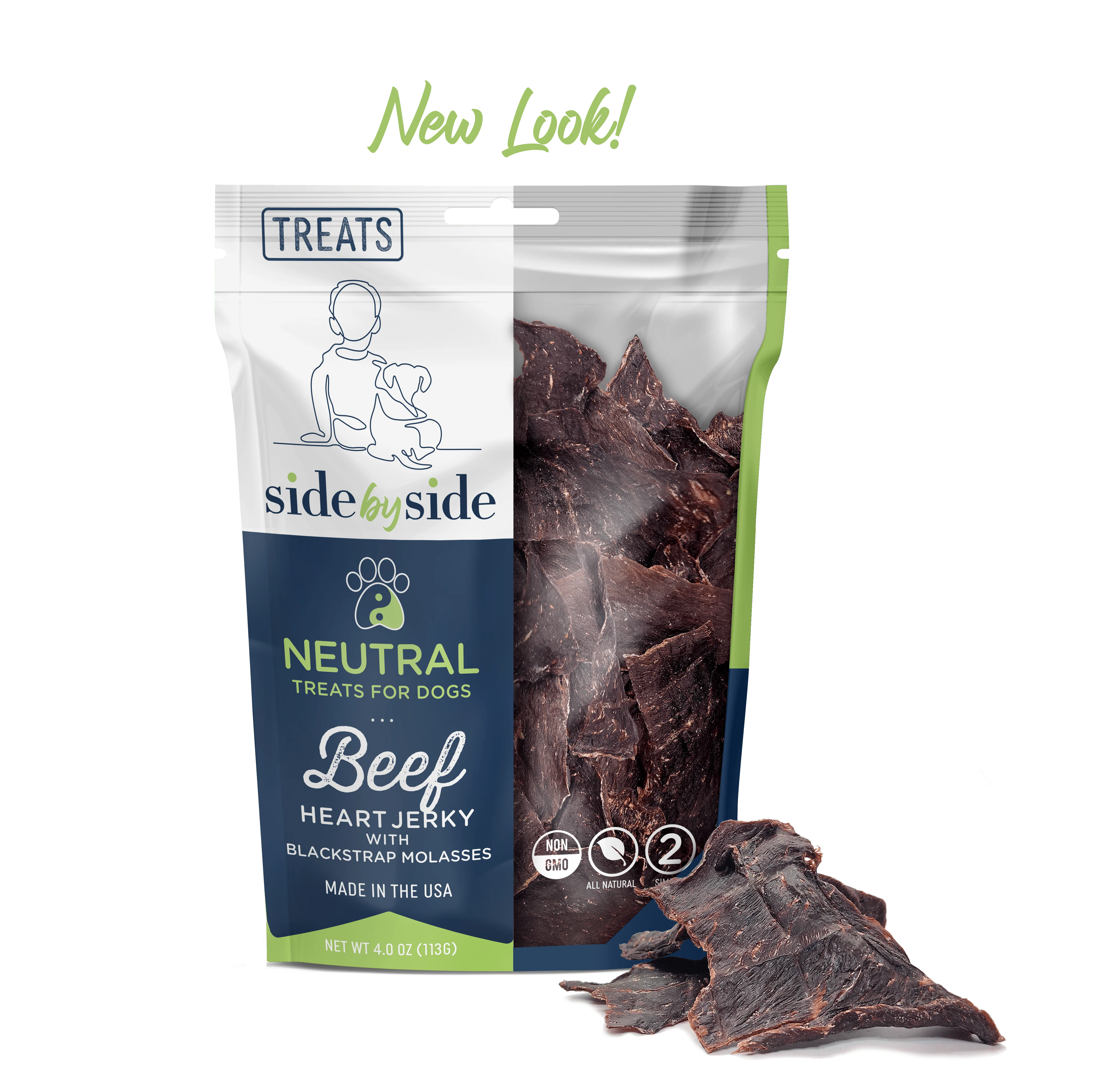
Give Your Dog Kidney Treats
Believe it or not, the right treats may help support a dog with kidney disease naturally and proactively.
At PET | TAO, we call this “feeding treats for a reason.” Instead of offering empty-calorie snacks, TCVM and glandular therapy use food to nourish specific systems within the body.

One important principle in both TCVM and glandular theory is “like supports like.” In simple terms, feeding a specific organ may help nourish and support that same organ within the body. For example, feeding your dog kidney organ meat supports Kidney energy and overall kidney function.
From a TCVM perspective, the Kidneys are considered the foundation of vitality, aging, and life force. Supporting Kidney energy may help a dog with kidney disease maintain better strength, resilience, and overall well-being.
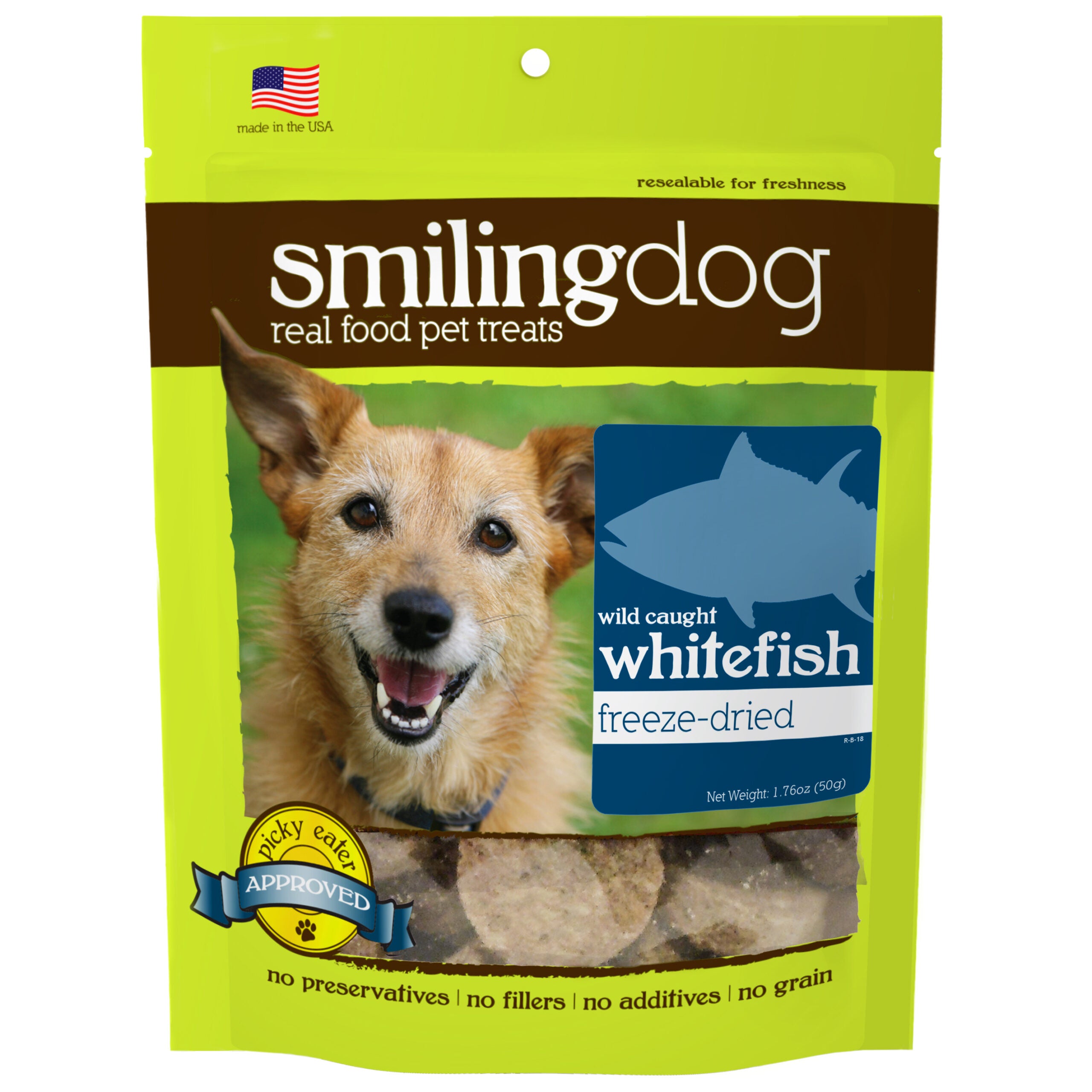
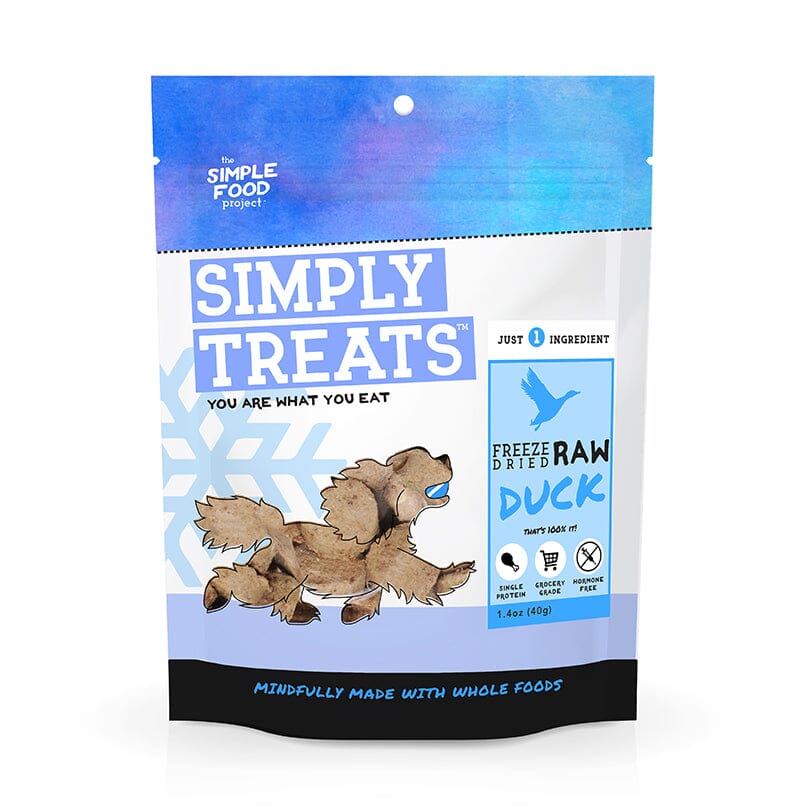
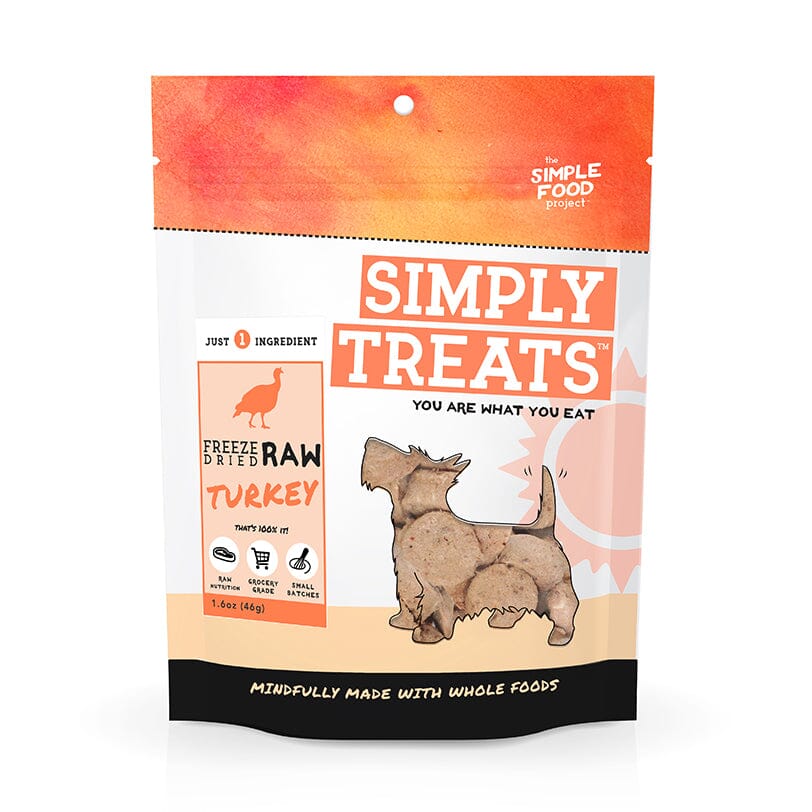
Freeze-dried kidney treats are a simple and convenient way to provide organ-specific nutrition. Kidney tissue naturally contains important nutrients, peptides, vitamins, and minerals that may help support the body. Because freeze-drying preserves nutrients while removing moisture, these treats provide a highly concentrated, biologically appropriate source of nourishment.
Many dogs also find freeze-dried organ treats extremely palatable, which can be especially helpful for dogs with kidney disease who may struggle with reduced appetite.
If you enjoy a more hands-on approach, you can even prepare homemade kidney treats using fresh, high-quality ingredients. Home-prepared treats allow you to control ingredient quality while avoiding many artificial preservatives, additives, and fillers commonly found in commercial snacks.
When used as part of a balanced nutritional plan, targeted organ treats provide another simple and natural way to support a dog with kidney disease from both a TCVM and holistic perspective.
Keep Your Dog Hydrated
If you have a dog with kidney disease, keeping them properly hydrated is one of the most important things you can do. The kidneys rely on adequate fluid intake to filter waste products, maintain circulation, and support overall balance within the body. When hydration levels drop, kidney symptoms often become worse.

From a TCVM perspective, fluids help nourish Yin and support Kidney energy. Because many dogs with kidney disease experience Yin deficiency and internal dryness, maintaining healthy hydration levels may help improve comfort, energy, appetite, and overall wellness.
Unfortunately, hydration can become challenging for many older dogs. Dogs with kidney disease often lose excess fluids through increased urination, which means they may become dehydrated even when they seem to drink frequently.
There are several simple ways to encourage better hydration at home:
- Feed moisture-rich foods such as wet or home-cooked meals
- Add warm water to meals
- Mix a small amount of low-sodium chicken or beef broth into drinking water
- Offer multiple clean water bowls throughout the home
- Keep fresh water easily accessible at all times
Wet food and home-cooked diets are especially helpful because they naturally increase fluid intake and are gentler on digestion than dry kibble.
As chronic kidney disease progresses, some dogs may require additional hydration support through subcutaneous fluids, often called “sub-Q fluids.” These fluids are given under the skin and help restore hydration levels more effectively than drinking water alone.
While the idea may sound intimidating at first, most pet parents quickly discover that administering subcutaneous fluids at home is much easier than expected. In many cases, dogs tolerate the process very well and may appear more comfortable, alert, and energized afterward.
Proper hydration supports circulation, improves toxin removal, and maintains the body’s natural balance. For many dogs with kidney disease, consistent hydration support can make a significant difference in both comfort and quality of life.
Reduce Toxin Exposure
Reducing your dog’s exposure to toxins is another important step in supporting a dog with kidney disease. The kidneys are responsible for filtering waste products and removing many harmful substances from the body. When the kidneys are already weakened, additional toxic exposure may place even more stress on these vital organs.

From a TCVM perspective, the Kidneys are considered the root of life energy and long-term vitality. Supporting Kidney health involves more than nutrition alone. A cleaner, less toxic environment may help preserve Kidney energy and reduce unnecessary strain on the body.
One simple place to start is your dog’s water source. Tap water can sometimes contain substances such as chlorine, fluoride, heavy metals, pesticide residue, or other environmental contaminants. While water quality varies by location, many pet owners choose to provide cleaner water sources for a dog with kidney disease.
Options may include:
- Reverse osmosis water
- High-quality filtered water
- Distilled water, used appropriately and balanced within the overall diet
Providing cleaner water may help reduce the number of substances the kidneys must process each day.
Environmental toxins are another important consideration. Dogs are constantly exposed to chemicals through the air, on floors, in bedding, on lawns, and in household products. Over time, repeated exposure may contribute to additional stress on the body.
You can help lower your dog’s toxic burden by reducing exposure to:
- Harsh household cleaners
- Artificial air fresheners and scented candles
- Pesticides and herbicides
- Strong laundry detergents and fabric softeners
- Synthetic fragrances and chemical sprays
Switching to more natural, non-toxic products may help create a healthier environment for both pets and people.
From both a holistic and TCVM perspective, reducing toxic exposure allows the body to focus more energy on healing, balance, and maintaining vitality rather than constantly processing environmental stressors. Small daily changes may make a meaningful difference over time for a dog with kidney disease.
Epakitin for Dogs With Kidney Disease
As chronic kidney disease progresses, the kidneys gradually lose some of their ability to properly filter waste products and toxins from the blood. When this happens, toxins can begin to accumulate in the body and contribute to symptoms such as nausea, loss of appetite, vomiting, weakness, bad breath, and low energy.
From a TCVM perspective, this decline may reflect weakening Kidney Qi and Kidney Jing, which are considered essential for vitality, strength, and healthy aging. As Kidney energy becomes depleted, the body may struggle to maintain proper balance and detoxification.
Many pet owners first discover kidney problems during routine blood work. Elevated kidney values, such as BUN and creatinine, may indicate that the kidneys are no longer filtering efficiently. In more advanced stages of kidney disease, additional nutritional and supportive therapies are often recommended to help reduce stress on the kidneys.
A supplement our founding vets often recommend is Epakitin. Epakitin is a nutritional supplement designed to help support dogs and cats with chronic kidney disease by binding phosphorus within the digestive tract.
Managing phosphorus levels is extremely important in a dog with kidney disease because excess phosphorus can place additional strain on the kidneys and may contribute to faster disease progression. By helping reduce phosphorus absorption, Epakitin may help decrease the kidneys’ workload and support better long-term balance.
Many veterinarians use Epakitin as part of a broader kidney support plan that may also include:
- Moisture-rich nutrition
- Hydration support
- Omega-3 fatty acids
- Kidney-supportive herbs and food therapy
- Regular monitoring of blood work and phosphorus levels
While Epakitin is not a cure for kidney disease, it may help improve comfort and quality of life for some dogs as the condition advances. As always, supplements should be used under the guidance of your veterinarian to ensure they are appropriate for your dog’s individual needs and stage of disease.
Chinese Herbs for Chronic Kidney Disease
Chinese herbal medicine can offer additional support for a dog with kidney disease, especially when used alongside proper nutrition, hydration, and veterinary care. In TCVM, herbal formulas are often used to help restore balance within the body and support weakened organ systems naturally.
One herbal formula many TCVM veterinarians use for kidney support is Rehmannia Assist Kidney by Herbsmith.
Rehmannia Assist Kidney is based on traditional Chinese herbal principles and is designed to help nourish Kidney Yin and support long-term Kidney function. In TCVM, Kidney Yin helps provide cooling, nourishing, and moisturizing energy throughout the body. Dogs with chronic kidney disease often show signs associated with Yin deficiency, such as excessive thirst, dehydration, weakness, panting, restlessness, weight loss, or progressive aging-related decline.

The formula contains Rehmannia root, an herb used in Traditional Chinese Medicine for centuries to support the kidneys, nourish Yin, and strengthen overall vitality. From a biomedical perspective, some research suggests Rehmannia may have antioxidant and kidney-supportive properties, although additional studies are still needed.
TCVM herbal blends are designed to work gently and synergistically, supporting the body over time rather than simply masking symptoms.
Because every dog with kidney disease is unique, herbal therapy should always be selected based on the individual dog’s condition, symptoms, constitution, and disease stage. A TCVM-trained veterinarian can help determine whether a formula like Rehmannia Assist Kidney is appropriate for your dog’s specific needs.
The video below explains how Rehmannia supports kidney health naturally.
However, Rehmannia Assist Kidney is only one example of the many Chinese herbal formulas available for a dog with kidney disease.
In Traditional Chinese Veterinary Medicine (TCVM), herbal therapy is highly individualized. Different dogs may show very different patterns of imbalance, even when they share the same kidney disease diagnosis. Because of this, there is no single herbal formula that works best for every dog.
Some dogs with kidney disease may primarily show signs of Kidney Yin deficiency, while others may have Qi deficiency, Yang deficiency, Damp accumulation, or a combination of several imbalances. Symptoms such as weakness, poor appetite, anxiety, restlessness, dehydration, cold intolerance, digestive upset, or fluid retention can all influence which herbal formula may be most appropriate.
TCVM-trained veterinarians select herbal blends based on the dog’s complete pattern of imbalance rather than focusing only on the disease itself. This individualized approach is one of the core principles of TCVM and allows treatment plans to be tailored more specifically to each patient’s needs.
A TCVM veterinarian may recommend different herbal formulas depending on factors such as:
- Stage of chronic kidney disease
- Energy level and body condition
- Appetite and digestion
- Hydration status
- Tongue and pulse evaluation
- Presence of heat, cold, deficiency, or stagnation patterns

Because herbal medicine can interact with medications or may not be appropriate in every situation, it is important to work with a qualified veterinarian before starting herbal therapy.Because herbal medicine can interact with medications or may not be appropriate in every situation, it is important to work with a qualified veterinarian before starting herbal therapy.
Your best option is to consult with a TCVM-trained veterinarian through an in-person exam or telemedicine consultation. A personalized evaluation can help determine the safest and most effective herbal formula to support your dog’s unique health condition and overall quality of life.
Need Extra Help for Your Special Needs Dog?
If you ever feel like you need additional support managing a dog with kidney disease naturally, we’re here to help.
Chronic kidney disease can feel overwhelming, especially as symptoms change over time. Every dog responds differently, which is why individualized guidance can make such a meaningful difference. A personalized TCVM approach may more effectively support your dog’s comfort, appetite, energy, hydration, and overall quality of life than a one-size-fits-all plan.
Dr. Marc Smith and Dr. Casey Damron, co-founders of TCVM Pet Supply, offer TCVM telemedicine consultations to pet owners seeking a more integrative, natural approach to kidney support.
- TCVM Evaluation
- Food Therapy Recommendations
- TCVM Herb Recommendations & Veterinary Authorization
- Supplement Recommendations
- Alternative Medicine Recommendations
If you reside in the Middle Tennessee area or would like to commute, you may choose an in-clinic appointment instead.
You can learn more about each vet and contact the clinic you prefer to set up your consult:
- Marc Smith, DVM, MS - Natchez Trace Veterinary Services
- Casey Damron, DVM, CVA - White Oak Animal Hospital
We hope this information is helpful to you, and we wish you the best in helping your dog feel better!
If you have any other questions or if we can assist you in any way, please let us know.
Related post

25
Feb

30
Jan

24
Oct
TCVM Pet Health Insights
Dealing with Dog Allergies? Discover How a Limited-Ingredient Diet Can Help
Read more
21
Oct

22
Apr