
What the Yin Yang Symbol Means for Your Pet
The History of the Yin Yang Symbol
The Yin Yang symbol, also known as the Taijitu, represents one of the most foundational principles in Traditional Chinese philosophy: balance through duality.
At its core, Yin and Yang describe how seemingly opposite forces are not truly separate. Instead, they are interconnected, constantly changing, and dependent on one another to create harmony. This concept is central not only to Taoist philosophy but also to Traditional Chinese Veterinary Medicine (TCVM), where health is viewed as a dynamic balance within the body.
Historically, the origins of Yin and Yang can be traced back to early Chinese thought, long before formal philosophical systems were established. The earliest written forms of the characters Yin and Yang appear on ancient “oracle bones,” which were used in divination practices as early as the 14th century B.C.E. These inscriptions suggest that early observers were already aware of natural patterns: light and dark, sun and shade, activity and rest

The philosophy later became more structured through Taoism, which emerged around the 4th century B.C.E. Taoist teachings emphasized living in alignment with the natural flow of life, or the “Dao,” where balance between Yin and Yang is essential for harmony and well-being.
One of the earliest conceptual representations of Yin and Yang appears in the I Ching, an ancient Chinese text dating back to approximately the 9th century B.C.E. Rather than showing the familiar circular symbol, the I Ching expressed Yin and Yang through broken and unbroken lines, symbolizing receptive and active forces. These patterns were used to understand change, cycles, and the natural rhythms of life.
The recognizable circular Yin Yang symbol (the Taijitu) developed later and gained wider recognition during the Song Dynasty (960–1279 CE). During this period, scholars further refined philosophical concepts and visual representations, helping the symbol become what we recognize today.
From a TCVM perspective, Yin and Yang are not abstract ideas. They are practical, clinically relevant forces. Every organ, every symptom, and every behavior in an animal can be viewed through this lens. For example:
-
Yin relates to cooling, nourishing, and restorative functions

- Yang relates to warming, active, and energizing processes
When Yin and Yang are balanced, the body can thrive naturally. When an imbalance occurs, signs of disease begin to appear.
This is why, in TCVM, we focus on restoring harmony rather than simply suppressing symptoms. By understanding where imbalance exists, whether excess heat (Yang) or deficiency (Yin), we can choose therapies, nutrition, and herbs that help the body return to a state of equilibrium.
In many ways, the Yin Yang symbol is more than a philosophical image. It is a scientifically observed reflection of natural patterns. These are cycles seen in physiology, behavior, and the environment. Modern research continues to validate what ancient practitioners recognized: health depends on balance, adaptation, and the body’s ability to regulate itself.
When you begin to see health through the lens of Yin and Yang, you start to realize something powerful: healing is not about forcing change. It is about guiding the body back into balance, where it can function the way it was designed to.
The Meaning of the Yin Yang Symbol
The Yin Yang symbol is a simple yet powerful representation of balance in nature. Its design reflects a deeper truth you can observe in health, behavior, and the natural world.
The symbol appears as a circle divided into two flowing, teardrop-shaped halves. One half is black, representing Yin, and contains a small white dot. The other half is white, representing Yang, and holds a small black dot.
These small dots carry profound meaning. Each side contains the seed of the other, showing that Yin always holds the potential for Yang, and Yang always carries the potential for Yin. Nothing exists in isolation.
The curved line between the two halves is equally important. Rather than a straight division, the flowing shape reflects constant movement. Yin and Yang are not fixed states. They are always shifting, transforming, and balancing one another.
The terms Yin and Yang originate from the ancient Chinese language and observation. Early meanings described the shaded side of a hill (Yin) and the sunlit side (Yang). Over time, these ideas expanded into a complete system of understanding life through complementary opposites.

Yin is associated with:
- Cooling, nourishing, and restorative energy
- Darkness, stillness, and inward movement
- The moon, fluids, and structure
Yang is associated with:
- Warming, active, and energizing processes
- Light, movement, and outward expression
- The sun, function, and transformation
Through the lens of Taoism, these forces are never in conflict. Instead, they depend on each other to exist. Balance does not mean equal. It means appropriate and dynamic.
This principle becomes especially powerful in Traditional Chinese Veterinary Medicine (TCVM). Health is not viewed as static. Instead, your pet’s body is constantly adjusting between Yin and Yang to maintain harmony.
For example:
- Excess Yang may present as heat, inflammation, restlessness, or irritability
- Deficient Yin may show as dryness, weakness, or chronic depletion
- Excess Yin can appear as coldness, sluggishness, or fluid accumulation
When you understand these patterns, you begin to realize something important. Healing is not about forcing the body. It is about guiding it back into balance so it can function naturally.

Yin and Yang are always relative. One cannot exist without the other. Day becomes night. Activity requires rest. Growth depends on recovery. This continuous cycle creates the rhythm of life.
Over time, the Yin Yang symbol has expanded far beyond its philosophical roots. It appears across Chinese medicine, martial arts, and spiritual practices. Today, it remains a universal symbol of balance, adaptability, and connection.
In TCVM, this symbol is more than an idea. It is a practical tool. It helps you understand why symptoms appear, how patterns develop, and what the body needs to restore harmony.
When you begin to see health through this lens, everything changes. You move beyond chasing symptoms and start supporting the body in a deeper, more natural way, where true balance allows your pet to thrive.
The Yin Yang Symbol and TCVM (Traditional Chinese Veterinary Medicine)
If your pet visits a TCVM-trained veterinarian, you’ve likely noticed the Yin Yang symbol displayed in the clinic. This symbol is not simply decorative. It represents one of the most important principles guiding how we understand and support your pet’s health.
In Traditional Chinese Veterinary Medicine (TCVM), the Yin Yang symbol carries the same foundational meaning as it does in Traditional Chinese Medicine (TCM) for people. It serves as a framework for recognizing patterns within the body: patterns that reveal where balance exists and where support is needed.

From a clinical perspective, Yin and Yang help TCVM-trained vets understand how the body is functioning as a whole. Rather than focusing only on isolated symptoms, they look at relationships within the body and how different systems interact. This approach allows us to identify the root cause of imbalance more naturally and effectively.
The symbol itself reflects the dynamic interplay between opposing yet complementary forces, including:
- Rest and activity
- Cooling and warming
- Nourishment and movement
These forces are constantly shifting within your pet’s body and environment. Health depends on their ability to adjust and stay in harmony.
When Yin and Yang are balanced, your pet can thrive with strong energy, resilience, and stability. However, when an imbalance develops, subtle changes begin to appear. Over time, those changes can progress into more noticeable symptoms.
For example:
- Excess Yang may show as heat, inflammation, anxiety, or restlessness
- Deficient Yin may lead to dryness, weakness, or chronic depletion
- Excess Yin may present as coldness, lethargy, or fluid buildup
Through the lens of Taoism, these patterns are not random. They are part of a continuous cycle of change that reflects the body's adaptation to internal and external influences.
This is why TCVM treatments are designed to restore balance rather than suppress symptoms. Whether your vet uses acupuncture, herbal medicine, food therapy, or lifestyle adjustments, the goal is always the same: to guide the body back into harmony so it can function the way it was designed to.
How TCVM Diagnosis Looks at the Whole Pet
A TCVM-trained veterinarian approaches diagnosis very differently from a conventional Western veterinarian. Rather than focusing only on lab work or imaging, they also evaluate your pet’s overall balance of energy and function.
This approach comes from Traditional Chinese Veterinary Medicine, where health is viewed as a dynamic relationship between systems,n ot just isolated findings.
To understand that balance, TCVM practitioners use the Four Examinations:
- Looking (observation)
- Listening
- Asking (history and symptoms)
- Touching (palpation and pulse)
Each step provides important clues about how your pet’s body is functioning beneath the surface.
During the exam, your veterinarian may:
- Evaluate the tongue for color, moisture, and coating
- Feel the pulse to assess strength, depth, and quality
- Observe the coat, eyes, posture, and overall demeanor
- Listen closely to breathing, sounds, and even subtle odors
- Ask detailed questions about appetite, behavior, sleep, and environment
 These observations may seem simple, yet they provide an amazing amount of information. Many of these diagnostic methods have been used for thousands of years and are now supported by modern research showing correlations between physical signs and internal function.
Instead of asking only “What disease is present?”, a TCVM practitioner asks a more powerful question: “Where is the imbalance, and why?”
The answers often reveal patterns involving:
- Yin and Yang balance
- Qi (vital energy) flow
- Blood nourishment and circulation
When these systems are out of balance, the body begins to show signs, sometimes long before disease is visible on diagnostics.
This is why TCVM can be so effective. By identifying patterns early, your vet can support the body more naturally and help prevent deeper imbalance.
In practice, this means your pet receives a more complete evaluation. Western diagnostics still play an important role, especially for acute or complex conditions. However, combining those tools with TCVM insight allows vets to see a bigger picture.
When you understand this process, you begin to realize something important. Diagnosis is not just about finding a problem. It is about discovering how your pet’s body is functioning as a whole—so we can support true balance, long-term health, and the ability to thrive.
Pattern Differentiation
In Traditional Chinese Veterinary Medicine, disease is not viewed as a single, fixed condition. Instead, it is understood as a pattern of disharmony within the body.
This concept, known as pattern differentiation, is one of the most powerful tools in TCVM. It allows TCVM-trained vets to look beyond a diagnosis and uncover why the imbalance is happening in the first place.
For example, two dogs may both experience chronic diarrhea. From a Western perspective, they may receive the same diagnosis. However, from a TCVM perspective, those two dogs can have completely different underlying patterns.
One dog may show signs of Spleen Qi Deficiency, where digestion is weak, leading to poor transformation of food and loose stools
Another dog may present with Liver Qi Stagnation attacking the Spleen, where stress or emotional imbalance disrupts digestive function
Even though the symptoms appear similar, the root causes are very different. Because of this, treatment must also be different.
This is where TCVM truly stands apart. Rather than applying a one-size-fits-all solution, TCVM-trained veterinarians tailor treatment to the individual pattern your pet is expressing.
Pattern differentiation considers multiple factors, including:
- Yin and Yang balance
- Qi flow and stagnation
- Blood nourishment and circulation
- Internal organ relationships
Through this lens, symptoms become meaningful signals rather than isolated problems.
By identifying the correct pattern, TCVM-trained vets can create a treatment plan that works with the body instead of against it. This may include acupuncture, herbal formulas, food therapy, and lifestyle adjustments, all designed to restore harmony at the root level.
When you begin to understand pattern differentiation, you realize something important. Two pets with the same symptoms are rarely the same internally.
This is why TCVM care often feels more personalized, more precise, and more effective over time. By addressing the underlying imbalance, TCVM helps the body rebalance naturally, supporting long-term health and allowing your pet to truly thrive.
Treatment in TCVM
Once a diagnosis is made, TCVM-trained vets use one or more healing modalities to bring the body back into harmony. Treatments may include:
- Acupuncture: inserting fine needles into specific points to unblock Qi and restore flow.
- Herbal Medicine: prescribing classical formulas to tonify deficiencies, move stagnation, or clear Heat.
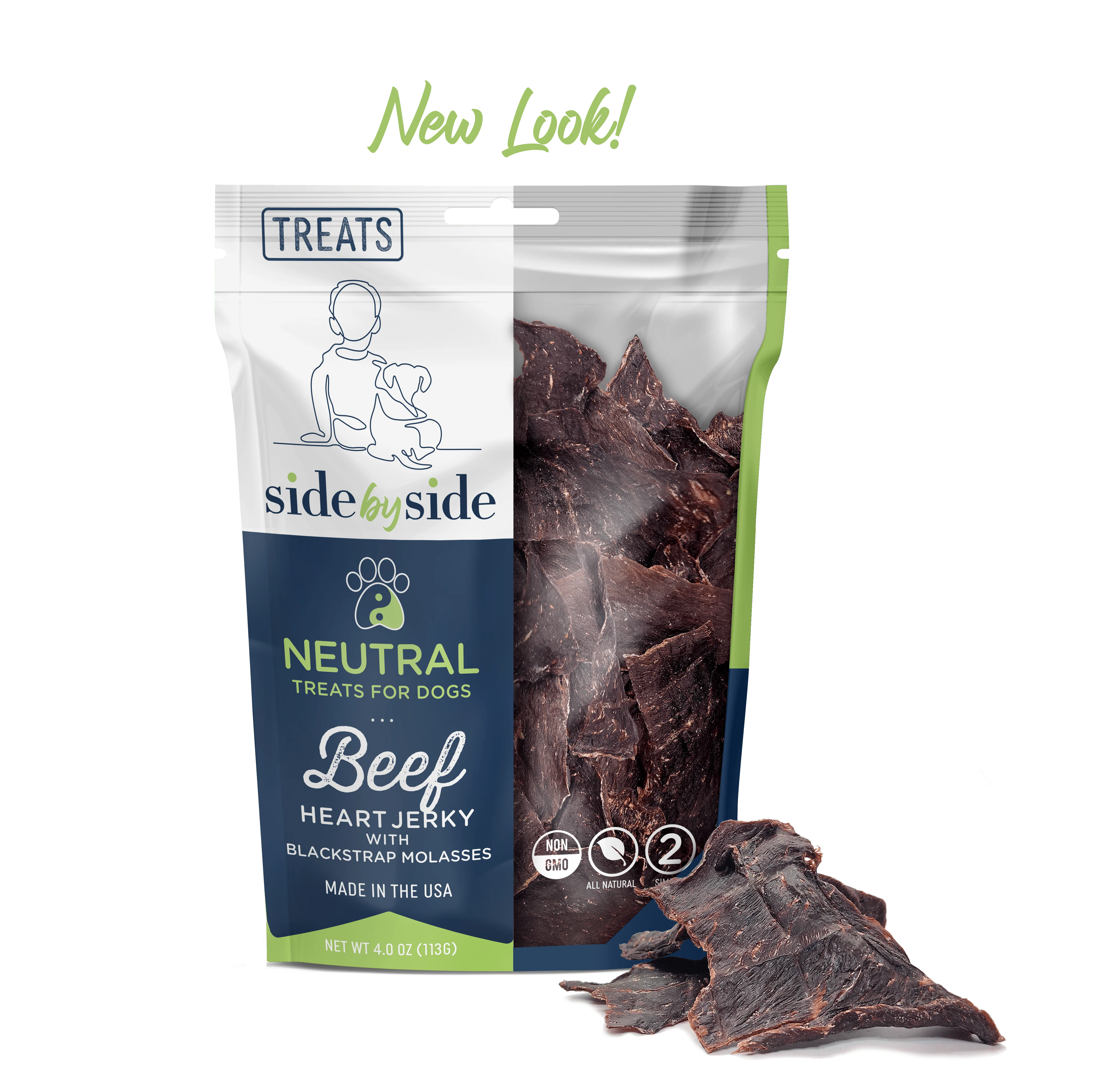
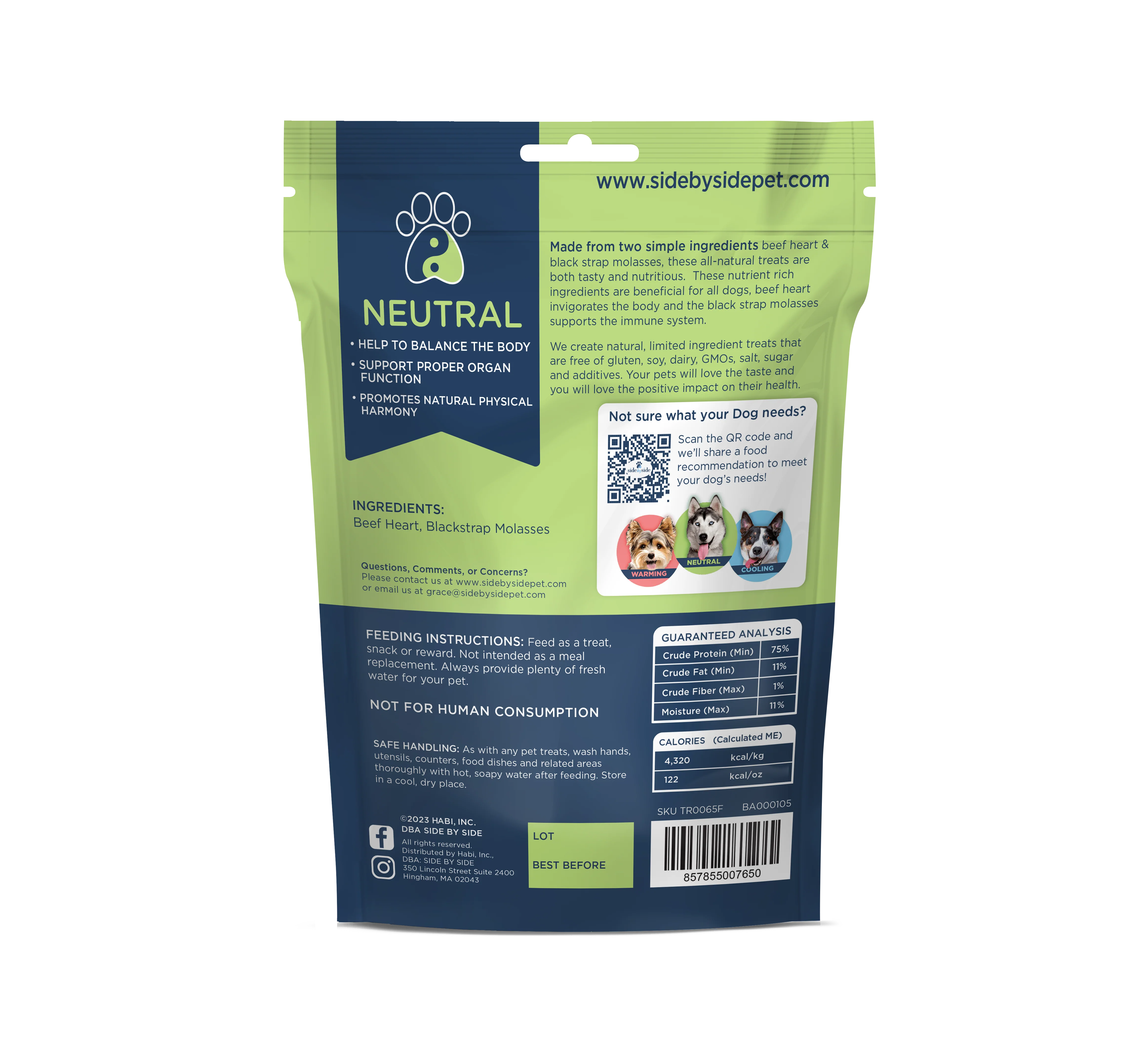
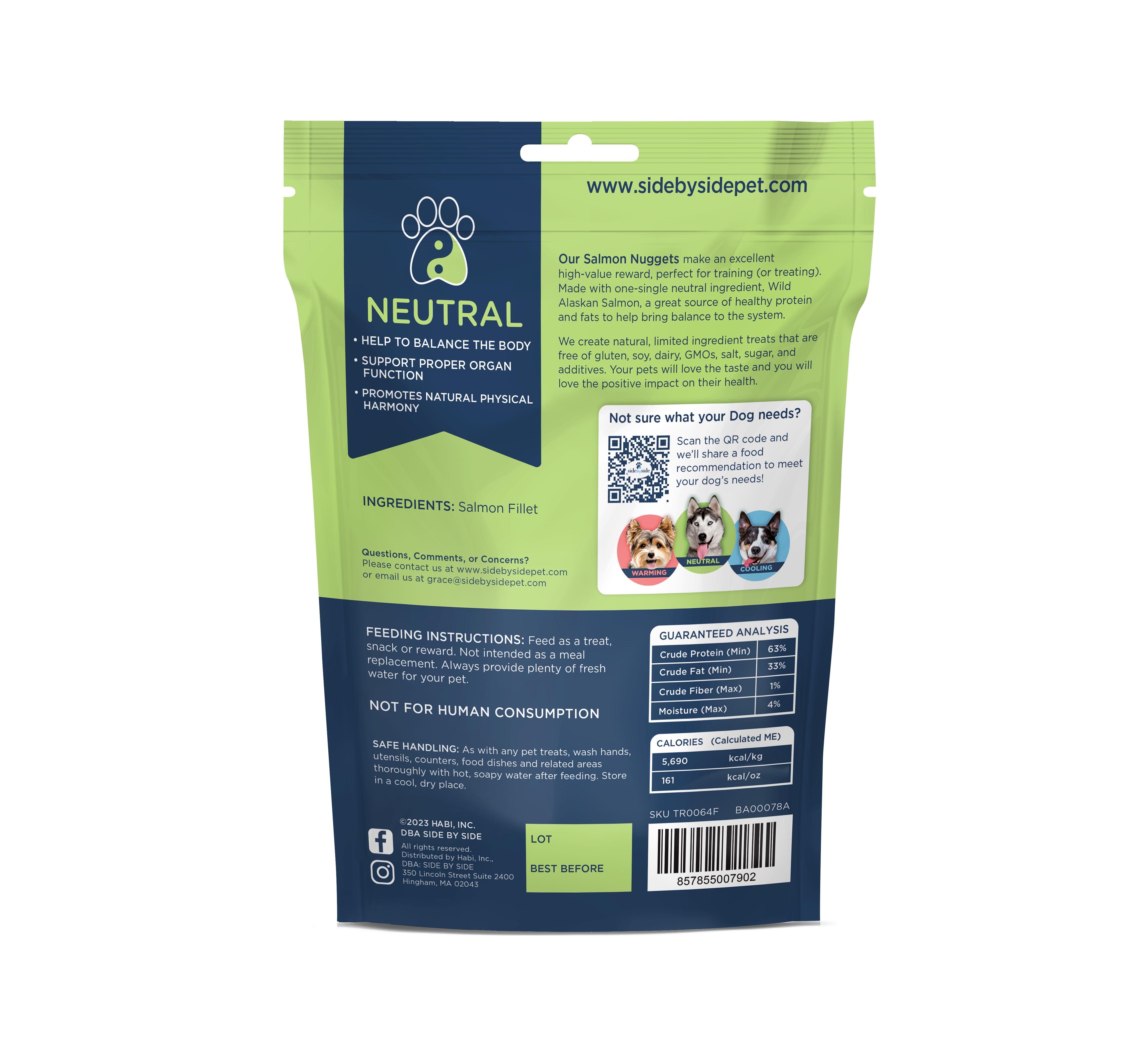
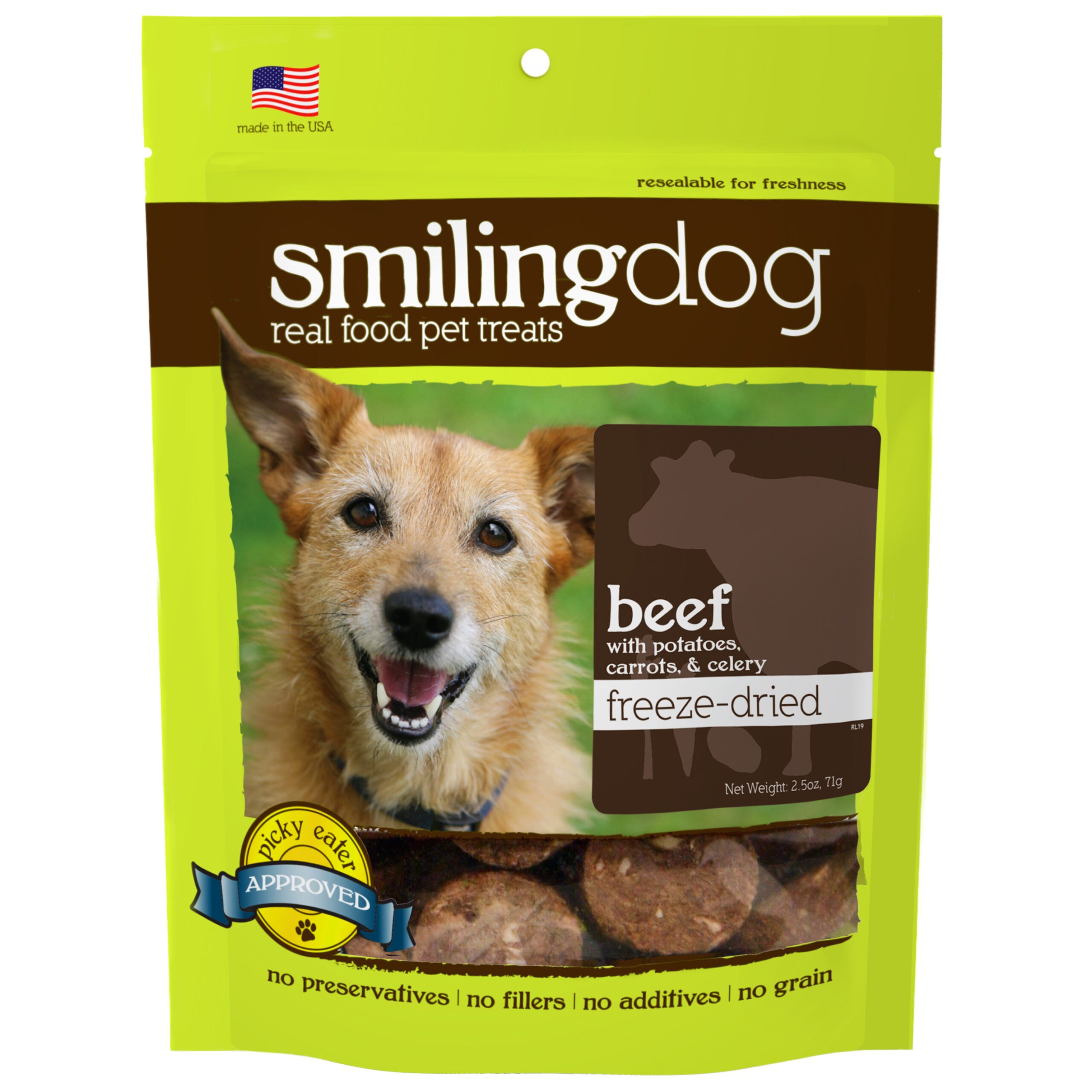
- Food Therapy: recommending diets based on energetic properties (cooling, warming, neutral) to support organ balance.
- Tui-na (massage): a form of Chinese medical massage that stimulates Qi and Blood circulation.
An Integrative Approach

Balancing Yin and Yang for Your Pet’s Health
In Traditional Chinese Veterinary Medicine, every treatment is designed with one goal in mind: restoring balance within the body. More specifically, TCVM-trained veterinarians work to harmonize Yin and Yang so your pet can function at their highest level.
TCVM techniques such as acupuncture, herbal medicine, food therapy, and lifestyle guidance are all carefully selected to support this balance. Each modality plays a role in either nourishing Yin, supporting Yang, or helping the body regulate between the two more naturally.
At the same time, there are simple and powerful ways you can support your pet at home. Small, consistent changes can make an amazing difference in helping your pet maintain balance and thrive.
For example:
- Feeding energetically appropriate foods (cooling vs. warming proteins)
- Supporting proper rest and activity cycles
- Reducing stress and environmental imbalances
- Using targeted supplements or herbs when appropriate
At the core of this process is the smooth flow of Qi, your pet’s vital energy. When Qi flows freely, the body can regulate temperature, digestion, immune function, and emotional balance more effectively. When flow becomes blocked or deficient, imbalance begins to develop.
The Yin Yang symbol beautifully represents this constant movement. Yin (cooling, nourishing, restorative) and Yang (warming, active, energizing) are always interacting, adjusting, and transforming into one another.

When Yin and Yang are in harmony, you’ll often notice:
- Steady energy and vitality
- Healthy digestion and appetite
- Emotional calm and resilience
- Strong immune response and recovery
However, when an imbalance occurs, signs begin to appear, sometimes subtly at first. This is your opportunity to step in and support the body before deeper issues develop.
This is where TCVM offers something truly different. Instead of waiting for disease, we focus on maintaining balance so the body can adapt, recover, and stay healthy over time.
So the next time you see the Yin Yang symbol on a veterinary clinic sign, business card, or pet health product, you can recognize its deeper meaning. It represents a philosophy that goes beyond surface-level care.
It reflects a commitment to ancient wisdom, modern understanding, and a more complete approach to health. One that helps your pet stay balanced, energized, and truly well from the inside out.
How to Find a TCVM-Trained Veterinarian
It can be difficult to find a TCVM-trained veterinarian. However, we can help! We work with many talented veterinarians on a regular basis. The vets on our authorizing vet list are happy to help.
Another option is searching the American Holistic Veterinary Medicine Association's vet list.
If you're still having trouble finding a veterinarian in your area, a third option is to get a TCVM telemedicine consultation with one of our founders, Dr. Smith or Dr. Damron.
If you get a TCVM telemedicine consultation with one of our veterinarians, you'll get personalized TCVM recommendations specific to your pet, including:
- Food Therapy Recommendations
- TCVM Herb Recommendations & Veterinary Authorization
- Supplement Recommendations
- Alternative Medicine Recommendations
- Answers to Your Questions
You can learn more about our veterinarians and their expertise and/or schedule by visiting their websites:
- Marc Smith, DVM, MS - Natchez Trace Veterinary Services
-
Casey Damron, DVM, CVA - White Oak Animal Hospital
Sources:
- Yinyang (Yin-yang) | Internet Encyclopedia of Philosophy. (n.d.). https://iep.utm.edu/yinyang/
- Cartwright, M. (2023). Yin and Yang. World History Encyclopedia. https://www.worldhistory.org/Yin_and_Yang/
Related post

25
Feb

30
Jan

24
Oct
TCVM Pet Health Insights
Dealing with Dog Allergies? Discover How a Limited-Ingredient Diet Can Help
Read more
21
Oct

22
Apr