
Inside Scoop: TCVM Veterinarians Share Top Cat Allergies Protocol
Cats experience the discomforts of allergies just like people do. If your cat is scratching, having digestive upset, or showing other changes, understanding the options can help you support your cat with greater confidence.
In this article, we're sharing the cat allergies protocol TCVM veterinarians Dr. Marc Smith and Dr. Casey Damron recommend in their Tennessee clinics.
Key Takeaways
- Recognize the signs: Itchy skin, runny eyes, digestive changes, respiratory signs, and swollen paws are discussed in this article.
- Food therapy: A limited-ingredient diet can simplify food choices and support cats with food sensitivity challenges.
- Gut health: Digestive enzymes, prebiotics, and probiotics are part of the protocol’s whole-cat approach.
- Natural support: Lung food therapy and medicinal mushrooms are additional options discussed by our founding veterinarians.
- Personalized herbs: A TCVM-trained veterinarian can select an appropriate formula and provide veterinary authorization.
What Do Cat Allergies Look Like?
When a cat experiences allergies, they can show up in a few different ways. Signs discussed in this article include:
- Digestive changes: Diarrhea and/or vomiting.
- Eye irritation: Itchy and runny eyes.
- Skin discomfort: Itchy skin and excessive scratching.
- Respiratory signs: Sneezing, coughing, wheezing, or snoring.
- Paw changes: Swollen paws.
Your veterinarian can help determine the cause of these signs and tailor care to your cat. Breathing difficulty needs immediate veterinary attention.
There are changes you can make at home to help support your cat through allergy and food sensitivity challenges.
We’ll go over our veterinarians' protocol here, and you can get more information in their ebook Cat Allergies 101: Make Your Cat Feel Better Today
Step 1: Switch to a Limited-Ingredient Diet
The protocol recommends switching to a limited-ingredient diet to support your cat’s comfort and simplify nutrition choices.
PET | TAO Limited Ingredient Cat Food Recipe is designed with allergy and food sensitivity support in mind. Your veterinarian can help evaluate which ingredients suit your cat’s individual triggers.
The recipe is easy to make at home in your slow cooker.
The original protocol also notes that many cats develop softer, shinier coats when fed a home-cooked diet.
Get the PET | TAO Limited Ingredient Cat Food Recipe
Step 2: Supplement With Digestive Enzymes and Probiotics
Digestive enzymes and probiotics are included to support overall gut health, which is connected to immune health and immune response.
Digestive enzymes help your cat digest food. The original protocol discusses human studies on the importance of complete digestion in allergic responses as part of the rationale for this approach.
Probiotics support gut health by adding beneficial bacteria to your cat’s system. A healthy bacterial population is part of the protocol’s approach to supporting immune balance and cats with allergies.
Dr. Smith and Dr. Damron recommend PET | TAO Harmonize GI, a blend of prebiotics, probiotics, and digestive enzymes. You can purchase Harmonize GI in our store without a veterinary prescription.
Step 3: Feed Freeze-Dried Lung Treats
According to TCVM, the Lung system is closely connected to the skin. The protocol uses lung treats for respiratory and skin support within this traditional framework.
Lung treats are used in a “like treats like” food therapy approach, similar to the rationale behind glandular supplementation.
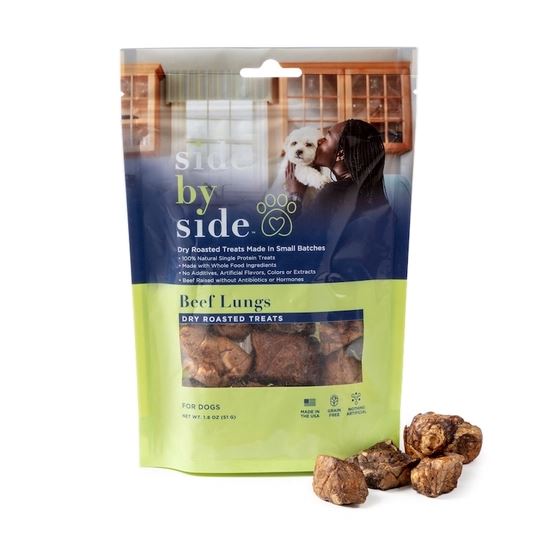
Dr. Smith and Dr. Damron recommend PET | TAO Freeze-Dried Pork Lung Treats.
Step 4: Try Medicinal Mushrooms
Supplementing with medicinal mushrooms is another holistic option for supporting cats with allergies.
The protocol uses medicinal mushrooms to support balanced inflammatory responses and allergy comfort.
PET | TAO Complement Immune Mushroom Blend provides medicinal mushrooms selected for their complementary actions.
You can learn more about Complement Immune on the PET | TAO website.
Complement Immune is available over the counter without a veterinary prescription. Explore Complement Immune in our store.
Step 5: Consider a TCVM Herbal Remedy
TCVM herbal remedies are specialized Chinese herbal formulations selected to restore balance within the traditional framework of opposing energies and meridian channels.
Chinese medicine offers natural options for supporting cats with allergies. Examples discussed in this protocol include:
Veterinary authorization is required to purchase TCVM herbs. A consultation with one of our veterinarians can guide personalized formula selection and authorization.
Interested in trying a TCVM herbal formula? Submit Your Authorization Request or Request a TCVM Telemedicine Consultation
Veterinary Expertise and Personalized TCVM Support
If you ever feel like you need extra help managing your cat's allergies naturally, we can help.
TCVM Pet Supply co-founding veterinarians Dr. Marc Smith and Dr. Casey Damron offer TCVM telemedicine consultations.
A consultation provides personalized recommendations specific to your cat, including:
- Nutrition: Food therapy recommendations.
- Evaluation: TCVM evaluation.
- Herbal support: TCVM herb recommendations and veterinary authorization.
- Supplements: Supplement recommendations.
- Additional care: Alternative medicine recommendations.
If you reside in the Middle Tennessee area or would like to commute, you may choose an in-clinic appointment instead.
You can learn more about each vet and contact the clinic you prefer directly:
- Marc Smith, DVM, MS - Natchez Trace Veterinary Services
- Casey Damron, DVM, CVA - White Oak Animal Hospital
We hope this information helps you and wish you the best in helping your cat feel better.
If you have any other questions or if we can help you in any way, just let us know!
Frequently Asked Questions
What signs of cat allergies should I watch for?
The article discusses itchy skin, excessive scratching, itchy or runny eyes, diarrhea or vomiting, swollen paws, and respiratory signs such as sneezing, coughing, wheezing, or snoring. Your veterinarian can help identify the cause. If your cat has breathing difficulty, seek immediate veterinary attention.
Why does this protocol recommend a limited-ingredient diet?
A limited-ingredient diet simplifies food choices and is part of the protocol’s approach to allergy and food sensitivity support. The PET | TAO recipe can be prepared in a slow cooker. Your veterinarian can help determine whether its ingredients suit your cat’s triggers and nutritional needs.
How do lung treats fit into TCVM allergy support?
In TCVM, the Lung system is connected to skin health. Feeding lung is used through the “like treats like” food therapy principle to support respiratory and skin balance. The protocol recommends PET | TAO Freeze-Dried Pork Lung Treats as this food therapy option.
Do all the supplements in this protocol require veterinary authorization?
No. The article identifies Harmonize GI and Complement Immune as available without a veterinary prescription. TCVM herbal formulas require veterinary authorization. A consultation can help personalize food therapy, supplements, and the appropriate herbal formula for your cat.
The Bottom Line
This five-step cat allergy protocol combines limited-ingredient nutrition, digestive enzymes and probiotics, lung food therapy, medicinal mushrooms, and personalized TCVM herbal support. Work with your veterinarian to understand your cat’s signs and choose a whole-cat plan focused on comfort and ongoing wellness.
Related post

25
Feb

30
Jan

24
Oct
TCVM Pet Health Insights
Dealing with Dog Allergies? Discover How a Limited-Ingredient Diet Can Help
Read more
21
Oct

22
Apr